
80% of 42 Interviewed Lake Nasser Fishermen Reported Crocodile Damage to Fishing Gear
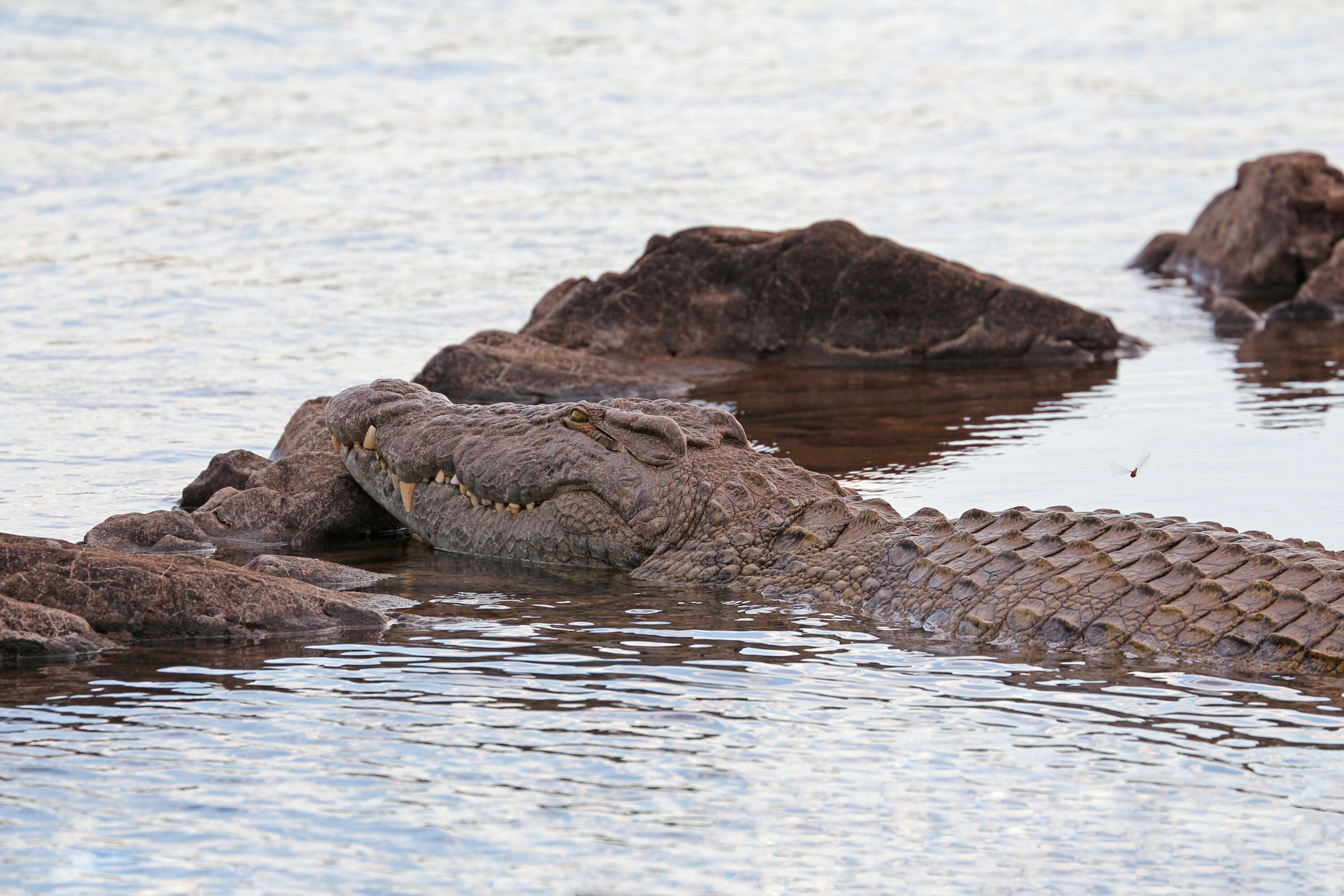
A survey of 42 male fishermen at Lake Nasser in southern Egypt found that reported conflict with Nile crocodiles (Crocodylus niloticus) existed alongside substantial support for protecting the species. The interviews were conducted in June and July 2023 at 35 fishing camps and active fishing areas around the lake.
The study asked fishermen about perceived personal risk, damage to fishing gear, possible effects on catches and income, and views on conservation and coexistence. These are self-reported experiences and attitudes: the survey did not independently measure crocodile-caused gear losses or changes in fish abundance.
Gear damage was the most commonly reported conflict
Eighty percent of the interviewed fishermen said crocodiles had damaged their fishing gear. At the same time, 62% did not consider crocodiles a direct personal threat.
Views on fishing catches were much less consistent. Forty percent agreed that crocodiles were responsible for reduced catches, while 45% disagreed. Fishermen who reported seeing crocodiles daily or weekly were also more likely to report lower catches than the previous year, but this association does not show that crocodiles caused the decline; catches can change for many other reasons that were not experimentally separated in the survey.
Protection still had majority support
Despite widespread reports of gear damage, 74% agreed that crocodiles are part of Lake Nasser’s natural environment, 64% said the species should be protected and 60% agreed that crocodiles and fishermen can live peacefully together.
The researchers found three broad attitude profiles rather than a simple split between supporters and opponents. One group viewed crocodiles more strongly as a personal and economic threat, another showed particularly strong support for conservation, and the largest group held more moderate views that combined acceptance of coexistence with concern about practical and economic costs.
Conflict costs did not translate into uniformly negative attitudes
Support for protection was the clearest factor distinguishing the strongly conservation-oriented group. Reported gear damage and perceived income losses were important conflict experiences, but they did not by themselves produce a uniformly anti-crocodile position.
Ideas based on harvesting crocodiles or collecting eggs as a livelihood option received little support among the interviewed fishermen. The authors therefore argue for management approaches that respond to the practical costs fishermen report while also recognising the substantial local support for keeping Nile crocodiles in the lake system.
Human–wildlife conflict
Related news
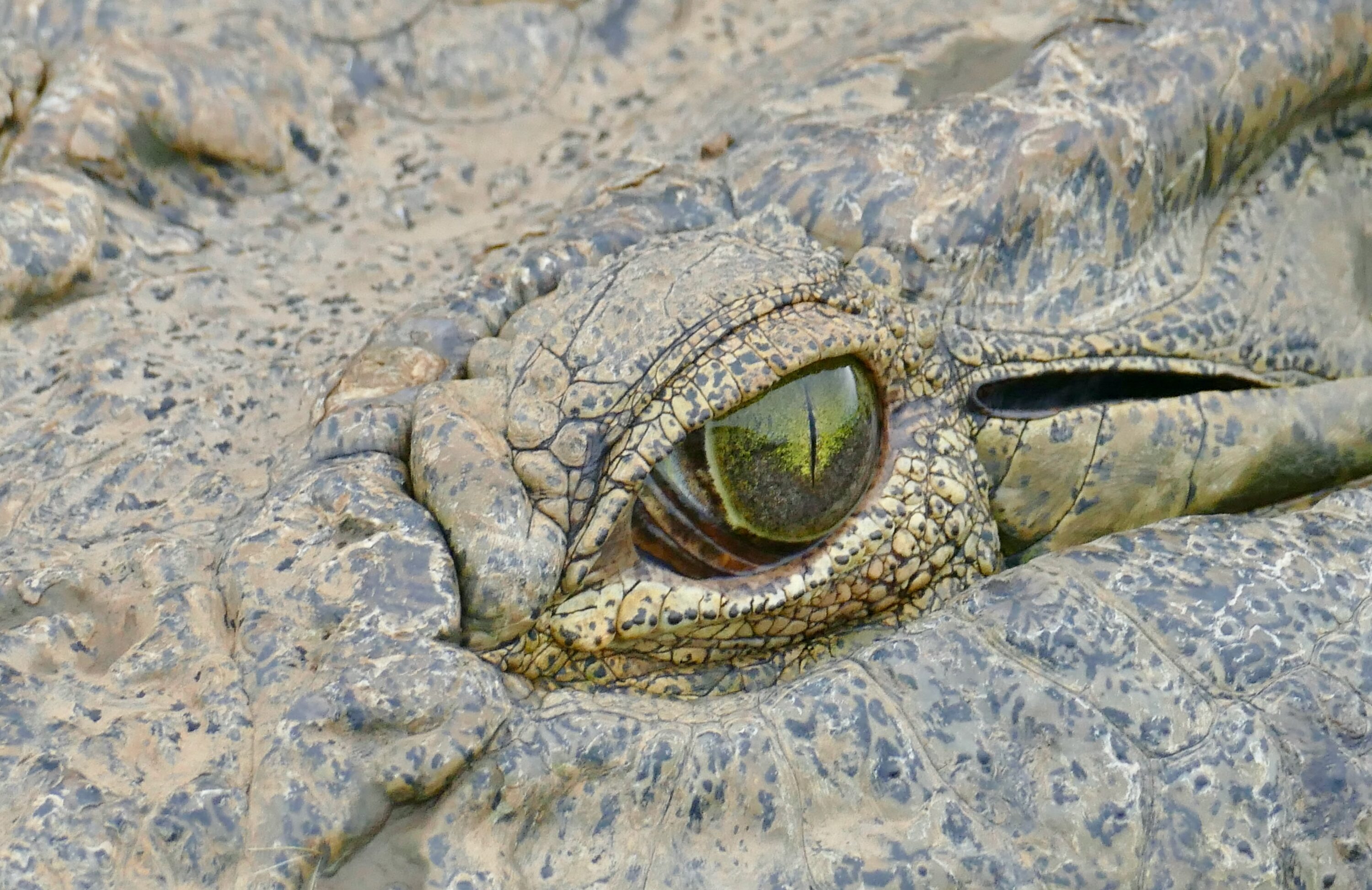
New reference genome reveals deep demographic history of the Nile crocodile
A 2026 study produced a reference-quality Nile crocodile genome and found a substantially larger long-term effective population than…
Read story →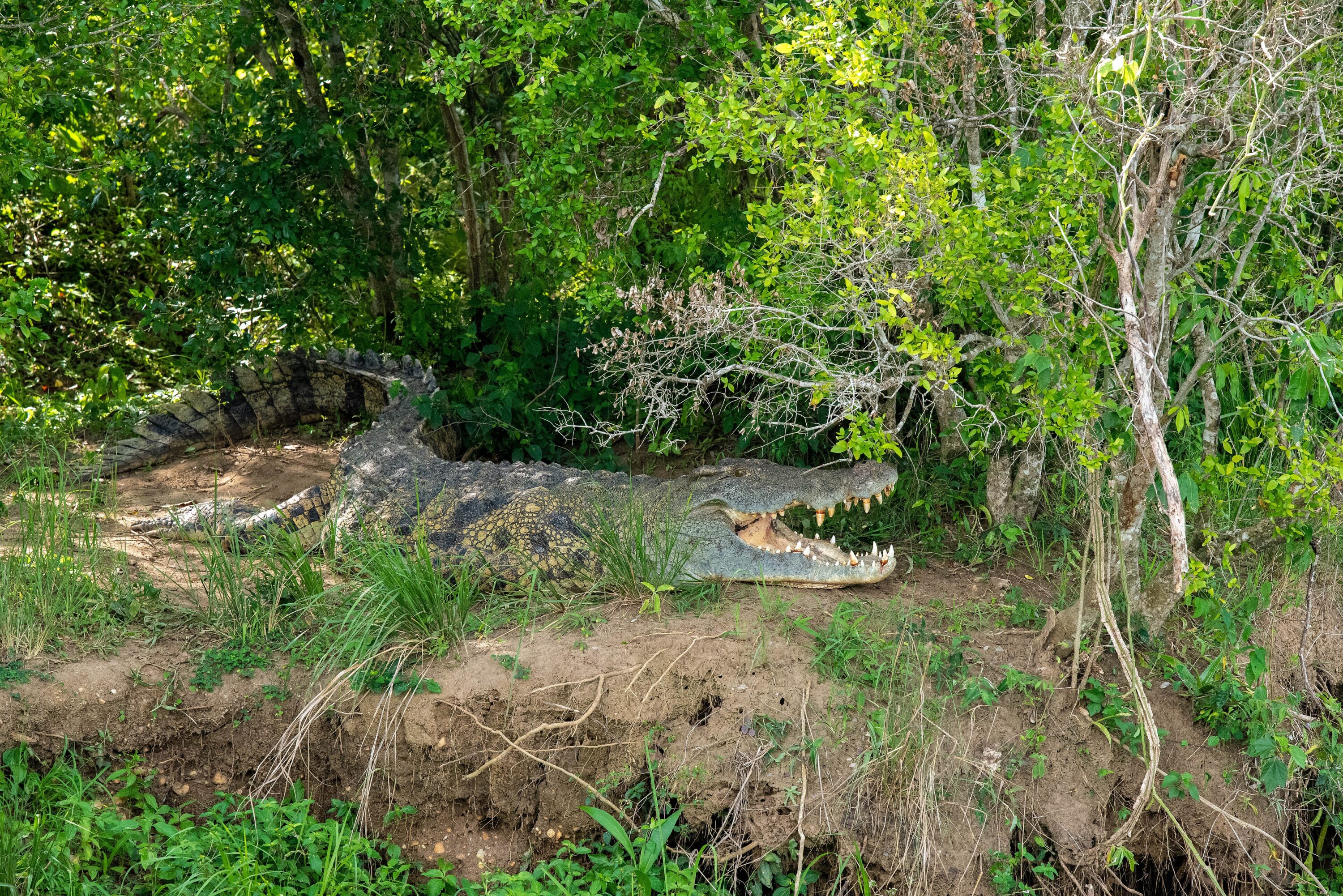
Uganda’s 2026 wildlife assessment highlights long-term Nile crocodile decline and local recovery
Uganda’s 2026 wildlife report says long-term Nile crocodile monitoring shows an overall decline since the 1960s but local…
Read story →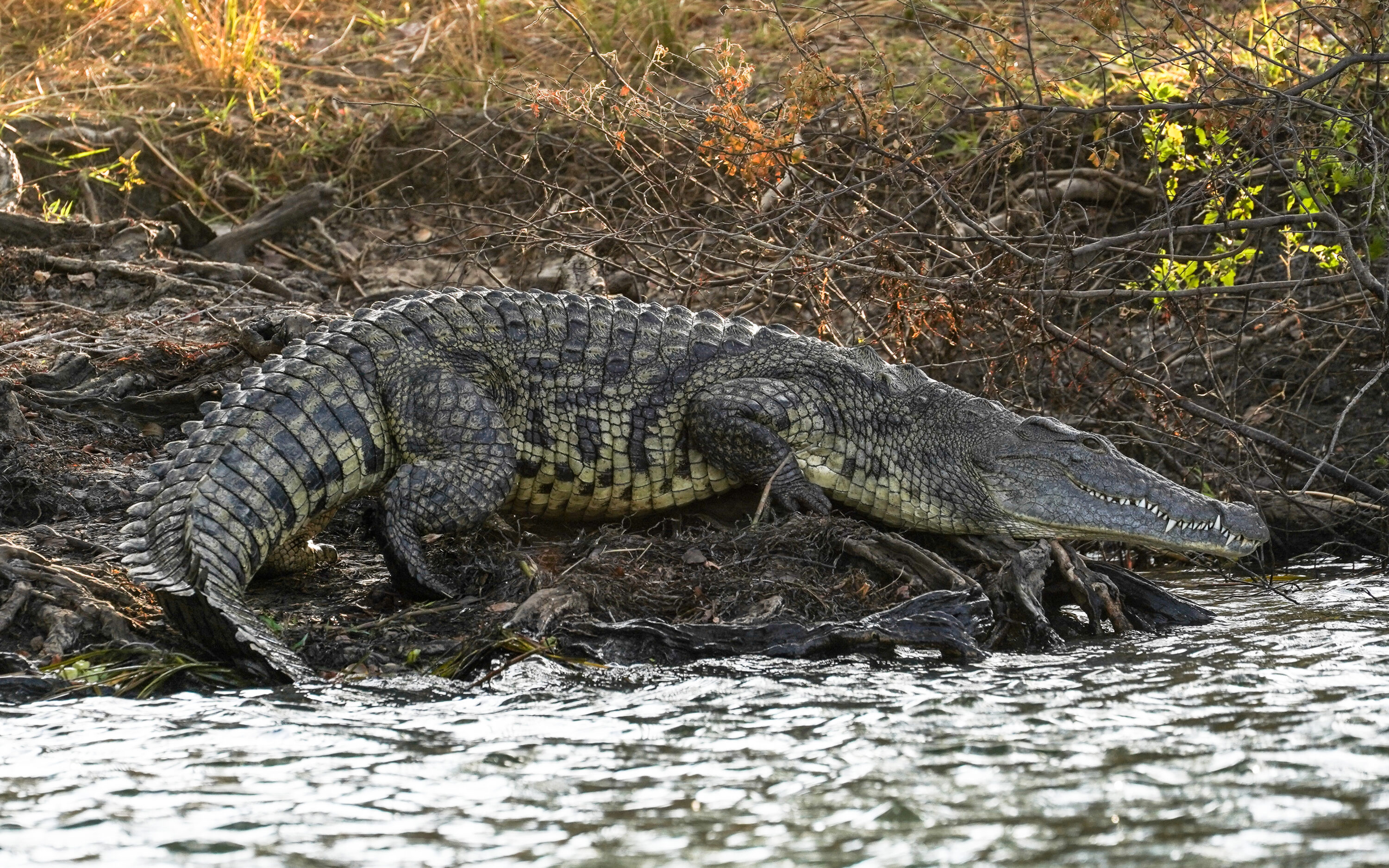
New Parasite Genus Described From a Wild Nile Crocodile in Namibia’s Kavango River
The new fluke Ngubuvangandu francoisjacobsi, described from the intestine of a wild Nile crocodile in Namibia’s Kavango River,…
Read story →SPECIES IN THIS STORY
Species in this story
Independent research and conservation news archive
Did you find this information useful?
Wildlife Vagabond is independently built and maintained. Voluntary support helps cover source verification, hosting and continued work on research and conservation news.
Support Wildlife VagabondThe news archive will remain freely available.