
Landowner Attitudes Predicted Intentions to Manage Wild Boar Across the West Gulf Region
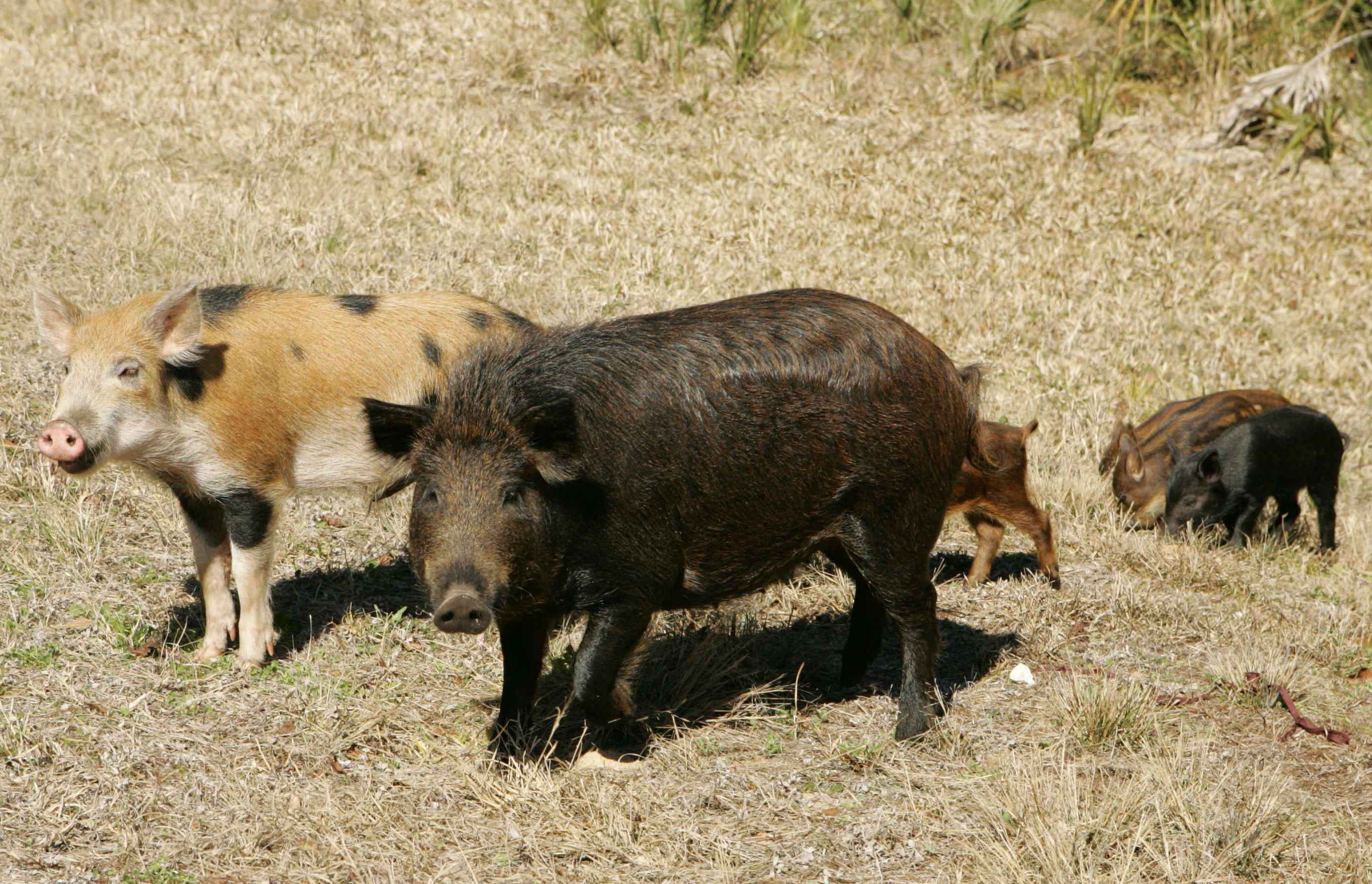
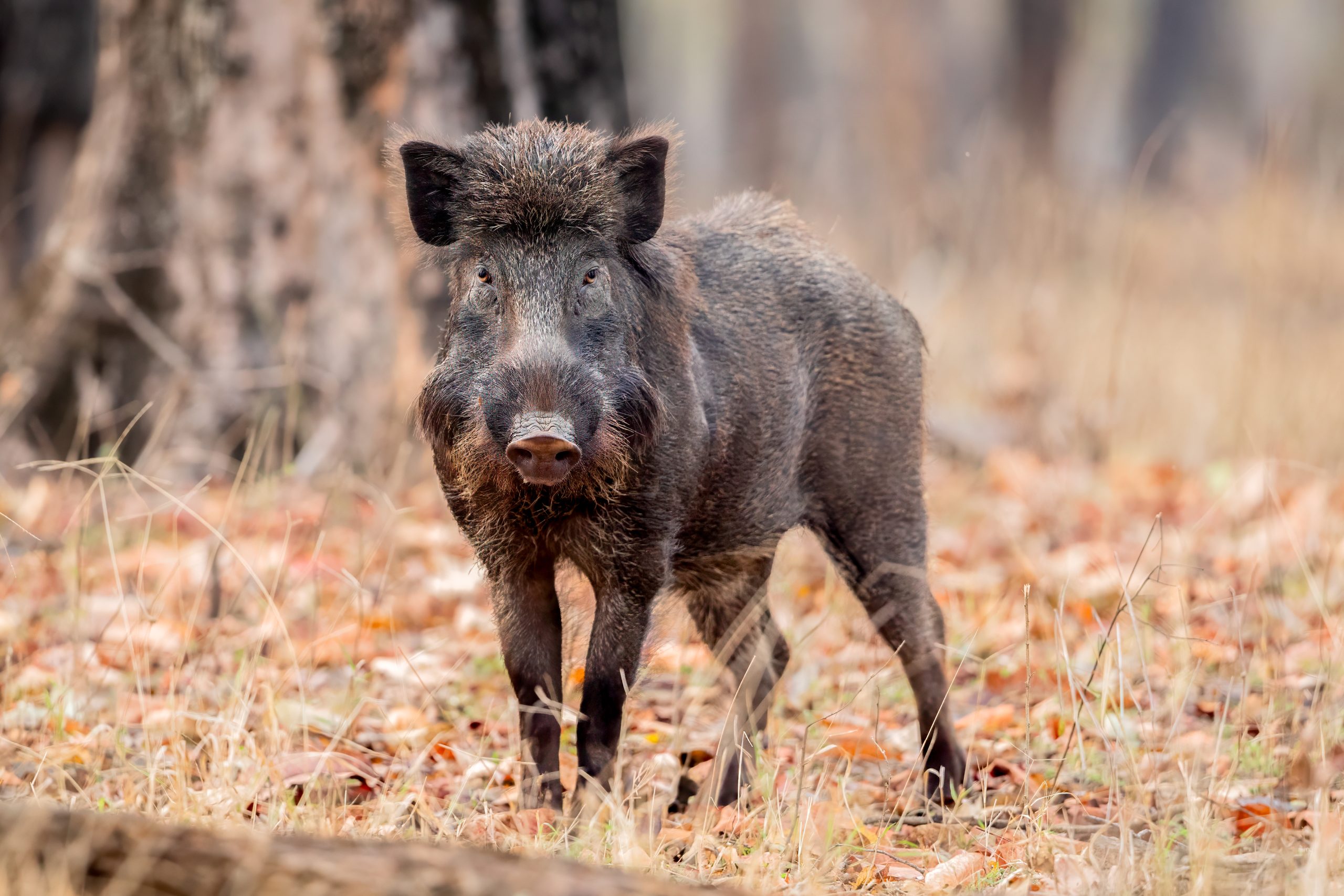
A study of private landowners in Arkansas, USA, Louisiana and East Texas found that attitudes toward specific control actions predicted intentions to take part in management of wild boar (Sus scrofa; termed “wild pigs” in the study). The researchers analysed responses from a mail survey designed to examine landowners’ experiences with wild boar, perceptions of damage and willingness to participate in control.
Of 4,500 survey packets mailed in 2021, the study obtained 885 valid responses: 361 from Arkansas, 301 from Louisiana and 223 from East Texas. The cluster analysis identified three landowner profiles based on familiarity with wild boar, experience of damage and previous management effort. The reported clusters comprised 91 Unaware Bystanders, 217 Frontline Responders and 104 Cautious Observers.
Across the full sample, beliefs that wild boar cause environmental and economic harm were strongly associated with more favourable attitudes toward management actions. Those attitudes in turn significantly predicted stated management intentions. Perceived social expectations from other people also had a smaller significant relationship with intentions, while landowners’ confidence that they could carry out the management themselves did not significantly predict intentions across the full sample.
The authors found that the factors associated with management intentions differed among the three landowner profiles and argue that outreach and policy measures can be better targeted when these differences are recognised. The study measured intentions rather than whether respondents subsequently carried out control actions, and the authors explicitly note that the relationship between intention and actual behaviour was not evaluated.
Management
Related news
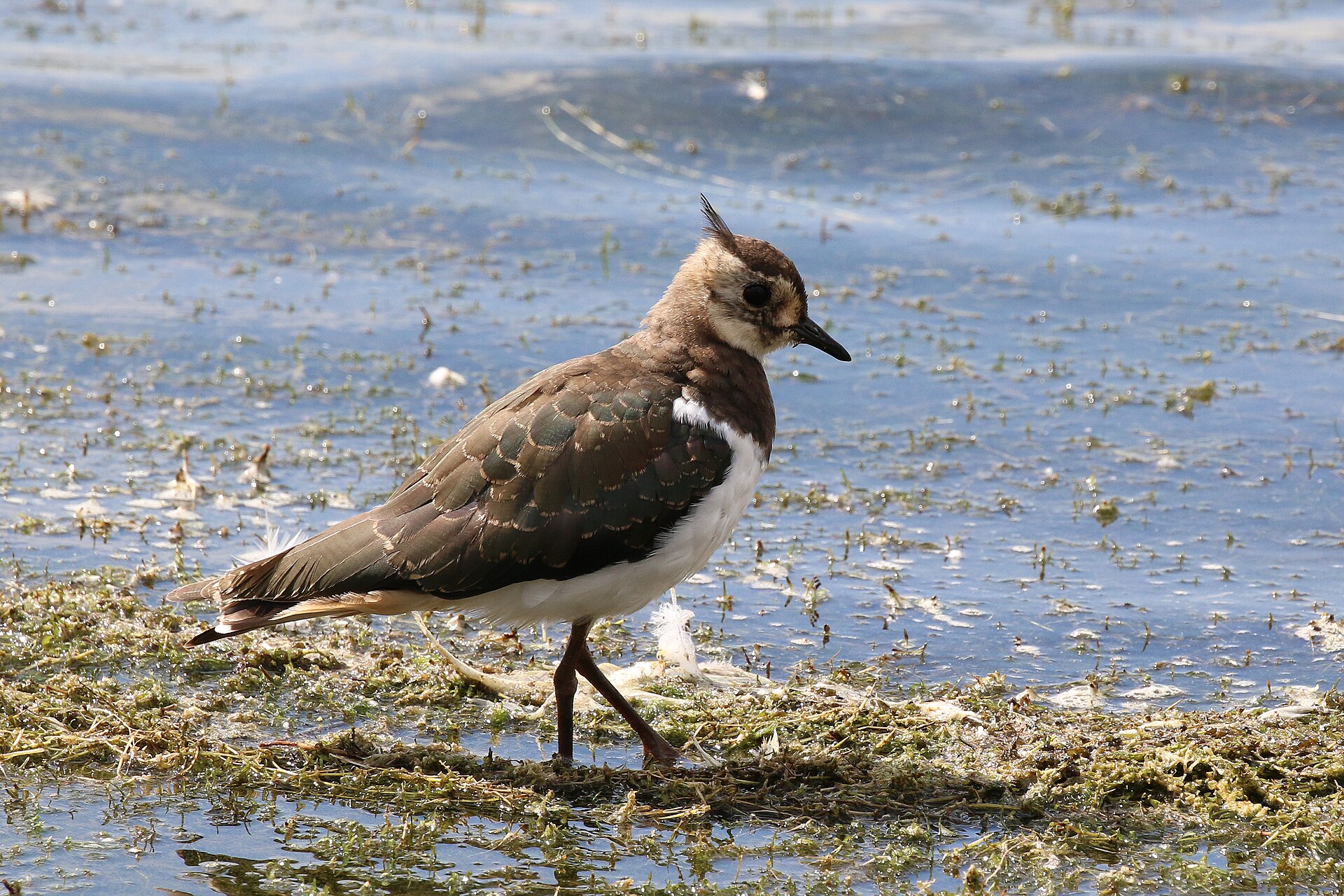
Lapwing and Oystercatcher Nesting Shifted in Opposite Directions With Latitude
Fifty years of UK nest records showed that northern lapwings nested later towards the north while Eurasian oystercatchers…
Read story →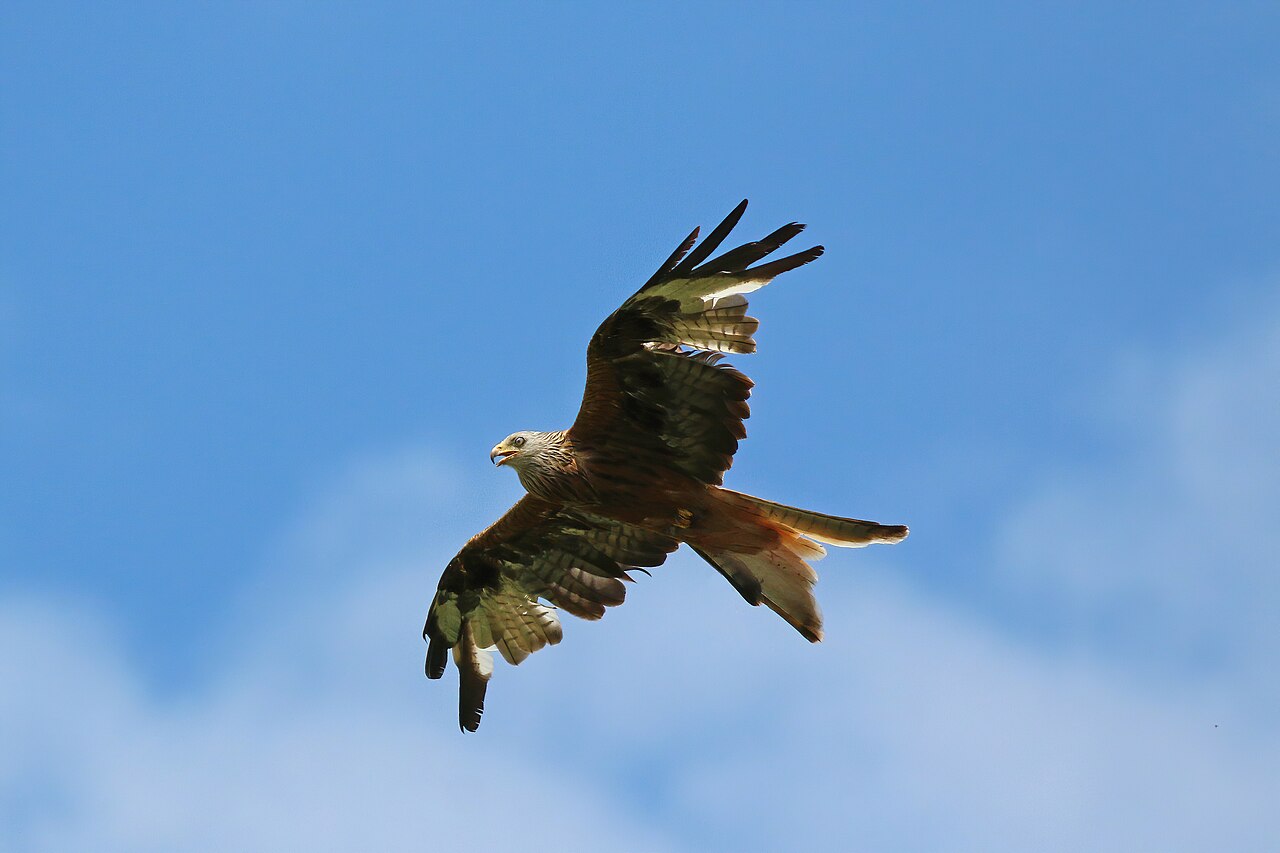
No Red Kite Deaths Were Recorded at a Retrofitted 48-Pylon Power Line Used by Reintroduced Birds
Twenty-one reintroduced red kites generated 802 GPS fixes around a 48-pylon power line retrofitted against electrocution in Jaén,…
Read story →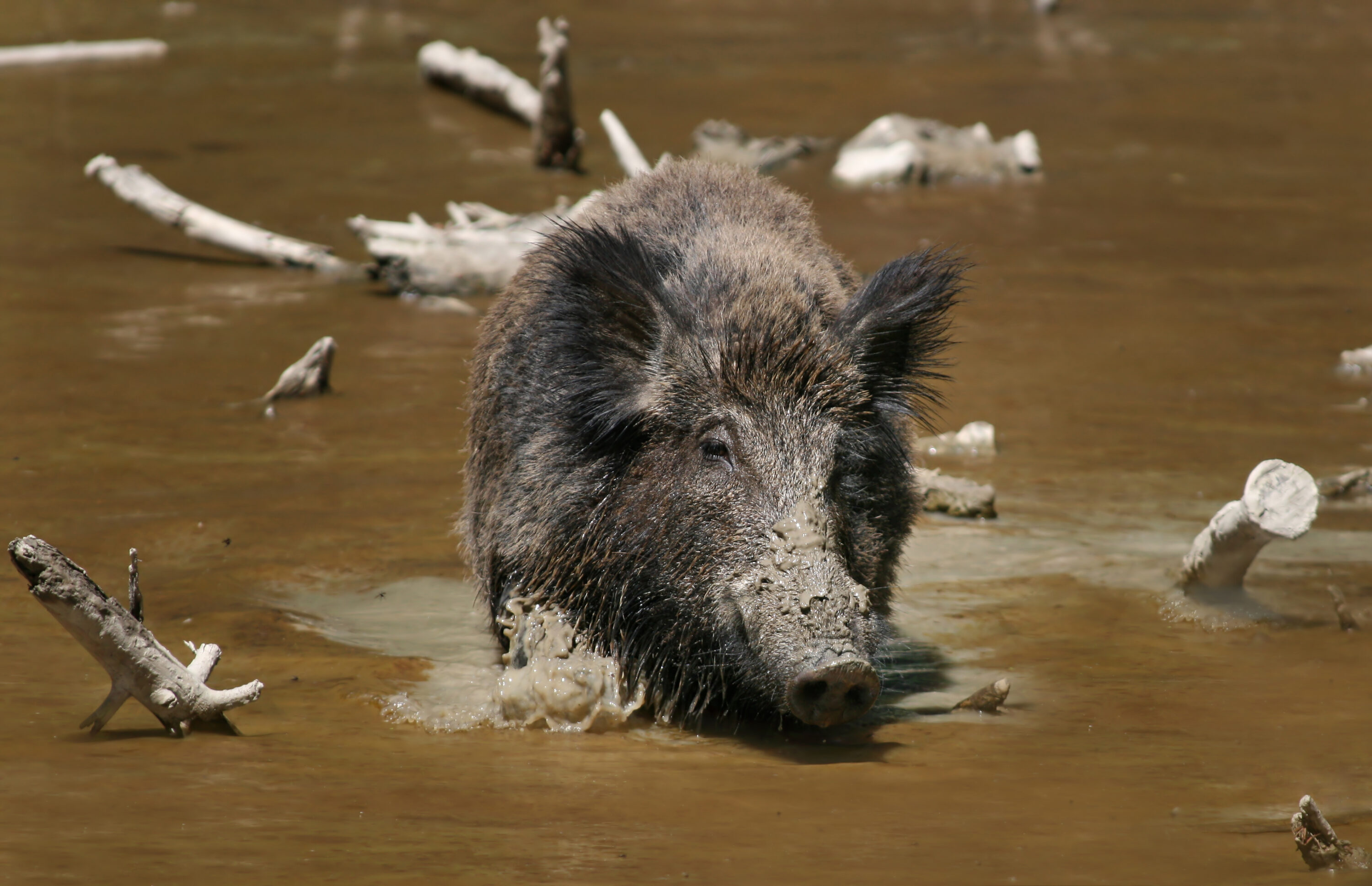
Researchers Recommend More Intensive Wild Boar Culling for Barcelona ASFV Variant
Barcelona’s dense peri-urban wild-boar population and an ASFV variant associated with apparently slower mortality led researchers to recommend…
Read story →SPECIES IN THIS STORY
Species in this story
Independent research and conservation news archive
Did you find this information useful?
Wildlife Vagabond is independently built and maintained. Voluntary support helps cover source verification, hosting and continued work on research and conservation news.
Support Wildlife VagabondThe news archive will remain freely available.