
Larger Grass Snakes Took Larger Prey, While Fish Were Proportionally Larger Than Frogs
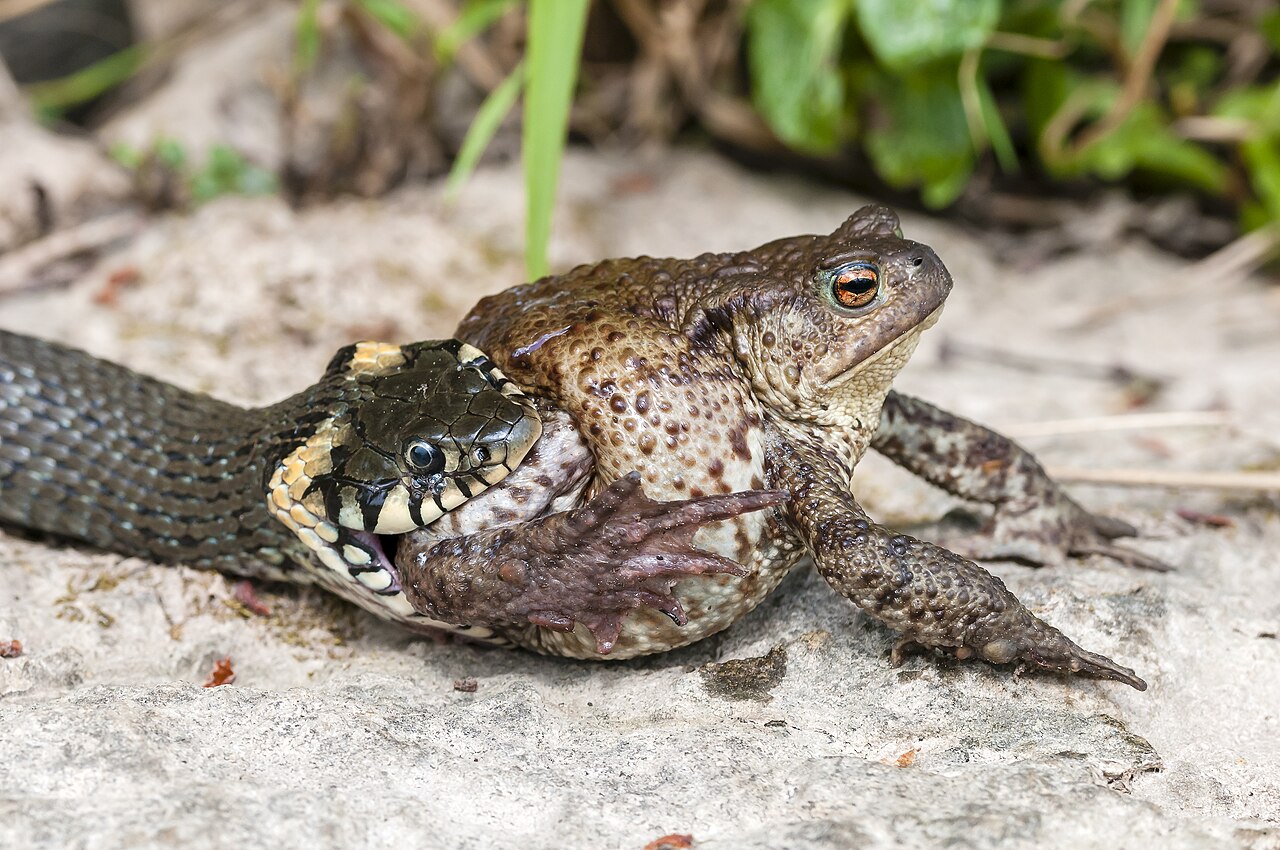
Larger grass snakes (Natrix natrix) contained larger prey in a small historical dataset from Plovdiv, Bulgaria, but the relationship differed between fish and frogs. The study, published in 2026, analysed previously unpublished measurements from snakes collected on 21–28 August 1974.
Forty snakes had originally been examined, but one had an empty stomach and was excluded. Of the 39 snakes with prey, 24 had eaten fish and 15 had eaten frogs. In both groups prey length increased with snake length, showing size-dependent scaling between predator and prey. The relationship was much tighter for frogs: snake length explained considerably more of the variation in frog size than in fish size.
Fish were proportionally larger prey than frogs
The researchers also calculated relative prey size by dividing prey length by snake length. This asks not simply whether a large snake ate a long prey item, but how large that prey was in relation to the predator. By this measure, fish were proportionally larger prey than frogs.
The two findings therefore describe different aspects of the same feeding pattern. Frog size tracked snake size more closely, whereas fish tended to occupy a larger fraction of the snake’s body length. The author interprets this as evidence that prey type changes the size constraints on feeding.
One possible explanation is that fish body shape, swimming ability and capture in water loosen the relationship between predator length and prey length, while robust amphibian bodies may impose different swallowing constraints. These mechanisms were not measured directly in the 39 snakes, so they remain interpretations of the observed size relationships rather than tested causes.
Ecology
Related news
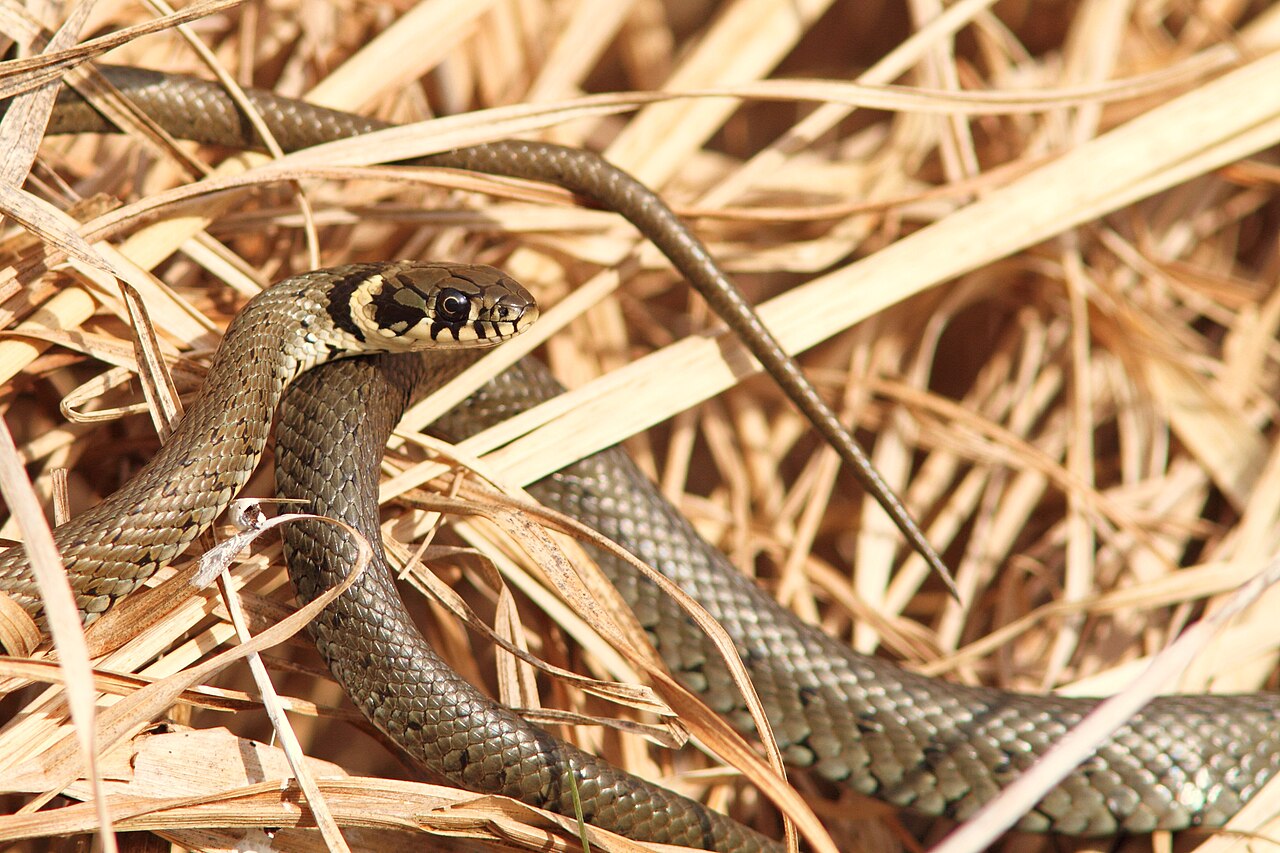
Coiled Grass Snake Models Had Higher Estimated Daily Survival on a Gravel Road
In a Hungarian experiment with 240 plasticine grass snake models, coiled postures had higher estimated daily survival on…
Read story →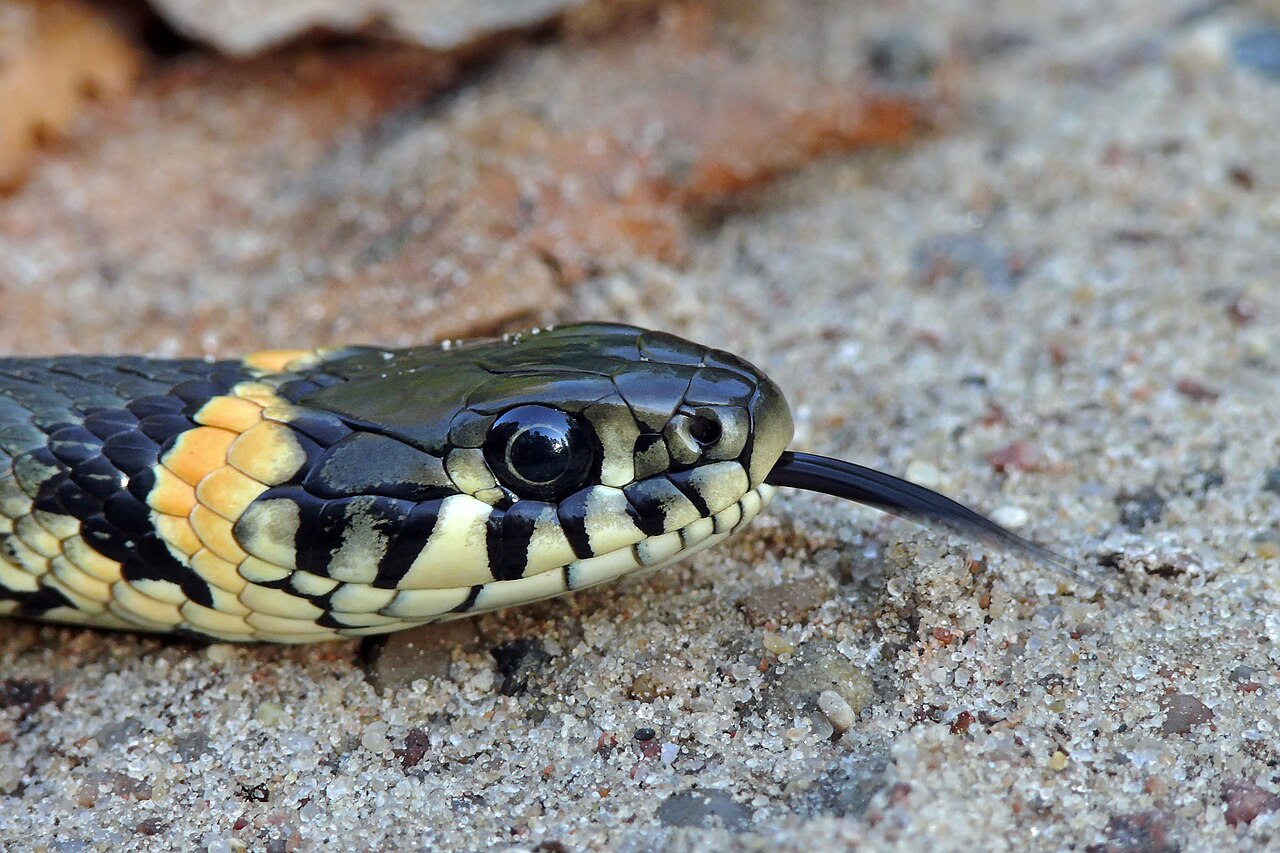
Introduced Grass Snake Ancestry Has Mixed Into Native Berlin Populations
Genetic analyses of Berlin grass snakes found introduced Natrix natrix moreotica ancestry mixed into the native subspecies, while…
Read story →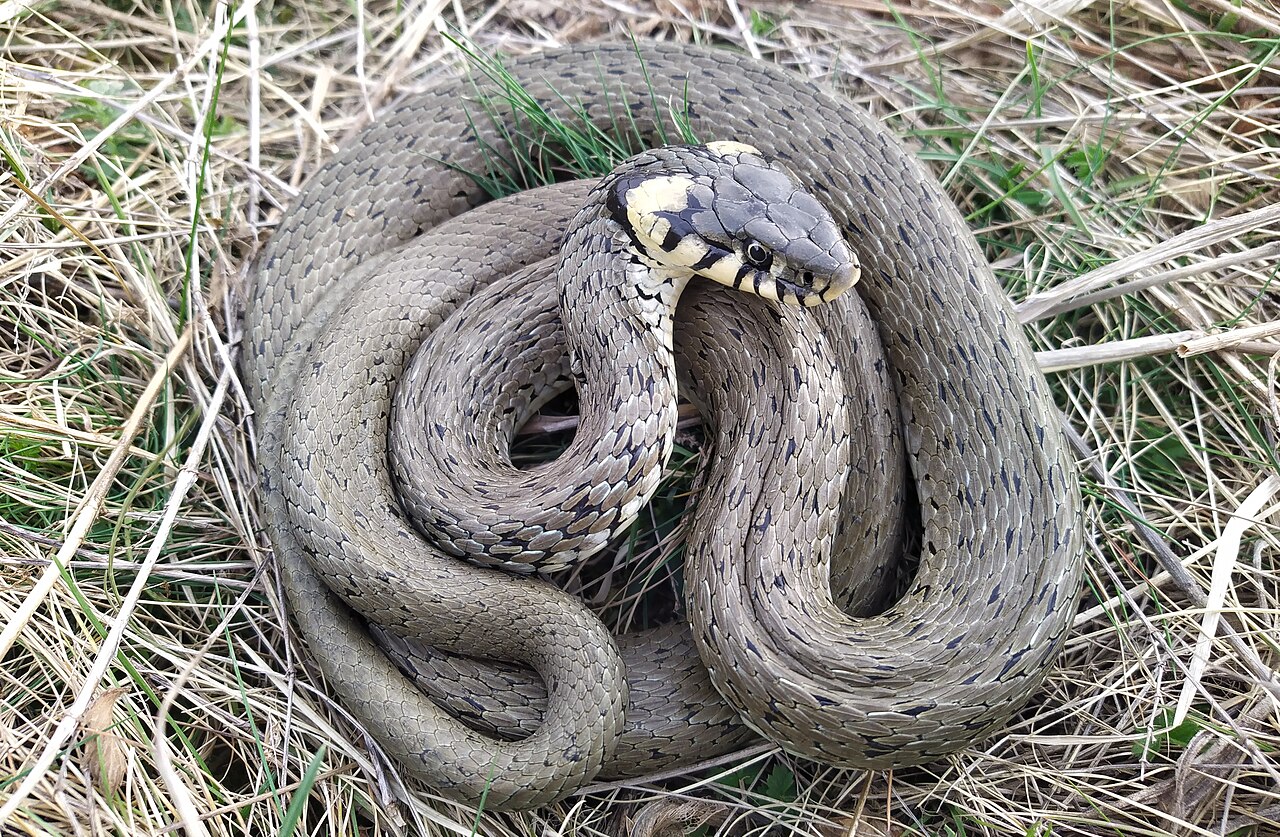
Grass Snakes in Bulgaria Were Recorded Eating at Least 11 Amphibian Species
A 2026 review and field update from Bulgaria compiled published diet records and 17 new observations, showing grass…
Read story →SPECIES IN THIS STORY
Species in this story
Independent research and conservation news archive
Did you find this information useful?
Wildlife Vagabond is independently built and maintained. Voluntary support helps cover source verification, hosting and continued work on research and conservation news.
Support Wildlife VagabondThe news archive will remain freely available.