
Larger Great Tit Broods Were Linked to Lighter Chicks Across 58 Years
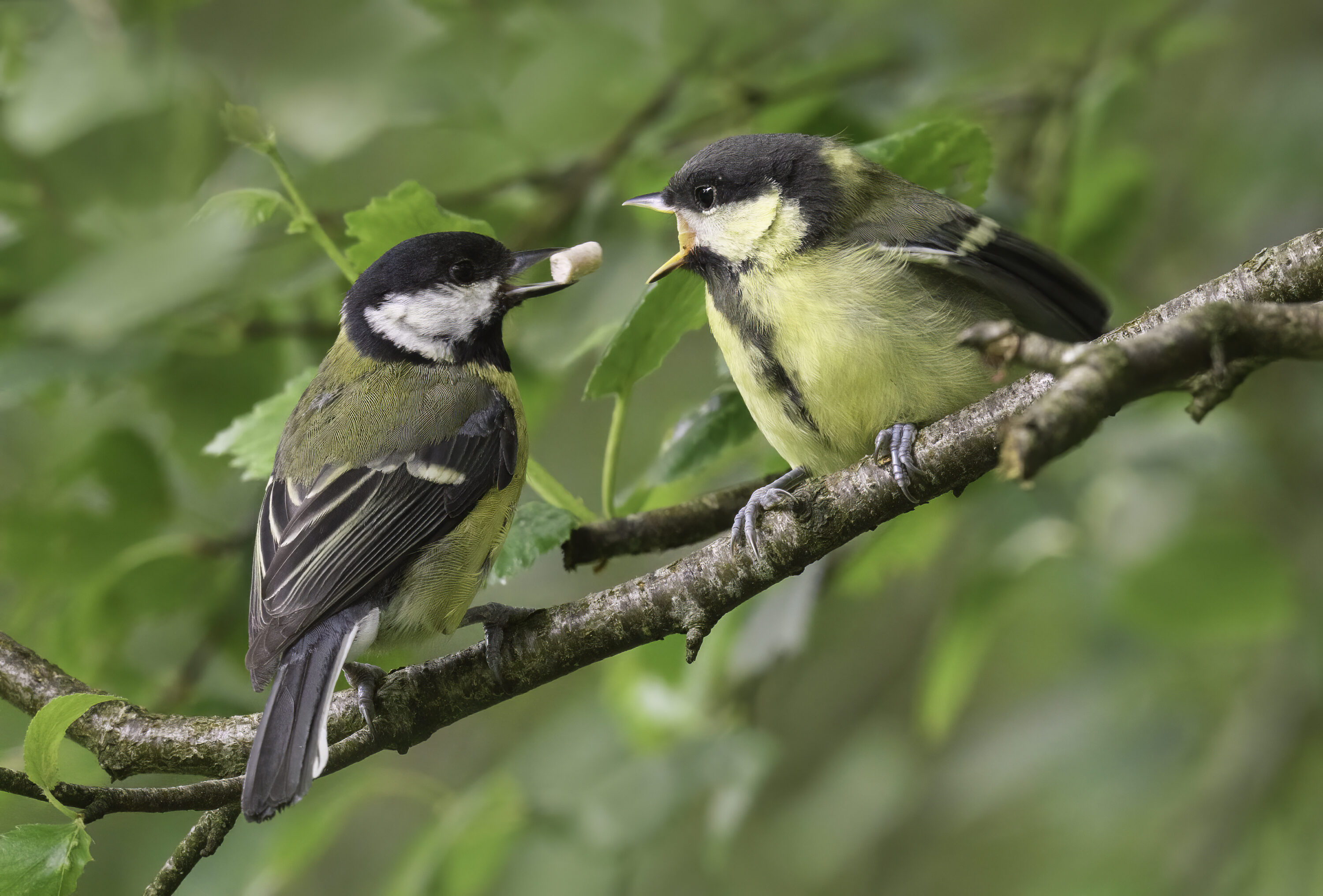
Larger great tit broods were consistently associated with lighter chicks in a 58-year study, while the relationship between chick mass and later recruitment changed with particular environmental conditions rather than following one simple gradient from favourable to harsh years. The study, published in the Journal of Evolutionary Biology on 19 February 2026, tested whether environmental conditions alter reproductive trade-offs in a wild bird population.
Parents have limited time and energy. When they raise many young at once, the available food and care must be divided among more mouths. This can create a trade-off between offspring quantity and quality: a larger brood may contain more chicks, but each chick may grow less. Ecologists expect the strength of such trade-offs to vary with food, weather and competition, yet long-term evidence from wild animals remains limited.
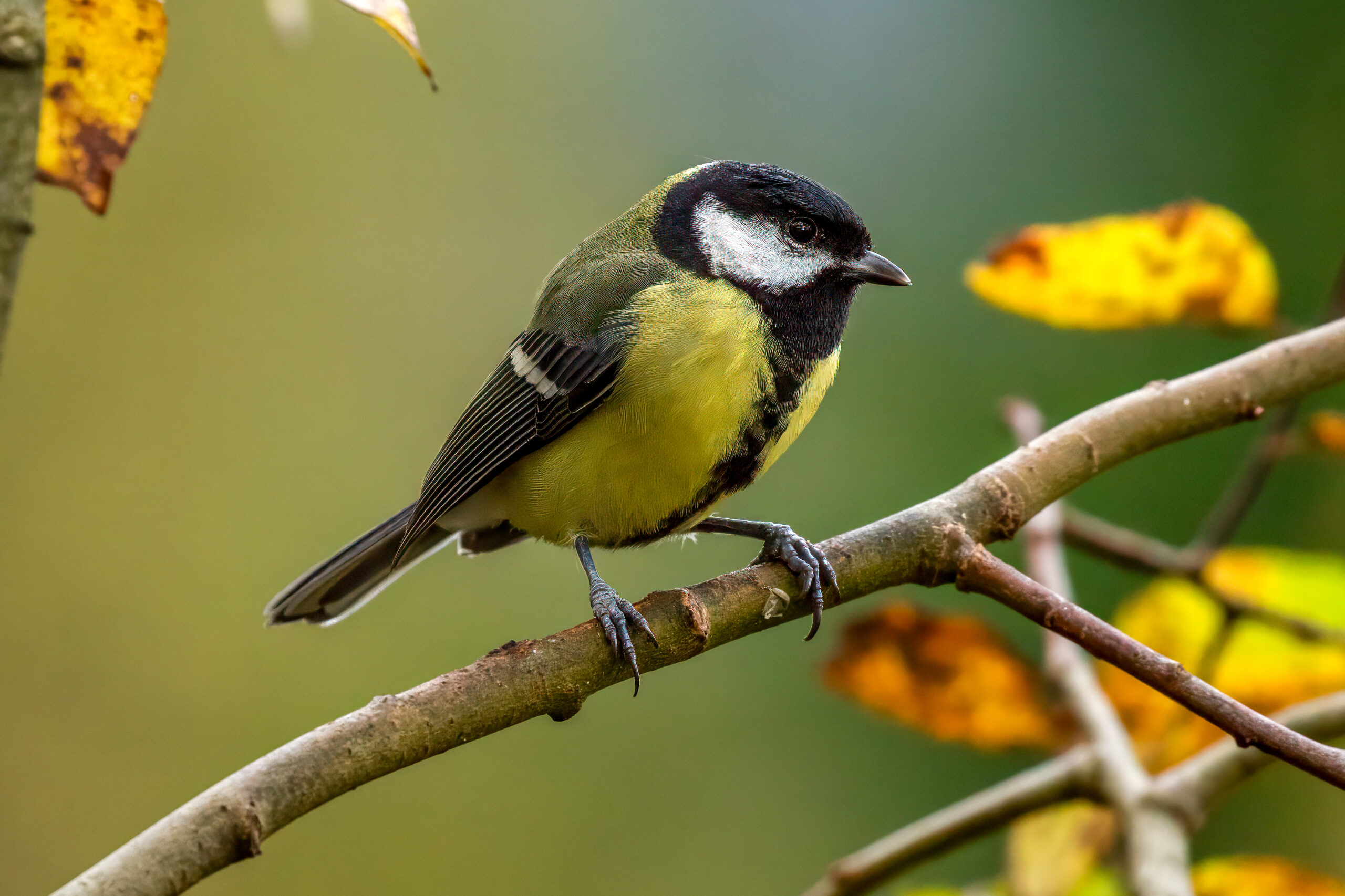
Louis Bliard and colleagues analysed great tit (Parus major) breeding records collected at Wytham Woods in England from 1961 to 2018. The final dataset included 7,287 broods produced by 5,032 females and a total of 53,753 offspring. Chicks were counted and weighed when they were 14 days old. The researchers also recorded how many young from each brood were later found breeding in the study population.
The analysis considered five aspects of the environment: spring temperature, spring rainfall, breeding population density, the annual abundance of beech seeds and the match between breeding and the seasonal peak of winter moth caterpillars. These conditions can influence how much food is available and how intensely birds compete for resources.
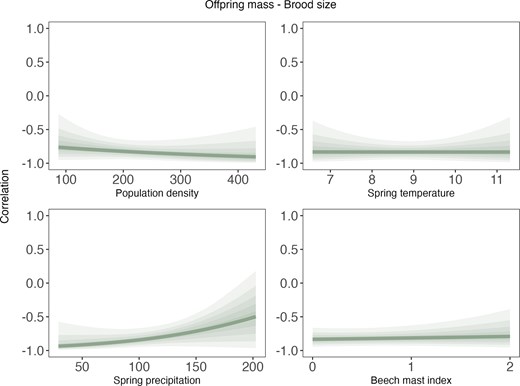
Larger broods were consistently linked to lighter chicks
Across this wide range of conditions, larger broods were linked to lower average chick mass. The negative relationship became only slightly weaker under favourable conditions, and the estimated environmental changes were generally small or uncertain. In other words, warm weather, rainfall, lower density or a better food season did not remove the basic association between raising more chicks and producing lighter young.
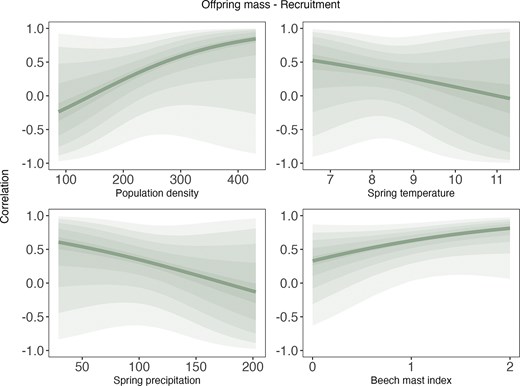
The recruitment advantage of heavier chicks depended on the type of environmental pressure
The relationship between offspring mass and later recruitment was much more dependent on the environment. Females producing heavier chicks tended to have higher later recruitment at high population density and in cooler or drier springs. At lower density and during warmer or wetter springs, the correlation became small and could not be clearly distinguished from zero.
Beech mast did not follow that simple favourable-versus-harsh pattern. The researchers had expected the advantage of heavier offspring to strengthen when beech mast was low, but instead the mass–recruitment correlation became indistinguishable from zero in low-mast years. The study therefore supports context dependence, but not a single rule that heavier chicks always gain the greatest advantage whenever conditions are harsher.
Brood size itself did not clearly predict later recruitment
The researchers did not find a clear general relationship between brood size and the number of offspring that later recruited. Estimates were centred near zero and carried substantial uncertainty. Recruitment also measures return to the local breeding population, so young birds that survived but dispersed elsewhere would not have been counted as recruits.
Reproduction & development
Related news
Therthangal Spoonbill Colony Returned to 12 Active Nests After Complete Breeding Failure
Six breeding seasons at Therthangal Bird Sanctuary in Tamil Nadu ranged from 12 active Eurasian Spoonbill nests in…
Read story →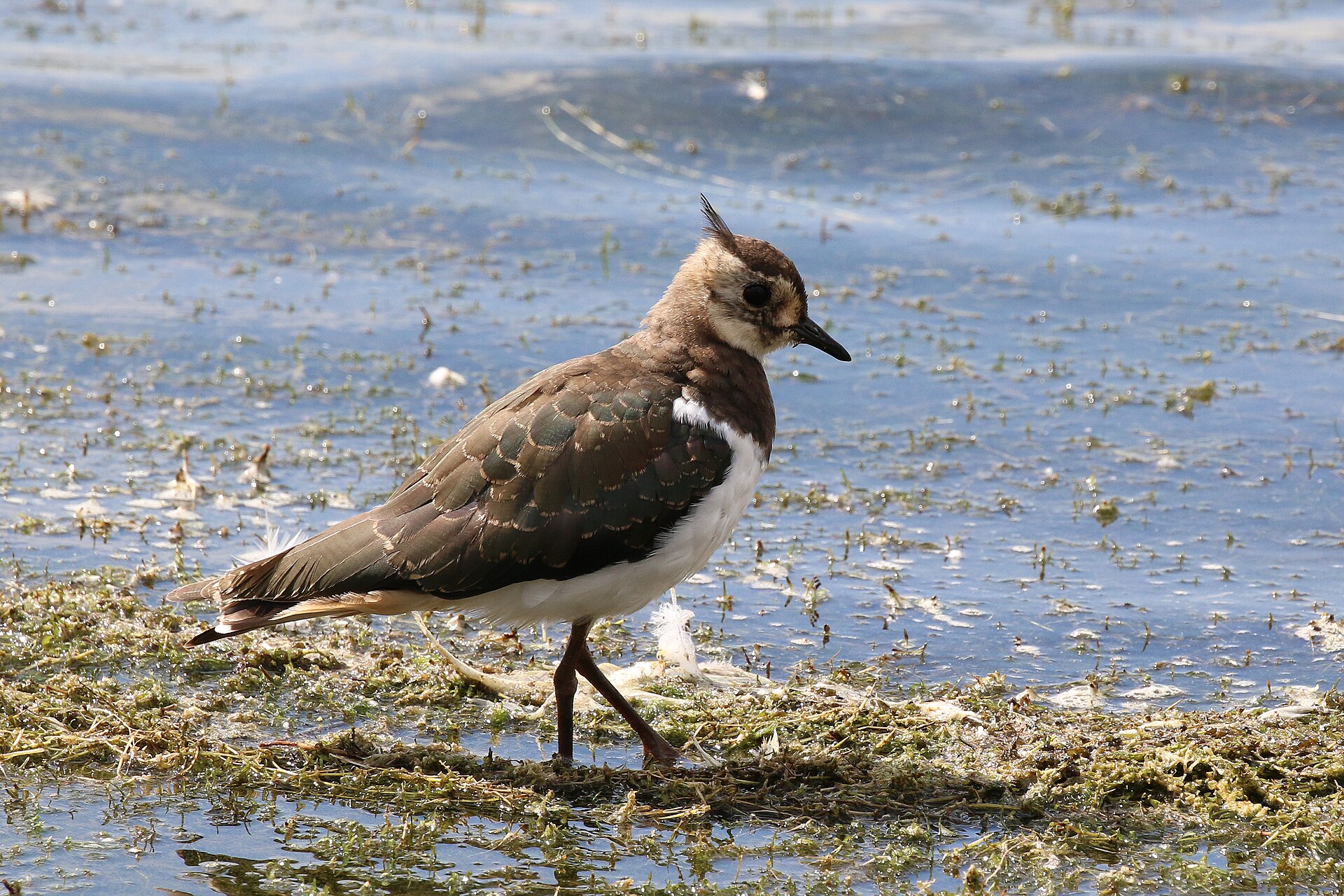
Lapwing and Oystercatcher Nesting Shifted in Opposite Directions With Latitude
Fifty years of UK nest records showed that northern lapwings nested later towards the north while Eurasian oystercatchers…
Read story →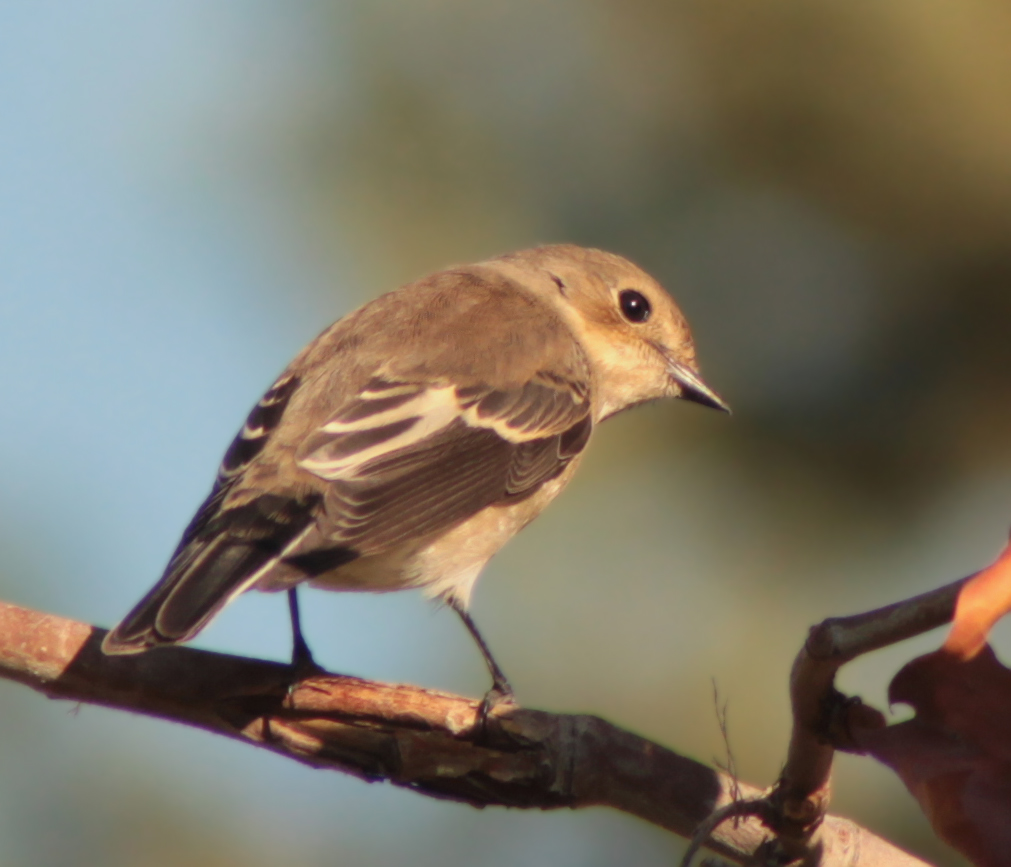
Late Spring Frost Was Linked to About 4% Smaller Pied Flycatcher Eggs
After a severe April frost damaged emerging oak foliage at Valsaín in central Spain, Pied Flycatchers laid eggs…
Read story →SPECIES IN THIS STORY
Species in this story
Independent research and conservation news archive
Did you find this information useful?
Wildlife Vagabond is independently built and maintained. Voluntary support helps cover source verification, hosting and continued work on research and conservation news.
Support Wildlife VagabondThe news archive will remain freely available.