
Legume Plots and Low-Input Cereal Strips Had at Least Five Times More Skylark Sightings
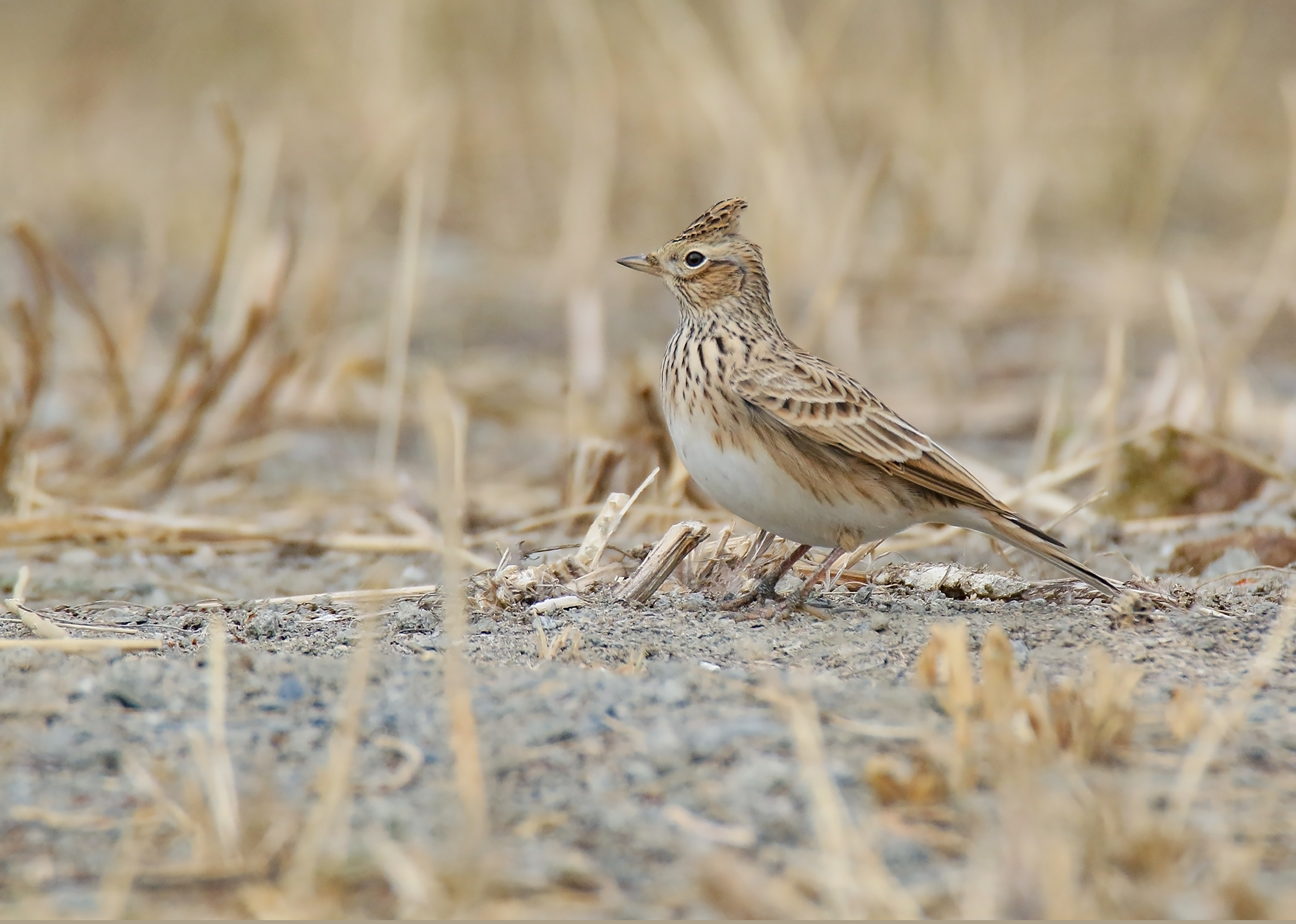
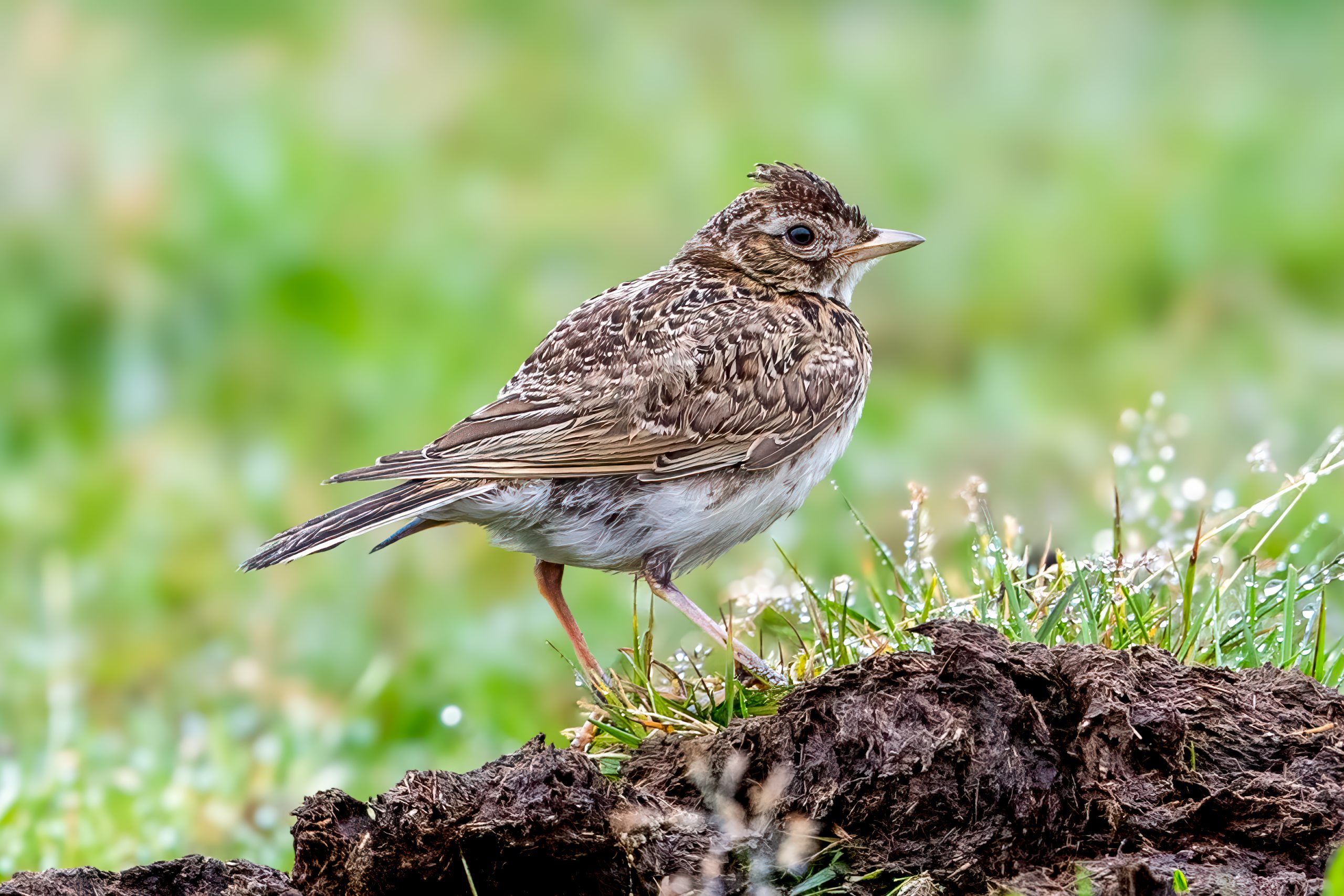
On nine intensively managed commercial farms across Germany, Eurasian skylarks (Alauda arvensis) used some agri-environmental measures far more than the surrounding control crops. The study, published online on 28 July 2026 in the Journal for Nature Conservation, compared ten measures using seven years of systematic bird monitoring.
The clearest differences were found for two measures placed within cropped fields. Legume plots, typically 40 × 40 metre plots sown with peas in winter cereals, and low-input cereal strips in maize both had at least five times more skylark sightings than their controls. Annual fallows and one-hectare farmland bird plots had three to four times more sightings. Flower-based measures produced smaller gains of less than twofold, while some measures showed no positive effect.
The researchers excluded birds merely flying over the fields and analysed sightings as a direct measure of habitat use rather than as estimates of breeding-pair numbers. Of the ten measures tested, the analysis supported greater use of seven than of their respective reference crops. Wide-row cereals and maize–bean intercropping did not differ from controls, while flowering headlands were used less.
Distance from woodland also mattered. The authors recommend placing skylark measures at least 100 metres, and preferably 200 metres, from wooded areas to reduce the species’ avoidance of edges. They conclude that legume plots, low-input cereal strips in maize, fallows and farmland bird plots provide the strongest support among the tested measures under real farm conditions. The study did not determine what share of farmland must be covered by such measures to produce a population increase, which the authors identify as an important question for further work.
Management
Related news
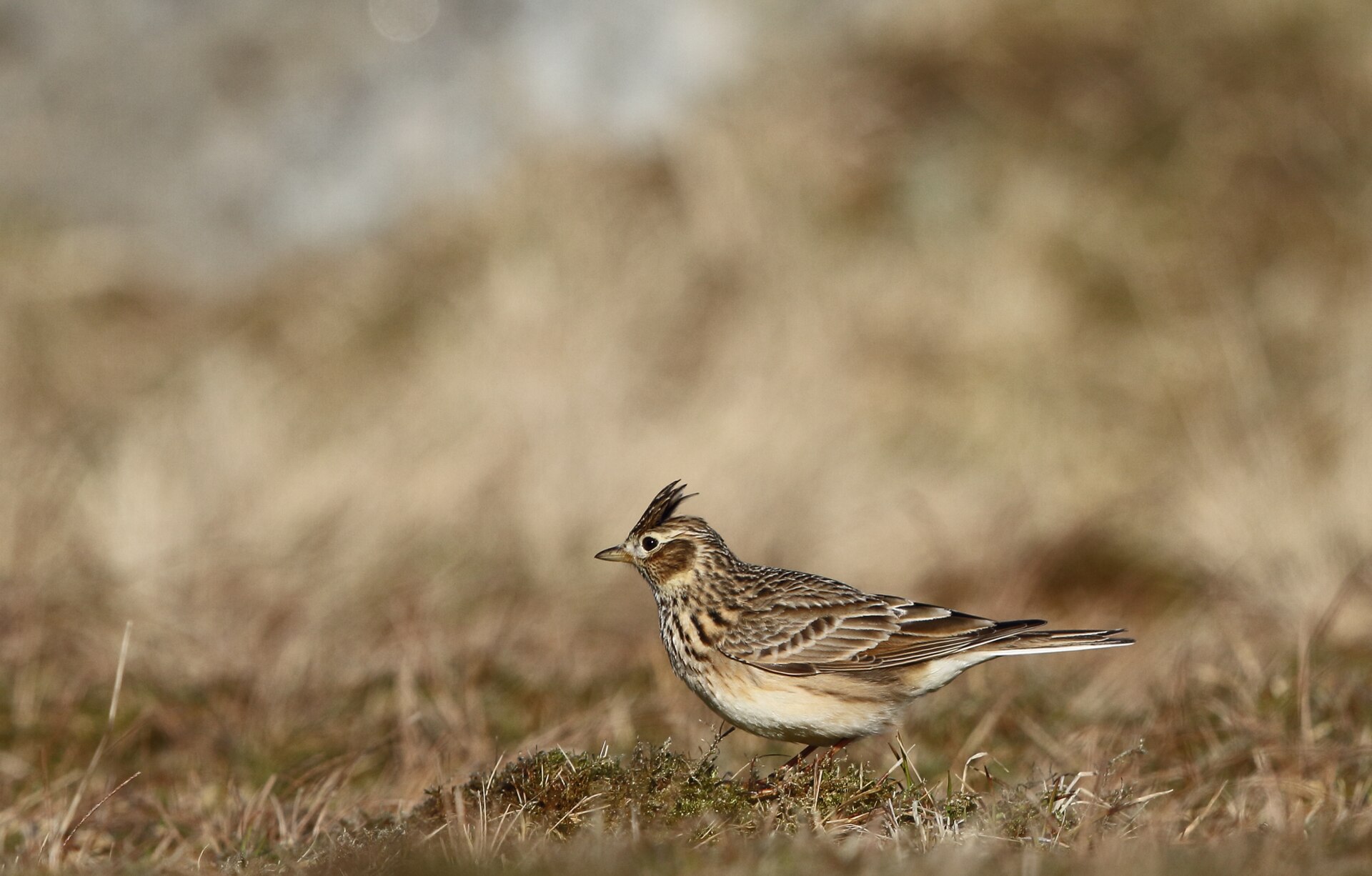
Satellite Data Found Bird-Rich Areas More Reliably Than Individual Species in Central Norway
Long-term counts from 89 routes in Trøndelag and Møre og Romsdal showed that satellite and climate data captured…
Read story →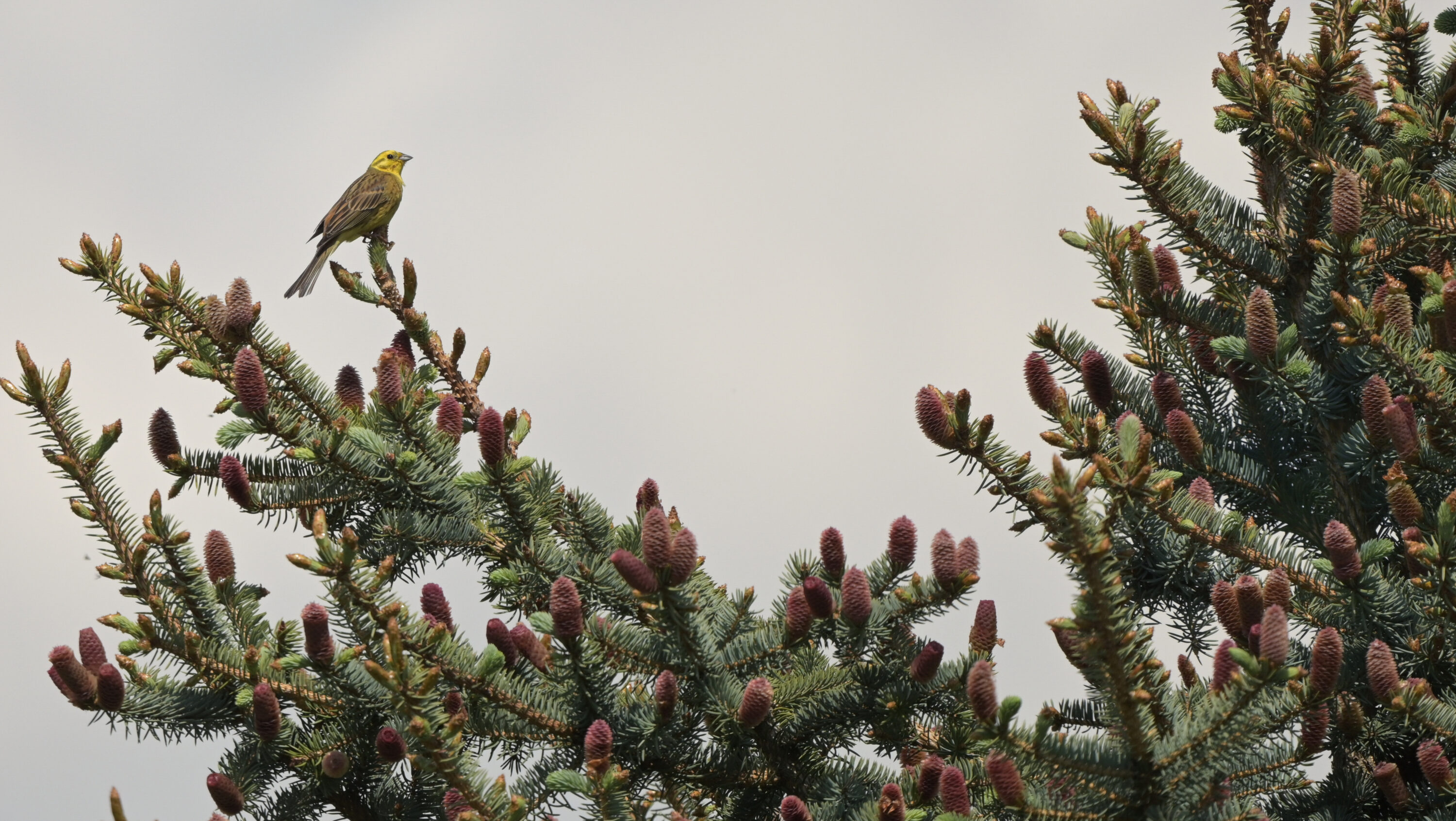
Diversified Crop Patches Had More Bird Observations Than Conventional Fields in Germany
A three-year study in Brandenburg recorded 20.0 bird observations per hectare in a diversified patch-cropping field, compared with…
Read story →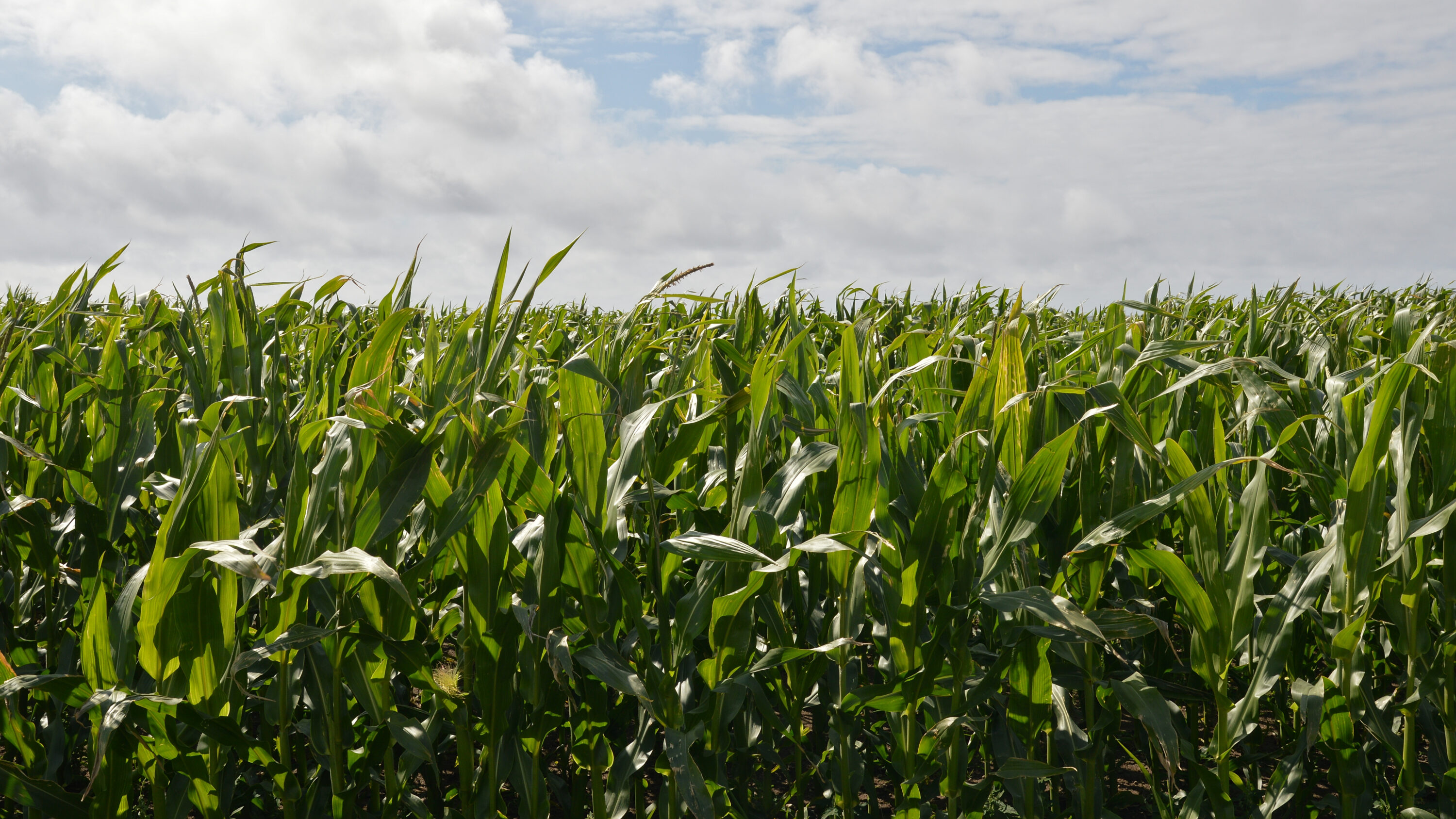
Polish Maize Fields Had Fewer Breeding Bird Species and Lower Bird Density
Across 122 plots in Poland, maize fields had fewer breeding bird species and lower bird density than mosaics…
Read story →SPECIES IN THIS STORY
Species in this story
Independent research and conservation news archive
Did you find this information useful?
Wildlife Vagabond is independently built and maintained. Voluntary support helps cover source verification, hosting and continued work on research and conservation news.
Support Wildlife VagabondThe news archive will remain freely available.