
Leucistic White-faced Whistling-Duck Documented in Madagascar
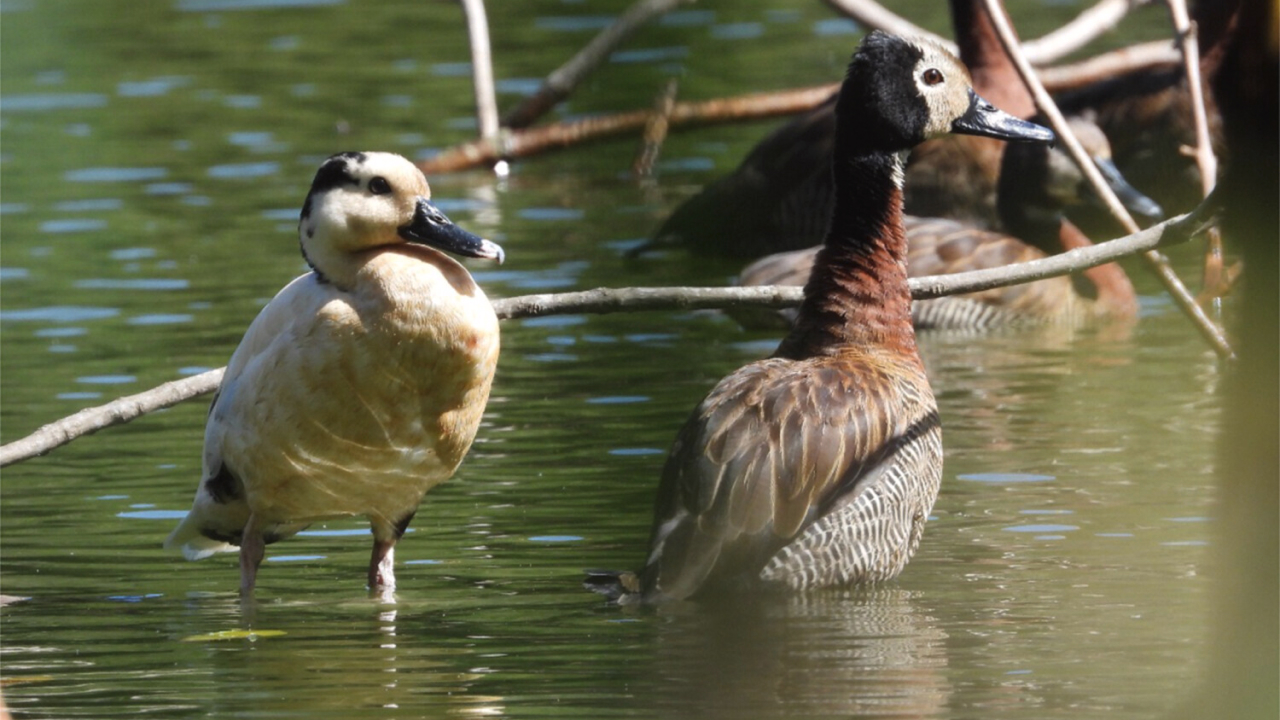
A free-ranging white-faced whistling-duck (Dendrocygna viduata) with extensive white plumage has provided Madagascar’s first peer-reviewed scientific record of leucism in the species. The adult was observed in a group of five white-faced whistling-ducks on the waterbody at Tsimbazaza Botanical and Zoological Park in Antananarivo.
White plumage but dark eyes distinguished leucism
Leucism is a pigmentation anomaly in which feathers lose some or all of their normal colour because melanin is absent locally. It differs from albinism because the eyes are not necessarily affected. In the Tsimbazaza bird, the eyes remained dark.
The bird had completely white feathers across the back, scapulars and most of the wings, as well as unusually white legs. White extended farther down the neck than in normally coloured birds, and the tip of the bill was also pale. The researchers classified the pattern as “brown leucism”, in which phaeomelanin — the pigment that contributes reddish-brown and yellow-brown tones — is lost while darker brown and black eumelanin is retained.
Behaviour appeared normal during the two-hour observation
During two hours of observation, the leucistic duck swam, fed at the surface and rested on the bank. It moved freely, showed no signs of being tame or captive, and displayed no motor or behavioural abnormalities. It also appeared fully integrated with the other ducks and was not visibly rejected by the group. Leucism can potentially affect camouflage, species recognition or sexual selection, but no such social or behavioural effect was apparent during this short observation.
Similar birds raise a genetic hypothesis
Leucism can arise through several mechanisms, including genetic mutations, inbreeding, environmental stress or disruption of pigment metabolism. The study did not establish the cause in this individual. The authors nevertheless noted that similarly patterned white-faced whistling-ducks have been reported informally elsewhere in Madagascar, including two birds at nearby Alarobia Lake in 2019 and at least five photographic records on iNaturalist.
The consistency of these patterns led the researchers to suggest that a recurring mutation or heritable allele may occur in Madagascar’s population, rather than every observation representing an unrelated developmental accident. They stress that regular monitoring and inventories, including in urban wetlands, are needed to determine how often the anomaly occurs and whether it has ecological consequences.
Anatomy & morphology
Related news
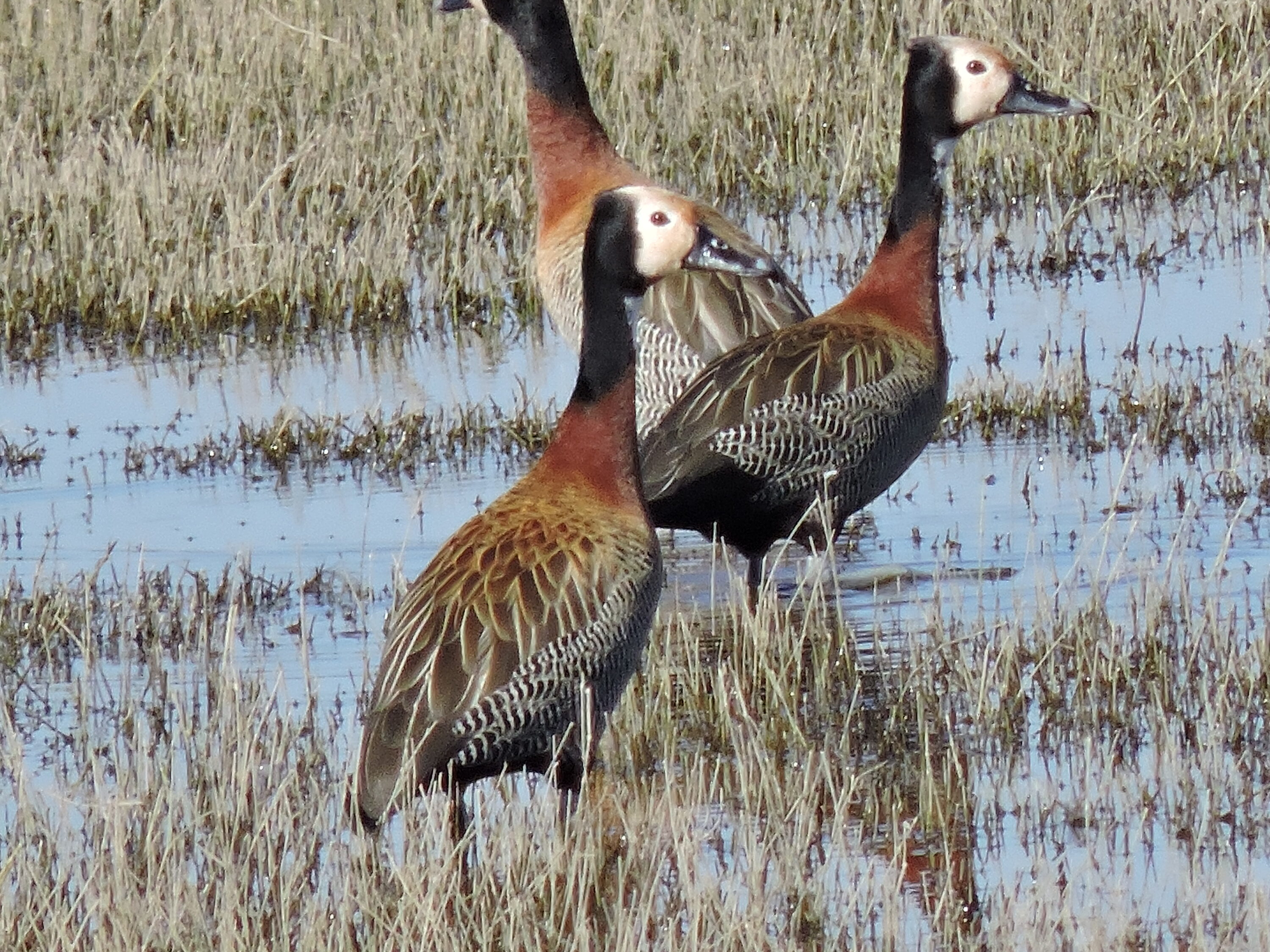
Seven Wild White-faced × Fulvous Whistling-Duck Hybrids Documented in Brazil and Argentina
A 2026 short communication assembled seven wild apparent White-faced × Fulvous Whistling-Duck hybrid records from Brazil and Argentina.…
Read story →
White-faced Whistling-Duck Counts Through 2018 Never Regained Lake Manyame’s 1980s Peaks
Counts from Lake Manyame show thousands of white-faced whistling-ducks in 1987–1988, while no later count through 2018 came…
Read story →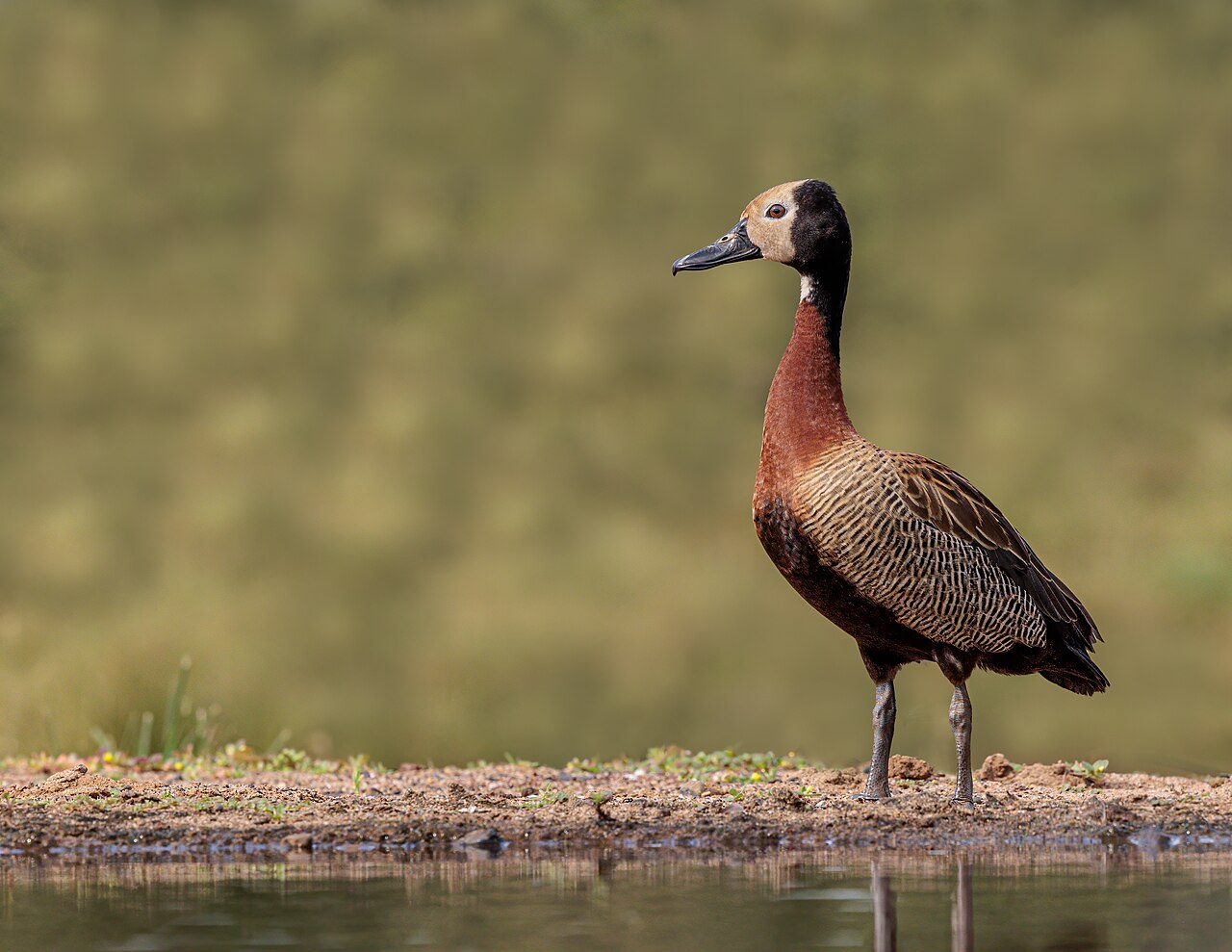
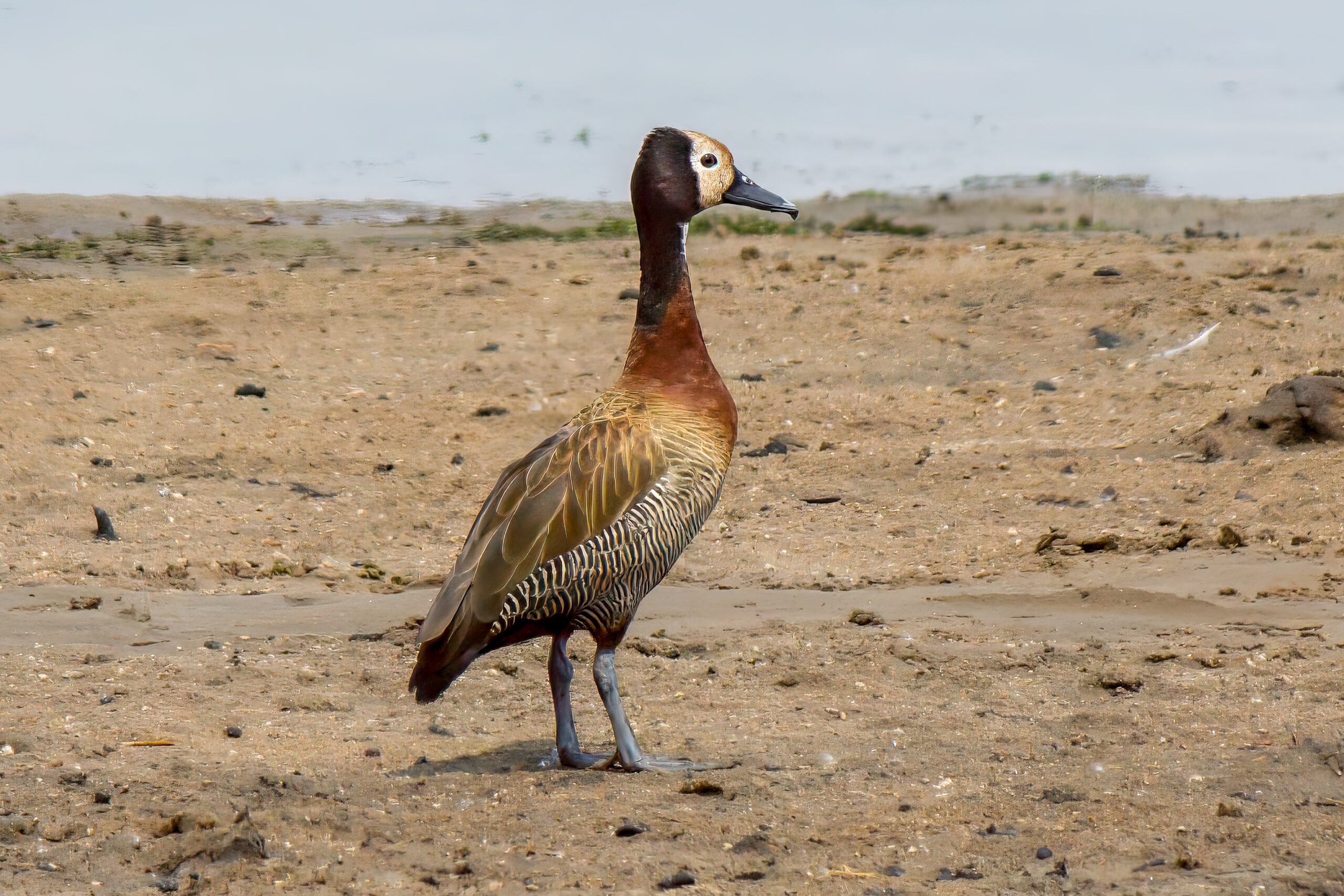
Urban Wetland Damage Threatens White-Faced Whistling-Duck Habitat in Harare
A June 2026 short communication revisited a 2007 nesting record in Vainona, Harare, and described pollution, rubbish and…
Read story →SPECIES IN THIS STORY
Species in this story
Independent research and conservation news archive
Did you find this information useful?
Wildlife Vagabond is independently built and maintained. Voluntary support helps cover source verification, hosting and continued work on research and conservation news.
Support Wildlife VagabondThe news archive will remain freely available.