
Lichen Decline Was Weaker on Winter Reindeer Pastures in Northern Finland
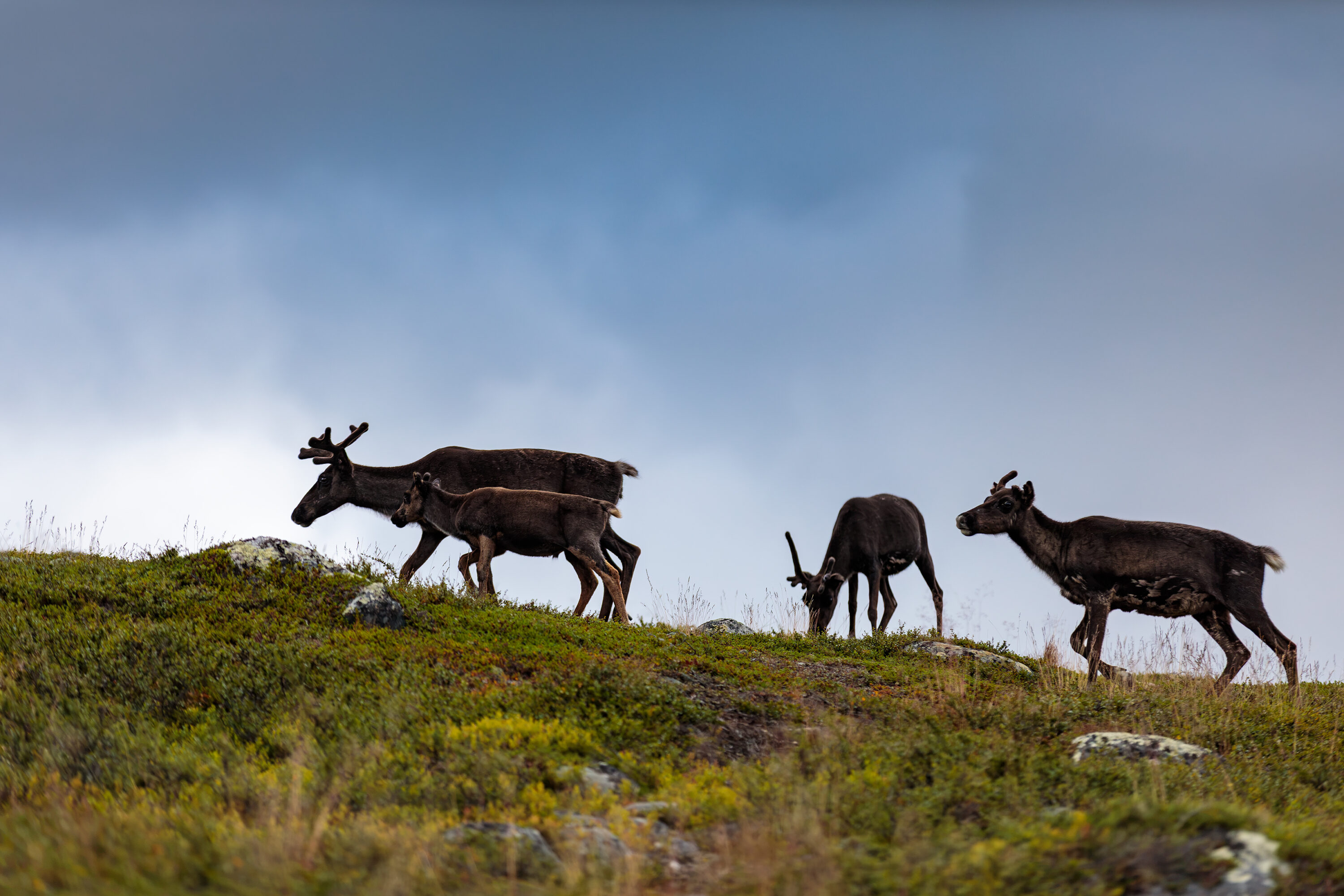
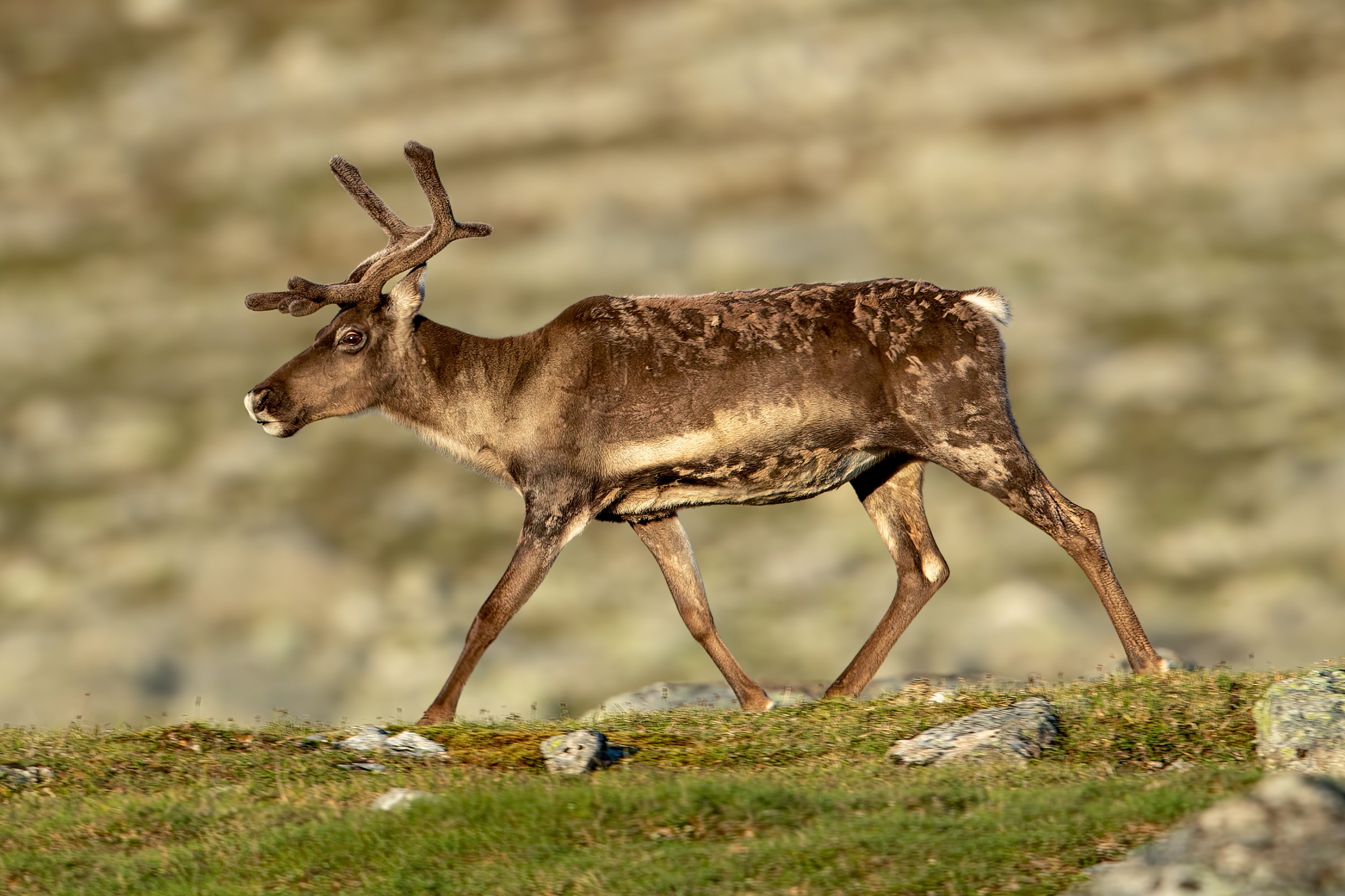
Lichen cover declined less on winter ranges used by reindeer (Rangifer tarandus) than on summer and year-round ranges in northern Finland, according to a study published in March 2026. The study concerned semi-domestic reindeer grazing freely on natural pastures in the 20 northernmost reindeer-herding districts.
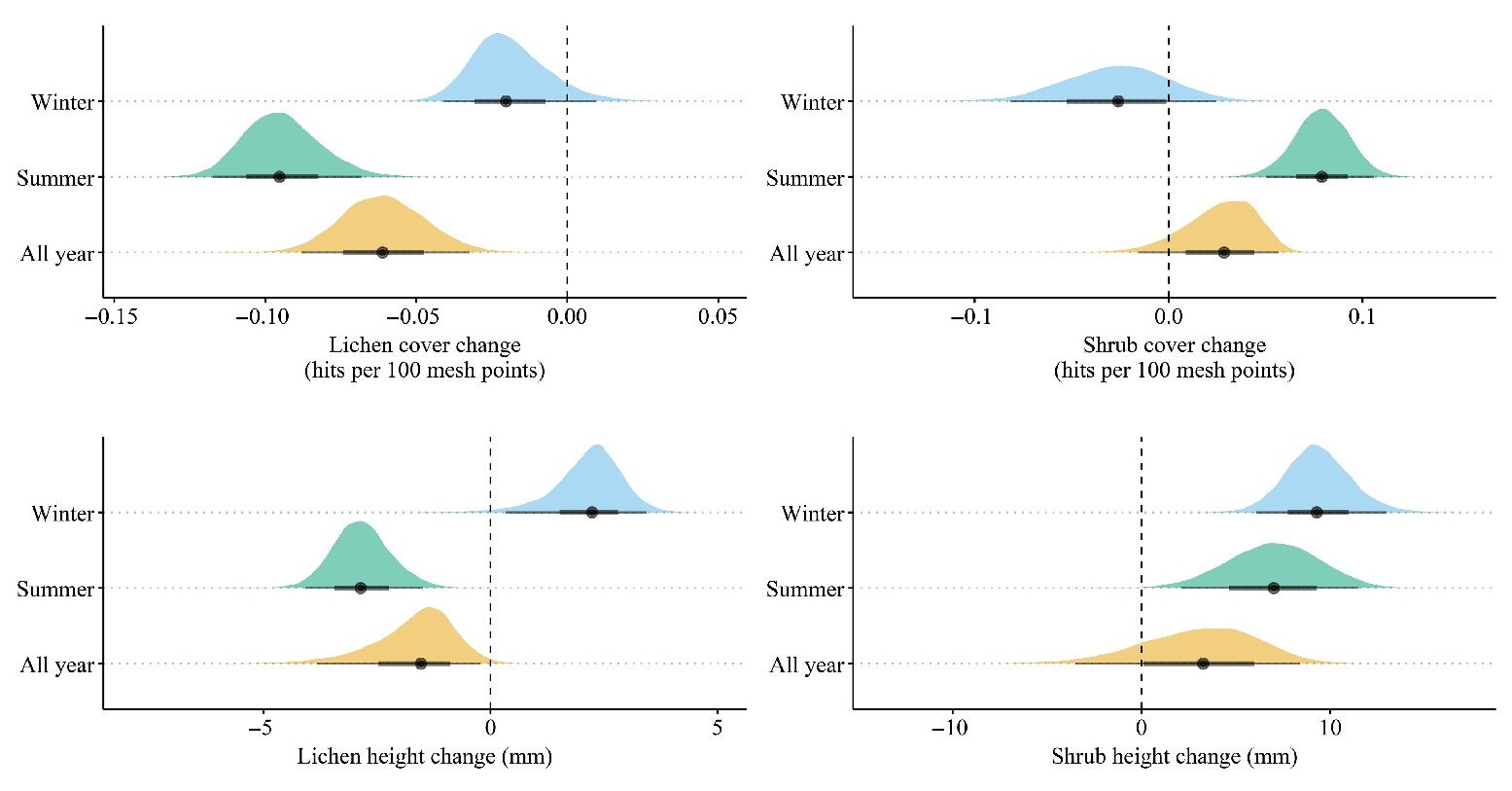
Researchers compared vegetation at 617 field sites surveyed in 2005–2008 and again in 2016–2018. Dwarf-shrub cover and height increased overall, while lichen cover declined. Their models also indicated different changes in lichen height: an increase on winter ranges, but a decrease on summer and year-round ranges.
Higher reindeer density was linked to stronger lichen decline
Higher reindeer densities were associated with more negative changes in lichen cover and height on both summer and winter ranges, but not on year-round ranges. The models indicated increasing shrub cover on summer and year-round ranges, while the expected change on winter ranges was close to zero or slightly negative. Higher reindeer density was also associated with a smaller increase in shrub height on winter ranges.
Plant interactions also shaped lichen change
Plant interactions also mattered. Lichen cover declined more where dwarf-shrub cover increased, but lichen height tended to increase where shrubs grew taller. The authors interpret this as a dual relationship: shrubs can compete with lichens for space and light, while taller vegetation may also create a more favourable microclimate or partly shelter lichens from grazing. They also note that snow cover can buffer lichens from trampling on winter ranges, whereas exposed lichens can be more vulnerable during dry summer conditions.
The authors argue that seasonal rotation between summer and winter ranges may become increasingly important for maintaining lichen pastures as the climate warms.
Ecology
Related news
Inuit harvesters help detect an emerging parasitic disease in Arctic caribou
Near Kugluktuk in Nunavut, Inuit harvesters reported unusual tissue changes in caribou. Tests found DNA from two parasitic…
Read story →
Video Collars Showed GPS Methods Were Only About 70% Accurate at Detecting Caribou Calving
Video collars from 160 adult females in the Porcupine and Western Arctic herds showed that two GPS movement…
Read story →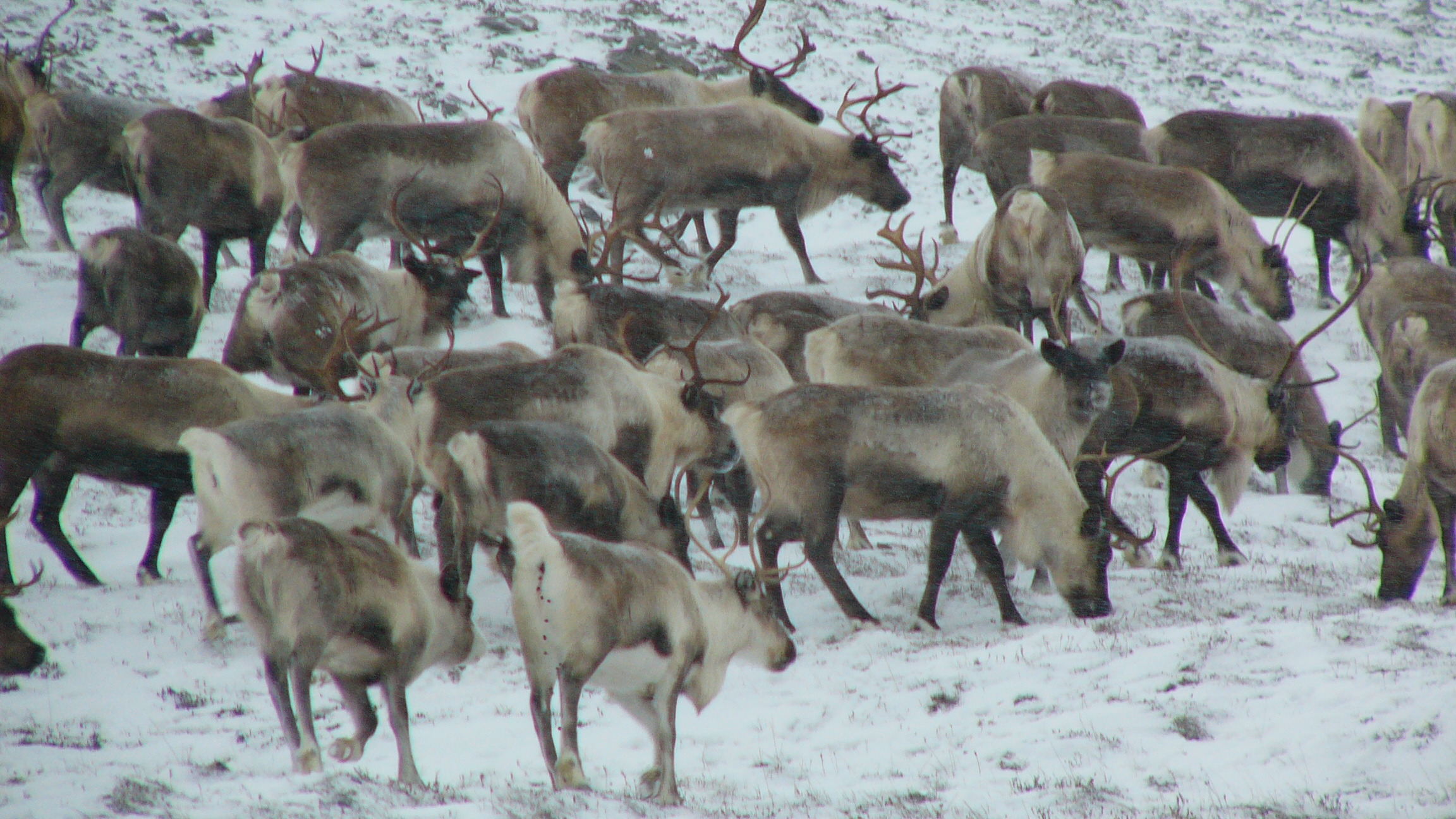
Reindeer and Caribou Showed Broad Genetic Differences Across Russia, Alaska and Canada
Microsatellite data from 1,544 reindeer and caribou in 42 populations showed broad genetic differentiation among Russia, Alaska and…
Read story →SPECIES IN THIS STORY
Species in this story
Independent research and conservation news archive
Did you find this information useful?
Wildlife Vagabond is independently built and maintained. Voluntary support helps cover source verification, hosting and continued work on research and conservation news.
Support Wildlife VagabondThe news archive will remain freely available.