
Little Egret Begged for Fish and Stole Catches From Anglers in Yokohama
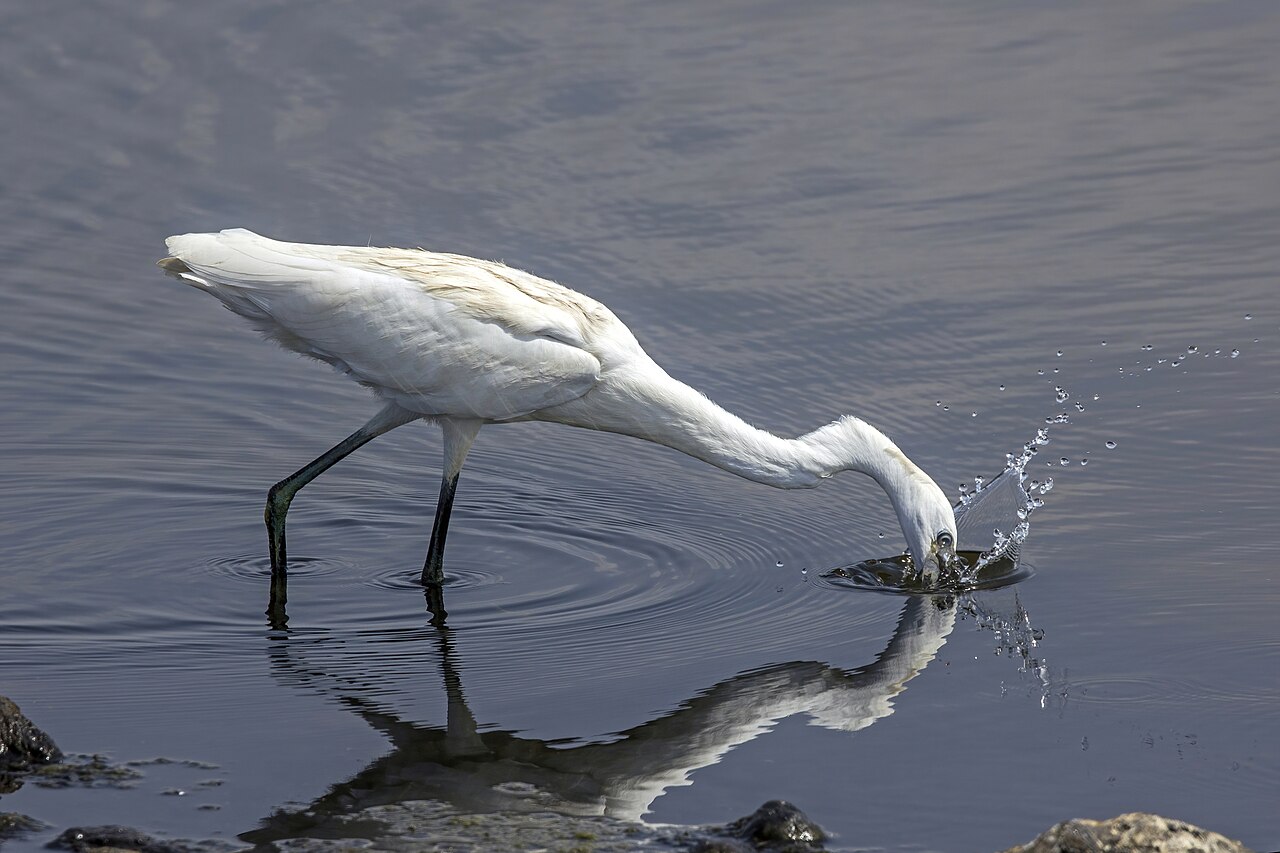
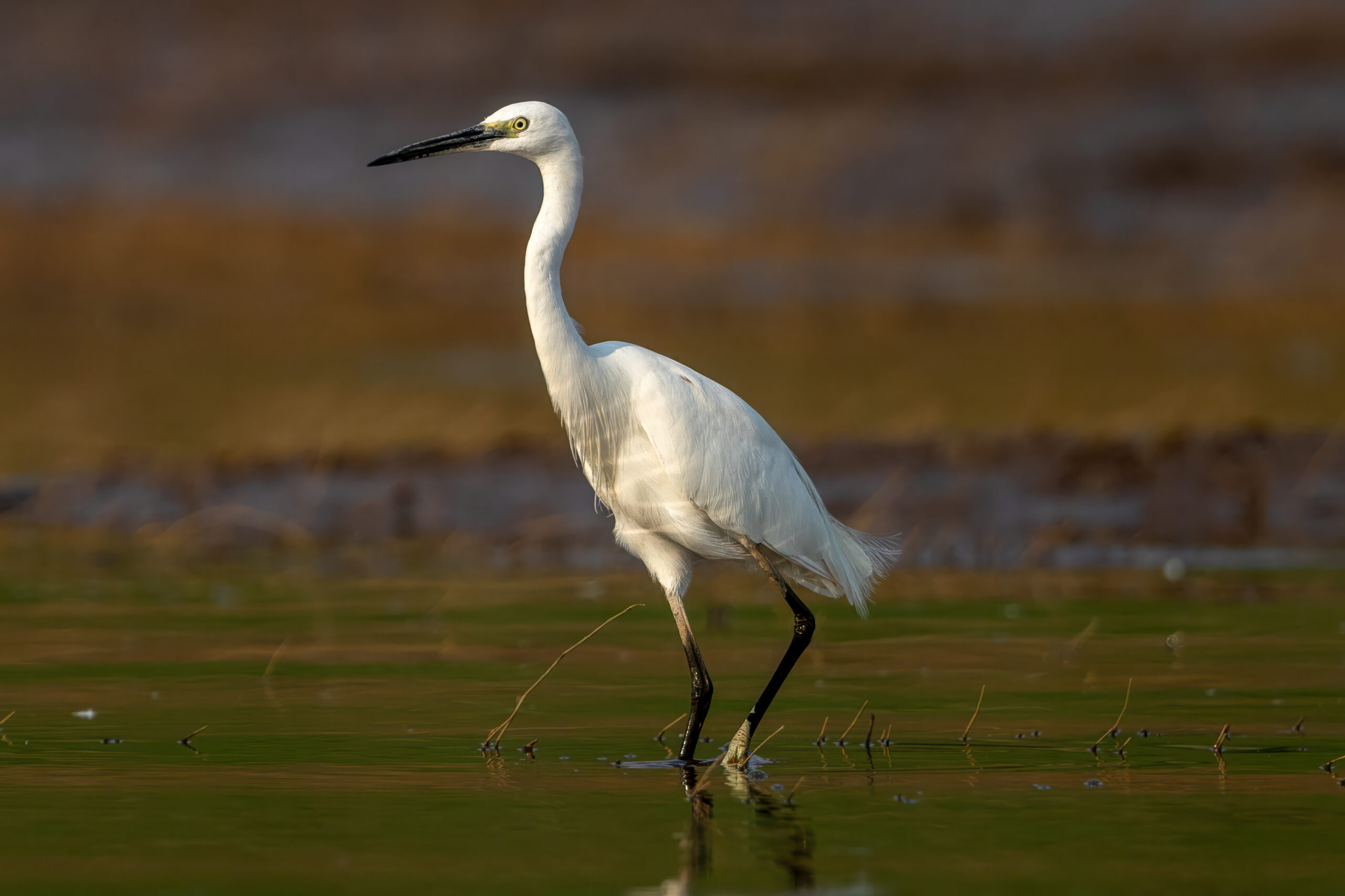
A single Little Egret (Egretta garzetta) in Yamazaki Park, Yokohama, repeatedly obtained fish from anglers by begging and by stealing catches from containers. The individually recognisable bird was observed on 12 occasions between March 2022 and April 2025, totalling 19.3 hours. Although at least five Little Egrets were recorded in and around the park, only this individual showed the behaviour.
The egret combined begging, theft and independent fishing
During about ten hours of detailed observation in March 2022, the egret received 25 small fish directly from anglers, stole 20 fish from containers and caught 46 fish independently. It often stayed beside anglers who had previously given it food and moved on when no fish were offered, suggesting that it distinguished between people who were more or less likely to provide food.
The bird also responded differently to different catches. Around 60 captures of large Japanese White Crucian Carp (Carassius cuvieri) produced no visible reaction because these fish were released immediately and were never offered to the egret. When anglers caught smaller fish that were sometimes given to it, the bird quickly approached. When food from anglers was scarce, it switched back to independent hunting using techniques including stirring the bottom with its feet, ambushing prey in narrow channels and taking fish from railings above inflowing water.
Internet records showed similar cases, not how common the behaviour is
The author also found at least 23 similar Internet records of Little Egrets associating with anglers in Japan, 19 of them from 2010 onward. He describes the combination of begging and stealing as “feeding parasitism” and places it within the broader concept of autolycism — gaining a benefit by using another animal, including humans. The online records were not collected systematically, so they show that the behaviour occurs elsewhere in Japan but not how common it is.
The behaviour appeared individual, but the learning process was not observed
Because only one of the local Little Egrets showed the behaviour, the author suggests that it may have been individually acquired rather than species-typical. The study did not observe the bird learning the behaviour, however, so the evidence demonstrates behavioural flexibility and repeated association with anglers rather than the learning process itself.
Behaviour
Related news
Waterbird Nest Counts Nearly Halved at an Indian Wetland, but Bird Numbers Showed No Clear Decline
At Vettangudi Bird Sanctuary in India, recorded waterbird nests fell from 396 to 190 across eight sampled breeding…
Read story →
Little Egrets Bred in North-East Scotland for the First Time
Four little egret chicks fledged at Forvie National Nature Reserve in 2026, providing the first confirmed breeding record…
Read story →
Ashy-grey Little Egret Photographed Twice at Anasagar Lake
A little egret with nearly uniform ashy-grey plumage was photographed at Anasagar Lake in Rajasthan in December 2025…
Read story →SPECIES IN THIS STORY
Species in this story
Independent research and conservation news archive
Did you find this information useful?
Wildlife Vagabond is independently built and maintained. Voluntary support helps cover source verification, hosting and continued work on research and conservation news.
Support Wildlife VagabondThe news archive will remain freely available.