
Local Knowledge Documented Dholes in Wayanad and Helped Researchers Locate Packs in Valparai
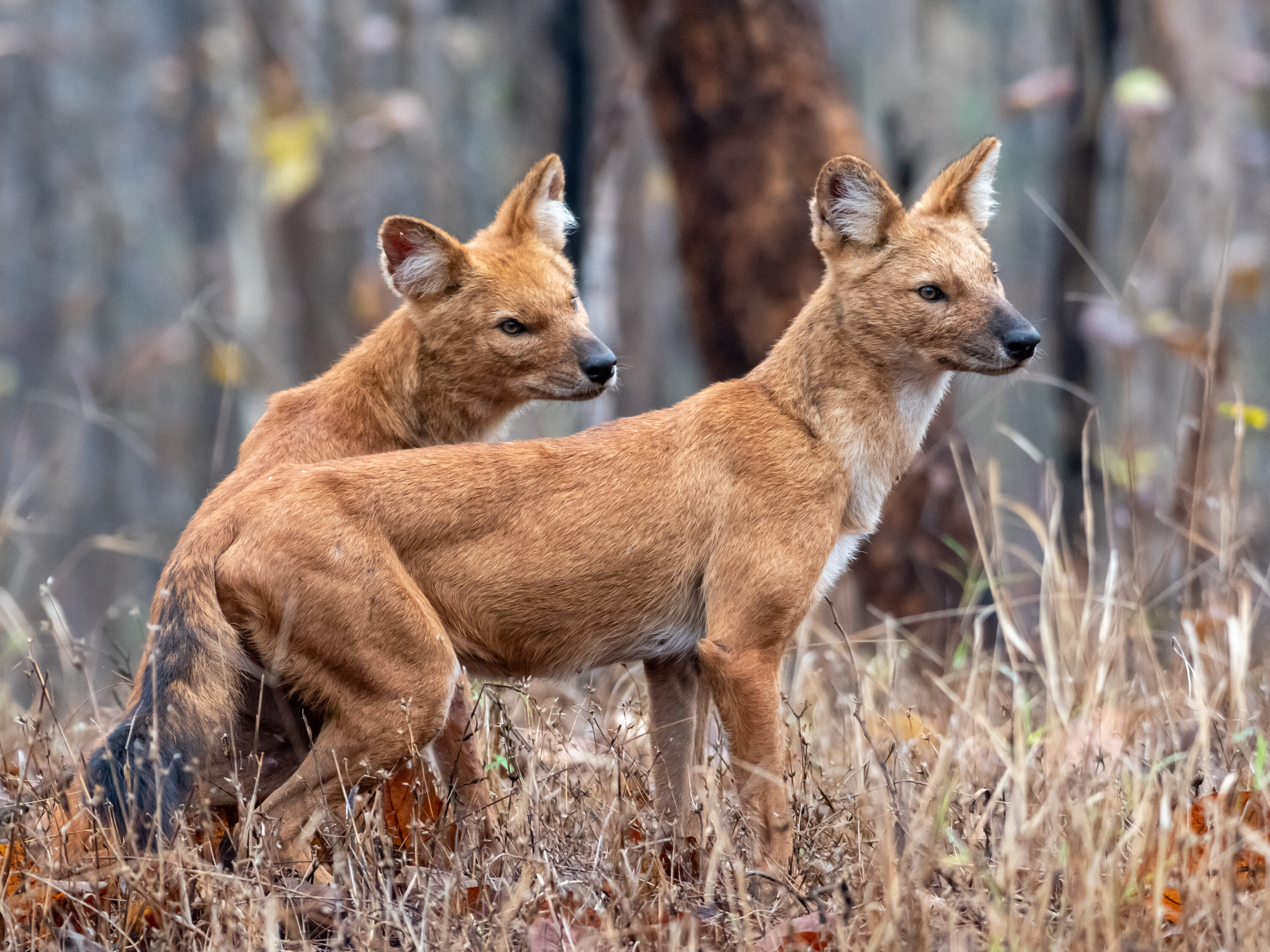
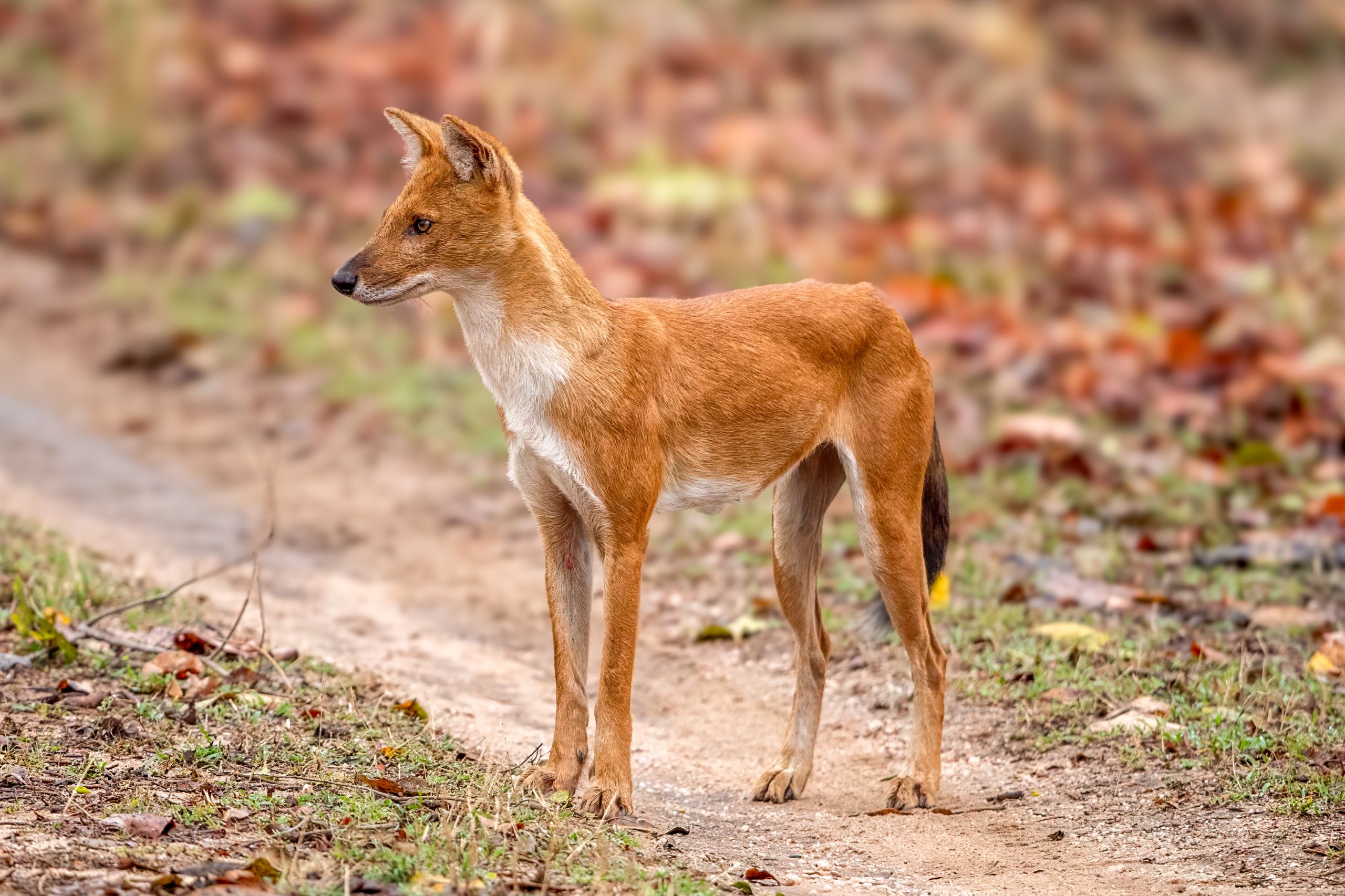
A 2026 study tested how local ecological knowledge—knowledge built through repeated day-to-day experience in a landscape—could complement conventional fieldwork on dholes (Cuon alpinus) across forest and plantation landscapes in Wayanad, Kerala, India, and Valparai, Tamil Nadu. Researchers conducted 476 semi-structured interviews — 201 in Wayanad and 275 in Valparai — using a common set of core questions while allowing follow-up questions when relevant. Participants included forest staff, plantation workers and local residents who were relatively likely to encounter the species.
The interviews followed an opportunistic but spatially stratified design across plantations, settlements, forest edges and local establishments. The study was therefore not a random survey of the general population; it deliberately sought observations from people with relatively frequent opportunities to see dholes.
Reported pack sizes broadly matched field observations
The interviews produced more than 500 records of pack size. Reported mean pack size was 7.6 in Wayanad Wildlife Sanctuary, 5.3 in Wayanad’s territorial forest divisions and 12.9 in Valparai. Most respondents reported packs of between one and 20 animals.
In Valparai, the researchers could test part of this local knowledge directly. By maintaining contact with a network of informants, the field team located dhole packs on 11 occasions and recorded about 31 hours of pack behaviour. They repeatedly observed three packs containing 15–19 animals. Most interview reports broadly matched those observations, although the authors estimated that 13% of respondents may have overestimated pack size, in some cases reporting as many as 50 animals. Reports of where dholes used the landscape were also supported by the researchers’ own sightings and records of indirect signs.
Domestic dogs were reported more often than other large carnivores
Respondents described 36 interactions between dholes and domestic dogs, compared with 13 involving leopards, four involving tigers and one involving a bear. The authors highlight the dog encounters because close contact may increase opportunities for competition and disease transmission.
Twenty-two dhole–livestock interactions were reported, involving goat kills and cattle kills or attacks. In the wider activity dataset, livestock interactions accounted for only about 6% of reported dhole activities, which is why the authors describe livestock depredation as extremely rare across the two study landscapes overall.
Reported behaviour differed between the two landscapes
Reported activities varied with setting. In Wayanad, interactions with domestic dogs and hunting wild prey were prominent in the records. In Valparai, movement through the landscape was most frequently reported, while hunting wild prey and resting or playing were also common. About 5% of Valparai records described dholes feeding on meat waste at open garbage dumps, a behaviour the authors connect to concerns about unmanaged food waste in the landscape.
Local knowledge worked best when it could be checked
The researchers conclude that systematically collected local knowledge can provide large numbers of presence, pack-size, behaviour and interaction records for an elusive carnivore, including outside protected areas where conventional monitoring is often sparse. At the same time, they caution that some reports can be exaggerated or inaccurate and should be cross-checked with direct observations or other field evidence when possible.
In Wayanad, forest officials generally supported dhole conservation and recognised the species’ ecological importance. Taken together, the two case studies show how sustained contact with knowledgeable local observers can complement camera traps, sign surveys and direct field observations rather than replace them.
Ecology
Related news
Gut Microbiomes Across Nine Kruger Mammals Clustered More Strongly by Dietary Group Than Species
A study of 89 quality-filtered faecal samples from nine wild mammals in Kruger National Park found that carnivores,…
Read story →
Dunnock Spring Passage Advanced by Up to 8.3 Days Over 61 Years at Hel
Standardised ringing data from northern Poland showed that the first, median and last phases of dunnock spring passage…
Read story →
Inland Mute Swans Had Higher Winter Body Condition Despite Harsher Winters and Supplemental Feeding
A study of 853 mute swans from four Polish wintering regions found higher body condition inland than on…
Read story →SPECIES IN THIS STORY
Species in this story
Independent research and conservation news archive
Did you find this information useful?
Wildlife Vagabond is independently built and maintained. Voluntary support helps cover source verification, hosting and continued work on research and conservation news.
Support Wildlife VagabondThe news archive will remain freely available.