
Half of Long-tailed Shrike Nests Were Parasitized by Asian Koels in Bangladesh Study
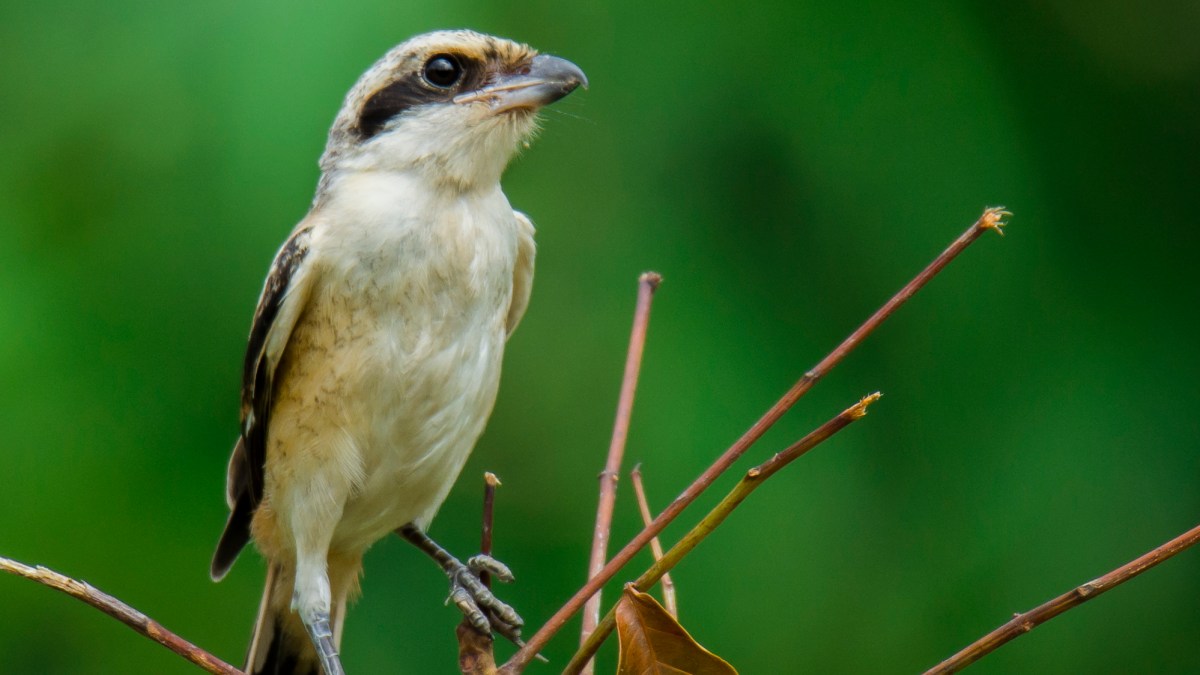
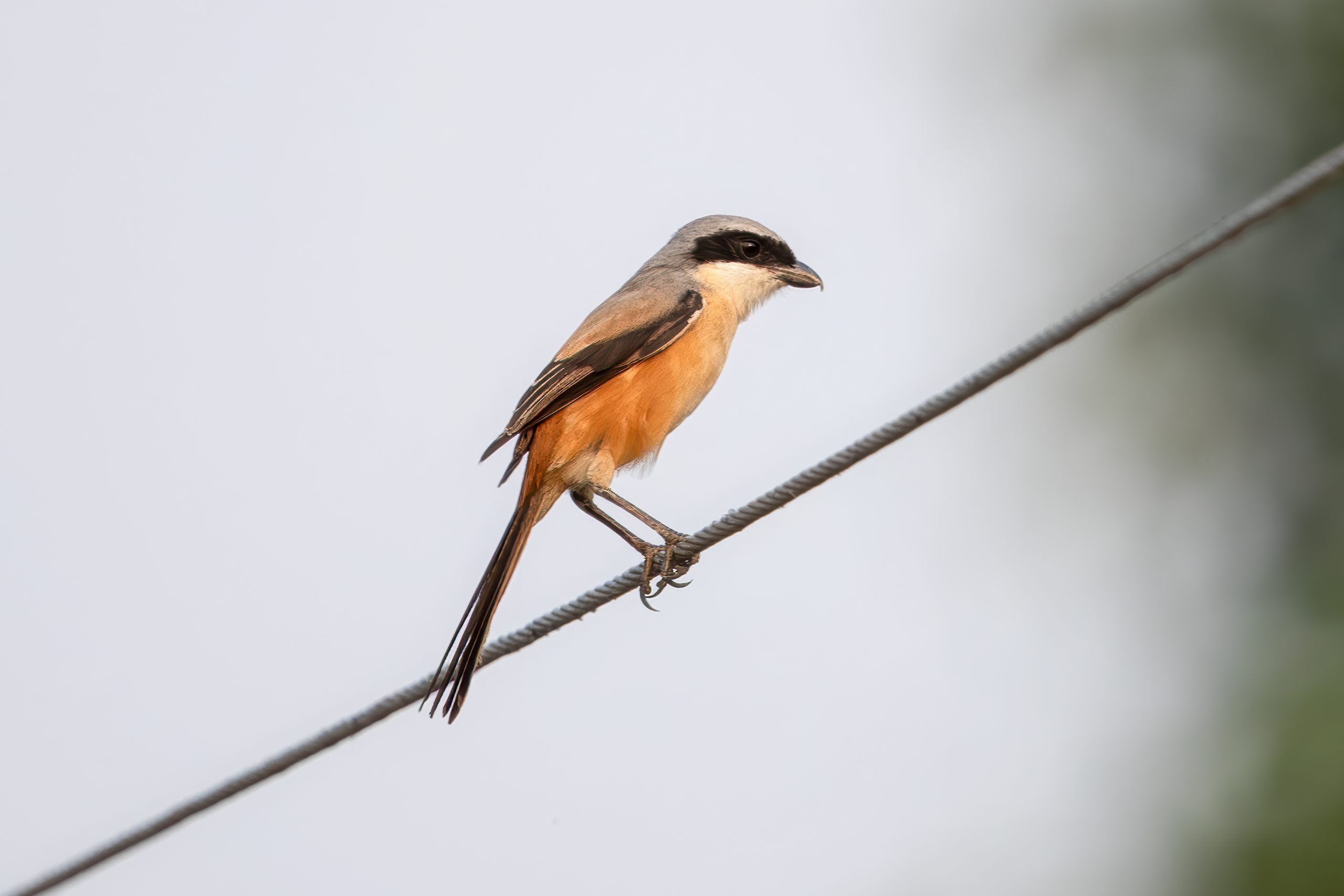
A breeding-season study presented in a 2026 conference abstract reported brood parasitism by Asian koels (Eudynamys scolopaceus) in 50% of the long-tailed shrike (Lanius schach) nests assessed in Bangladesh. Surveys conducted from March to August 2024 located eight shrike nests, six of which were active and contained at least one egg. It is unclear whether the reported 50% parasitism rate refers to all eight recorded nests or only the six active nests.
Breeding activity peaked in May, when 37.5% of the recorded activity occurred. The researchers reported hatching success of 55.6% in parasitized nests and 58.8% in unparasitized nests. Fledging success was 36.1% in parasitized nests and 47.8% in unparasitized nests. These comparisons are based on only six active nests.
The study also described nest placement and materials. Most nests were positioned near the periphery of trees, and fine grass was the largest recorded component of nest material. The authors additionally recorded several synthetic materials, including plastic threads, ropes, polythene, nets, fabrics and plastic bags.
Reproduction & development
Related news
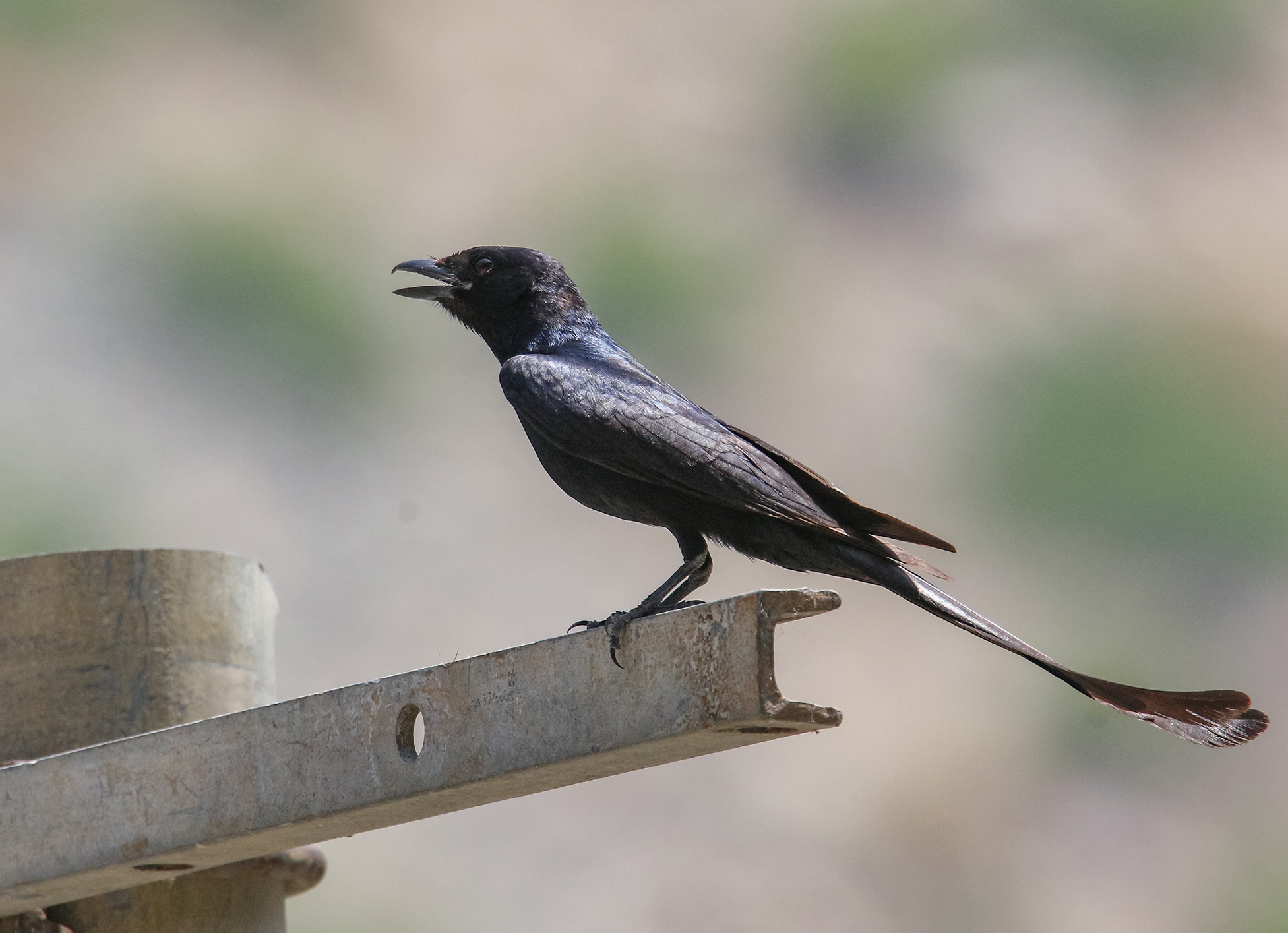
Seven Examined Black Drongo Nests Averaged 4.97 m High, Versus 4.50 m for Seven Long-tailed Shrike Nests
Seven examined Black Drongo nests averaged 4.97 m above ground versus 4.50 m for seven Long-tailed Shrike nests…
Read story →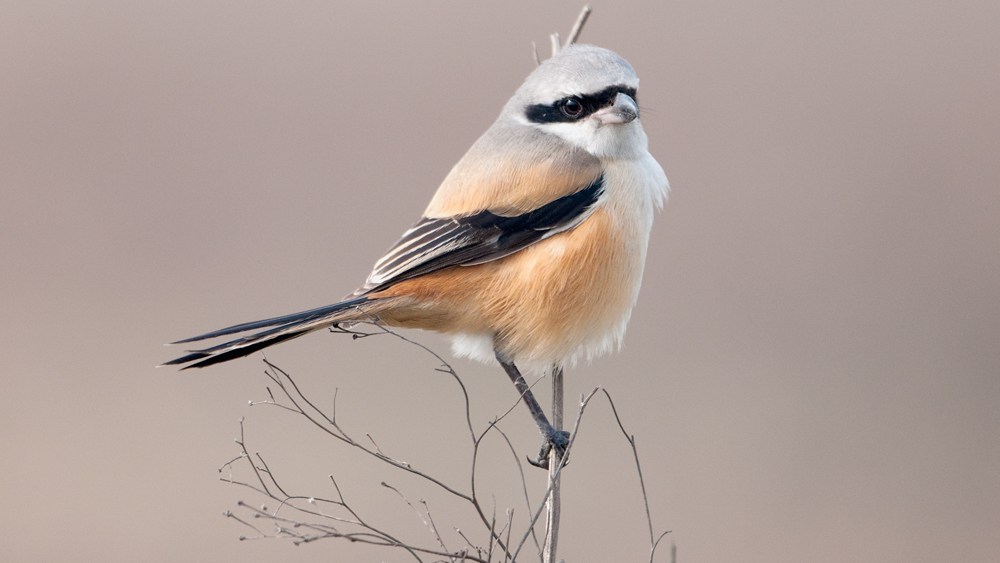
Long-tailed Shrike Photographed Raising a Cuckoo Chick in Bandhavgarh
A black-headed long-tailed shrike was photographed feeding a cuckoo chick with insects over three days in Bandhavgarh Tiger…
Read story →
Toxoplasma Antibodies Found in 14 of 35 Wild Bird Species Sampled Around Lahore
A study published in 2026 detected antibodies against Toxoplasma gondii in 18 of 176 wild birds around Lahore,…
Read story →SPECIES IN THIS STORY
Species in this story
Independent research and conservation news archive
Did you find this information useful?
Wildlife Vagabond is independently built and maintained. Voluntary support helps cover source verification, hosting and continued work on research and conservation news.
Support Wildlife VagabondThe news archive will remain freely available.