
Great Tit Chicks Usually Had Higher Metal Exposure at Industrial and Urban Sites
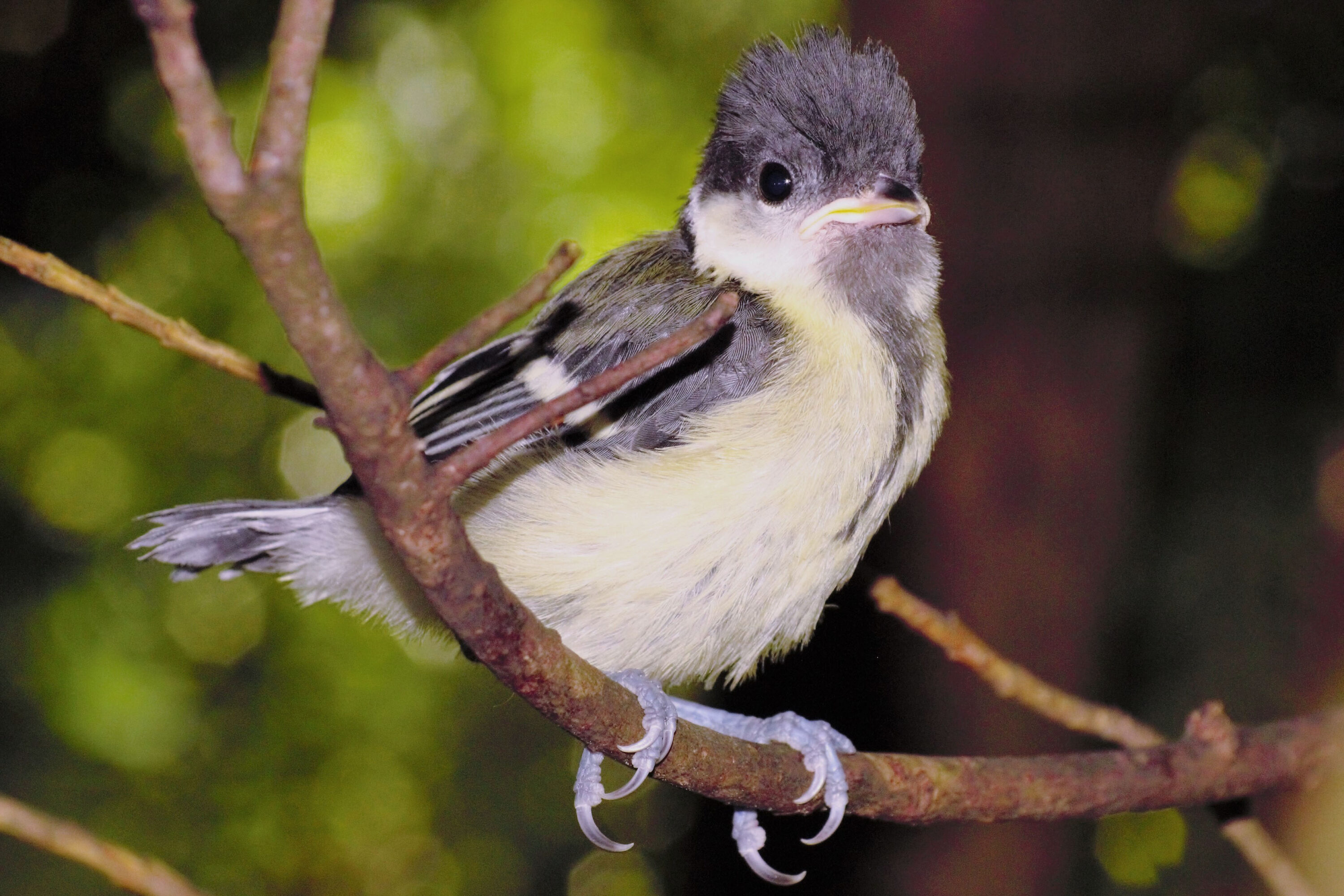
Great tit nestlings were generally exposed to more metals in industrial and urban areas than at paired rural sites, but the patterns in gut bacteria, growth and fledging differed markedly among six European site pairs. The study, published online in Environmental Research on 12 February 2026, found that the biological patterns associated with metal-polluted environments were strongly location-dependent.
Metals and metalloids enter ecosystems from mines, smelters, traffic and other human activities. Some elements are essential in small amounts but harmful at high concentrations, while others can be toxic even at comparatively low exposure. Insect-eating birds can take up these substances through prey, soil particles and other material in their surroundings. Researchers are increasingly interested in the gut microbiota — the microorganisms living in the digestive tract — as another possible link between environmental contamination and animal condition.
Lyydia Leino and colleagues studied great tits (Parus major) at six pairs of sites across Europe. Each comparison included a rural reference area and an industrial or urban area. The locations covered Antwerp, Figueira da Foz, Harjavalta, Malmö, Murcia and Prague, and included environments influenced by a copper–nickel smelter, a metallurgical plant, a pulp mill, a lead mine and city development.
The researchers collected faecal samples from nestlings in 191 broods during the 2022 breeding season. They used a DNA-based 16S rRNA method to describe the gut bacterial community and measured concentrations of 18 elements. The main analyses focused on nine metals and metalloids: cadmium, zinc, arsenic, lead, copper, selenium, chromium, iron and nickel. Growth, body mass, brood size and fledging were also recorded.
Most industrial and urban sites showed higher metal exposure
Nestlings in the industrial and urban areas showed higher metal exposure than those at their paired rural sites in most locations. The exception was the site near a pulp mill, where the direction was reversed. The pollution profiles also differed strongly among countries and types of industry, so the same label covered very different combinations of elements.
Gut bacteria and fledging patterns differed among locations
The share of hard, impervious surfaces such as roads and buildings explained little of the variation in most measures of gut bacteria. The broader comparison between each industrial or urban area and its rural counterpart revealed clearer differences, but they were not the same from place to place.
The biological differences were concrete. Fledgling number was significantly lower at the industrial/urban sites in Harjavalta and Malmö, while relative body mass was significantly lower only at the industrial site in Figueira da Foz. Bacterial community composition differed between industrial/urban and rural reference areas at five of the six locations.
Some bacterial groups were associated with both metal exposure and nestling performance
The researchers also identified particular bacterial groups associated both with metal levels and with how well the nestlings performed. Actinobacteria became less abundant as the combined burden of cadmium, zinc, arsenic, lead, copper and selenium increased, while greater Actinobacteria abundance was associated with more fledglings. Firmicutes showed the opposite pattern: it increased with the same metal burden and was associated with fewer fledglings.
Synergistetes was less abundant at higher chromium, iron and nickel levels and was also associated with higher relative body mass. Sphingomonadales was positively associated with both fledgling number and relative body mass, although its negative relationship with the first metal group was weaker and did not reach conventional statistical significance.
The study was observational and therefore cannot show that metal exposure caused the bacterial changes, or that changes in gut bacteria caused differences in nestling performance. Habitat quality, diet and other environmental differences may also contribute, and the direction of cause and effect may sometimes run the other way. The central result is that metal exposure, gut bacteria and nestling development varied together differently from place to place rather than following one common pattern across Europe.
Disease, parasites & microbiology
Related news

Gut Microbiomes Across Nine Kruger Mammals Clustered More Strongly by Dietary Group Than Species
A study of 89 quality-filtered faecal samples from nine wild mammals in Kruger National Park found that carnivores,…
Read story →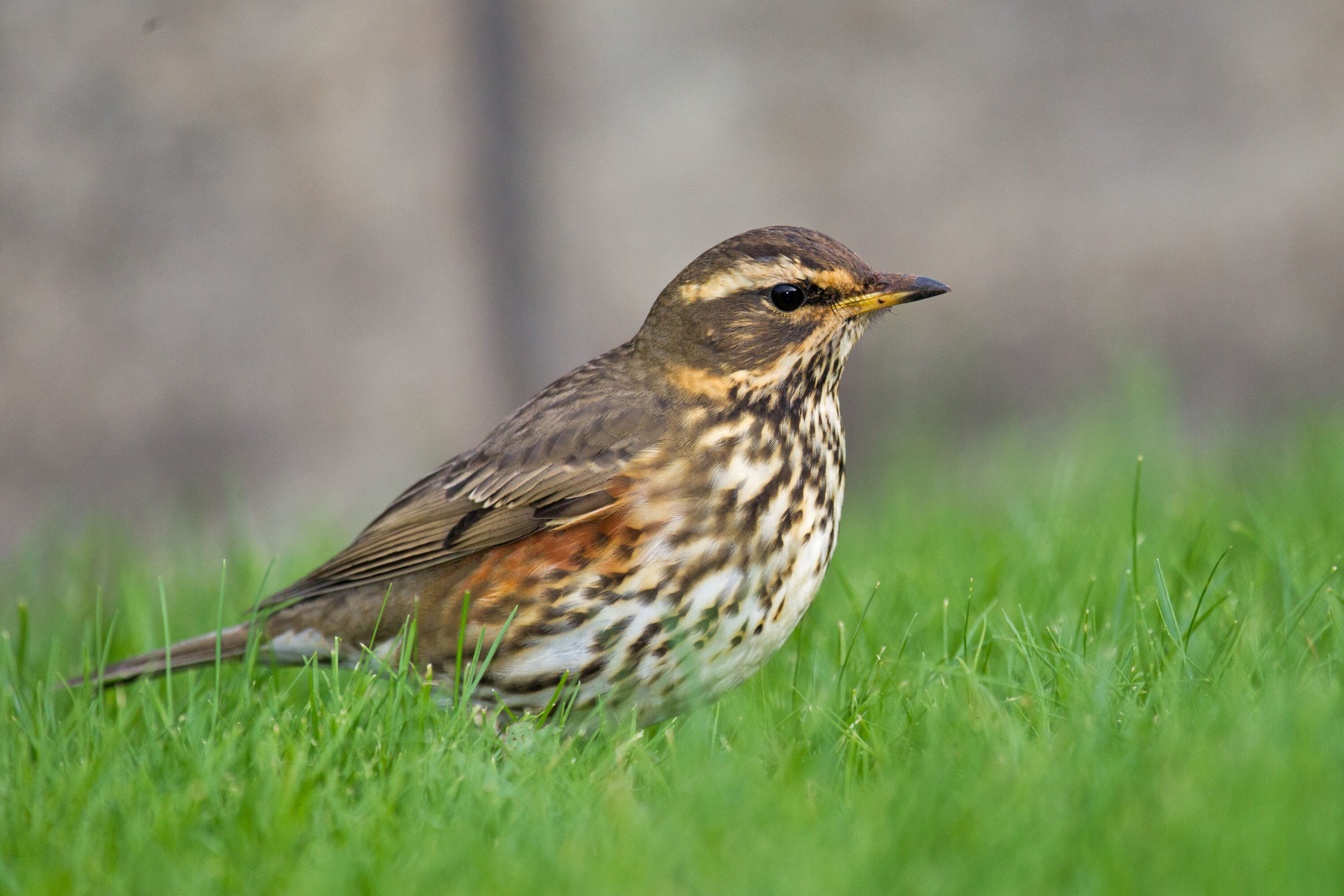
Nearly Three-quarters of Migrating Redwings Carried Ticks During Two Mild Belgian Autumns
Ticks were found on 72.9% of 284 redwings sampled during late-autumn migration in Belgium; 12.9% of 698 screened…
Read story →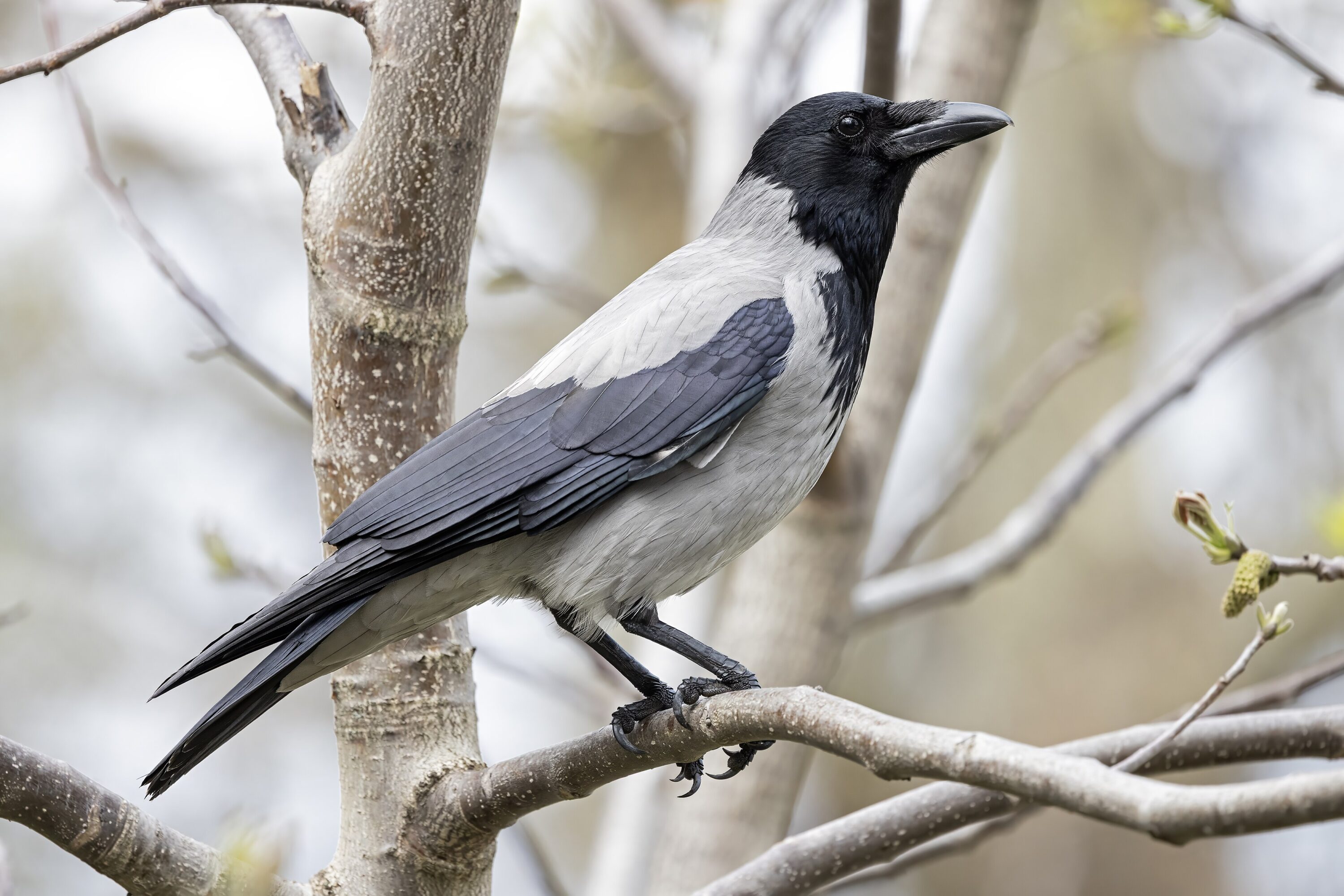
Hooded Crows Were Linked to 87 Reported West Nile Virus Bird Outbreaks in Europe
The September ECDC–EFSA report linked hooded crows to 87 reported West Nile virus bird outbreaks, Eurasian magpies to…
Read story →SPECIES IN THIS STORY
Species in this story

Independent research and conservation news archive
Did you find this information useful?
Wildlife Vagabond is independently built and maintained. Voluntary support helps cover source verification, hosting and continued work on research and conservation news.
Support Wildlife VagabondThe news archive will remain freely available.