
Microscopy Revealed an Annual Structural Cycle in Roe Deer Testes
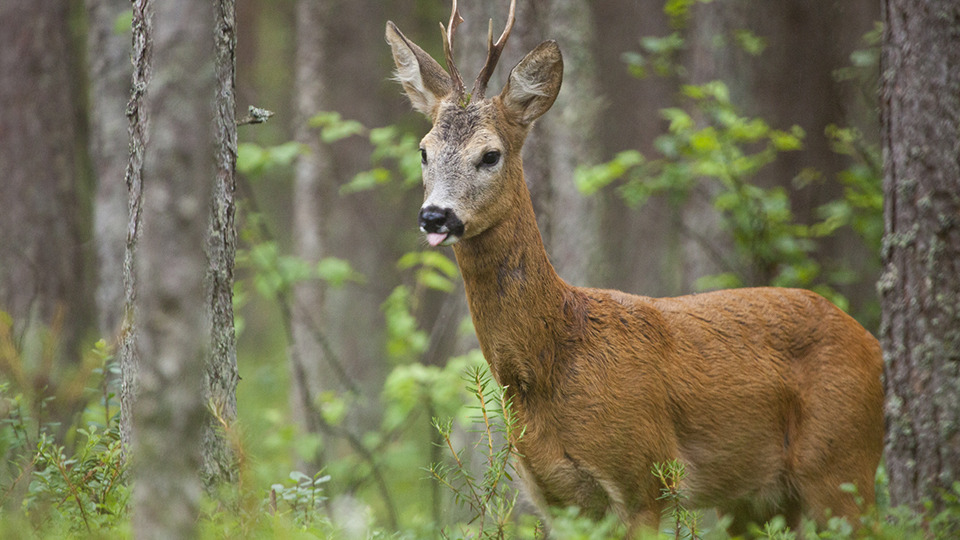
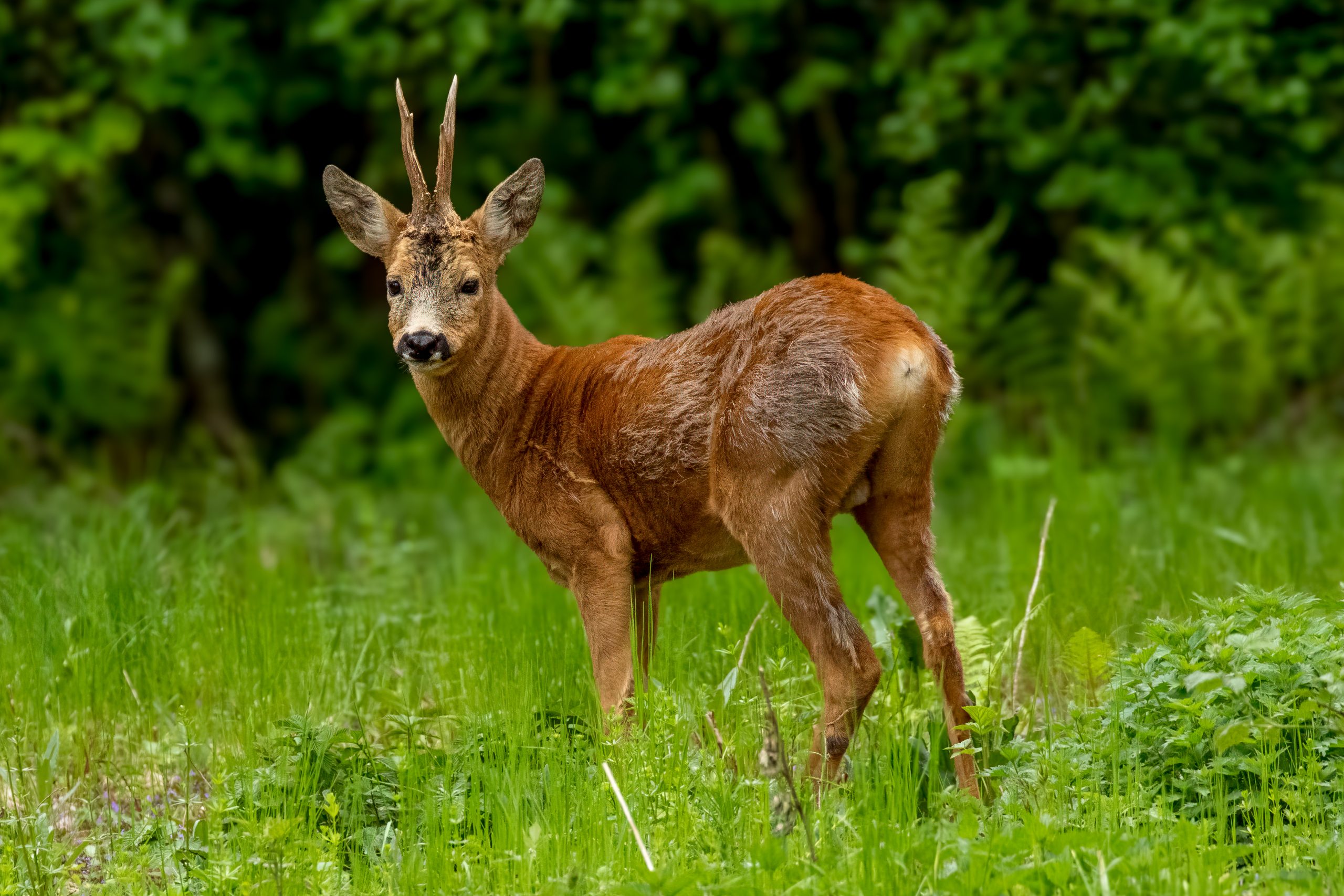
In Slovakia, structures inside the testes of male roe deer change through a pronounced annual cycle, an ultrastructural study has found. Electron-microscope images linked the activation and shutdown of sperm production to changes in two cell types: Sertoli cells, which support developing sperm, and Leydig cells, which produce steroid hormones including testosterone.
The 2026 paper is a retrospective synthesis of roughly 25 years of earlier ultrastructural work. For the seasonal roe-deer series, the researchers examined testes from seven bucks aged two to seven years, shot at five points in the reproductive cycle: 1 January, 15 April, mid-June, mid-July and late August. Tissue was prepared for transmission electron microscopy, while additional samples were examined with an ordinary light microscope.
For comparison, the team also studied fallow deer and several domestic ruminants, including cattle, sheep and goats, as well as non-ruminant mammals. The comparison centred on the unusual nucleolus of ruminant Sertoli cells. In most ruminants, the nucleolus itself takes the form of a vesicle-filled structure historically called a multivesicular nuclear body (MNB), with membrane vesicles and tubules covered by ribosome-like granules. Fallow deer were an exception, retaining a more typical reticular nucleolus.
The Sertoli-cell nucleolus expanded before the rut
In domestic ruminants that produce sperm continuously, the multivesicular body was present throughout the year. Roe deer followed a different pattern. During the resting phase in January, the nucleolus of Sertoli cells contained almost no vesicles, and the seminiferous tissue lacked advanced stages of developing sperm.
As sperm production began in March and April, small vesicles appeared. The structure grew through spring and was largest and most developed from mid-July to mid-August, coinciding with the rut. At that stage, the nucleolus consisted mainly of large and small membrane vesicles covered by ribosome-like granules. By the end of August, signs of a return towards the resting form were already visible.
The authors interpret the cycle as evidence that the structure participates in ribosome production. Ribosomes build proteins, and active Sertoli cells must produce and release many proteins and regulatory substances that support sperm development. The seasonal enlargement of the nucleolar structure therefore followed the changing demands placed on the cells.
Hormone-producing cells changed as activity ended
Leydig cells also shifted across the cycle. Before and during sperm production they had the internal features expected of active steroid-producing cells. At the end of the rut, the amount of smooth endoplasmic reticulum declined rapidly, while lipid droplets and glycogen appeared. These changes coincided with the known late-summer fall in testosterone.
By January, the Leydig cells were small and inactive. They contained lipid droplets, glycogen and remnants of smooth endoplasmic reticulum. The researchers also observed autophagy, in which cells break down and recycle their own components, along with signs of programmed cell death during the regression phase.
The study provides a cellular view of how a strongly seasonal breeder switches male reproduction on and off. Because the multivesicular nucleolus develops before spermatogenesis and regresses during reproductive rest, the authors propose that its annual form can serve as a simple morphological marker of Sertoli-cell activity and may be related to the regulation of spermatogenesis.
One question remains unresolved. More than five decades after the multivesicular nuclear body was first described in ruminant Sertoli cells, researchers still do not know why ruminant Sertoli-cell nucleoli contain membrane vesicles or exactly what those membranes do. The annual cycle in roe deer makes the species a useful model for investigating that function.
Anatomy & morphology
Related news
Common Kestrels Had About Twice the Tracheal Mucous-Gland Density of White Storks
A comparative study of three adult males from each of three bird species found 11.32 tracheal mucous glands…
Read story →
Laughing Dove Eye Pecten Mapped From 12–13 Pleats to Cell Markers
Researchers mapped the pecten oculi, a vascular structure unique to bird eyes, in the laughing dove. Its 12–13…
Read story →
Progressive Greying Recorded in a Laughing Dove in Asia for the First Time
An adult laughing dove photographed in Karnataka, India, had localised white feathers on the head and shoulder region.…
Read story →SPECIES IN THIS STORY
Species in this story
Independent research and conservation news archive
Did you find this information useful?
Wildlife Vagabond is independently built and maintained. Voluntary support helps cover source verification, hosting and continued work on research and conservation news.
Support Wildlife VagabondThe news archive will remain freely available.