
Migratory Blackbirds Had Longer Telomeres but Similar Mitochondrial DNA Copy Numbers
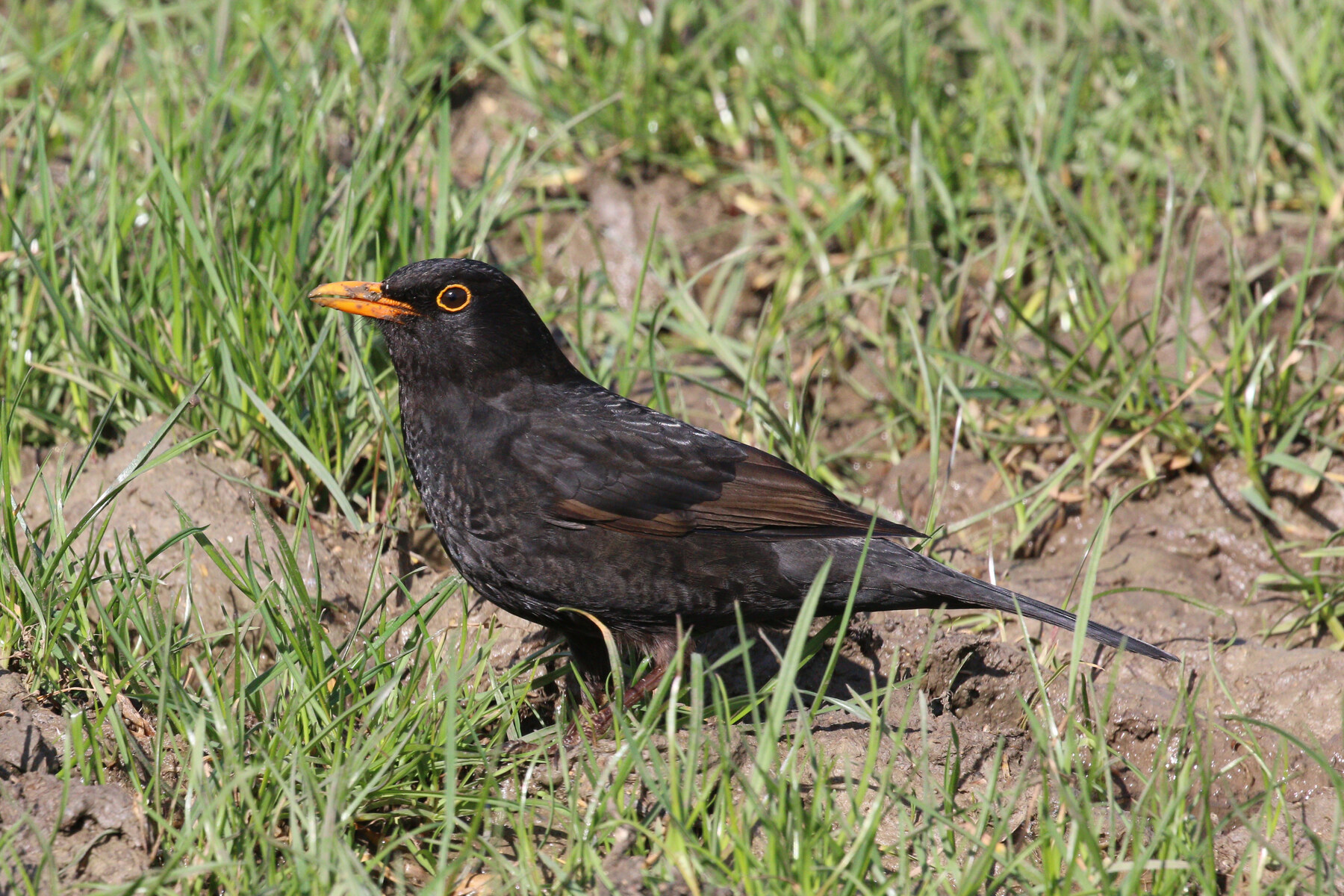
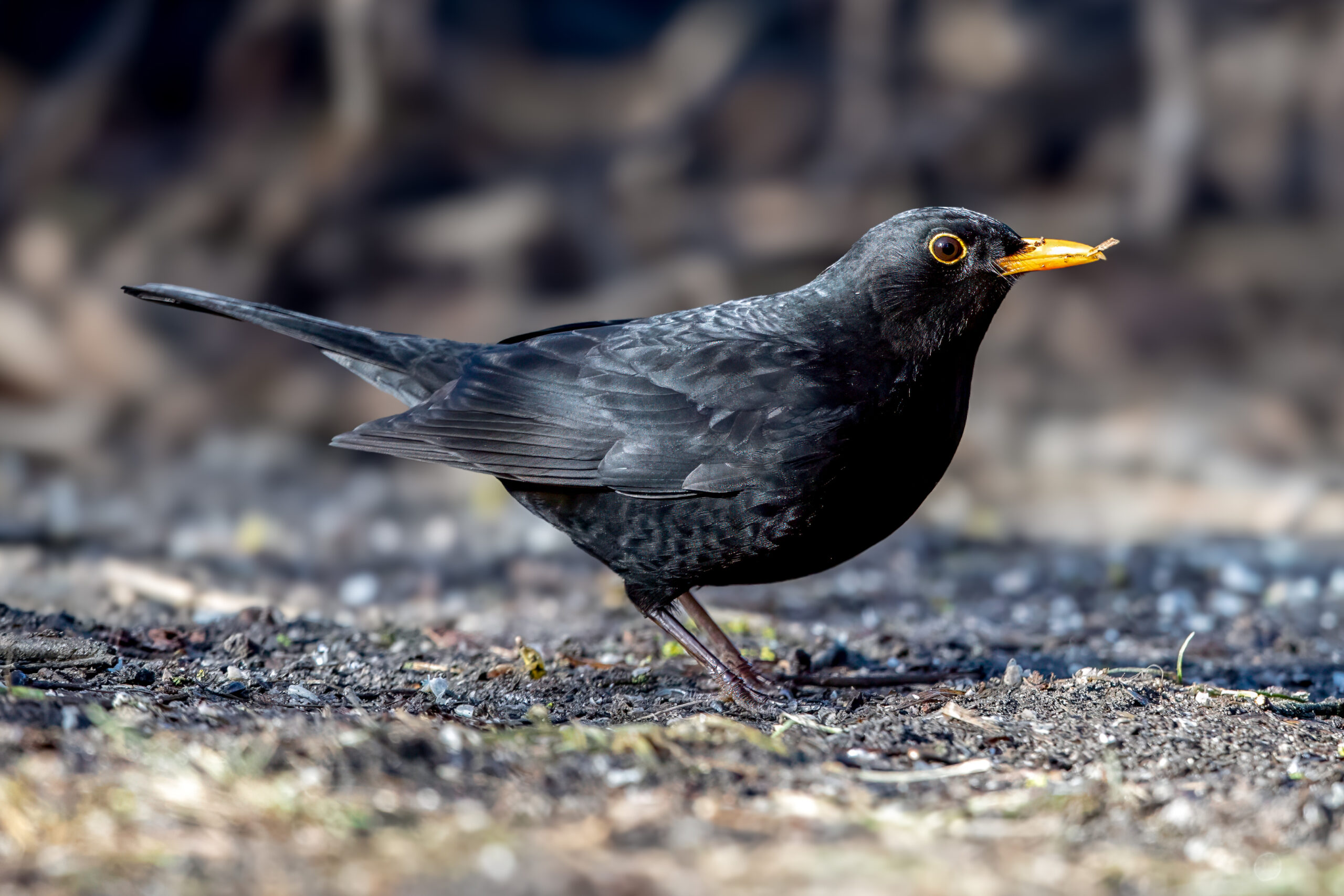
Migratory Eurasian blackbirds (Turdus merula) sampled on Helgoland, Germany had greater relative telomere length than resident birds, while mitochondrial DNA copy number did not differ significantly between the two groups. Telomeres are repetitive DNA sequences at the ends of chromosomes that help maintain chromosome integrity and can shorten through cell division and oxidative stress. The short communication was first published in the Journal of Avian Biology on 29 January 2026.
The researchers sampled blackbirds during autumn migration in October and November 2019. Birds previously colour-ringed on Helgoland during the breeding season and recaptured in autumn were classed as residents, while first-time captures without a colour ring were assumed to be migrants. The final sample comprised 80 migrants and 18 residents.
Migrants had greater relative telomere length
Blood samples were used to measure relative telomere length and mitochondrial DNA copy number. Migratory blackbirds had significantly longer telomeres than residents, whereas telomere length did not differ by age or sex. Mitochondrial DNA copy number likewise did not differ significantly between migrants and residents, age classes or sexes, and it was not correlated with telomere length. In blood cells, the authors use mitochondrial DNA copy number as an indirect proxy for mitochondrial abundance or density, not as a direct measurement of mitochondrial performance.
The finding ran counter to the researchers’ expectation that the energetic and oxidative demands of migration might be associated with shorter telomeres. They discuss several possible explanations. Migrants may possess stronger antioxidant defences or other traits that help preserve telomeres, and selection may favour individuals with greater cellular resilience among birds undertaking migration. Earlier work on Helgoland found higher antioxidant capacity in migratory blackbirds without a corresponding increase in oxidative damage, and migrants stopping there have also been reported to carry higher plasma levels of dietary omega-3 polyunsaturated fatty acids. Neither antioxidant defence nor diet was measured directly in the 2026 study, so these remain proposed mechanisms rather than demonstrated causes.
Sampling left uncertainty about migration status and stopover time
First-time captures without colour rings were assumed to be migrants, so a few previously uncaptured residents may have been misclassified. Migrants passing Helgoland also originate across Scandinavia and the Baltic region, meaning that population background cannot be completely separated from migratory strategy.
Mitochondrial DNA copy number was measured in blood cells and may not fully reflect mitochondrial responses in flight muscles or other metabolically active tissues. The researchers also did not know how long each bird had rested on Helgoland before capture, so differences in recovery time could have influenced the cellular measurements.
Molecular biology & biochemistry
Related news
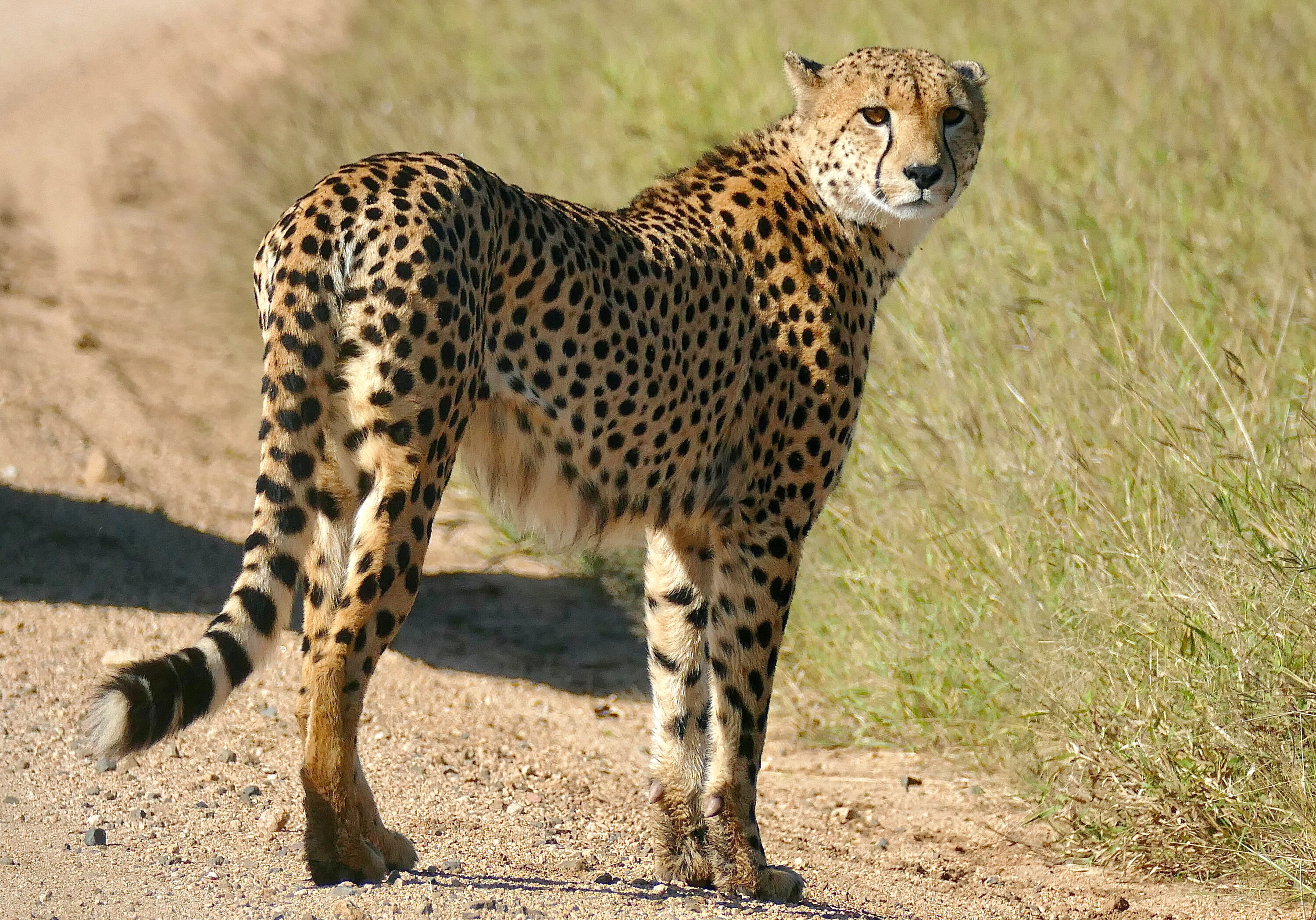
DNA Methylation Shifted as Namibian Male Cheetahs Became Territorial
Paired blood samples from ten free-ranging Namibian males revealed widespread, predominantly increased DNA methylation after the same cheetahs…
Read story →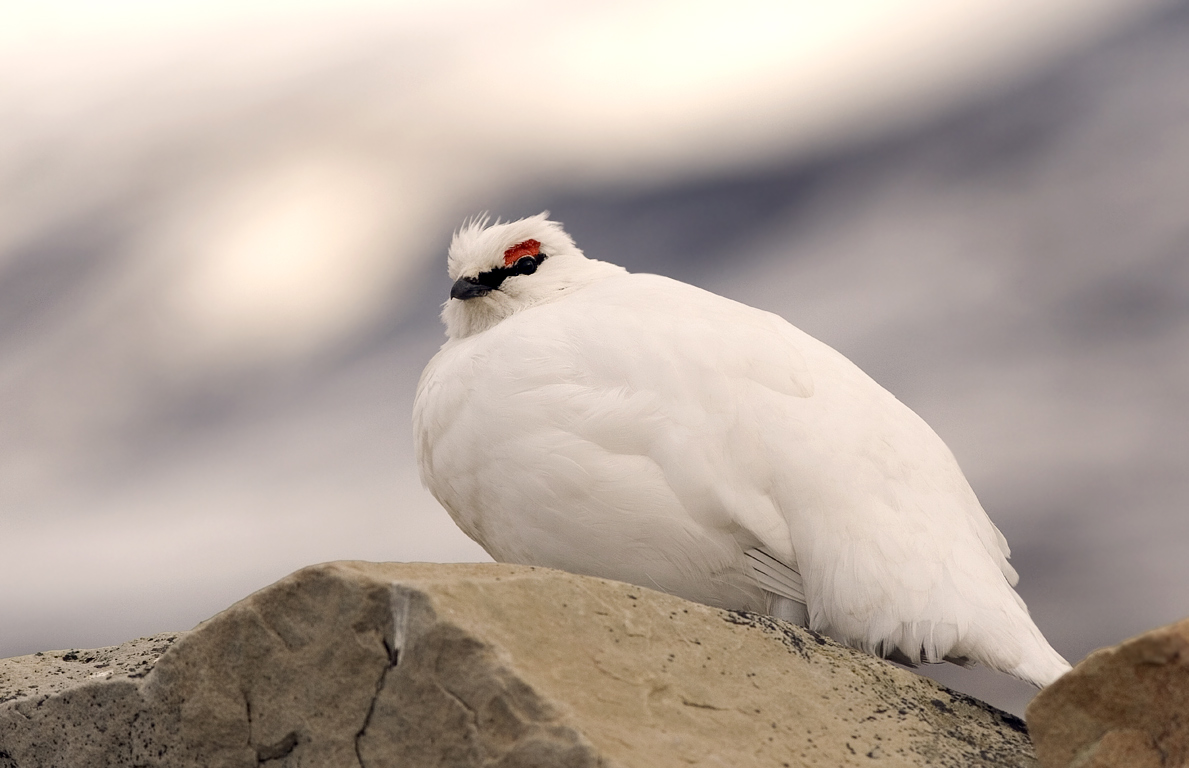
Svalbard Ptarmigan and Golden Hamsters Shared a TSH Pathway for Seasonal Timing
A comparison of neuroendocrine tissue in summer- and winter-like states found the same core TSH seasonal-timing pathway in…
Read story →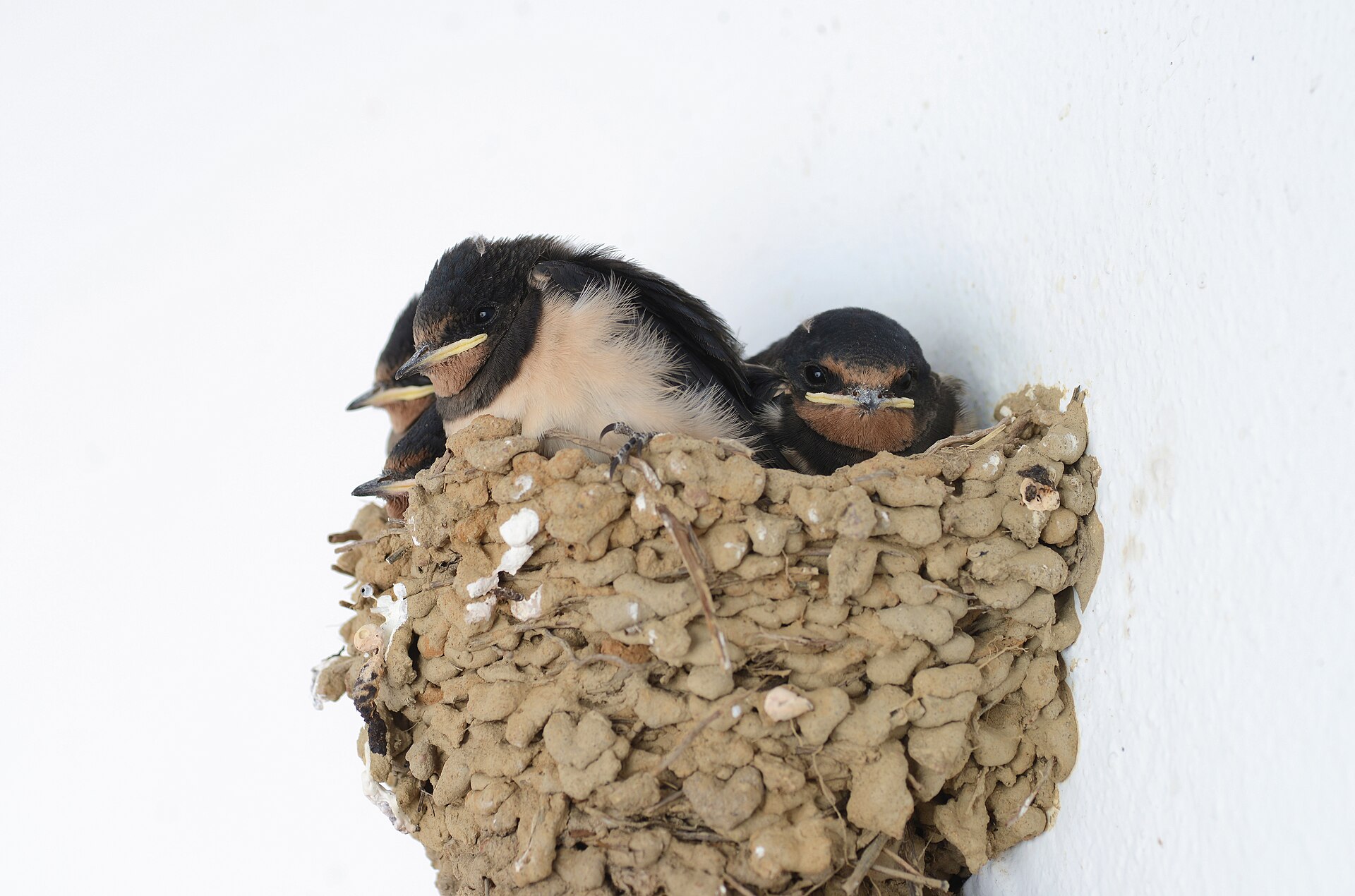
Larger Broods and Older Social Fathers Were Linked to Shorter Telomeres in Male Barn Swallow Nestlings
A long-term study near Milan found shorter telomeres in male barn swallow nestlings from larger broods or with…
Read story →SPECIES IN THIS STORY
Species in this story
Independent research and conservation news archive
Did you find this information useful?
Wildlife Vagabond is independently built and maintained. Voluntary support helps cover source verification, hosting and continued work on research and conservation news.
Support Wildlife VagabondThe news archive will remain freely available.