
Model Links High-Density Moose Dynamics to Density Dependence, Calf Predation and Dispersal
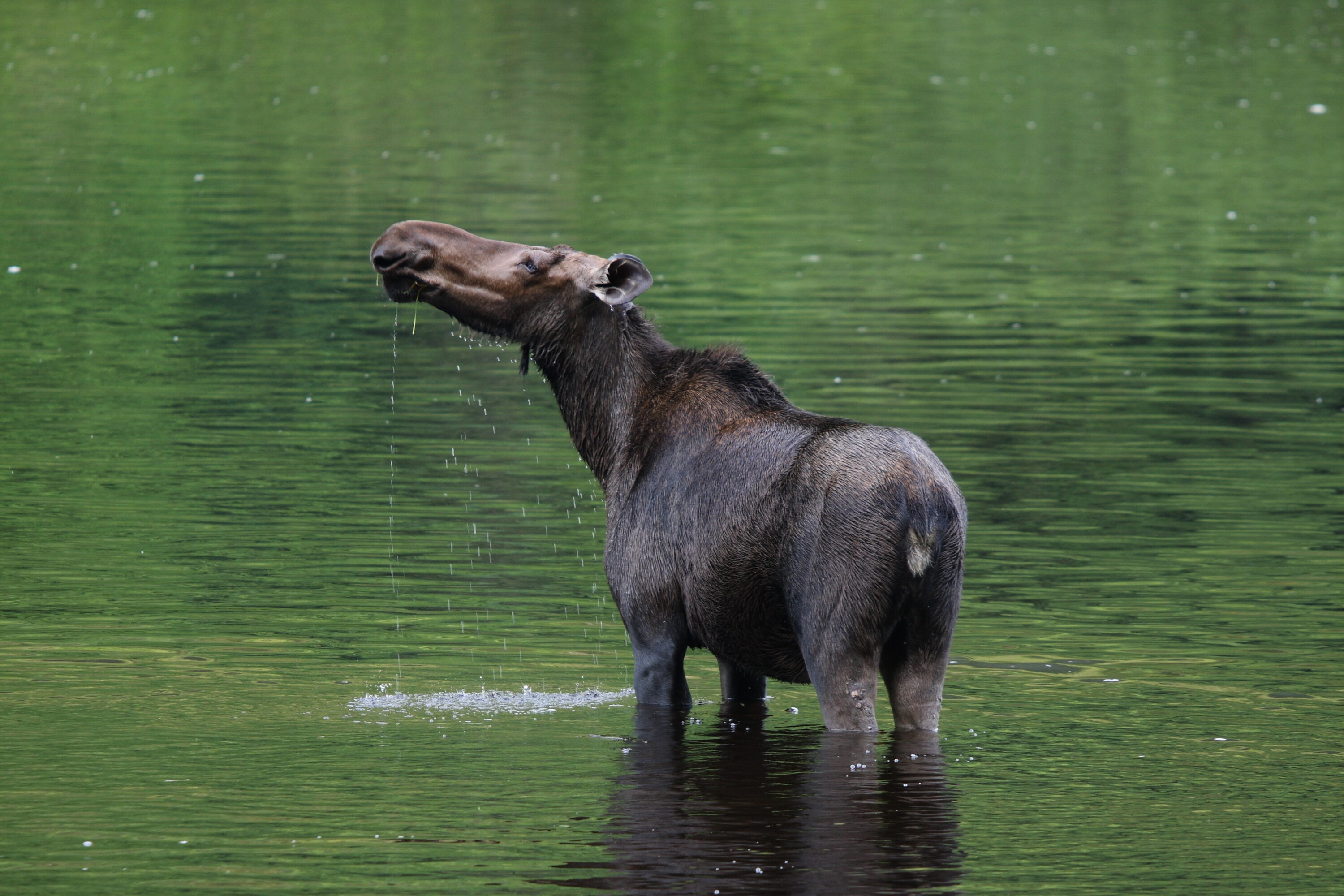
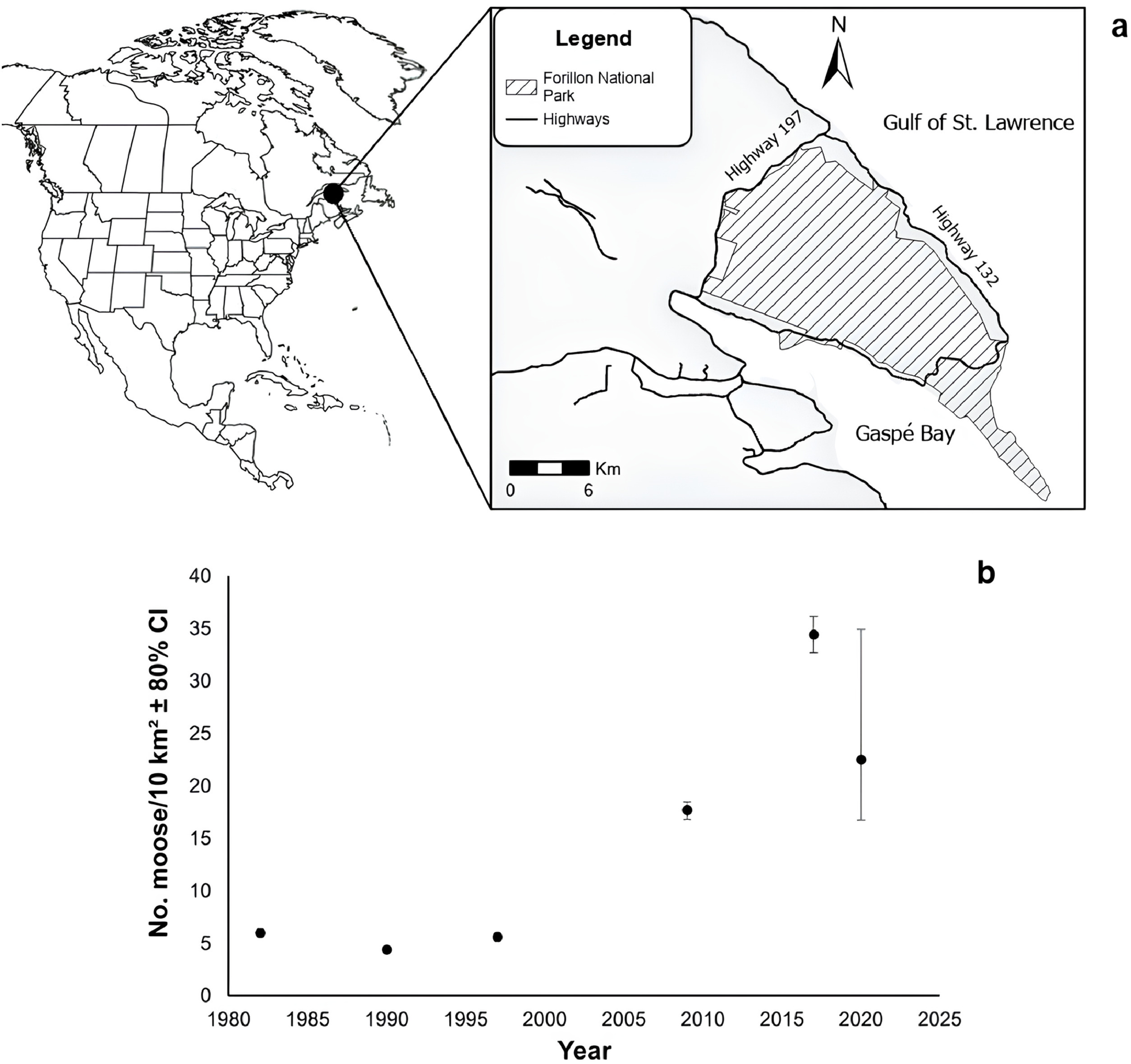
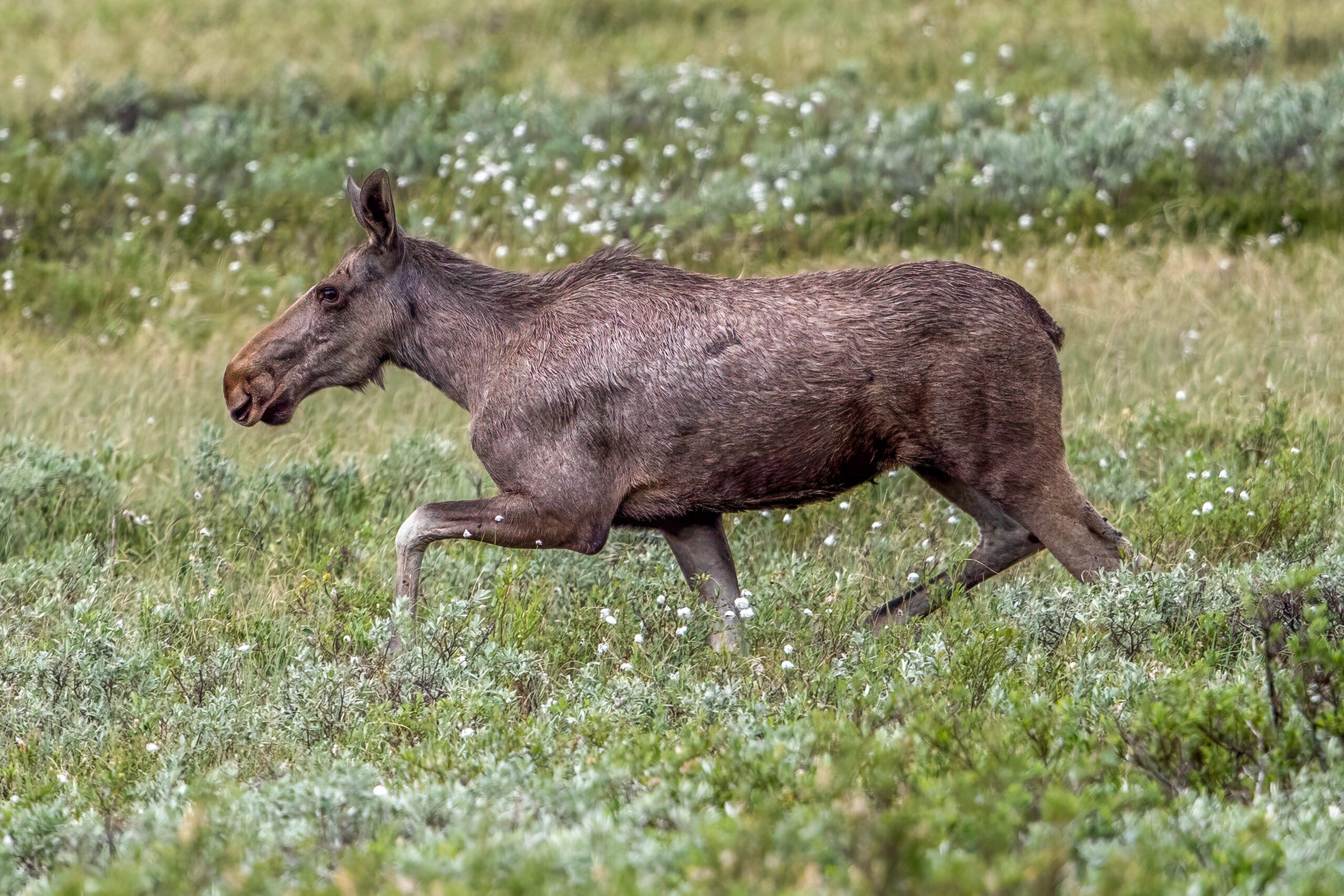
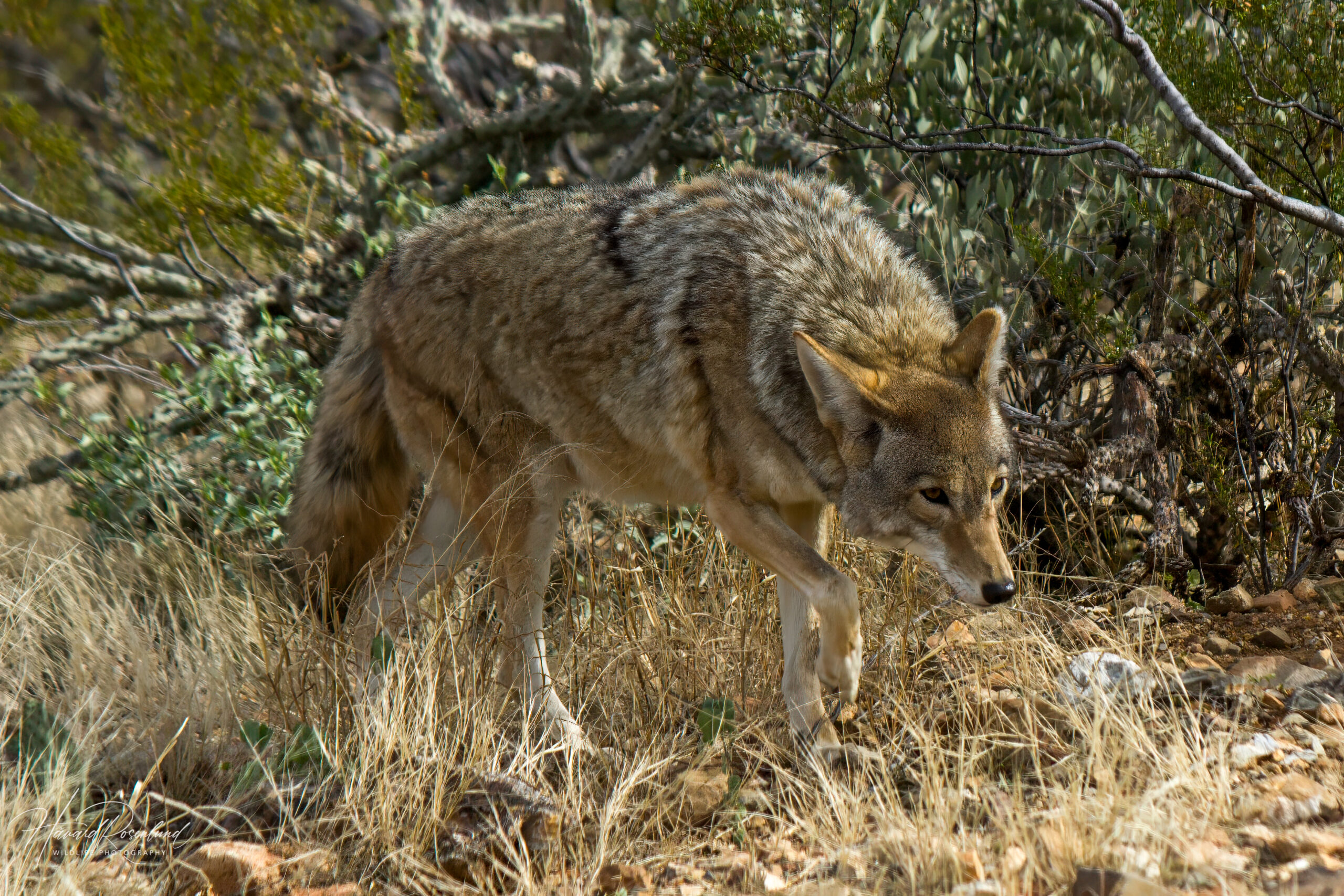
A new population model suggests that rising density strongly reshaped survival, reproduction and dispersal in North American moose (Alces alces americana) in Quebec, Canada’s Forillon National Park, where gray wolves are absent. Survival and reproduction showed negative density dependence, while movement across the park boundary also changed as the population grew. The model further indicates that American black bears (Ursus americanus) and coyotes (Canis latrans) caused substantial calf mortality each year, while winter ticks had only a slight effect on calf survival.
The open-access study was published online in Ecological Modelling on 18 February 2026. Its authors developed a model structured by sex and age to explain nearly four decades of observed change in a protected population that reached high density without its apex predator.
Wolves were absent, but calf predation remained substantial
Forillon differs from many moose systems because gray wolves are absent. That removes a major source of adult and juvenile mortality, but it does not mean predation disappears. Black bears and coyotes remain capable of killing calves, and animals can move across the park boundary into a landscape where hunting and other human pressures differ.
Many existing moose models were developed for lower-density populations or systems with wolves. The researchers therefore built a sex- and age-structured simulation suited to Forillon’s circumstances. They used pattern-oriented modelling, comparing simulated population patterns with observations to identify combinations of demographic rates that could plausibly reproduce the historical record.
Density affected several demographic processes
The most plausible simulations showed strong density dependence in survival, reproduction and dispersal. Calf winter survival was especially sensitive to both population density and winter severity, while adult survival was more buffered. As food competition increased, the model also required lower reproduction and changing rates of movement out of the park to reproduce the observed population trajectory.
Density dependence can emerge when animals compete more strongly for food or when habitat quality declines under heavy browsing. It can also interact with disease, condition and movement. The study’s result does not mean that one single mechanism was measured directly; it identifies a combination of demographic responses that best reproduced the observed changes.
The dominant pressures changed as the population grew
The model did not assign the same importance to every driver throughout the 38 years. Winter conditions and predation appeared to have greater influence before 2000, when moose density was still relatively low. After 2000, density dependence became the leading influence. Winter climate also interacted with density and winter-tick burden, helping explain why calf survival varied more strongly than adult survival.
Calf predators still mattered
Although wolves were absent, the model attributed substantial annual calf mortality to black bears and coyotes. These alternative predators therefore remained an important part of the population’s early-life dynamics.
Winter ticks, by contrast, produced only a slight effect on calf survival in the most plausible model. This differs from findings in some other parts of northeastern North America, where heavy tick infestations have been associated with severe calf losses.
The model also suggested that changes in the population’s sex ratio were mainly explained by sex-biased dispersal. Overall emigration increased through time, apart from a temporary decrease in 2009–2016, and males were proportionally more likely to leave than females; yearling males made up the largest group of emigrants. Immigration also increased and consisted mainly of females, especially yearlings.
Movement across the protected-area boundary also exposed animals to hunting outside Forillon. Modelled hunting mortality increased through time in all sex and age classes, while autumn survival was lower and declined more strongly in males than in females and calves. Hunting is prohibited inside the national park, so this mortality reflects the consequences of animals moving into the surrounding hunted landscape rather than hunting within the protected area.
The model identifies a plausible combination of mechanisms
Pattern-oriented modelling does not identify one observed cause in the same way as a controlled experiment. It tests which combinations of mechanisms can reproduce several features of the real population at once. The resulting sequence of vital rates is described as the most plausible among those evaluated, not as the only possible history.
Ecology
Related news
Arctic Moose Follow the River Valleys
GPS tracking in Alaska showed that half of 24 female moose migrated between summer and winter ranges. Migrants…
Read story →
Thermal Drones Found Nearly All Moose in Favourable Winter Weather
Swedish trials found detection close to 100% in cold, overcast winter conditions, but the survey effort needed for…
Read story →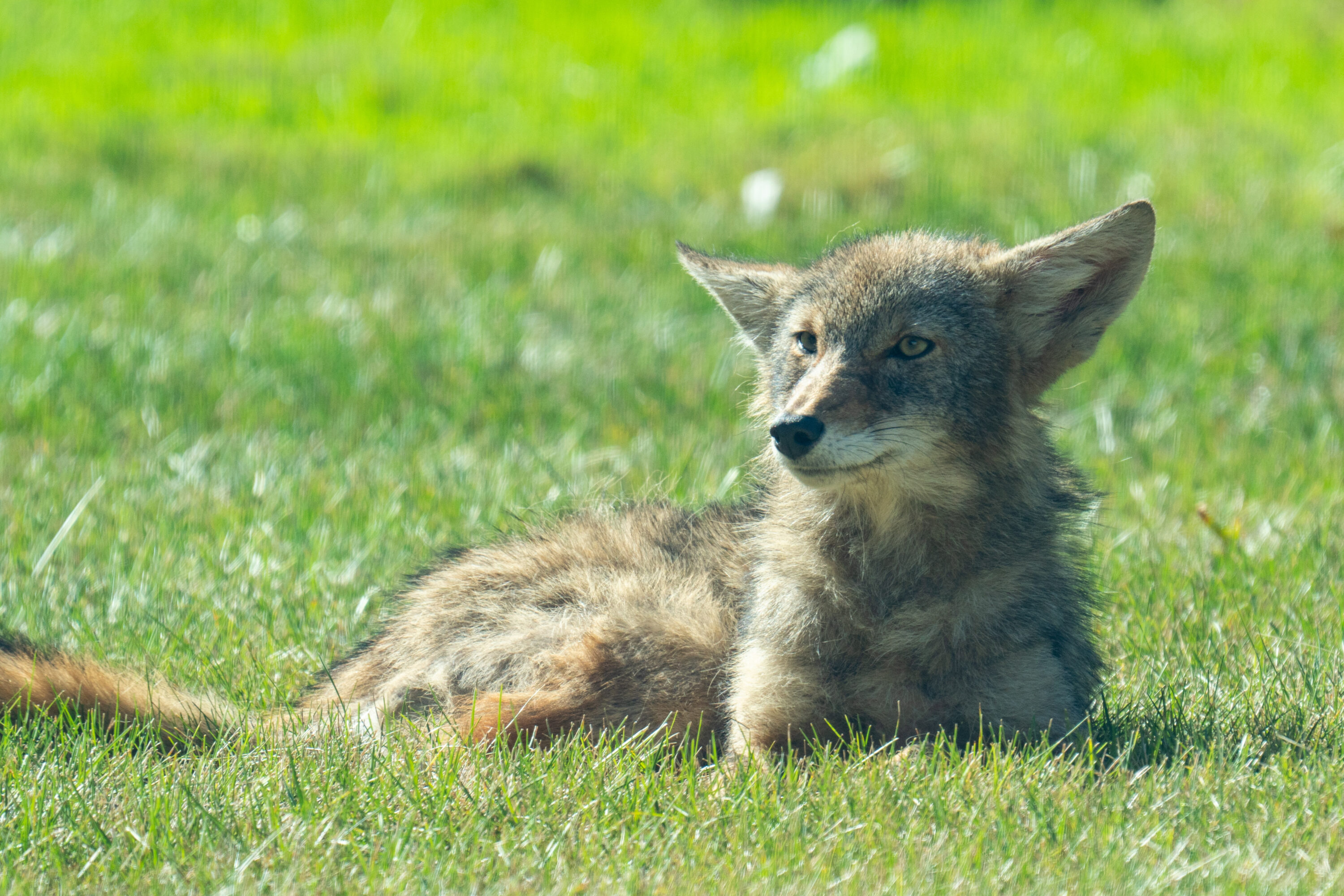
Coyotes Increased Across Illinois Over Four Decades, but County Trends Varied
Four long-running Illinois surveys together showed a statewide coyote increase from 1980–2023, while county-level populations followed more variable…
Read story →SPECIES IN THIS STORY
Species in this story
Independent research and conservation news archive
Did you find this information useful?
Wildlife Vagabond is independently built and maintained. Voluntary support helps cover source verification, hosting and continued work on research and conservation news.
Support Wildlife VagabondThe news archive will remain freely available.