
Model Projected Up to 60% Loss of Highly Suitable White-rumped Vulture Habitat by 2100
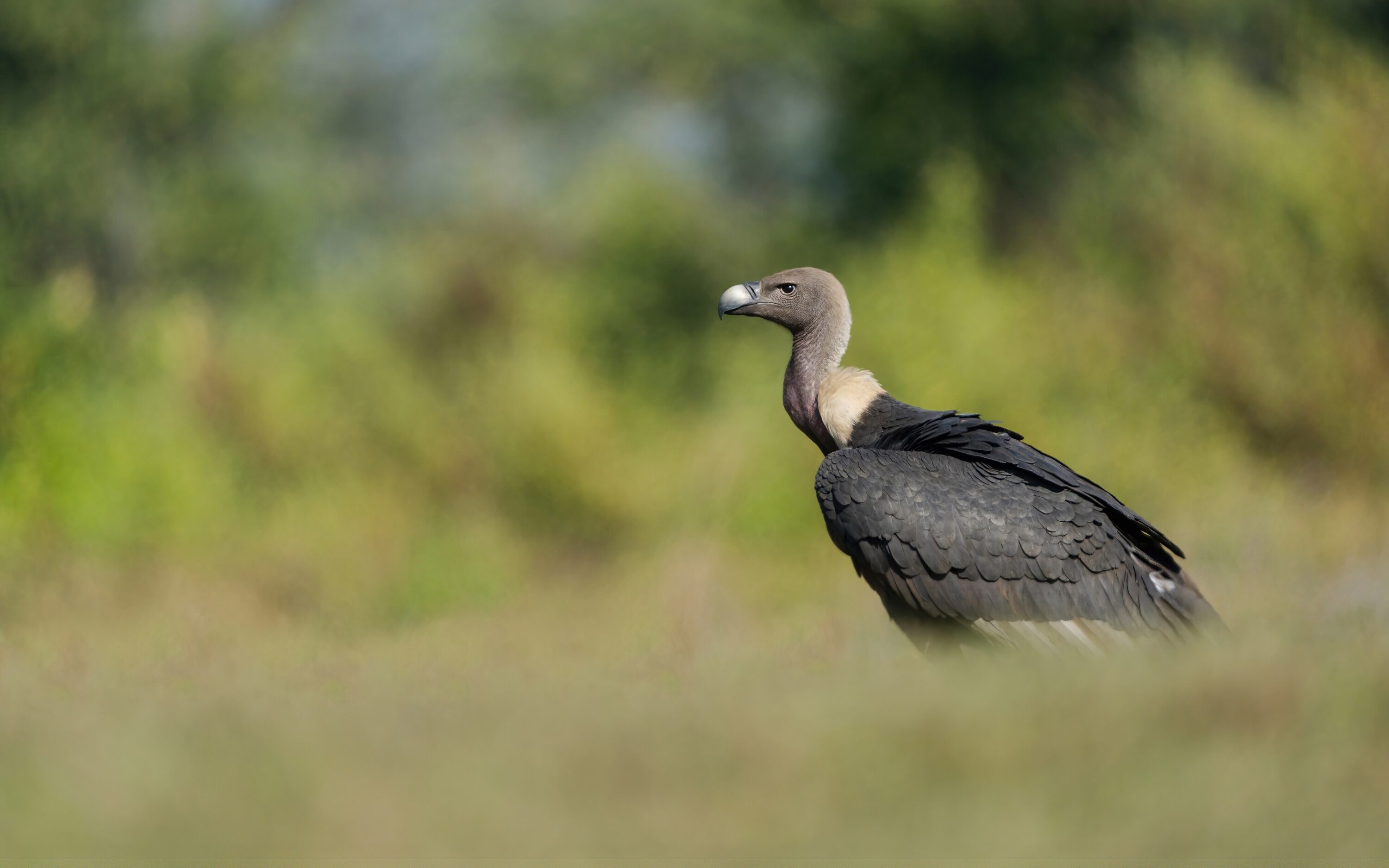
A range-wide habitat model published on 28 May 2026 projected major future losses of highly suitable habitat for the critically endangered White-rumped Vulture (Gyps bengalensis) across South and Southeast Asia. Under the higher-emissions SSP3-7.0 scenario, highly suitable habitat could decline by up to 60% by 2100.
The researchers built a species-distribution model from 1,248 occurrence records collected from 2018 to 2024 and 19 variables describing climate, terrain and human pressure. In practical terms, the model identified the combinations of environmental conditions associated with recorded vultures and mapped where similar conditions occur across the wider region. Areas classified as highly suitable are therefore model predictions, not confirmation that vultures occupy every such location.
Only about one-fifth of the study area was highly suitable
Under current conditions, the model classified 20.7% of the study area as highly suitable habitat. India, Pakistan and Nepal contained the largest extents of this high-suitability habitat.
Future projections were produced for 2040, 2070 and 2100 under both SSP1-2.6 and SSP3-7.0. The projected contractions were strongest under SSP3-7.0, showing that climate trajectory could substantially alter where the species retains favourable conditions.
Most highly suitable habitat is outside protected areas
The analysis also found a major protection gap: more than 88% of currently highly suitable habitat lies outside protected areas. That means much of the landscape identified by the model as most favourable is exposed to land-use change and other human pressures without formal protection.
The study is a spatial model rather than a direct forecast of future vulture numbers. Its value lies in identifying where suitable conditions are concentrated now, where they may contract under future climates, and where habitat protection and risk reduction could be targeted most effectively.
Threats
Related news
Cambodia Counted at Least 163 Vultures in 2025, Up 22% From 2024
Cambodia’s official 2025 minimum estimate counted 163 white-rumped, slender-billed and red-headed vultures combined—22% more than in 2024 and…
Read story →
Released White-rumped Vultures Raised a Chick in India for the First Time
Thirty-one captive-bred White-rumped Vultures were released in Buxa Tiger Reserve from 2021 to 2023. Six formed three pairs,…
Read story →
Nepal’s White-rumped Vulture Population Grew 12.7% a Year; Adult Survival Was Estimated at 94.7%
Nepal’s White-rumped Vulture population grew by an estimated 12.7% a year from 2013 to 2025. Estimated annual survival…
Read story →SPECIES IN THIS STORY
Species in this story
Independent research and conservation news archive
Did you find this information useful?
Wildlife Vagabond is independently built and maintained. Voluntary support helps cover source verification, hosting and continued work on research and conservation news.
Support Wildlife VagabondThe news archive will remain freely available.