
Most Modelled Suitable Mugger Crocodile Habitat Lies Outside Existing Protected Areas
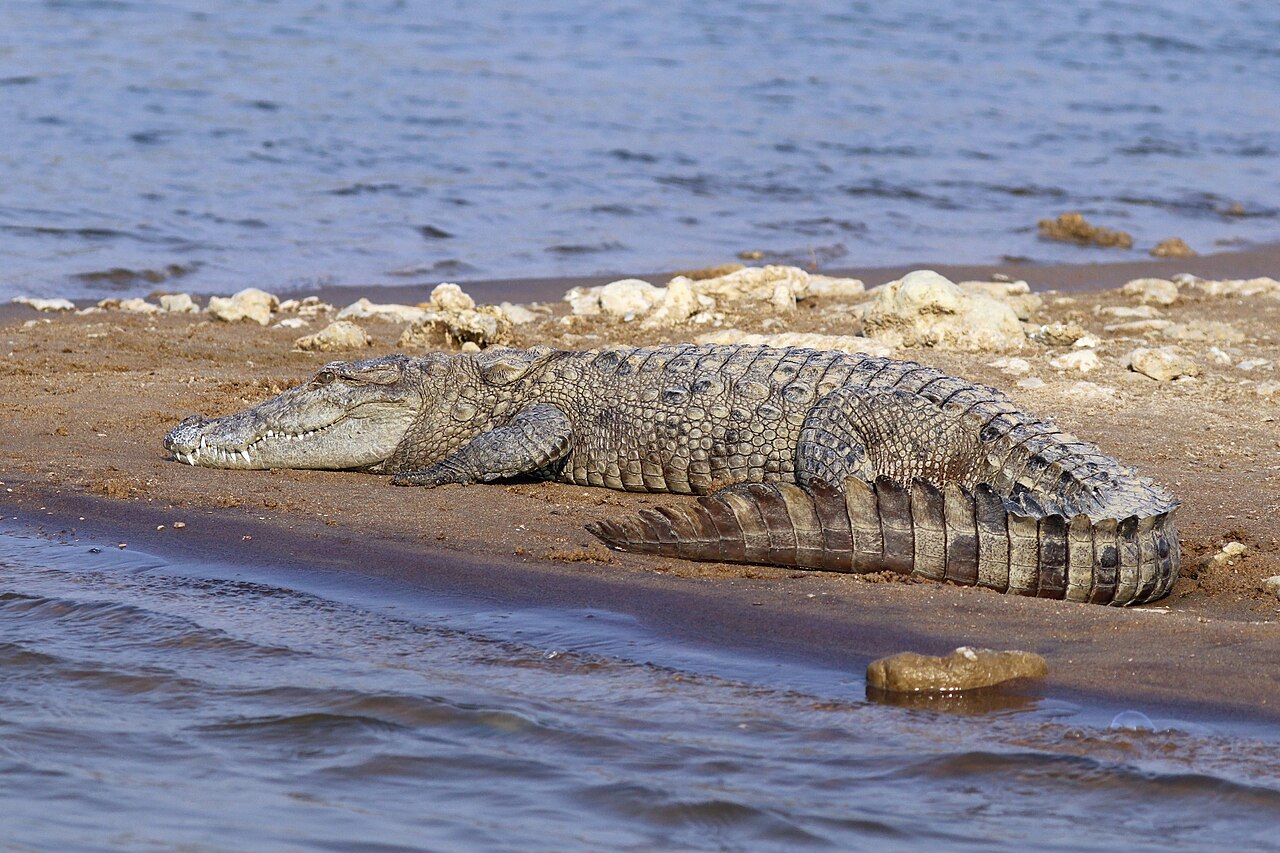
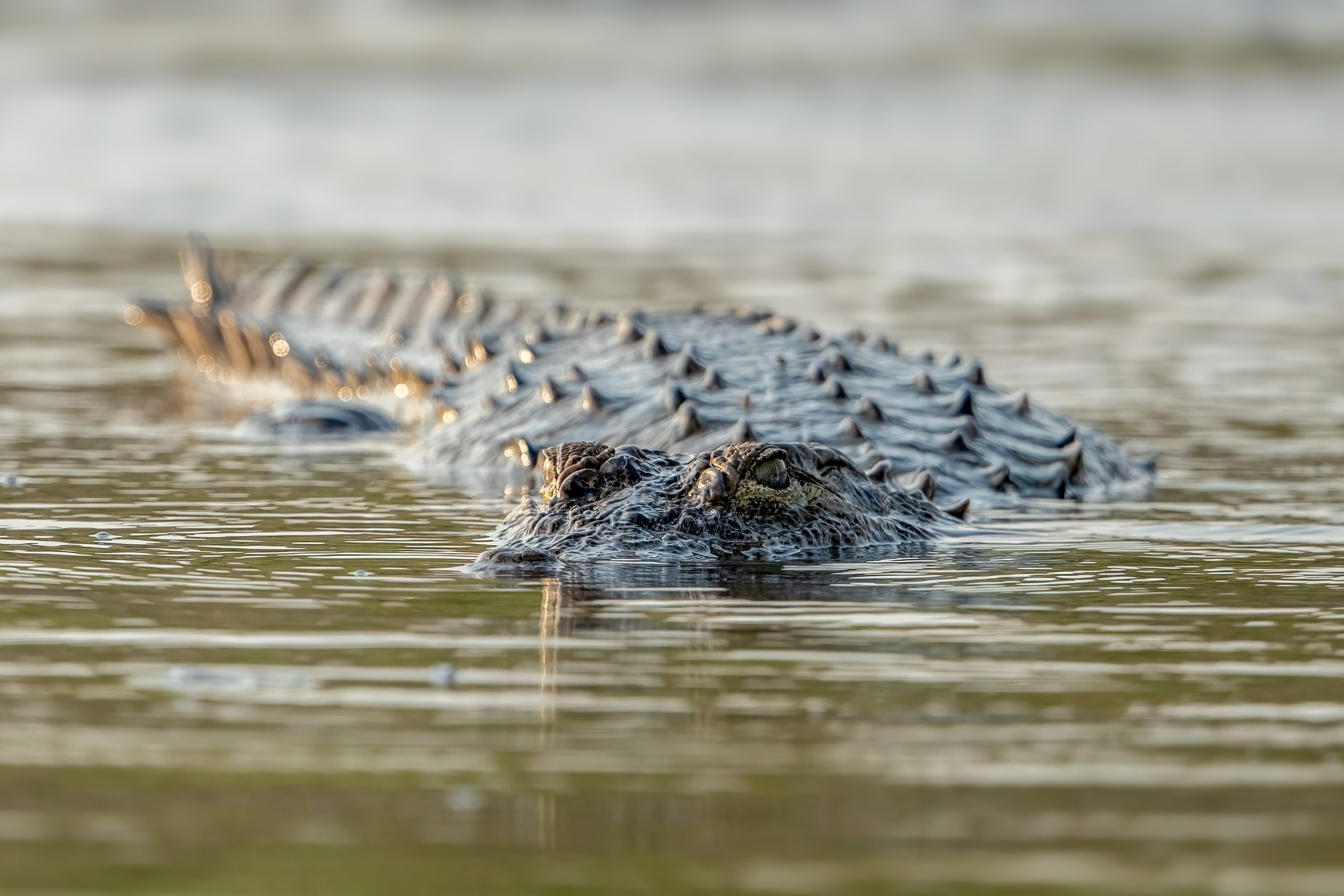
A new conservation-planning study for the mugger crocodile (Crocodylus palustris) suggests that much of the potentially suitable habitat for the species in southern India lies outside the existing protected-area network.
Researchers built a multiscale habitat model for the Cauvery River Basin and estimated 2,209.5 km² of potentially suitable habitat. Only 38.1% of that area overlapped with existing protected areas, leaving roughly 62% of the modelled suitable riverine landscape without formal protection.
Habitat drivers operated at different spatial scales
The strongest habitat relationships were not all operating at the same spatial scale. Most predictors were strongest at fine to moderate scales of 500–2,000 metres, while some topographic and hydrological variables were retained at a broader 8,000-metre scale. In biological terms, this means that habitat suitability depended both on conditions close to a river section and on the broader landscape context around it. Stable temperature, the distribution of wetlands, distance from roads and terrain wetness were among the key variables retained by the model. Overall, the results point towards areas with relatively low disturbance and well-distributed wetland habitat.
Priority habitat extended beyond protected areas
The researchers then combined the habitat model with a systematic conservation-planning analysis. This identified 990 km² of priority regions, including five particularly high-priority areas covering a combined 540 km² outside the current protected network.
The authors use the model to identify priority areas for surveys, habitat protection and river-basin conservation planning, including suitable areas outside the existing protected-area network.
Habitat protection
Related news
Falling Tungabhadra Water Levels Brought Mugger Crocodiles Onto Riverbanks in Kurnool
Receding water in the Tungabhadra brought mugger crocodiles onto exposed banks in Kurnool, where one was attacked by…
Read story →
Mugger Crocodile Habitat Use in the Moyar River Was Most Closely Linked to Fish Biomass
A 2026 Wildlife Institute of India dissertation found that mugger crocodile habitat use in the Moyar River was…
Read story →
Wild Adult Mugger Crocodile Recorded Galloping for the First Time
A 2026 natural-history note reports the first known record of a free-ranging adult mugger crocodile galloping, after a…
Read story →SPECIES IN THIS STORY
Species in this story
Independent research and conservation news archive
Did you find this information useful?
Wildlife Vagabond is independently built and maintained. Voluntary support helps cover source verification, hosting and continued work on research and conservation news.
Support Wildlife VagabondThe news archive will remain freely available.