
Nematode Eggs Were Found in Nine of 11 Golden Jackal Samples From Southern Poland

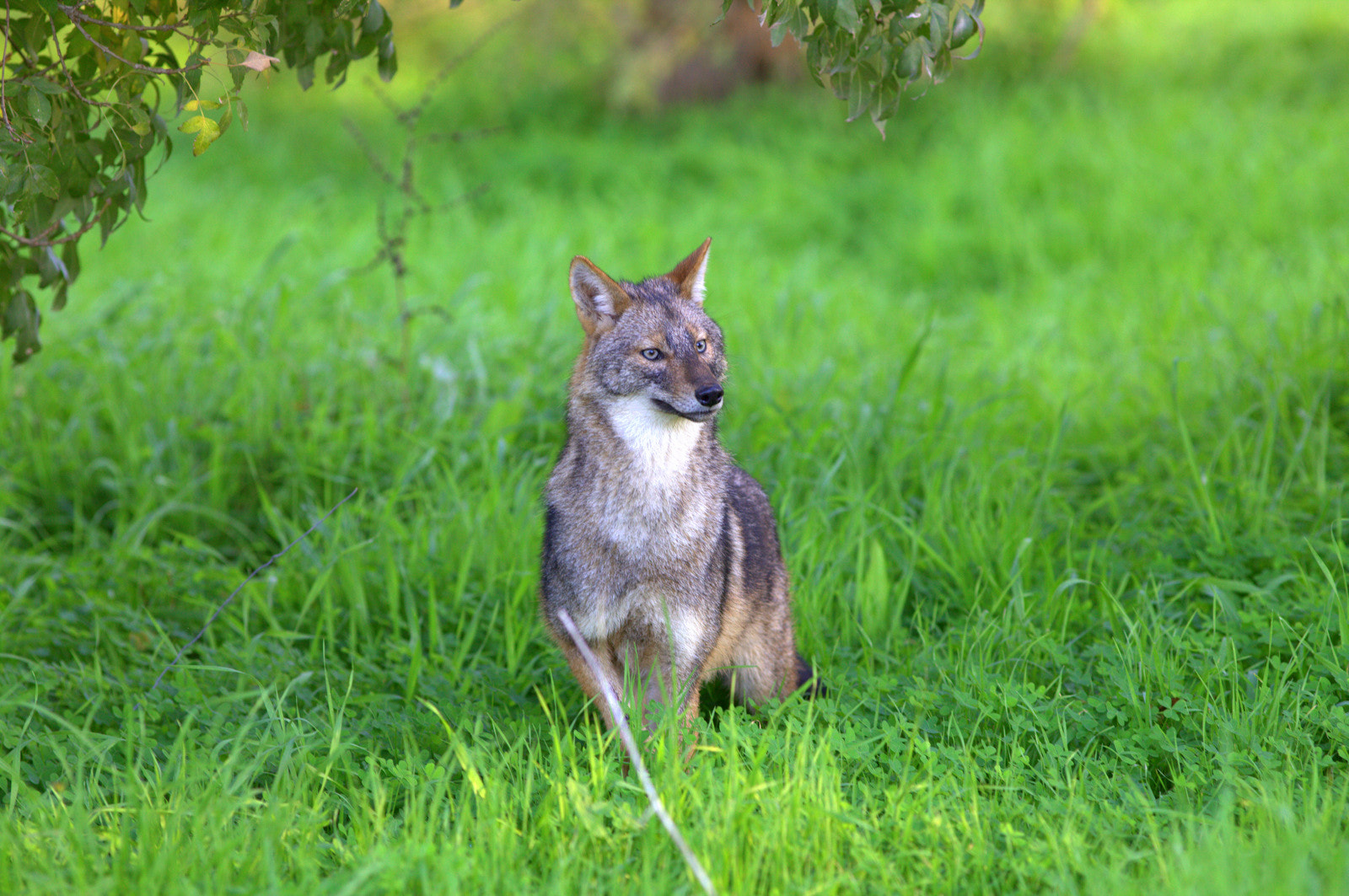
Poland’s first parasitological study of recently established golden jackals (Canis aureus) found nematode eggs in nine of 11 examined faecal samples from the country’s south, according to research published on 31 March 2026. The work focused on an area south of the Nysa Reservoir where a breeding group had been confirmed after the species’ recent expansion into Poland.
A transect is a predefined line or route used to survey an area systematically, with observations, signs or sampling points recorded along it.
Researchers used trained detection dogs to search 154 kilometres of transects in 2022. Seventeen scats were collected, of which genetic testing identified nine as golden jackal samples. Two additional samples came from hunted jackals, giving 11 samples for the parasitological analyses.
Several parasite groups were detected
Nine of the 11 samples contained eggs belonging to Toxocara and Trichuris, or to the Capillariidae and Ancylostomatidae families. Molecular testing also detected DNA from the tapeworm Mesocestoides litteratus in three samples and Taenia serialis in one sample from a hunted jackal.
Camera traps showed that places visited by golden jackals were also used by domestic dogs and cats. This overlap was relevant because several of the detected parasites can circulate among wild and domestic carnivores, and some parasite groups include species of zoonotic importance.
The study did not identify a major new health threat
Despite the parasite detections, the authors conclude that their results do not indicate that golden jackals currently represent a significant or emerging threat to the health of wildlife or people in southern Poland. The study was deliberately described as preliminary: the number of samples was small, and individual identification was possible for only three of the nine field-collected jackal scats.
The researchers nevertheless argue that continued disease surveillance is useful as golden jackals establish themselves in new parts of Europe. Monitoring can show whether parasite communities change as the species becomes more common and comes into contact with other wildlife and domestic animals.
Disease, parasites & microbiology
Related news
Similar Mammal Diversity, Different Activity Patterns in Grazed and Ungrazed Areas
Camera traps in four northern Israeli reserves found similar numbers of mammal species with and without livestock grazing.…
Read story →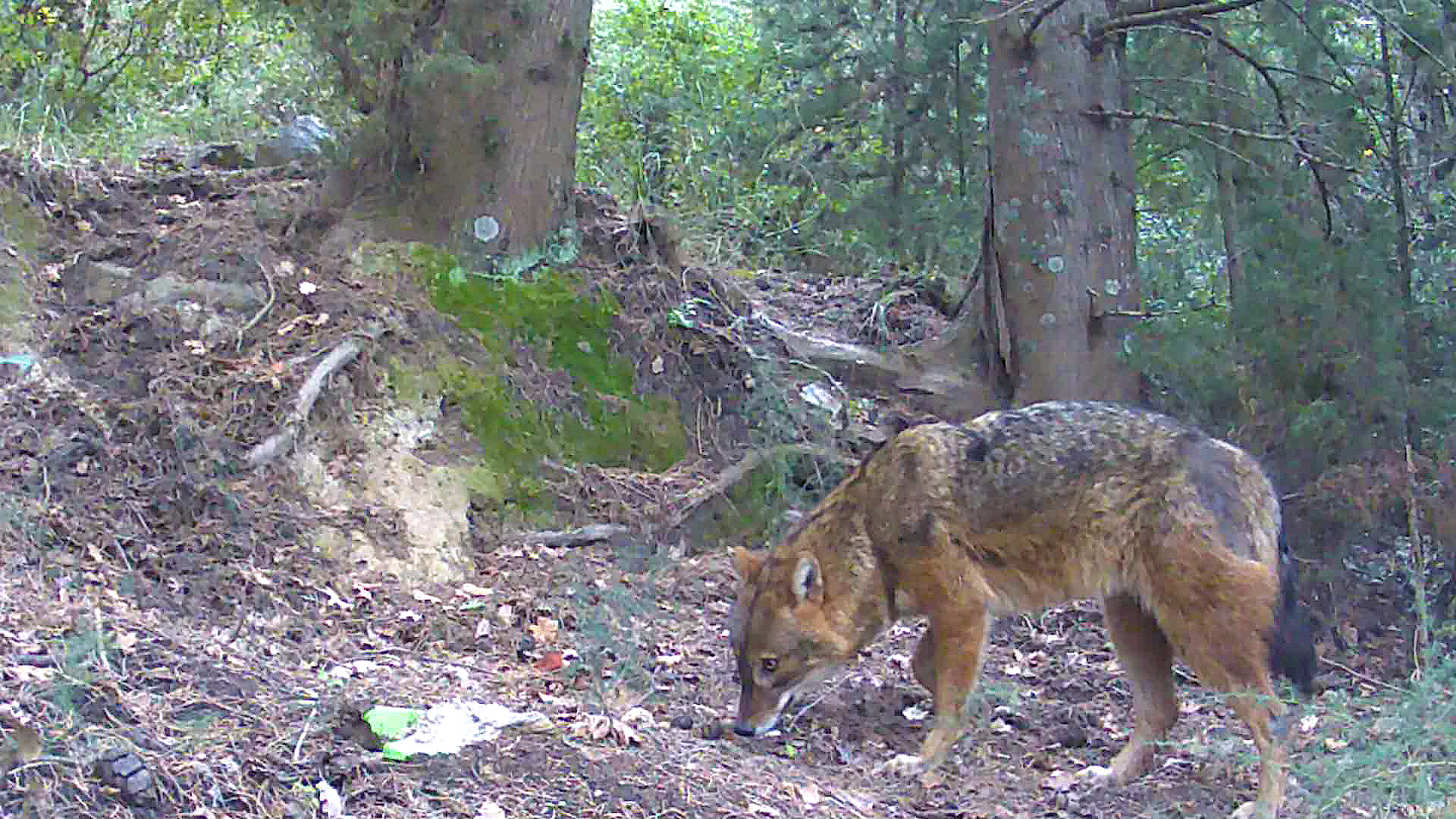
Climate Best Explained Fine-Scale Genetic Connectivity in Expanding Golden Jackals
A Eurasian landscape-genomics study of 363 golden jackals found that geography dominated genetic structure at continental scale, while…
Read story →
Most New Golden Jackal Samples Around the Adriatic Matched the Pannonian Genetic Cluster
Microsatellite analysis of 27 new golden jackal samples from Croatia, Italy, Austria and Greece assigned most animals to…
Read story →SPECIES IN THIS STORY
Species in this story

Independent research and conservation news archive
Did you find this information useful?
Wildlife Vagabond is independently built and maintained. Voluntary support helps cover source verification, hosting and continued work on research and conservation news.
Support Wildlife VagabondThe news archive will remain freely available.