
Nepal Survey Counted 20,395 Rhesus Macaques in 44 Selected Mid-hill Areas
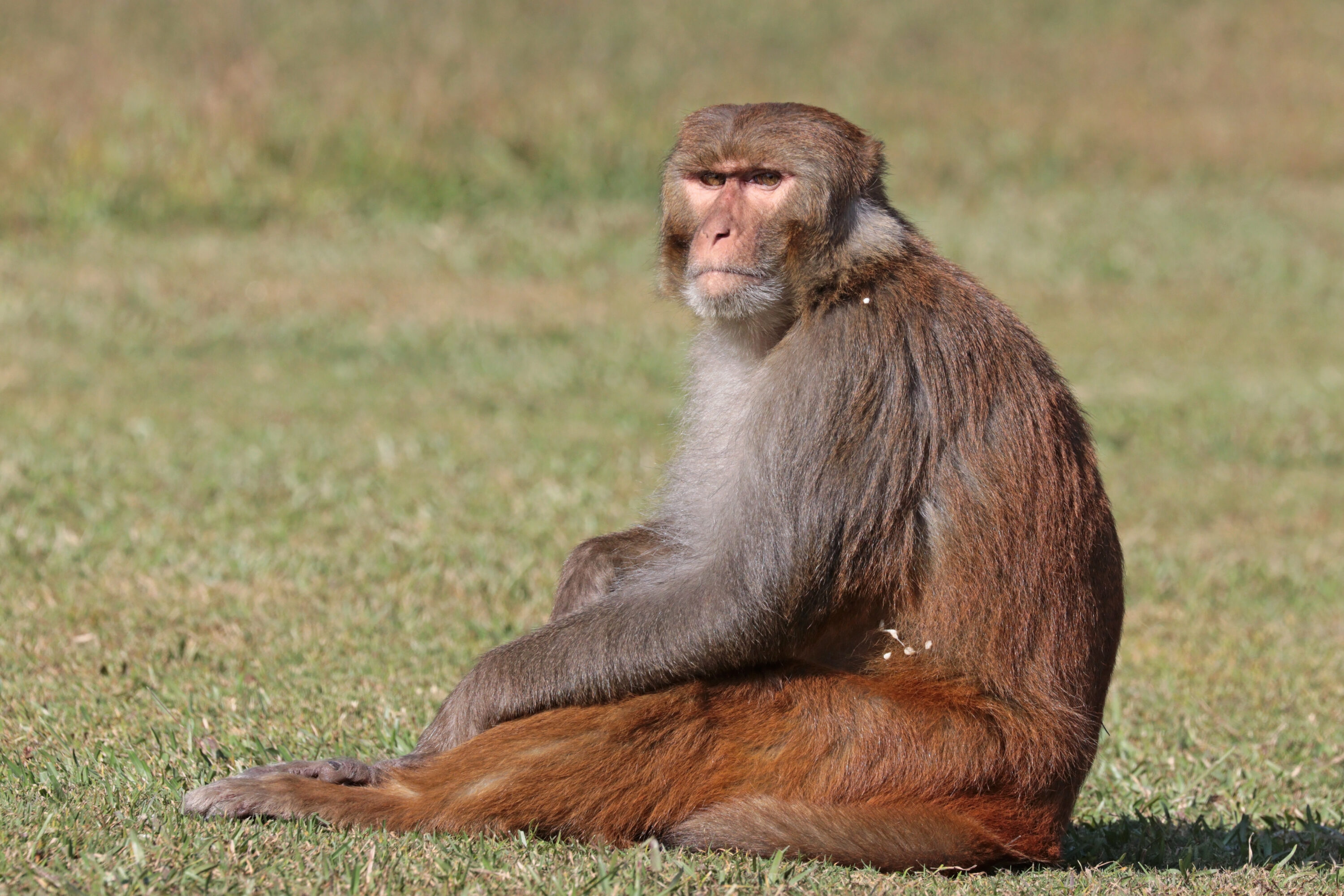
Field teams directly counted 20,395 rhesus macaques (Macaca mulatta) in 478 troops across 44 local government areas in Nepal’s mid-hills. The National Trust for Nature Conservation report, published on 7 August 2026, drew on fieldwork conducted from April to July 2025. The 44 areas were deliberately selected from places reporting substantial wildlife conflict, rather than chosen as a random sample of the whole mid-hill region. Local networks first reported monkey sightings, and field teams of one to three researchers per ward then carried out synchronised counts between 06:00 and 07:00, recording the animals they observed.
The counts covered 4,023 km². Troops averaged 42.66 animals and ranged from 5 to 198. The report also states that 16,517.57 km² of forest in the affected mid-hill regions might hold more than 104,137 rhesus macaques. That larger figure is therefore a broader estimate for an area beyond the direct counts, not another set of animals that field teams observed.
Most recorded macaques were in forest
Of the 20,395 animals counted, 84% were recorded in forest and 16% near agricultural land and forest edges. The report found larger troops near cropland and also linked larger groups with proximity to roads and food provided by people.
The population survey formed part of a wider conflict study
The rhesus macaque work was one part of a broader report on crop-raiding wildlife in Nepal’s mid-hills. A household survey of 1,846 respondents in affected areas found that 98% identified monkeys as the most problematic animal. For maize, households reported an average production of 620 kg per year and an average loss of 312 kg, or 50.3% of production. These were household-reported losses from the conflict survey rather than measurements from the macaque counts themselves.
NTNC recommends an integrated approach that combines habitat and waste management, crop protection, community participation and government support.
Population & status
Related news
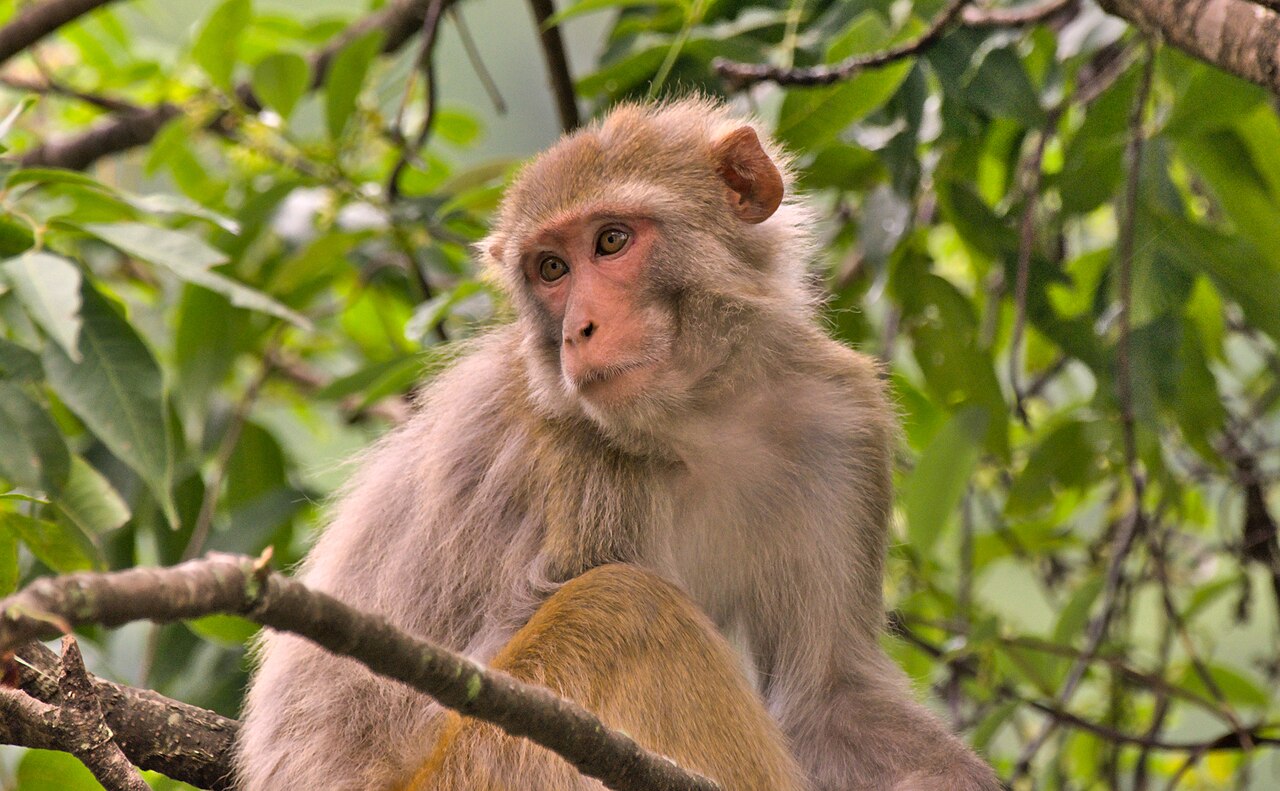
Female Rhesus Macaques That Watched Unfamiliar Female Faces Longer Were More Likely to Have Offspring the Following Year
At a semi-free-ranging population in Puerto Rico, females that spent longer looking at an unfamiliar female’s neutral face…
Read story →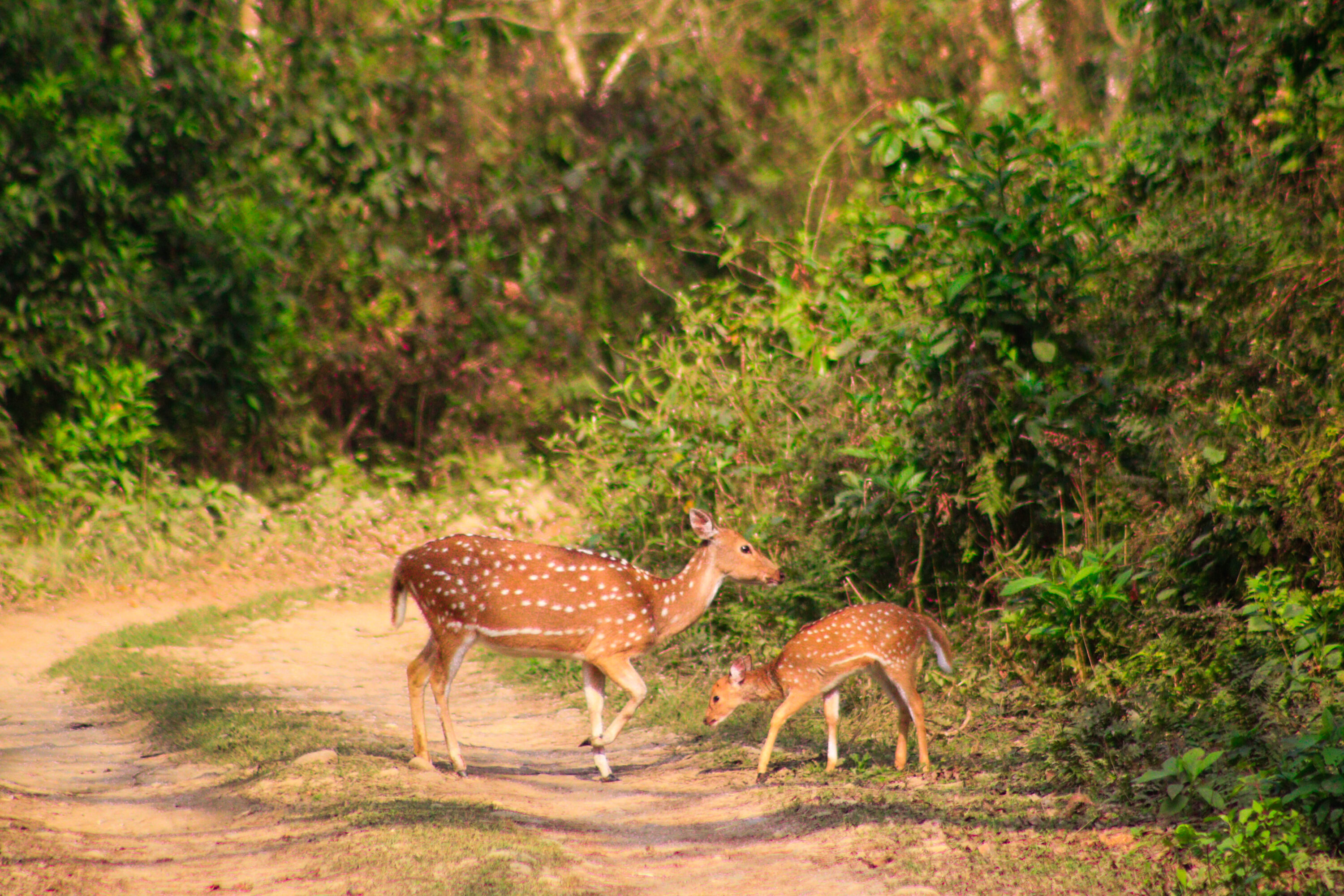
Human Activity and Large Wildlife Overlapped Most in Chitwan’s Buffer Zone
Camera traps across Chitwan National Park and surrounding forests showed the greatest overlap of human activity with large…
Read story →
Aging rhesus macaques show broader protein changes in blood than in brain fluid
A study of 66 rhesus macaques found age-related differences in many more measured proteins in plasma than in…
Read story →SPECIES IN THIS STORY
Species in this story
Independent research and conservation news archive
Did you find this information useful?
Wildlife Vagabond is independently built and maintained. Voluntary support helps cover source verification, hosting and continued work on research and conservation news.
Support Wildlife VagabondThe news archive will remain freely available.