
New Feeding Advice Aims to Curb Disease Linked to Chaffinch Decline
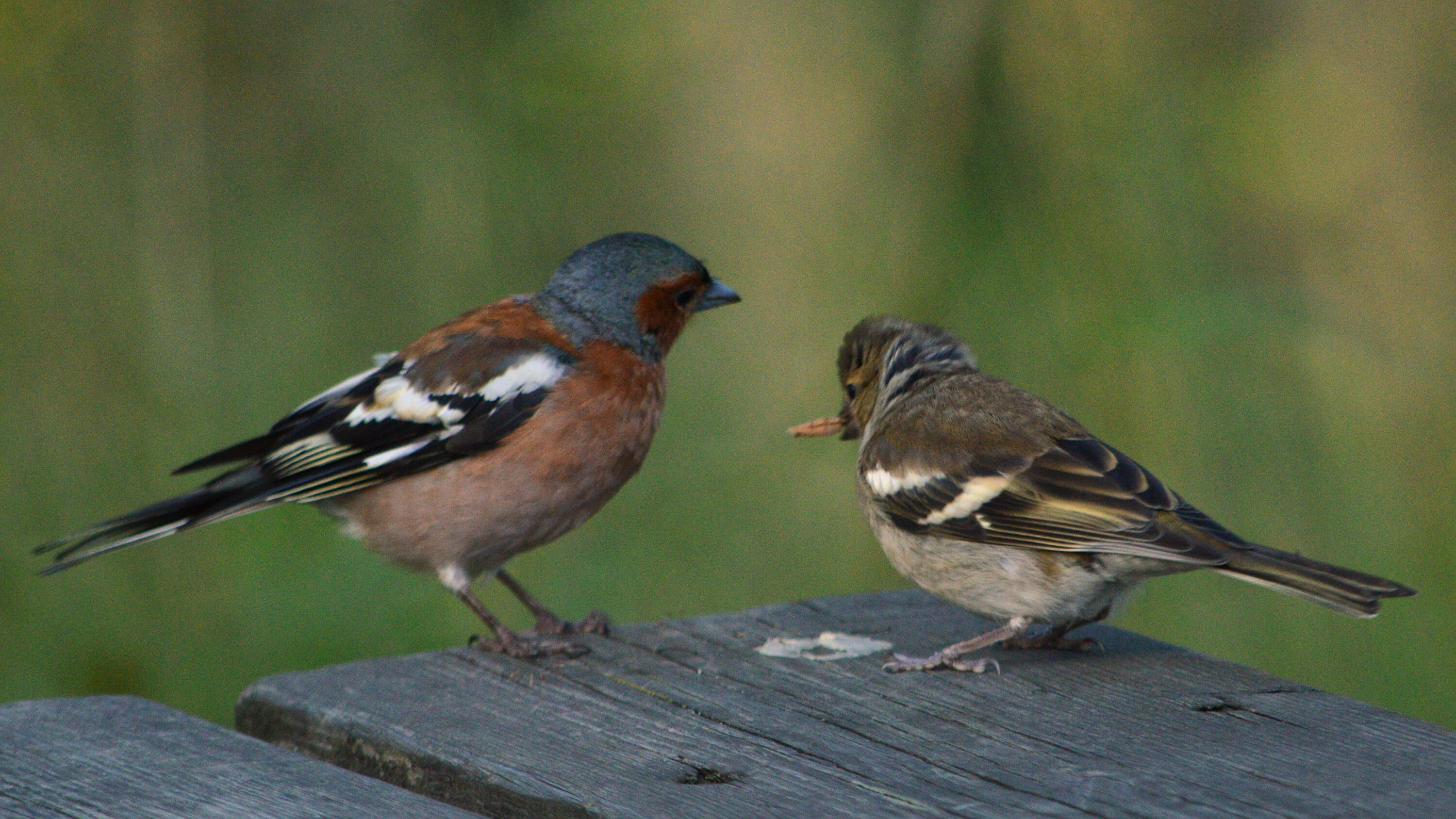
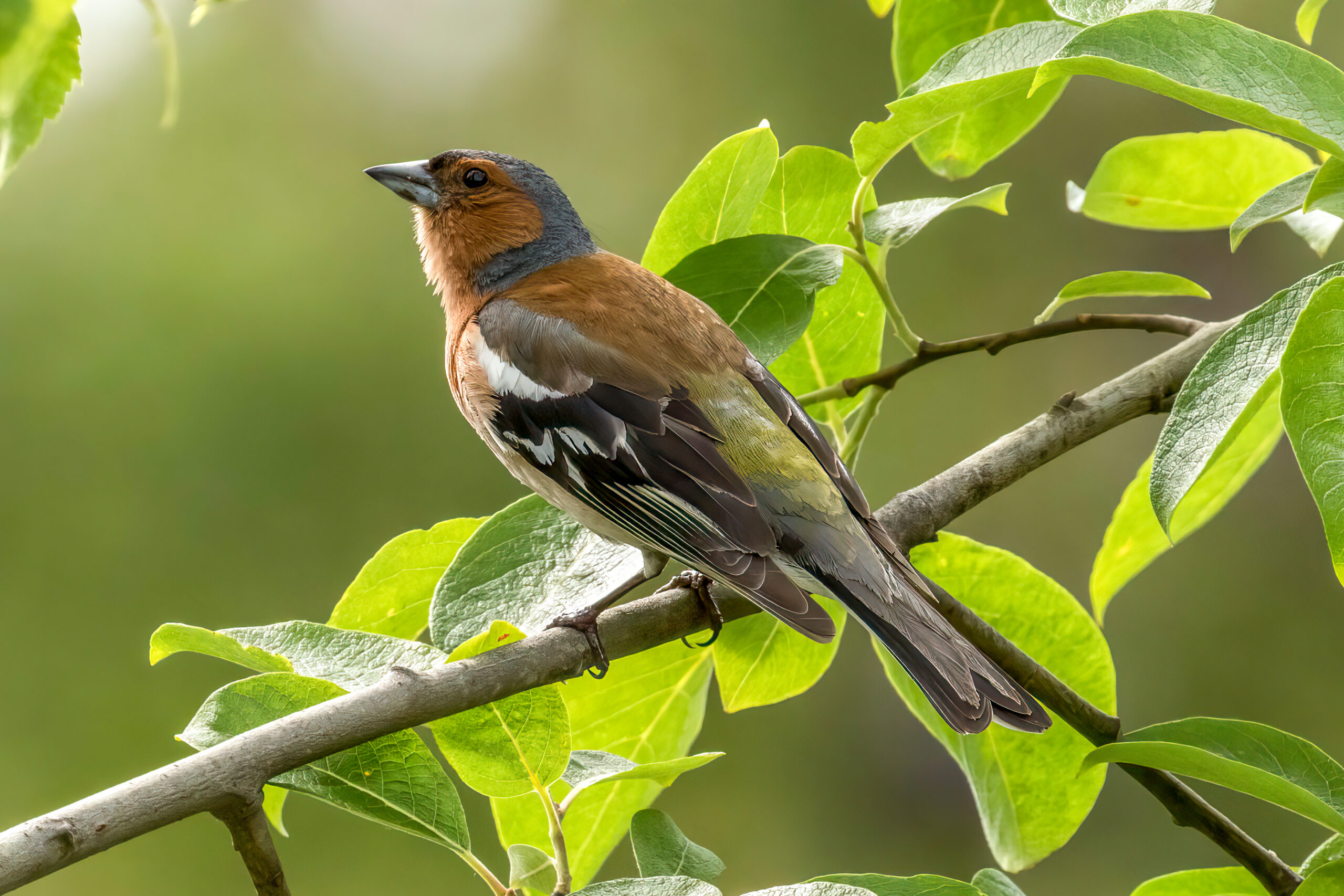
The RSPB has issued new seasonal advice on feeding garden birds after reviewing evidence that feeding sites can help spread trichomonosis, a disease implicated in the recent decline of the common chaffinch (Fringilla coelebs) in Britain. The guidance, announced on 10 April 2026, asks people to pause putting seeds and peanuts in feeders from 1 May to 31 October and to strengthen hygiene throughout the year.
The advice follows a sharp recent chaffinch decline
RSPB reports a 39% decline in British chaffinch numbers between 2012 and 2022, while BTO’s longer series shows a 26% decrease in the UK breeding population between 1967 and 2024. The larger decline over the shorter recent period is consistent with the longer history: chaffinch numbers had increased by about a third between around 1970 and 2010 before falling sharply. Research reviewed by the organisations links much of the recent decline to trichomonosis, caused by Trichomonas gallinae, a single-celled parasitic organism.
The parasite can spread when infected birds contaminate shared food or water. Feeding stations do not create the disease, but they can concentrate birds around moist food, spilled seed and communal water, conditions that can increase opportunities for transmission.
Seeds and peanuts should be paused from May through October
Under the new guidance, seed and peanut feeders should be left empty between May and October. Small quantities of mealworms, fat balls or suet can still be offered. Feeders should be cleaned and moved at least weekly, waste beneath them removed, drinking and bathing water changed daily, and water containers cleaned weekly. RSPB also recommends retiring bird tables and other flat feeding surfaces where contaminated food can accumulate.
The organisation recommends supporting birds in summer with safer foods and natural resources such as seed-bearing plants and insect-rich vegetation. Anyone seeing a sick bird should temporarily stop feeding, clean the area and report the observation through an appropriate wildlife-health scheme.
The population figures refer to Britain rather than the chaffinch’s full Eurasian range. The new feeding advice is a disease-risk reduction measure based on the available evidence; it has not yet been shown to reverse the population decline.
Threats
Related news
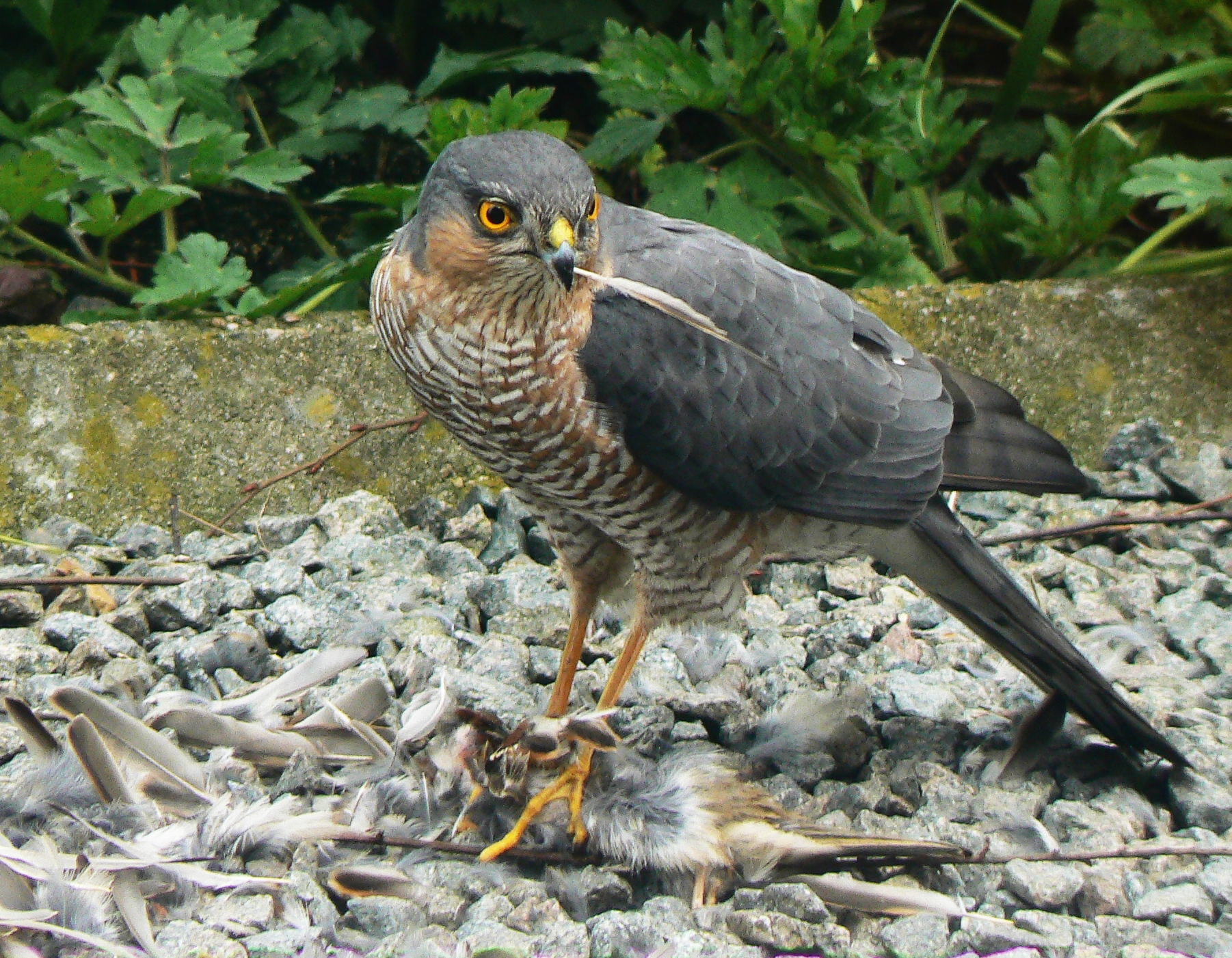
Habitat and Prey Traits Shaped Sparrowhawk Diet Around 62 Czech Nests
A 2026 Czech study of 1,107 prey items from 62 Eurasian sparrowhawk nests found that diet composition varied…
Read story →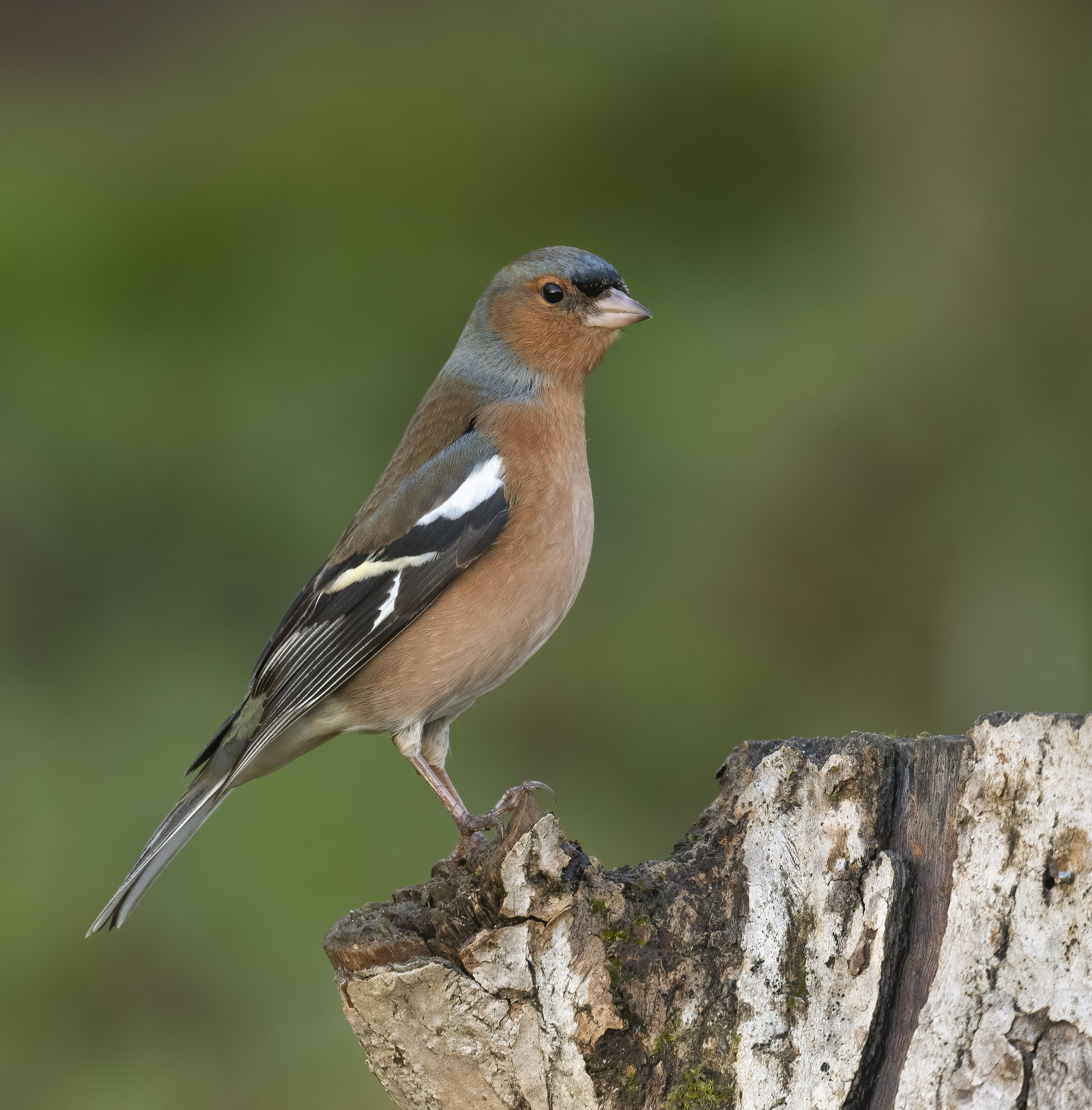
Urban Chaffinches Stayed Aggressive During a Repeated Intrusion
Male common chaffinches at an urban site maintained territorial aggression on a second trial, while rural males reduced…
Read story →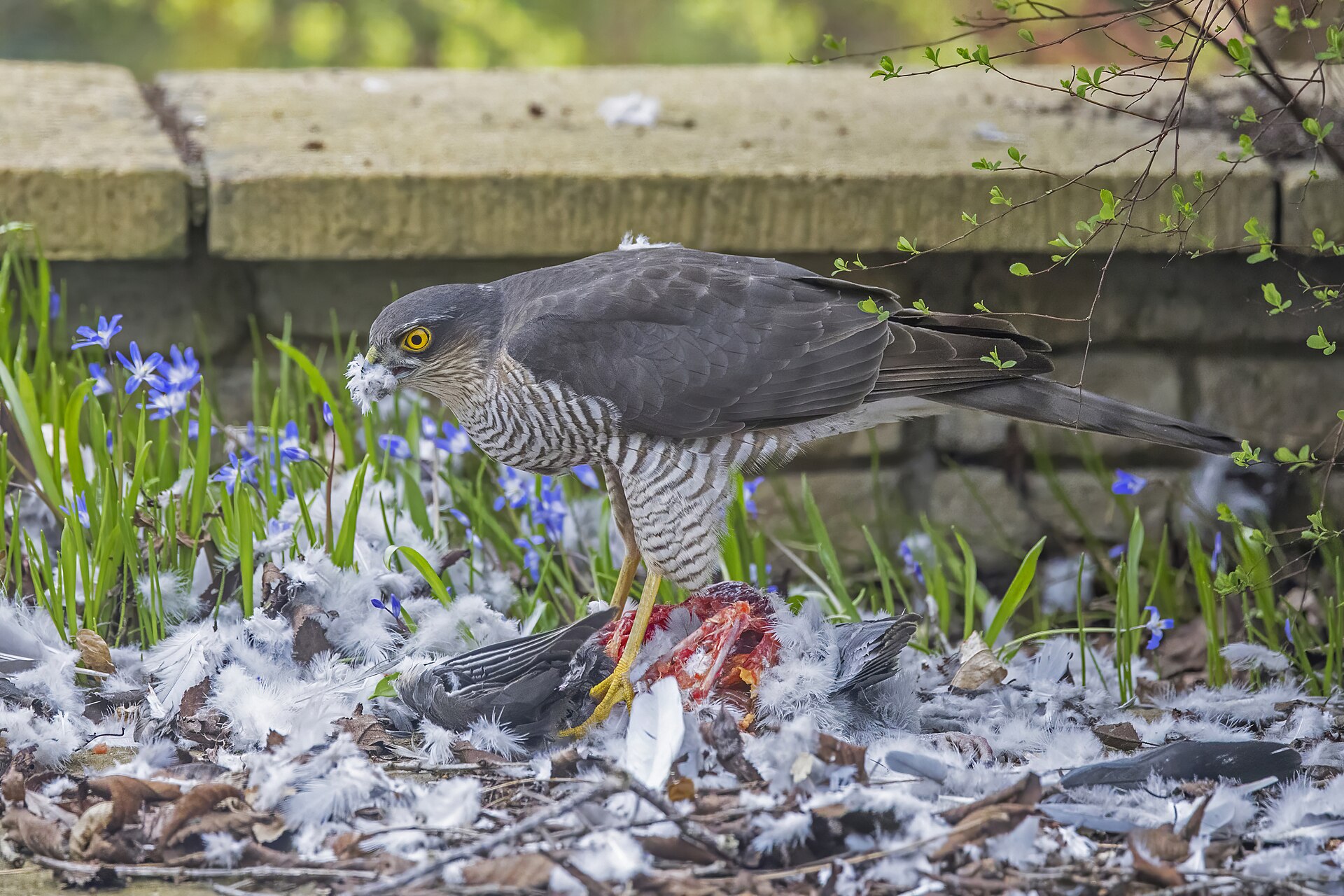
Eurasian Sparrowhawk Spring Passage Varied With the Timing of Bird Prey
Forty years of ringing data at Hel Peninsula in northern Poland linked year-to-year spring passage of Eurasian sparrowhawks…
Read story →SPECIES IN THIS STORY
Species in this story
Independent research and conservation news archive
Did you find this information useful?
Wildlife Vagabond is independently built and maintained. Voluntary support helps cover source verification, hosting and continued work on research and conservation news.
Support Wildlife VagabondThe news archive will remain freely available.