
Nest Site and Breeding Timing Did Not Predict Brood Sex Ratio in Iranian Black-crowned Night Herons
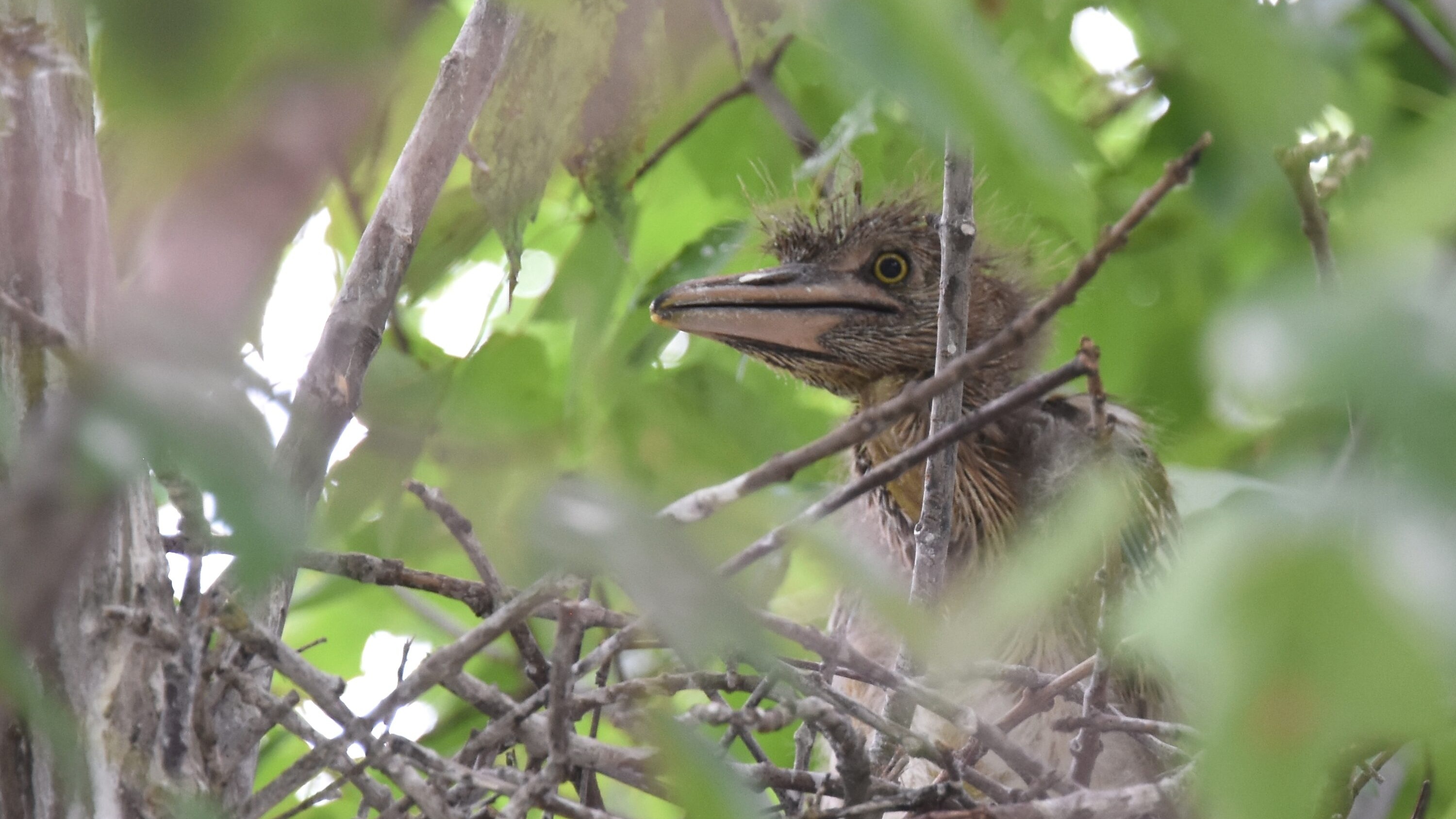
A study of black-crowned night herons (Nycticorax nycticorax) in northern Iran found no clear relationship between the sex ratio of nestlings and the characteristics of the nest site, timing of breeding, brood size or nestling body mass. Brood sex ratio — the proportion of male nestlings within a brood — is used to test whether breeding conditions are associated with how offspring sex is allocated. The study was published on 3 June 2026 in Ecology and Evolution.
The researchers studied 18 nests at the Zaghmarz Forest and Rangeland Research Station in Mazandaran Province during the 2023 breeding season. The site lies close to the southern Caspian Sea and the Miankaleh and Lapoo-Zaghmarz wetlands. Blood samples were collected from 54 nestlings, and sex was determined by PCR analysis of sex-linked CHD genes on the birds’ Z and W chromosomes.
The sampled nests contained 38 male and 16 female nestlings in total. Because brood sex ratio was calculated separately for each nest, the mean across the 18 broods was 67.6% male.
The researchers compared brood sex ratio with several characteristics of the nest and nest tree, including nest diameter, height above ground, trunk circumference, the number of nests in the same tree and the position of the nest within the tree. None showed a clear relationship with the proportion of male and female nestlings.
The timing of breeding was also unrelated to brood sex ratio. The same was true for brood size and nestling body mass, which the researchers used as an indicator of body condition. The results therefore did not support the study’s predictions that higher-quality nest sites, earlier breeding, larger broods or better nestling condition would be associated with a higher proportion of males.
The authors suggest that sex allocation in black-crowned night herons may instead depend more strongly on genetic mechanisms or on physiological and environmental factors that were not measured in the study. They note that this was the first study to examine ecological factors associated with brood sex ratio in a member of the heron family.
The researchers also describe important limitations of the work. Molecular sexing was costly, which limited the sample size, and the age and physical condition of the adult parents could not be measured. Because black-crowned night heron chicks hatch asynchronously, differences in nestling size within a brood also could not be interpreted straightforwardly as differences in condition.
Reproduction & development
Related news

Waterbird Nest Counts Nearly Halved at an Indian Wetland, but Bird Numbers Showed No Clear Decline
At Vettangudi Bird Sanctuary in India, recorded waterbird nests fell from 396 to 190 across eight sampled breeding…
Read story →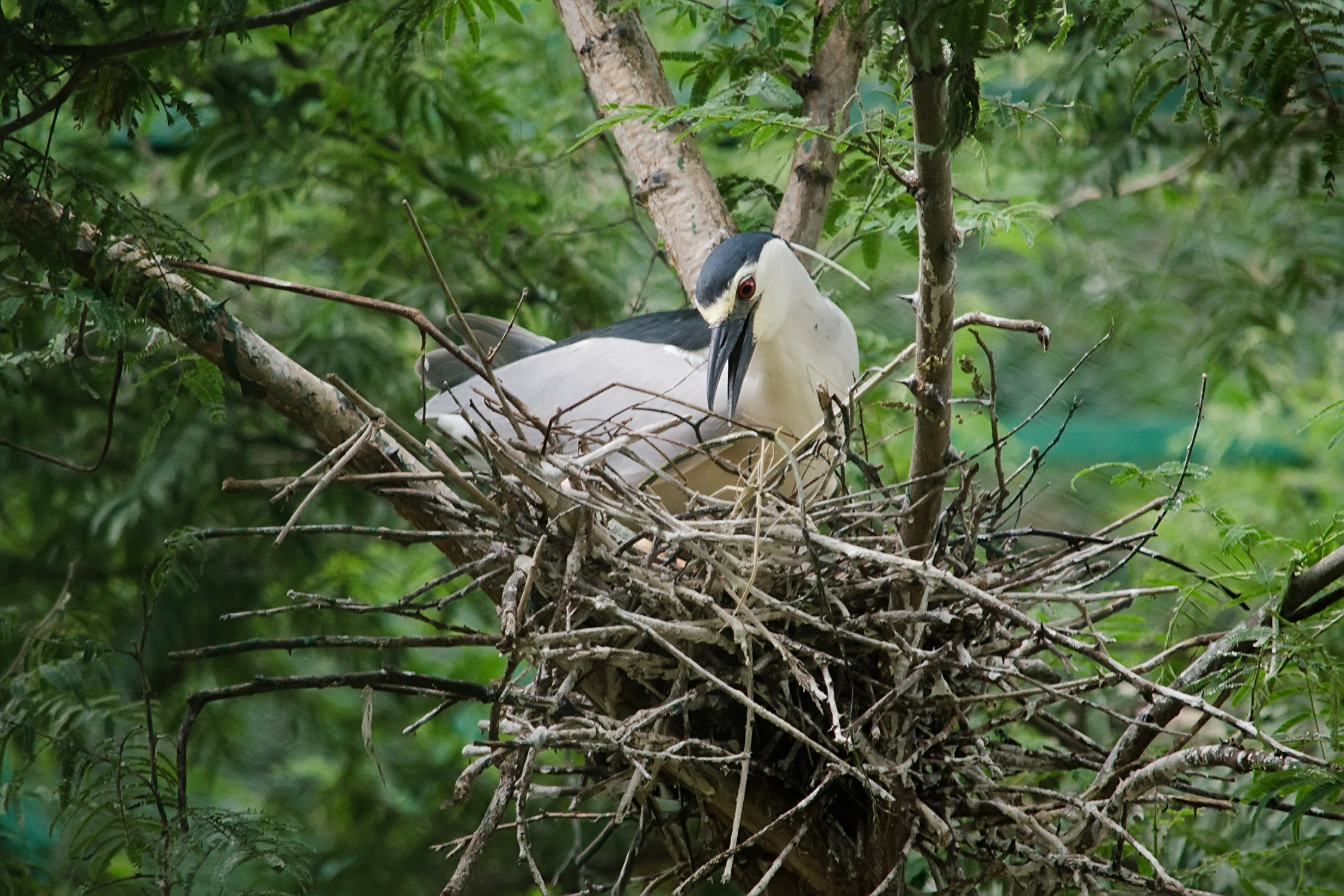
Black-crowned Night Herons Had 87.7% Hatching Success Across Four Algerian Wetland Colonies
A five-year study of four wetland colonies in north-eastern Algeria found a mean clutch of 3.3 eggs and…
Read story →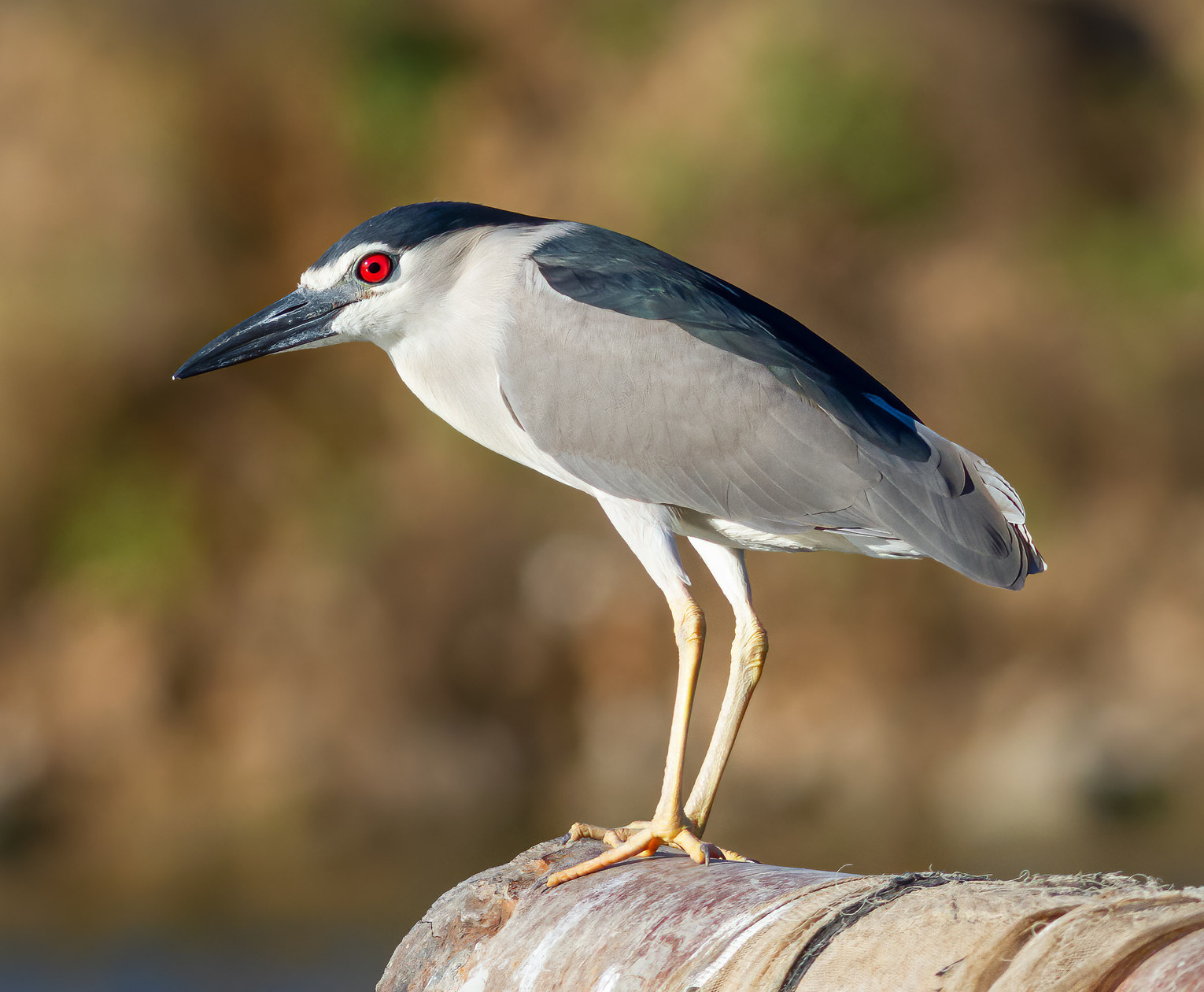
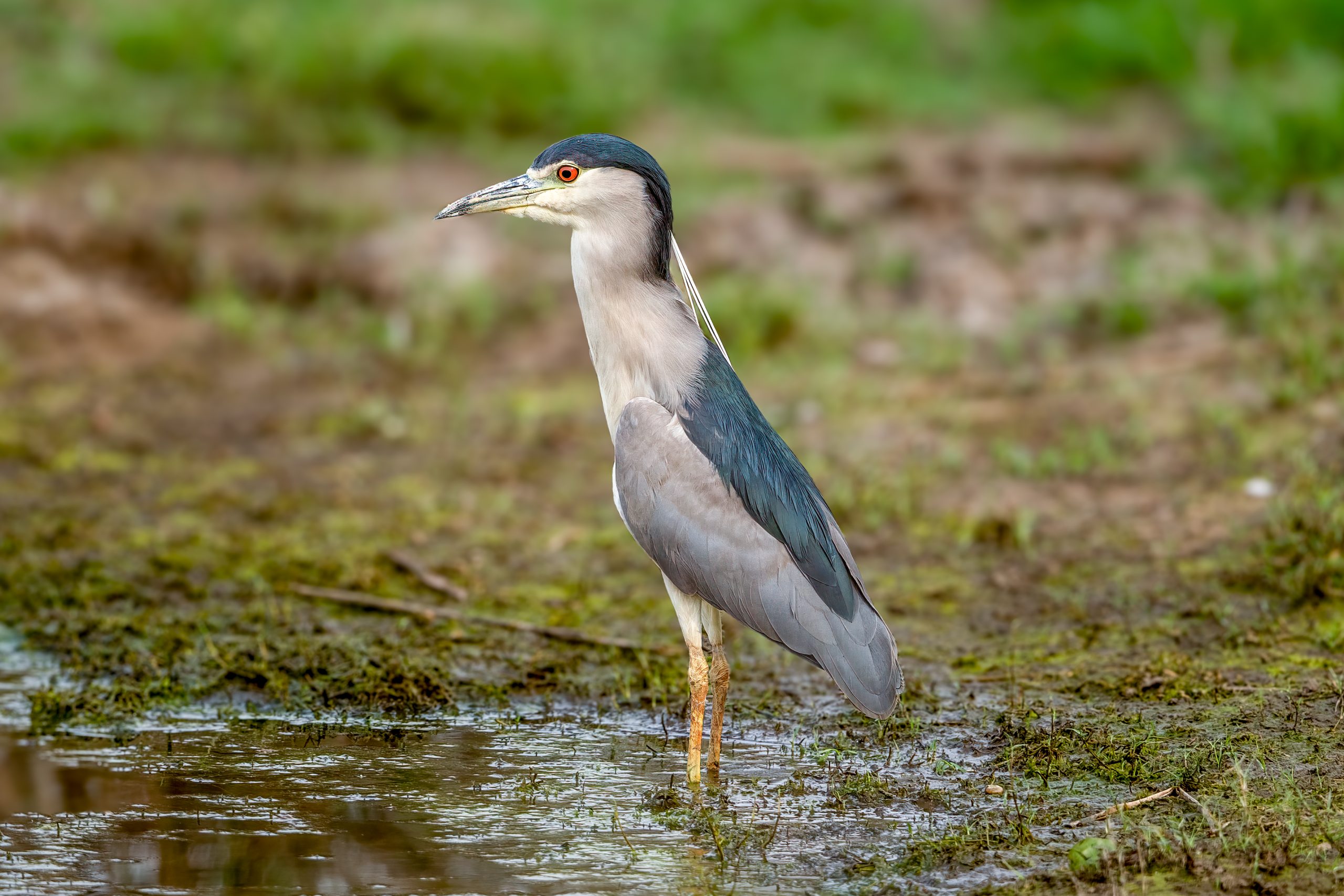
New nematode species described from black-crowned night herons in Israel
Fourteen adult nematodes collected from the stomach lining of three black-crowned night herons in Israel led to the…
Read story →SPECIES IN THIS STORY
Species in this story
Independent research and conservation news archive
Did you find this information useful?
Wildlife Vagabond is independently built and maintained. Voluntary support helps cover source verification, hosting and continued work on research and conservation news.
Support Wildlife VagabondThe news archive will remain freely available.