
New reference genome reveals deep demographic history of the Nile crocodile
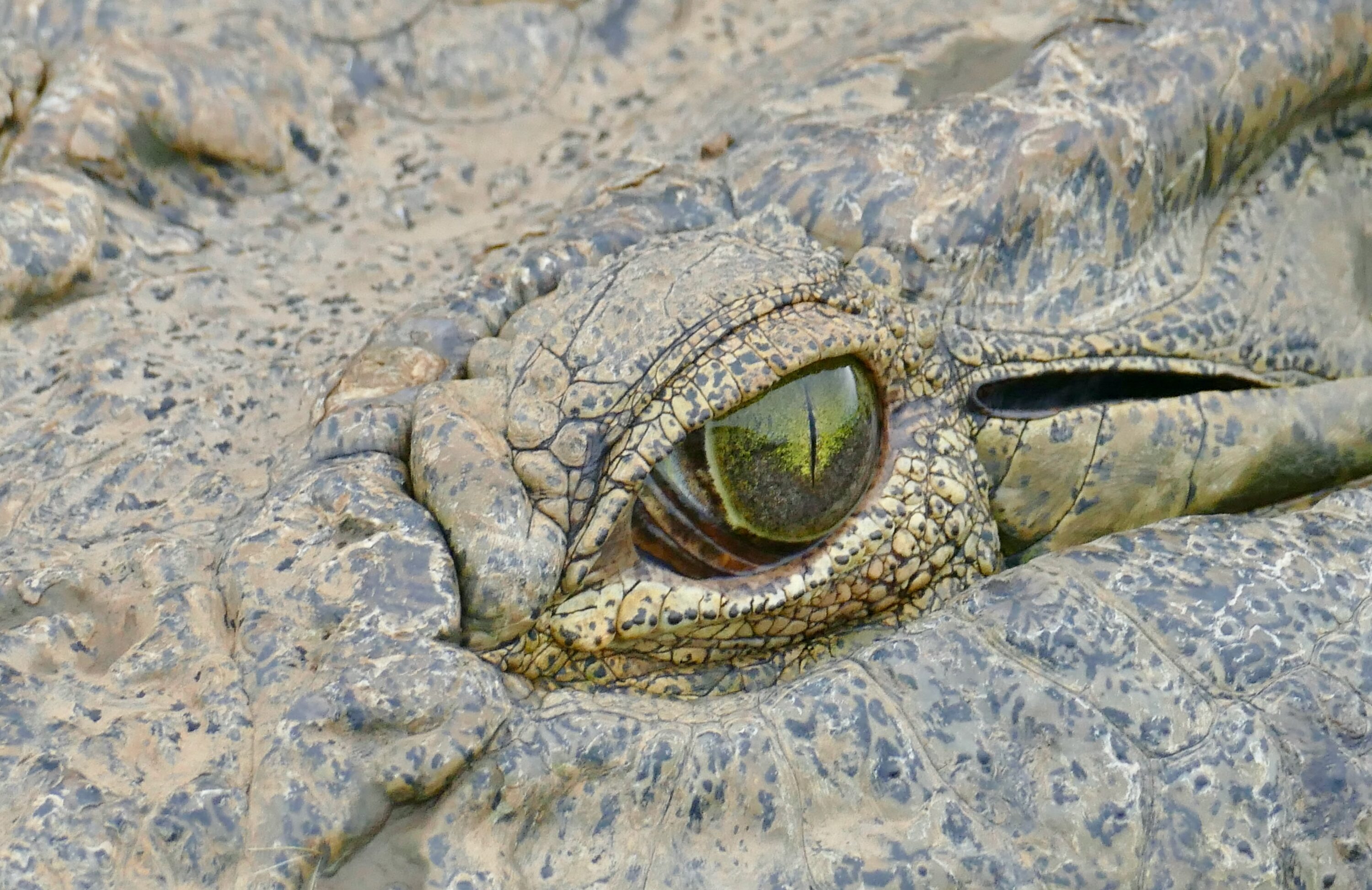
A new genomic study published in 2026 has produced a reference-quality genome for the Nile crocodile (Crocodylus niloticus) and used it to reconstruct the species’ long-term demographic history and compare genome evolution across crocodilians.
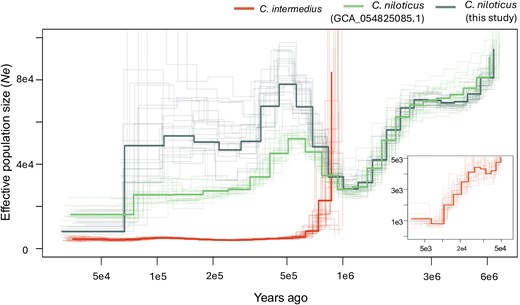
The researchers generated long-read genome assemblies for the Nile crocodile and the critically endangered Orinoco crocodile. They then compared these genomes with other available crocodilian genomes to examine chromosome structure, historical effective population size and patterns of molecular evolution. Effective population size is a genetic measure of how many individuals effectively contribute to the gene pool over time; it is not a census of how many crocodiles were alive.
The genome assembly retained extensive large-scale structural similarity
The Nile crocodile reference assembly was organised into 16 chromosome-scale sequences and showed extensive large-scale conservation of chromosome structure when compared with the Chinese alligator. Although the analyses detected candidate rearrangements and inversion breakpoints, the overall pattern showed that major sections of the genome have remained structurally similar across deeply separated crocodilian lineages.
Nile crocodiles showed much larger historical effective population sizes
The demographic analysis also revealed a strong contrast between the two focal crocodile species. The Nile crocodile showed substantially larger historical effective population sizes than the Orinoco crocodile across comparable time periods. In the two Nile crocodile genomes analysed, estimated effective population sizes in the most recent modelled intervals were roughly 9,100 and 18,200, compared with about 1,265 for the Orinoco crocodile in its most recent interval. Earlier Nile crocodile estimates reached several tens of thousands. These values reconstruct long-term genetic history over broad time intervals and should not be read as present-day population counts.
Protein-coding genes showed additional lineage differences
Genome-wide analyses of protein-coding genes found further differences among crocodilian lineages. The Nile crocodile had the lowest genome-wide ratio of non-synonymous to synonymous substitutions among the lineages compared. This ratio contrasts DNA changes that alter a protein with changes that do not; a lower value is consistent with more efficient purifying selection removing harmful protein-altering variants over evolutionary time. The study also identified candidate genes showing signals of positive selection in both focal species. These genes included functions connected to ion transport, endocrine regulation and cellular signalling.
The new reference genome provides a higher-resolution basis for comparing evolutionary and demographic histories within Crocodylus. The authors link the contrasting genomic patterns between the two focal species to their very different long-term population histories.
Genetics & genomics
Related news
80% of 42 Interviewed Lake Nasser Fishermen Reported Crocodile Damage to Fishing Gear
Among 42 interviewed Lake Nasser fishermen, 80% reported crocodile damage to fishing gear, while 64% supported protecting Nile…
Read story →
Uganda’s 2026 wildlife assessment highlights long-term Nile crocodile decline and local recovery
Uganda’s 2026 wildlife report says long-term Nile crocodile monitoring shows an overall decline since the 1960s but local…
Read story →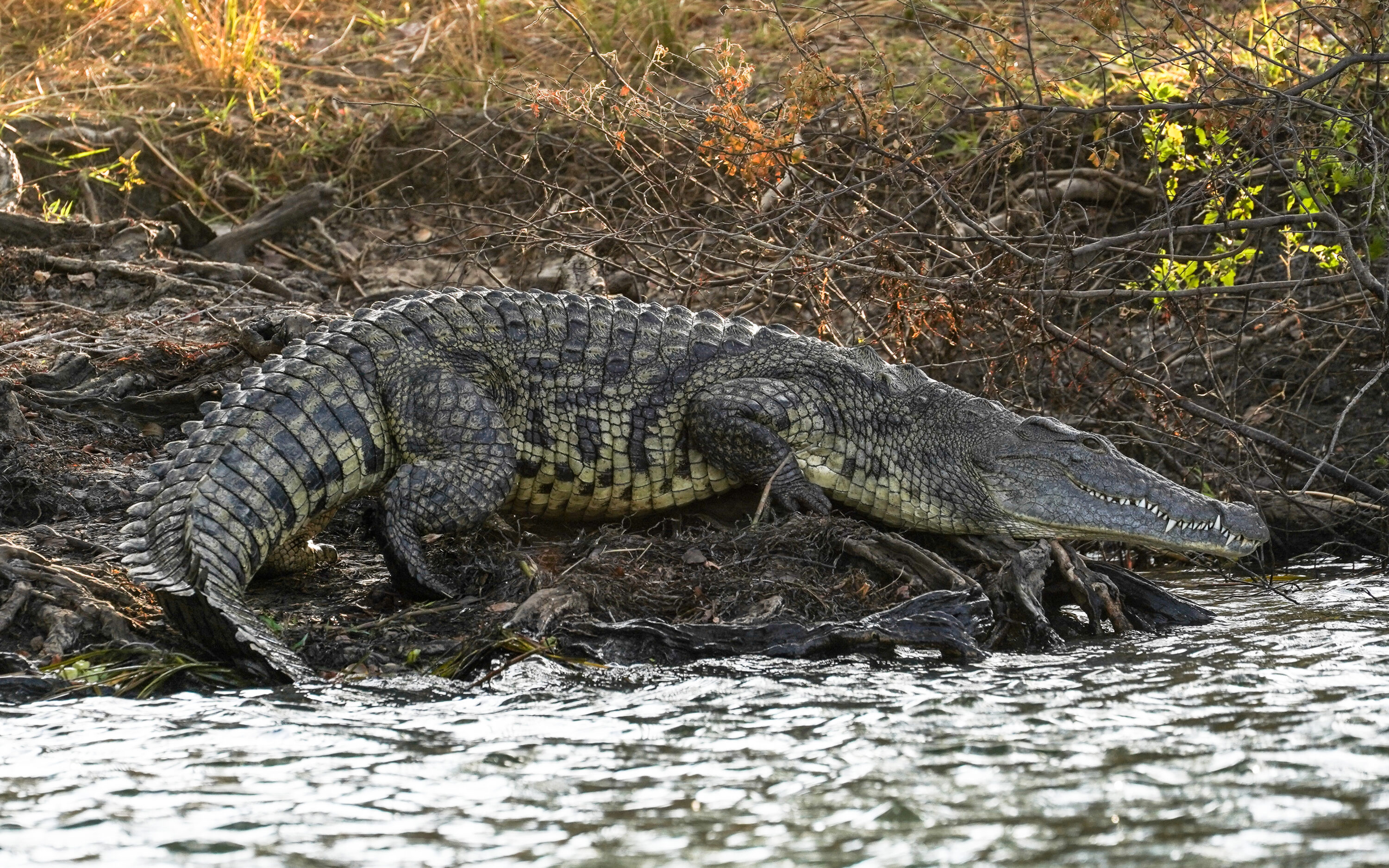
New Parasite Genus Described From a Wild Nile Crocodile in Namibia’s Kavango River
The new fluke Ngubuvangandu francoisjacobsi, described from the intestine of a wild Nile crocodile in Namibia’s Kavango River,…
Read story →SPECIES IN THIS STORY
Species in this story
Independent research and conservation news archive
Did you find this information useful?
Wildlife Vagabond is independently built and maintained. Voluntary support helps cover source verification, hosting and continued work on research and conservation news.
Support Wildlife VagabondThe news archive will remain freely available.