
Non-Breeding Night Herons Used Home Ranges 18 Times Larger Than Breeders in Chicago
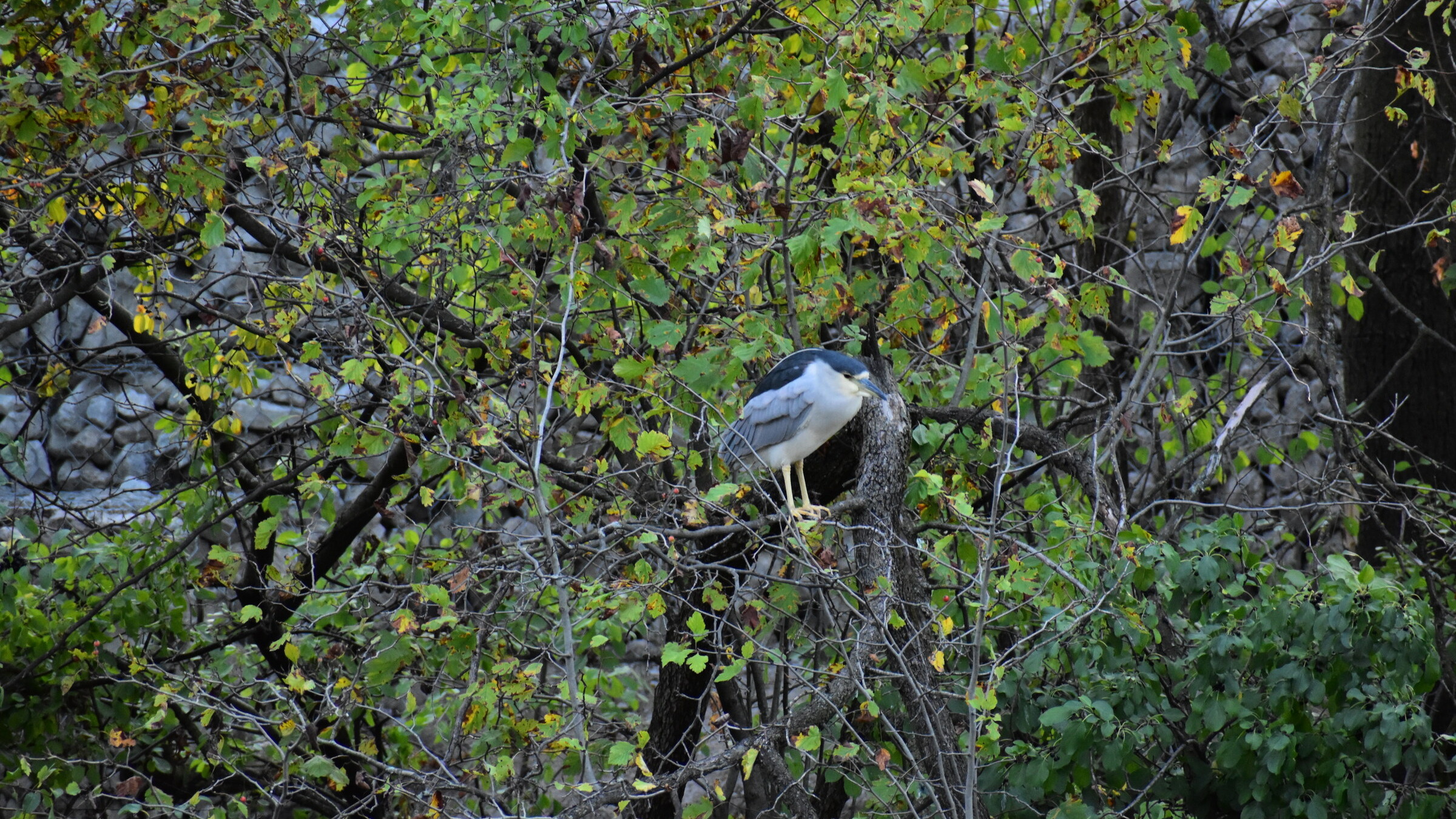
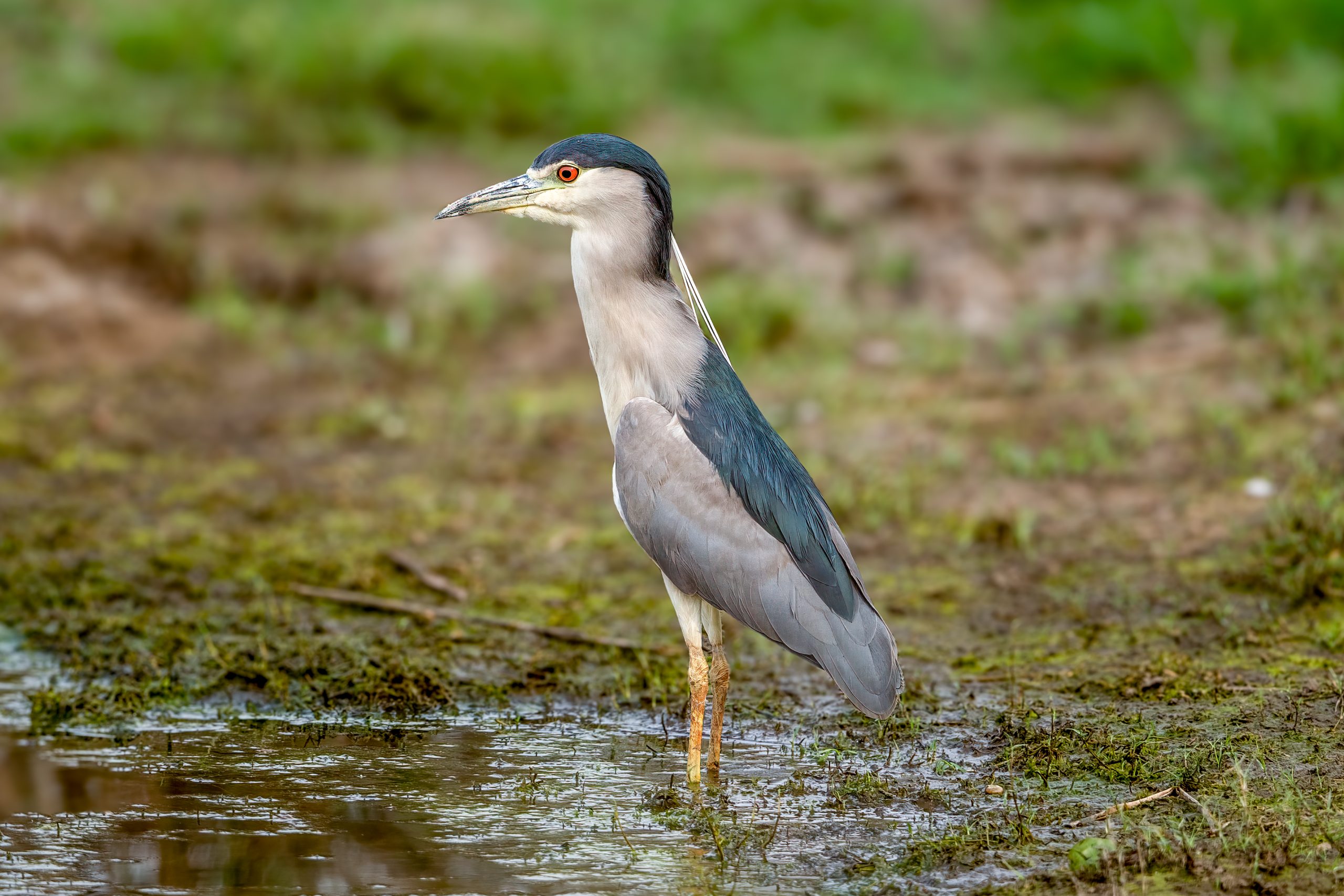
GPS tracking at Chicago’s Lincoln Park Zoo revealed a sharp contrast between breeding and non-breeding black-crowned night herons (Nycticorax nycticorax). The colony is the largest remaining breeding site for the species in the Great Lakes region of the United States.
Accelerometers measure body acceleration and movement, allowing activity levels to be estimated even when the tagged birds are not being observed directly.
Researchers fitted 17 adult birds with GPS/GSM transmitters in 2023 and 2024. Three tags stopped sending data after only a few days, so home ranges were calculated for 14 birds: eight breeders and six non-breeders. Accelerometers provided activity data from 13 birds in 2024.
Non-breeders used home ranges about 18 times larger
Breeding status was closely associated with the size of the area used. The estimated total home ranges of non-breeders were about 18 times larger than those of breeders, and their core areas were about 25 times larger. Breeding birds used feeding sites an average of 3.62 kilometres from the colony and stayed within 10 kilometres. For non-breeders, the corresponding average distance was 21.31 kilometres.
Urban green space made up more than half of breeders’ off-colony locations
Urban green spaces—including parks, forest preserves, golf courses and cemeteries—accounted for an average of 54.2% of the locations recorded away from the colony for breeding birds. Lake Michigan, USA harbours, breakwaters and beaches accounted for 33.2%, while sections of the Chicago River accounted for 9.2%. Non-breeders also made frequent use of urban green spaces, rivers and creeks.
Breeders were more active at dawn and during the day
The activity sensors showed that both groups were active throughout the 24-hour cycle. Breeding birds were more active than non-breeders at dawn and during daytime, while the groups did not differ significantly at dusk or at night. The authors describe this flexible daily activity and broad habitat use as traits that help the species persist in a densely built landscape.
The study identifies nearby urban green spaces and water bodies as important feeding habitat for the colony. The authors recommend reducing aquatic pollution and improving enforcement of safe fishing practices because hooks and discarded line can injure or trap foraging birds.
Ecology
Related news
Inland Mute Swans Had Higher Winter Body Condition Despite Harsher Winters and Supplemental Feeding
A study of 853 mute swans from four Polish wintering regions found higher body condition inland than on…
Read story →
Gut Microbiomes Across Nine Kruger Mammals Clustered More Strongly by Dietary Group Than Species
A study of 89 quality-filtered faecal samples from nine wild mammals in Kruger National Park found that carnivores,…
Read story →
Dunnock Spring Passage Advanced by Up to 8.3 Days Over 61 Years at Hel
Standardised ringing data from northern Poland showed that the first, median and last phases of dunnock spring passage…
Read story →SPECIES IN THIS STORY
Species in this story
Independent research and conservation news archive
Did you find this information useful?
Wildlife Vagabond is independently built and maintained. Voluntary support helps cover source verification, hosting and continued work on research and conservation news.
Support Wildlife VagabondThe news archive will remain freely available.