
North-west European Greylag Goose Winter Population Estimated at 802,320
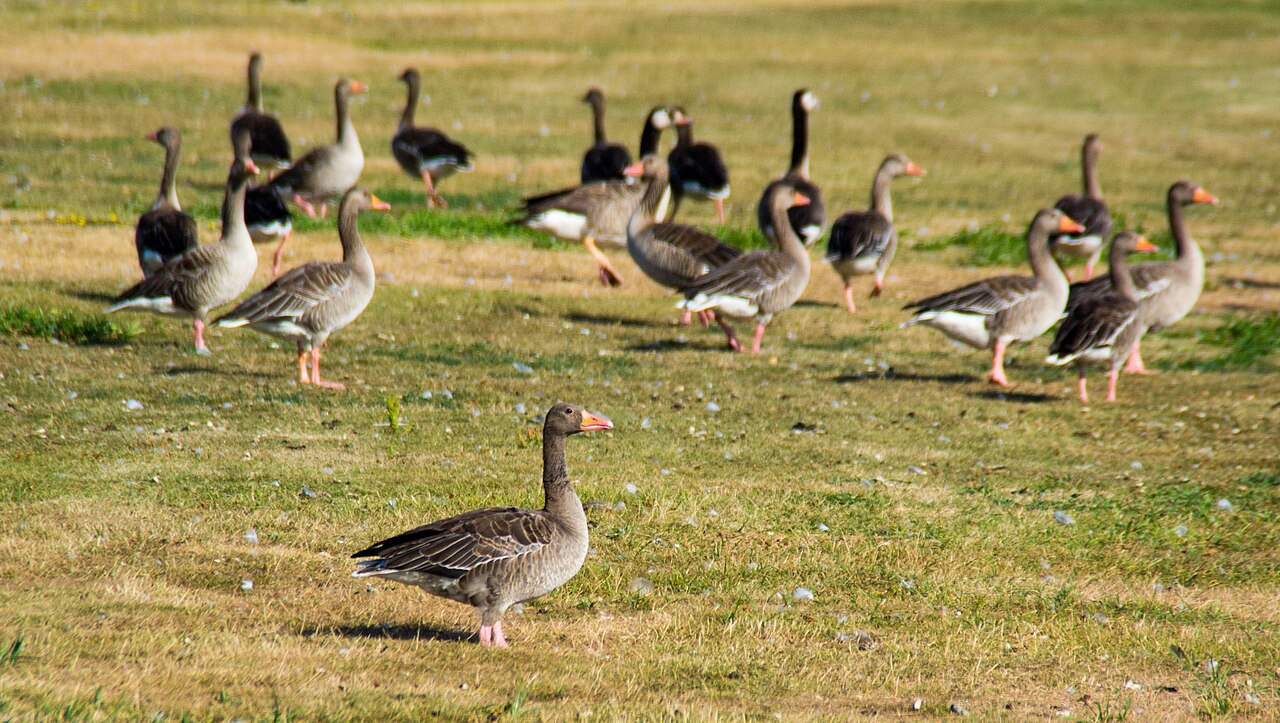
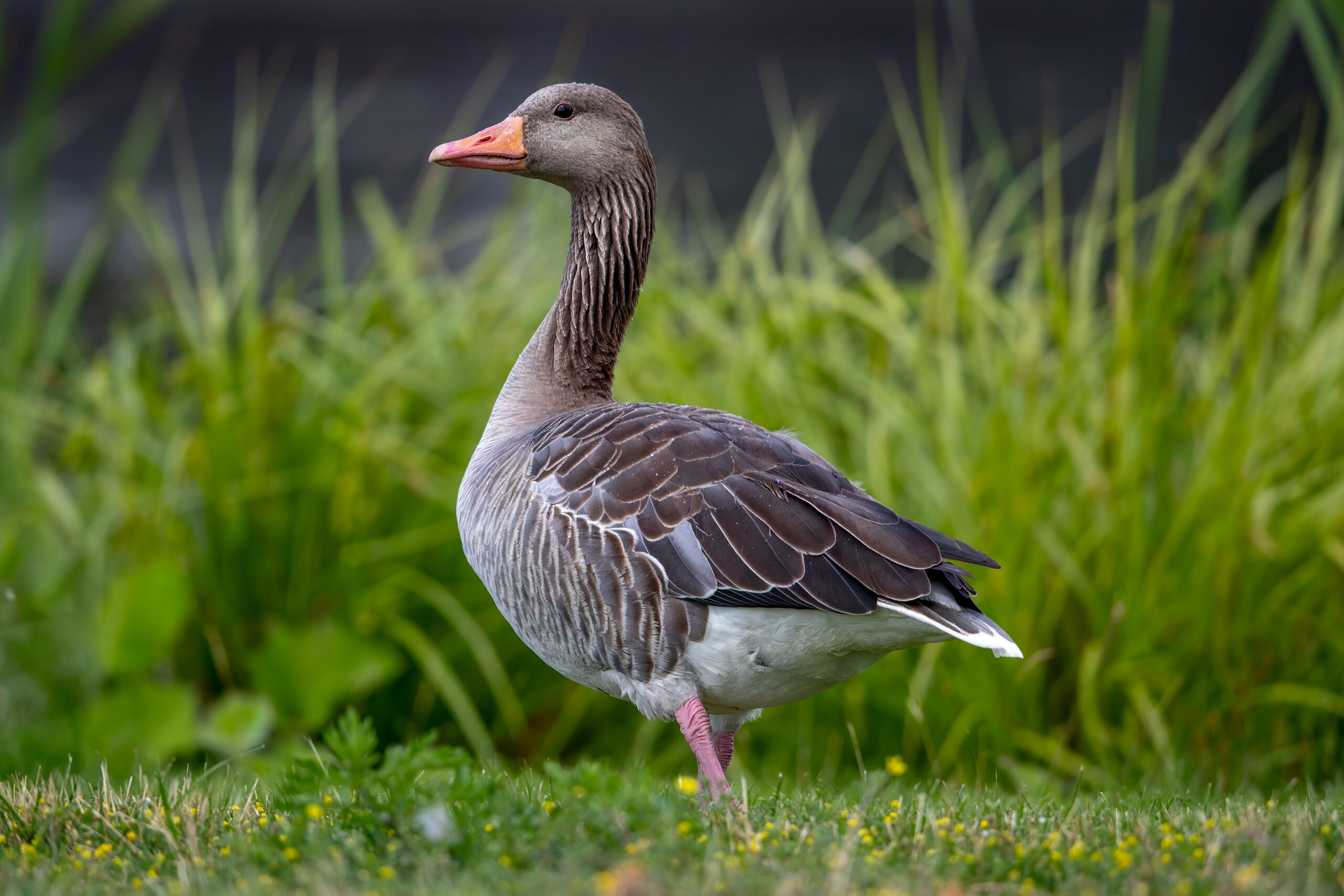
The north-west European population of greylag goose (Anser anser) was estimated at 802,320 wintering birds in January 2025, well above the management target of about 545,000. The estimate appears in the European Goose Management Platform’s 2026 population status and offtake assessment, dated 8 June 2026.
The international assessment brings together monitoring data from countries across the flyway and evaluates population size, breeding numbers and reported removals through hunting and derogations. The winter estimate represents the whole flyway population and is assembled from the International Waterbird Census plus dedicated goose counts in Denmark and the Netherlands. Because some countries had not yet reported final January 2025 results, the report cautions that 802,320 should not yet be read as proof of a new population decline or a levelling-off of long-term growth.
During the breeding season, the population is divided into two management units (MU1 and MU2): groups monitored and managed separately because their breeding distributions differ, even though they overlap broadly in winter. Post-breeding counts include adults and young after reproduction. A model uses these totals, together with information such as age ratios, to back-calculate an approximate number of breeding pairs so that each unit can be compared with its management target.
Both management units remained above their breeding targets
For the most recent year with sufficiently complete data, 2022, MU1 had a post-breeding estimate of 540,115 birds, which the model translated into roughly 132,142 breeding pairs. For MU2, the detailed chapter uses an updated 2022 post-breeding total of 769,875 birds from the Netherlands, Belgium and three German federal states, together with 8,323 birds counted in France in spring, to estimate about 185,432 breeding pairs. The report describes these conversions as rough approximations rather than exact pair counts.
Both estimates were well above the respective management targets of 70,000 and 80,000 breeding pairs. These are agreed population objectives used to balance favourable conservation status with management concerns such as agricultural damage, habitat impacts, hunting and other conflicts; they are not estimates of ecological carrying capacity or minimum viable population size. The report notes that the MU2 estimate still underestimates the total because data were available from only three of Germany’s 16 federal states. It also states that since 2022, post-breeding population estimates have increased in every range state conducting such counts.
Winter estimate also exceeded the management target
The January 2025 estimate of 802,320 wintering greylag geese was likewise above the approximate winter target of 545,000 birds. That winter figure is the seasonal equivalent derived from the agreed MU1 and MU2 breeding-pair targets, not a biological ceiling on how many geese the flyway can support. The European Goose Management Platform uses these objectives to coordinate management across national borders rather than treating each country’s birds as an isolated population.
Reported offtake — birds killed through ordinary hunting or authorised lethal control under derogations — totalled at least 449,602 greylag geese in 2024/2025. This combined 176,297 reported hunting-bag birds with 273,305 killed under derogation. Despite gaps in some national data, the report authors believe the overall reported total is still biased high when compared with the population information, and say the source of that bias needs further investigation. The figure should therefore not be read as a precise fraction of the population removed.
Current harvest levels recommended while monitoring improves
The report recommends that range states maintain current harvest levels while improving the quality of data on hunting and derogations. It also calls for strategies that reduce the need for spring and summer derogation, while taking into account that fewer greylag geese are now migrating to the southern part of the population’s range.
Although modelling tools have improved, the report says the data are not yet reliable enough for a fully dynamic system that would update management separately for MU1 and MU2 from year to year. Population counts and especially offtake estimates still contain gaps or bias. The 2026 assessment therefore uses the latest available counts while the models and monitoring needed for more responsive future management are still being developed.
Population & status
Related news
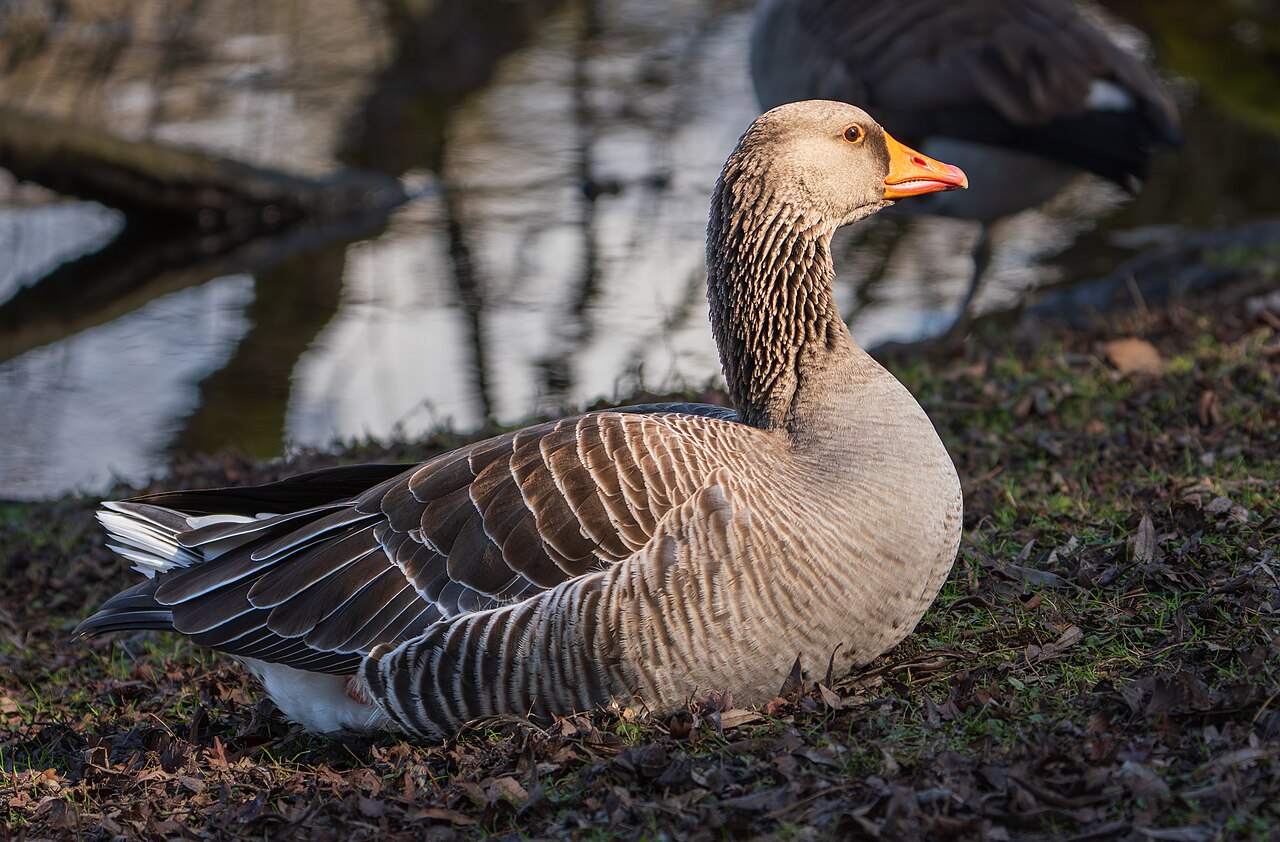
Some Greylag Geese Migrate One Year and Stay the Next
GPS tracking at Lake Neusiedl showed that most of the geese migrated, with winter destinations ranging from Germany…
Read story →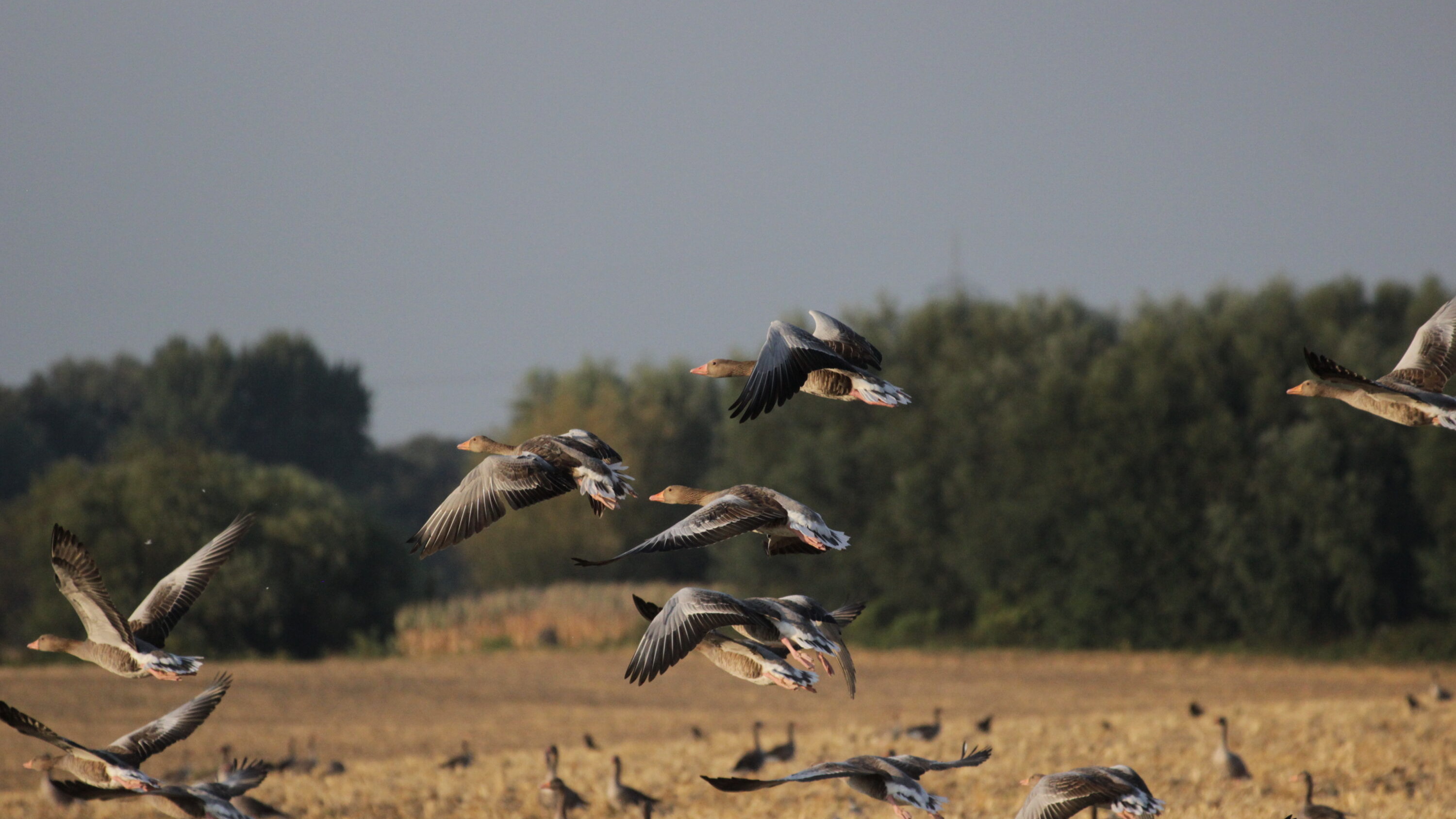
Machine Learning Maps the Overlapping Calls of Greylag Geese
Analysis of 6,651 greylag goose calls found both distinct signals and graded overlap—and showed that machine-learning choices can…
Read story →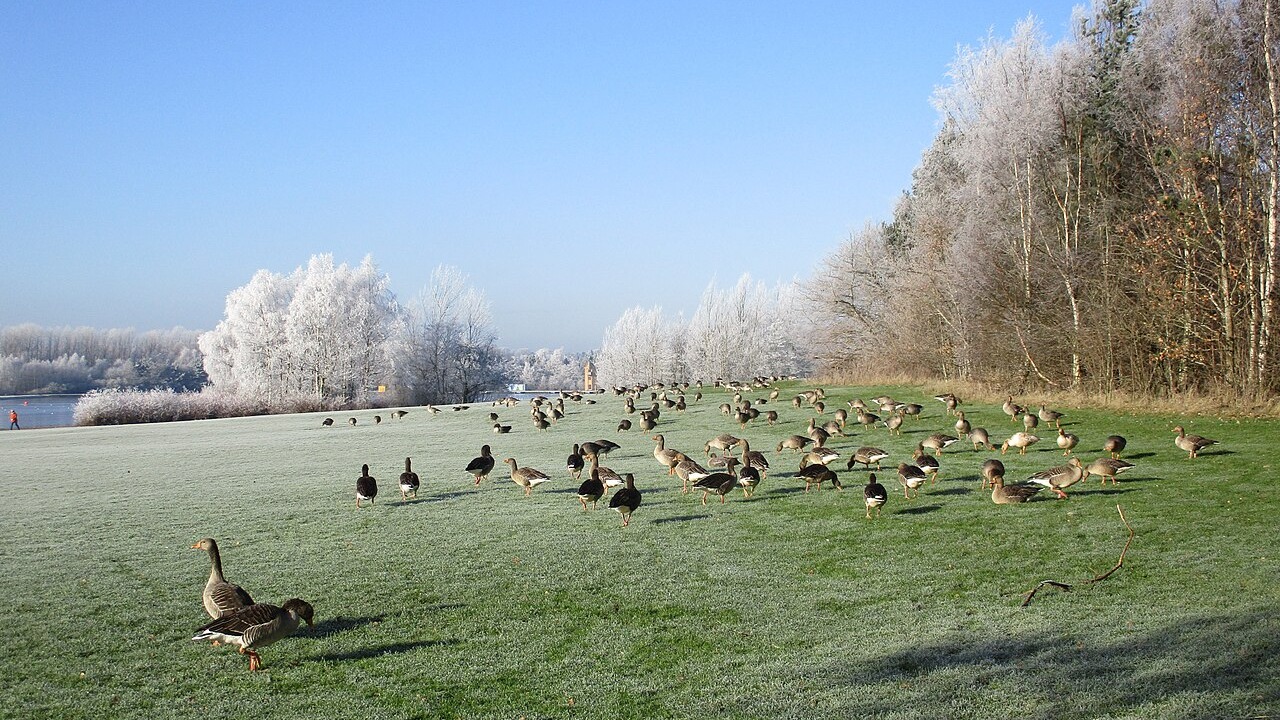
Scotland Will Develop National Plan for Breeding Greylag Geese
Scotland’s new goose policy delivery plan commits to a national management plan for breeding greylag geese and continued…
Read story →SPECIES IN THIS STORY
Species in this story
Independent research and conservation news archive
Did you find this information useful?
Wildlife Vagabond is independently built and maintained. Voluntary support helps cover source verification, hosting and continued work on research and conservation news.
Support Wildlife VagabondThe news archive will remain freely available.