
Grasses Made Up 97.4% of Northern Barasingha Winter Diet in Dudhwa
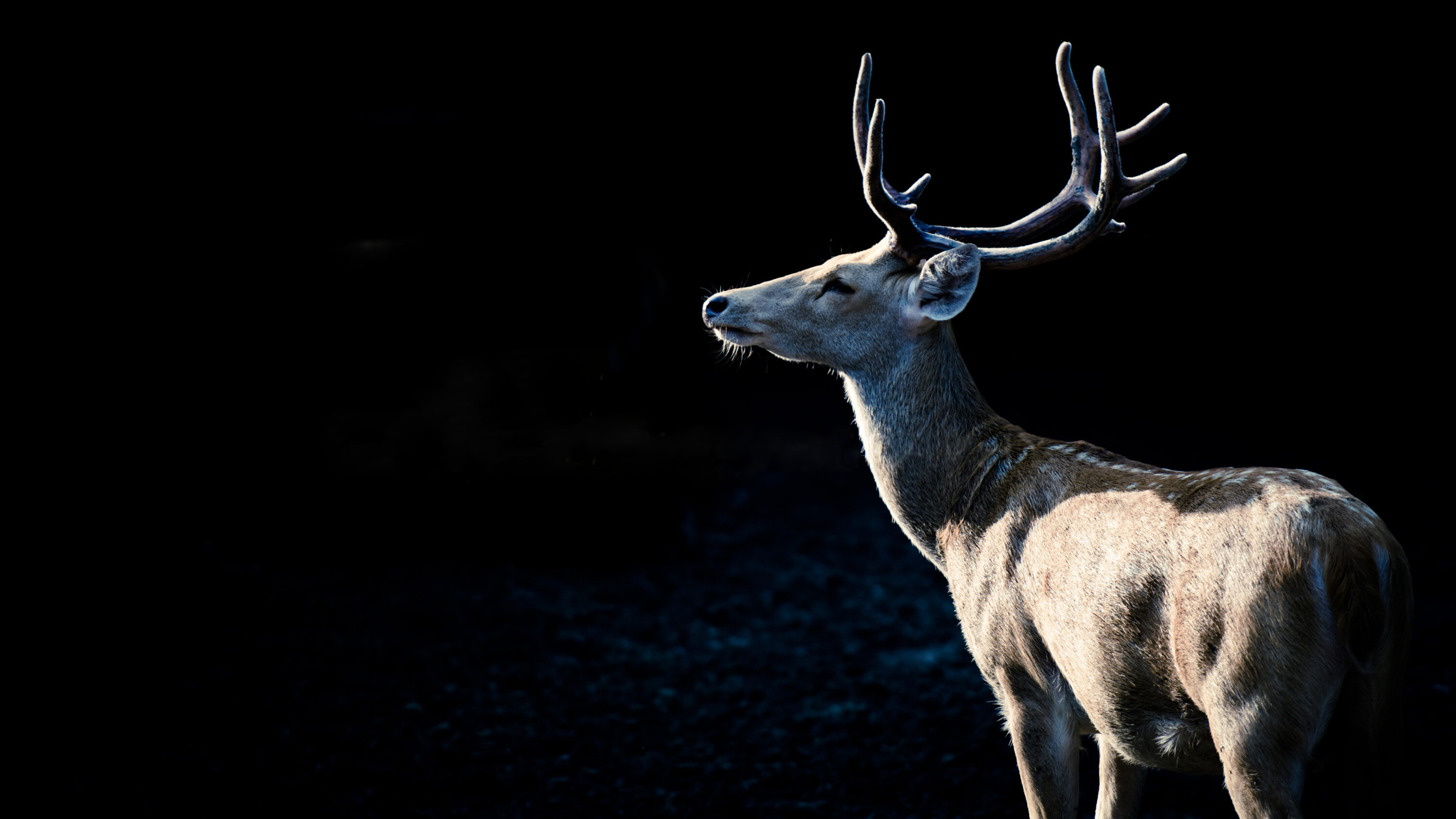
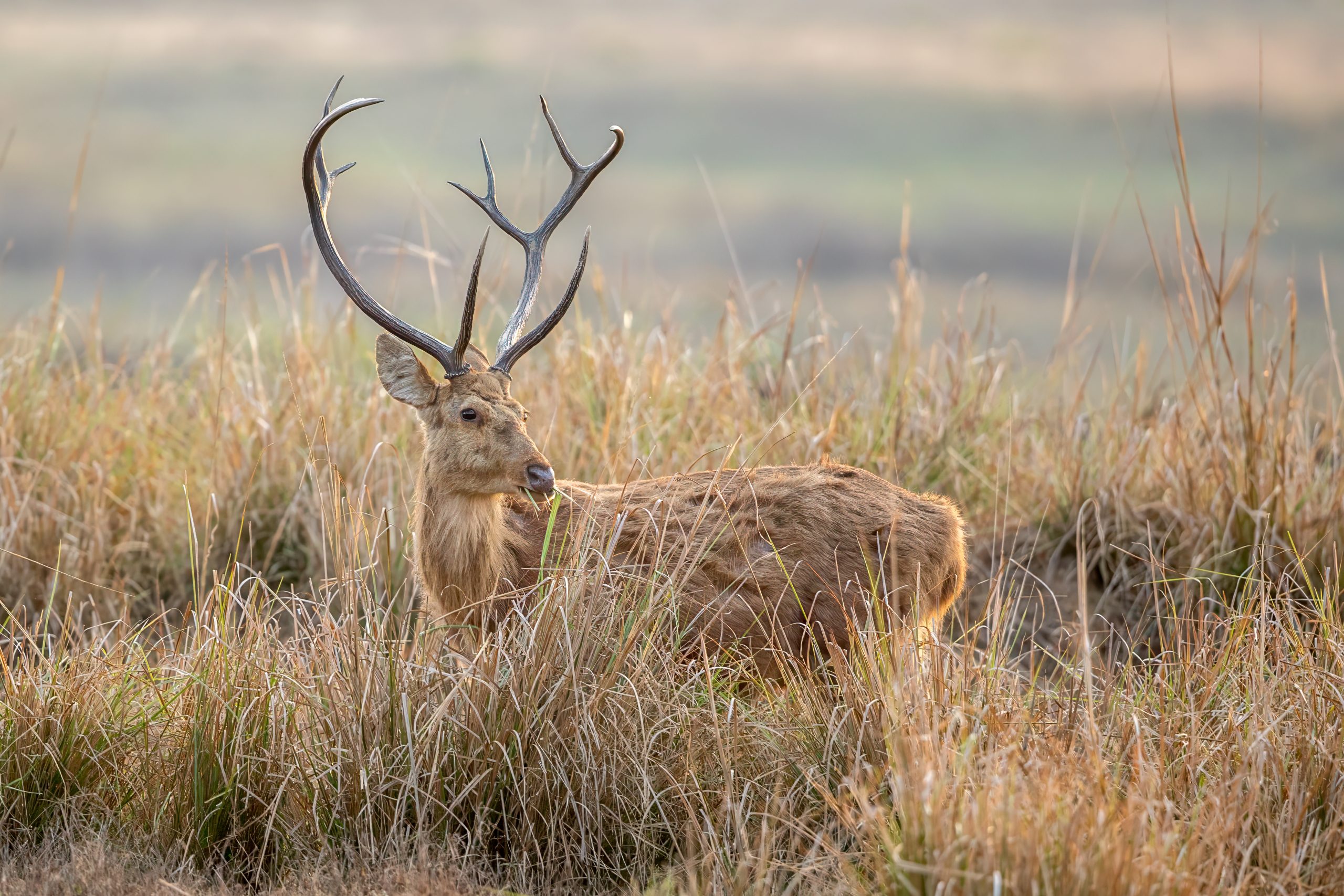
Grasses made up 97.4% of the winter diet of the northern subspecies of barasingha (Rucervus duvaucelii duvaucelii) in Dudhwa Tiger Reserve, India, according to a study published online on 17 April 2026. Researchers identified 28 food-plant species in faecal samples collected during January–March 2024, showing that the deer relied overwhelmingly on grasses during the winter study period.
The team combined vegetation surveys at eight locations with microhistological analysis of pellet samples. In this method, plant fragments that survive digestion are identified by comparing their microscopic features with reference material from known plants. This allowed the researchers to compare what plants were available in the habitat with what the deer had eaten.
The winter diet was grass-dominated but selective
The analysis showed that the animals did not use all plants in proportion to their availability. Five plant species were consumed roughly according to their availability, ten were used less than expected, and eight were classified as preferred food plants. The authors therefore describe the winter diet as strongly grass-dominated but selective within the available vegetation. In other words, abundant grasses were not automatically the most valuable forage: palatability and digestibility could help explain why some plants were eaten less than their availability would suggest.
The study was limited to the winter season. Based on these observations, the authors emphasise the importance of conserving the wetland and grassland habitats that provide feeding areas for northern barasingha in the Terai landscape.
Ecology
Related news
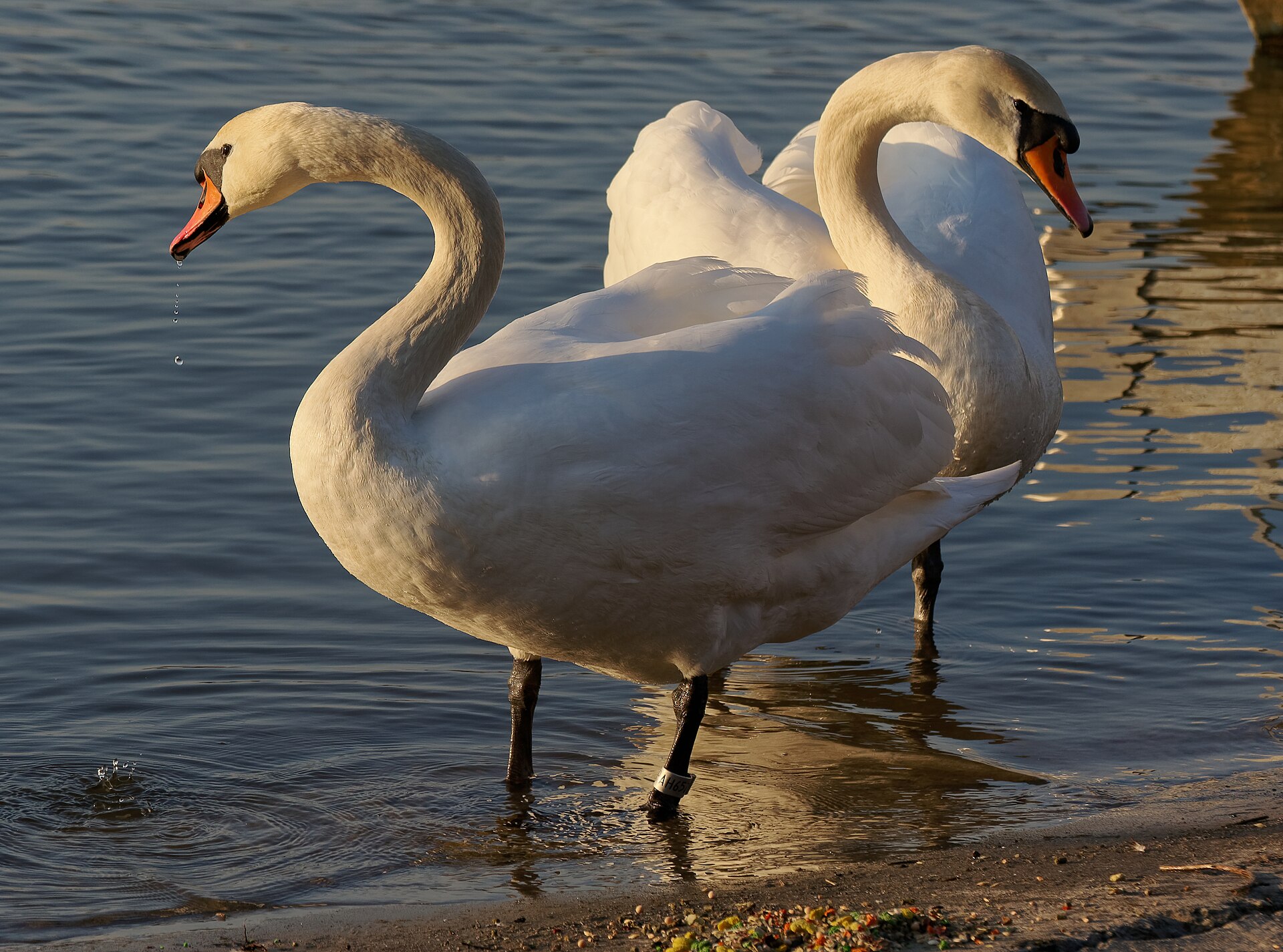
Inland Mute Swans Had Higher Winter Body Condition Despite Harsher Winters and Supplemental Feeding
A study of 853 mute swans from four Polish wintering regions found higher body condition inland than on…
Read story →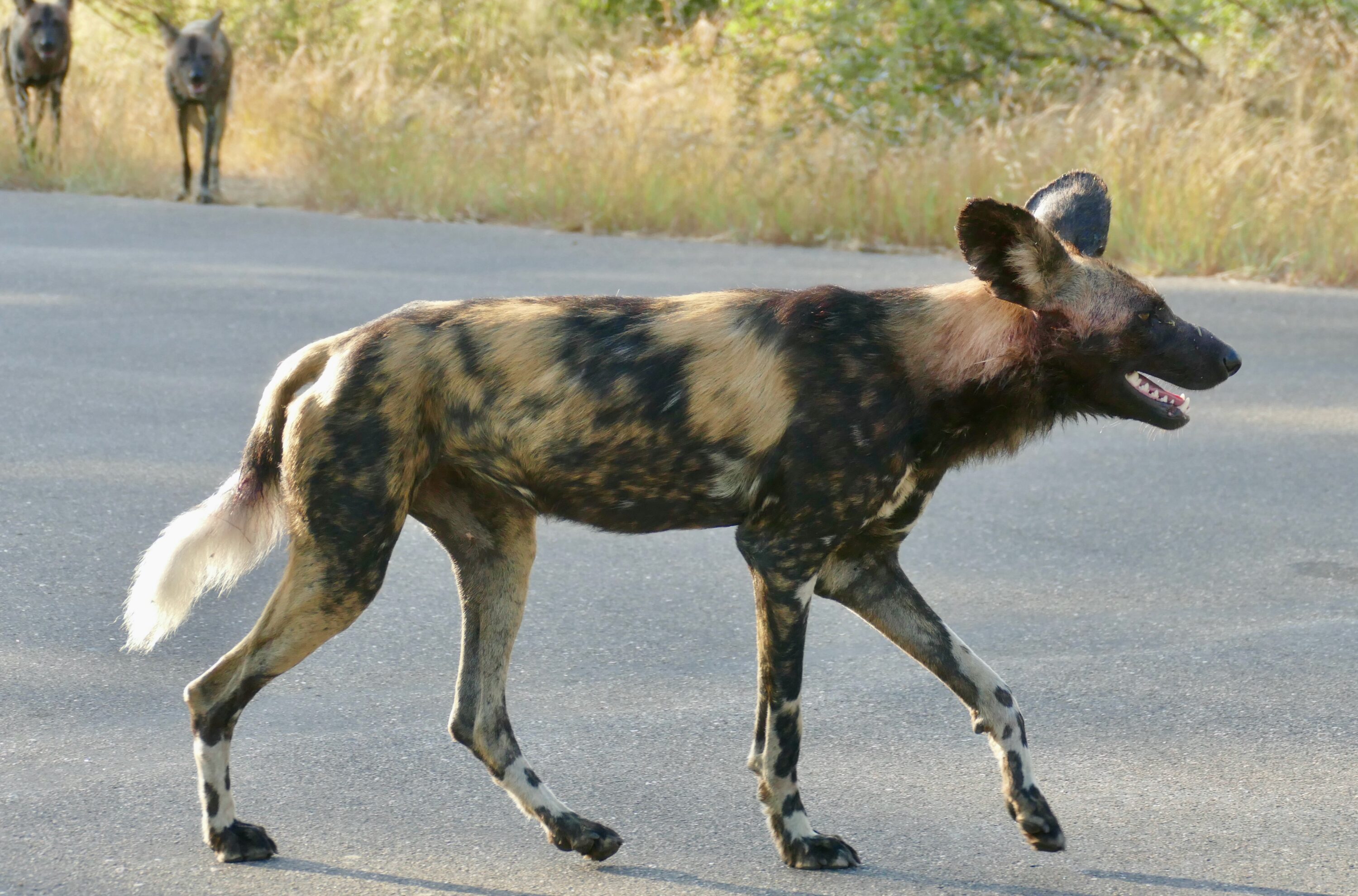
Gut Microbiomes Across Nine Kruger Mammals Clustered More Strongly by Dietary Group Than Species
A study of 89 quality-filtered faecal samples from nine wild mammals in Kruger National Park found that carnivores,…
Read story →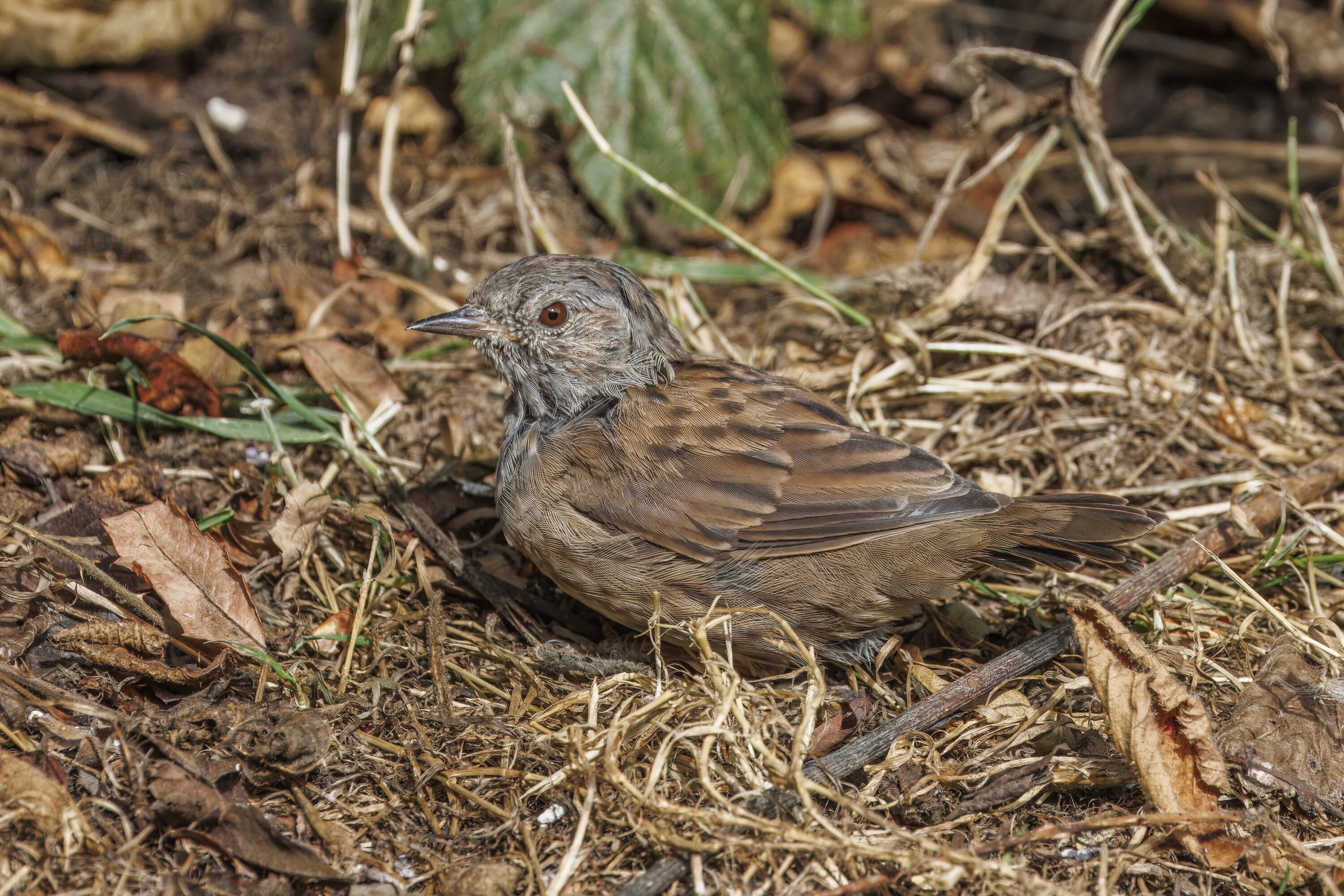
Dunnock Spring Passage Advanced by Up to 8.3 Days Over 61 Years at Hel
Standardised ringing data from northern Poland showed that the first, median and last phases of dunnock spring passage…
Read story →SPECIES IN THIS STORY
Species in this story
Independent research and conservation news archive
Did you find this information useful?
Wildlife Vagabond is independently built and maintained. Voluntary support helps cover source verification, hosting and continued work on research and conservation news.
Support Wildlife VagabondThe news archive will remain freely available.