
Northern Wheatear Chicks Hatched Earlier in Eastern White Dunes and in Nests of Older Males
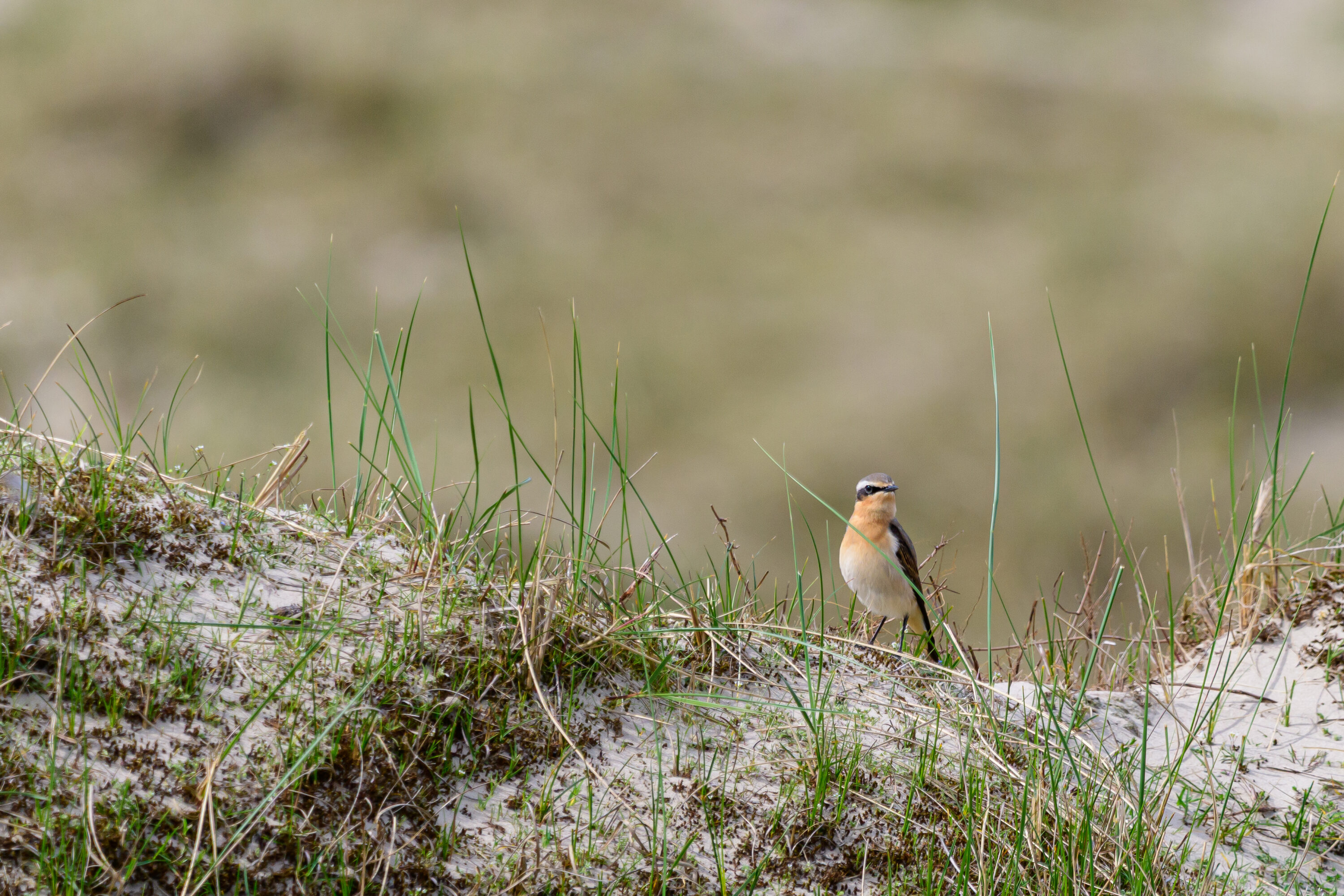
Northern wheatear (Oenanthe oenanthe) chicks on Norderney, Germany, hatched earlier the farther east on the island their nests were located, but this east–west pattern appeared only in white dunes. Researchers monitored 321 nests from 2021 to 2025 and used hatching date as an indirect measure of nest-site selection, based on the expectation that higher-quality sites are generally occupied earlier.
East–west gradient only in white dunes
Across all nests, the average hatching date was around 20 May. Habitat type itself and distance from nests to paths or streets showed no clear relationship with hatching date. Within white dunes, however, nests farther east hatched earlier. The modelled difference between the westernmost and easternmost nests was about ten days, and the same longitudinal pattern was not found in the other habitats.
The authors discuss two possible explanations for the white-dune pattern. Previous work found the highest rabbit densities in the central-eastern part of Norderney, and wheatears on the island nest in burrows made by introduced European rabbits (Oryctolagus cuniculus). The eastern white dunes may also be more stable because the island’s prevailing winds come from the west, potentially creating more favourable nesting conditions there. These explanations were not tested directly in the study.
Older males bred earlier in grey dunes
Male age mattered in a different habitat. In grey and vegetated dunes, chicks in nests of older males hatched about 2.5 days earlier than chicks in nests of second-calendar-year males. The authors conclude that hatching date can provide useful information about nest-site quality and selection on Norderney, but that the proxy is context-dependent and should be interpreted together with individual factors such as male age.
Ecology
Related news
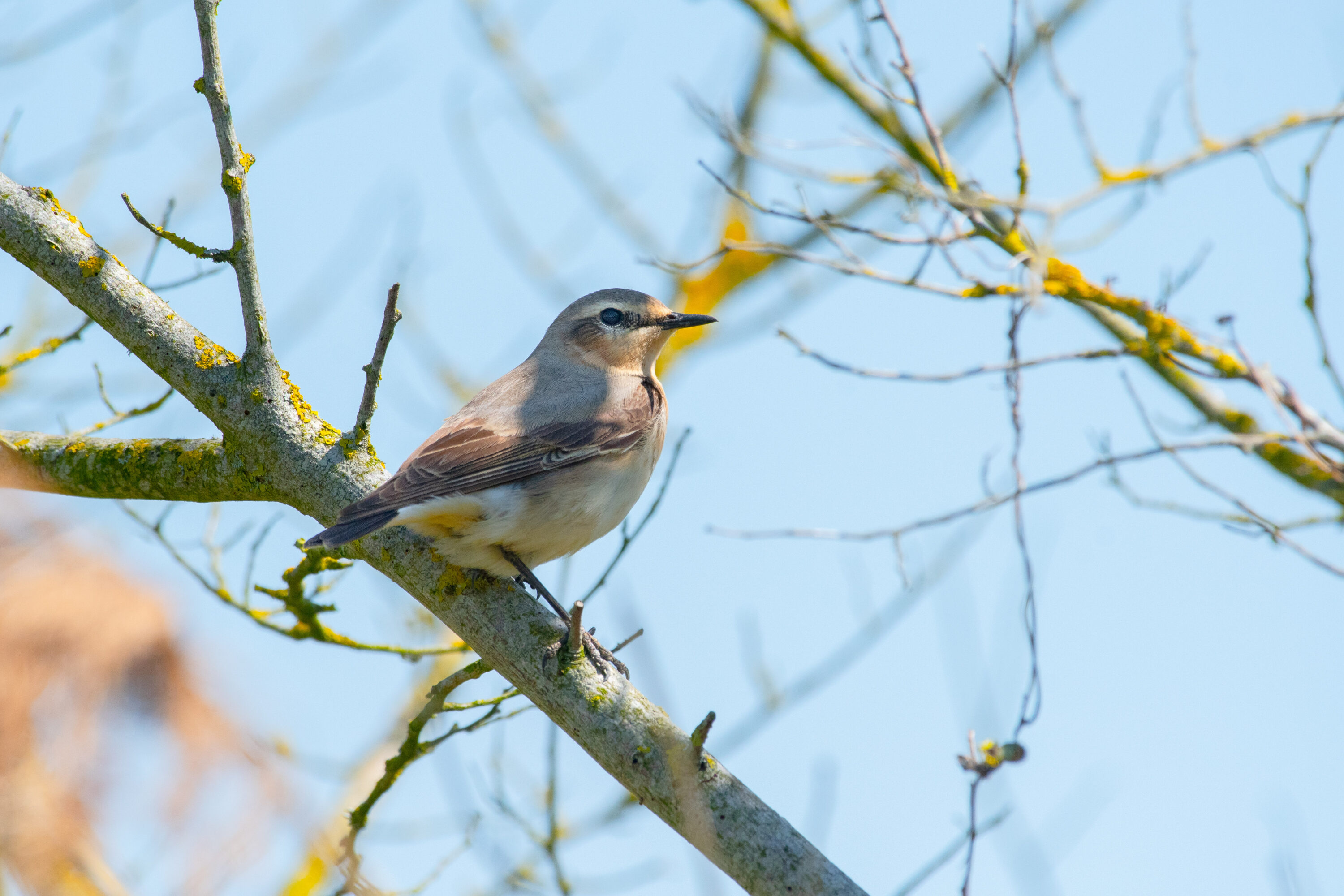
Five of Six Indicator Birds Could Lose Large Areas of Suitable Habitat in Luxembourg
Under the warmer SSP5–8.5 scenario, Red-backed Shrike, Northern Wheatear and Northern Lapwing were projected to lose especially large…
Read story →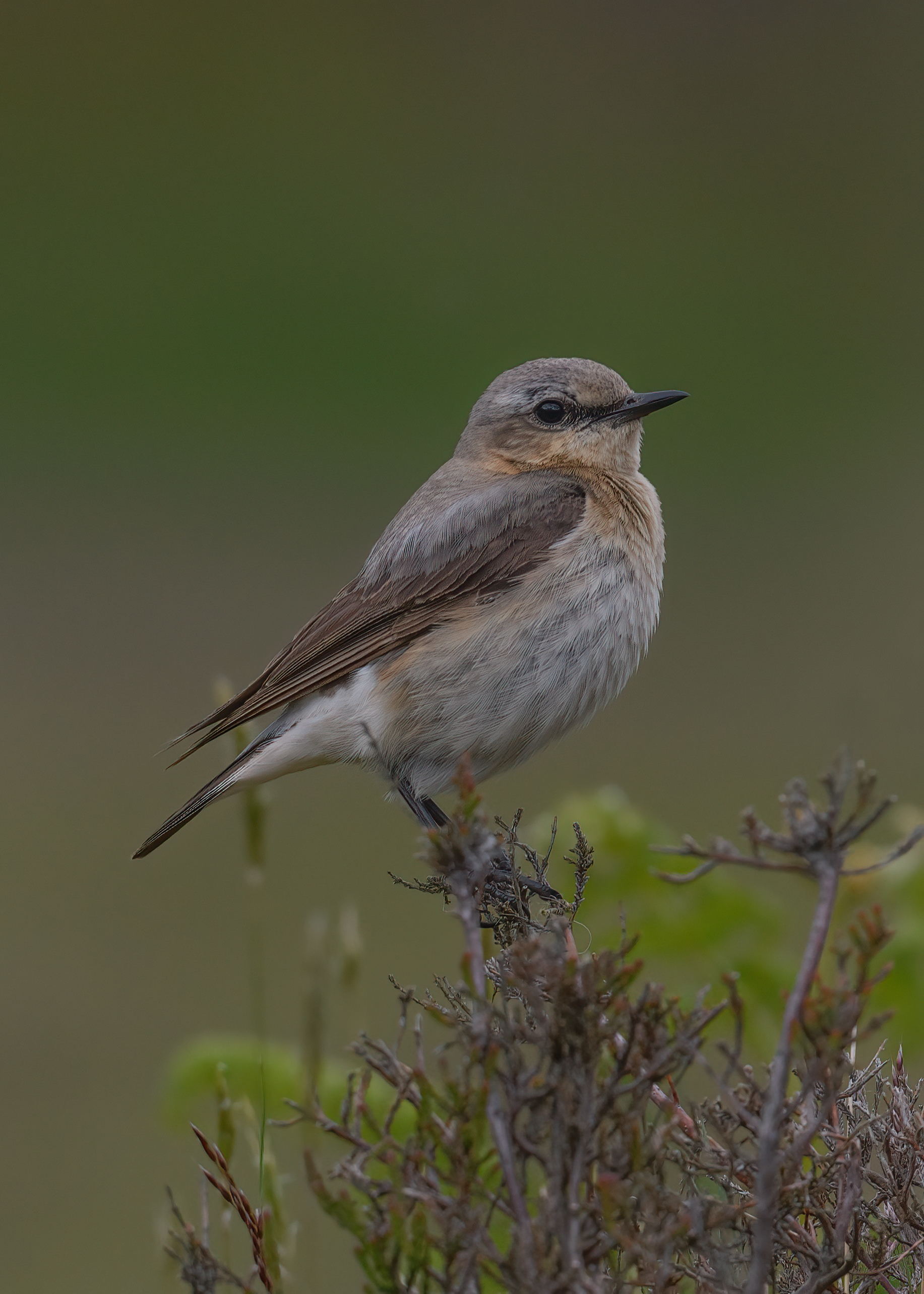
Fat Reserves and Migratory Strategy Interacted in Northern Wheatear Phospholipid Profiles
Plasma lipidomics from spring-migrating Northern Wheatears on Helgoland showed that the relationship between fat reserves and several phospholipids…
Read story →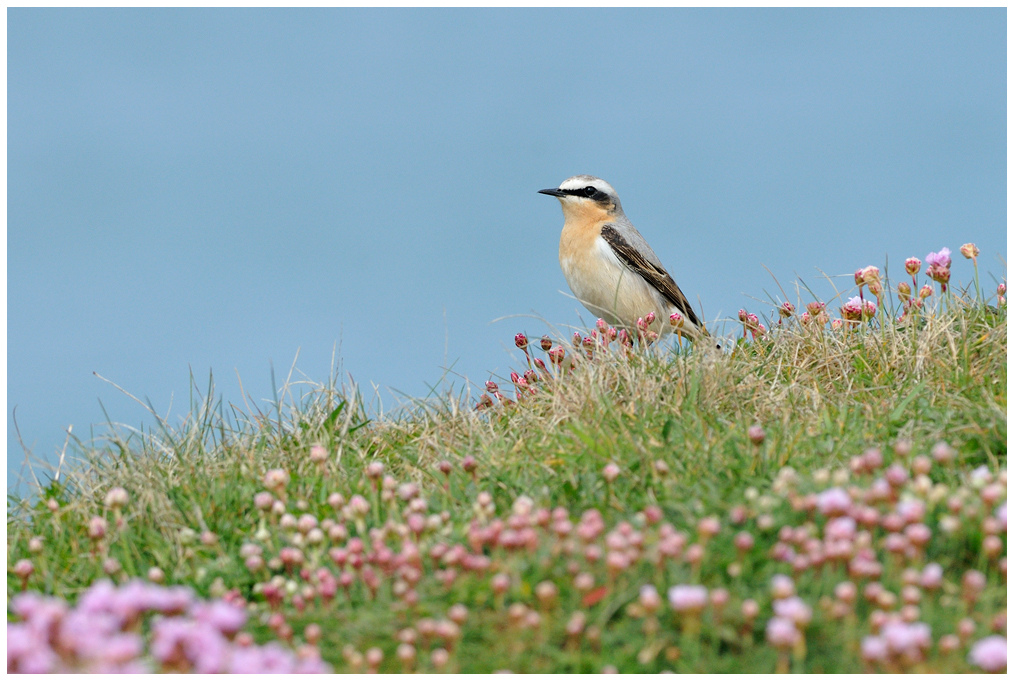
71% of Northern Wheatear Nests Were in Peat Sods Stacked Crosswise and Lengthwise
In three Lower Saxony peat-extraction areas, 20 of 28 Northern Wheatear nests were in peat sods stacked both…
Read story →SPECIES IN THIS STORY
Species in this story

Independent research and conservation news archive
Did you find this information useful?
Wildlife Vagabond is independently built and maintained. Voluntary support helps cover source verification, hosting and continued work on research and conservation news.
Support Wildlife VagabondThe news archive will remain freely available.