
71% of Northern Wheatear Nests Were in Peat Sods Stacked Crosswise and Lengthwise
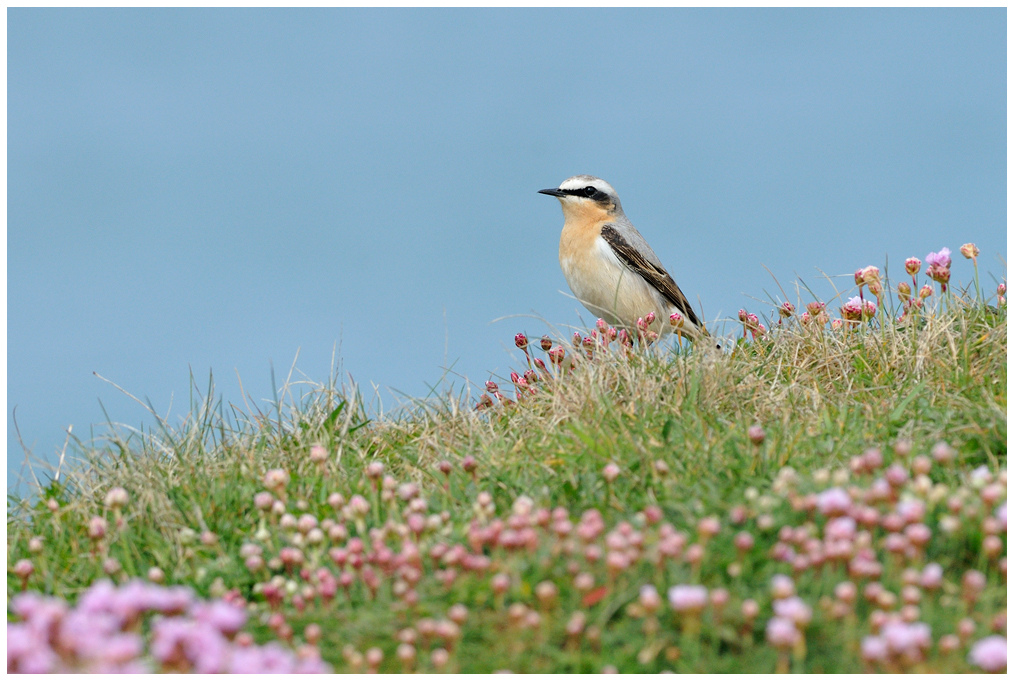
Northern wheatears (Oenanthe oenanthe) breeding in active peat-extraction areas in Lower Saxony, Germany strongly favoured a particular combination of nesting cavities and open ground. A study published in 2026 surveyed 26 randomly selected 45-hectare plots in Campemoor, Uchter Moor and Totes Moor, three raised bogs where peat was still being extracted.
Thirteen plots were occupied by wheatears and thirteen were unoccupied, with 28 breeding pairs recorded in the occupied plots. Twenty of the 28 nests, or 71.4%, were found in rows of peat sods stacked both crosswise and lengthwise. This arrangement created complex cavities with hidden chambers. The remaining eight nests occurred in tightly stacked sods, but all were in larger gaps created by one particular cutting machine. No nests were found in stacks that were arranged only crosswise and were open at both ends.
Open ground was the other key feature. Milled peat-extraction areas made up about 70% of home ranges — the broader areas used by the birds — and 80% of breeding territories, and were favoured at both scales. More than 70% of the immediate area around nests was open soil. Both open soil and cross-and-lengthwise stacked peat sods were associated with a higher probability of nesting. The authors link these conditions to easier access to arthropod prey and better visibility of potential predators.
The researchers recommend timing peat handling to reduce losses of active nests. They suggest restacking sods into suitable cross-and-lengthwise structures before the breeding season, by mid-April, and harvesting them after the breeding season from late July onwards. As peat extraction is phased out and former sites are restored, they also identify artificial nesting structures combined with extensive open, sparsely vegetated habitat as a management option worth evaluating, while noting that it remains uncertain whether substitute habitats can compensate for the loss of extraction sites at population level.
Ecology
Related news
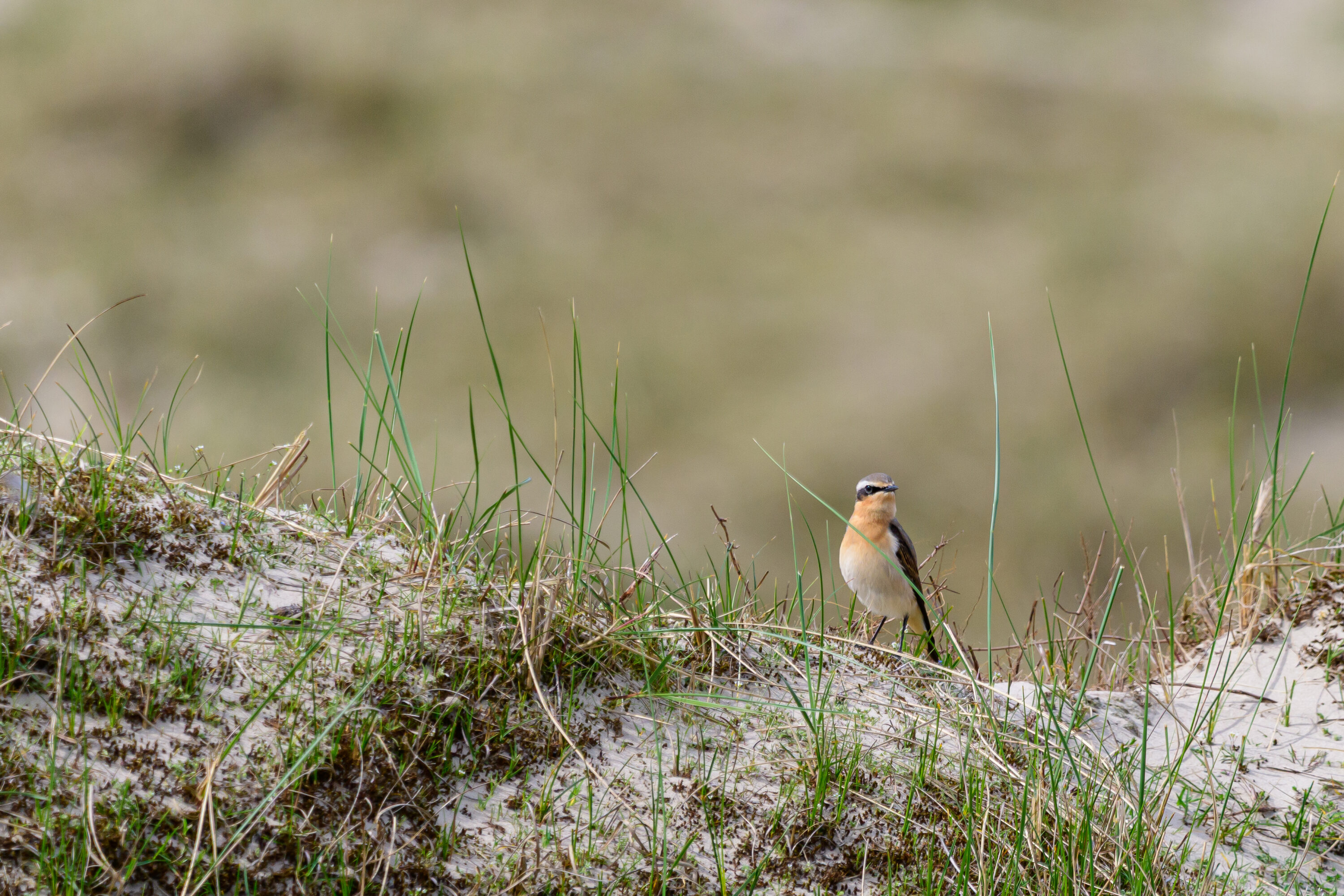
Northern Wheatear Chicks Hatched Earlier in Eastern White Dunes and in Nests of Older Males
Among 321 nests on Norderney, the model predicted about a ten-day difference in hatching date from west to…
Read story →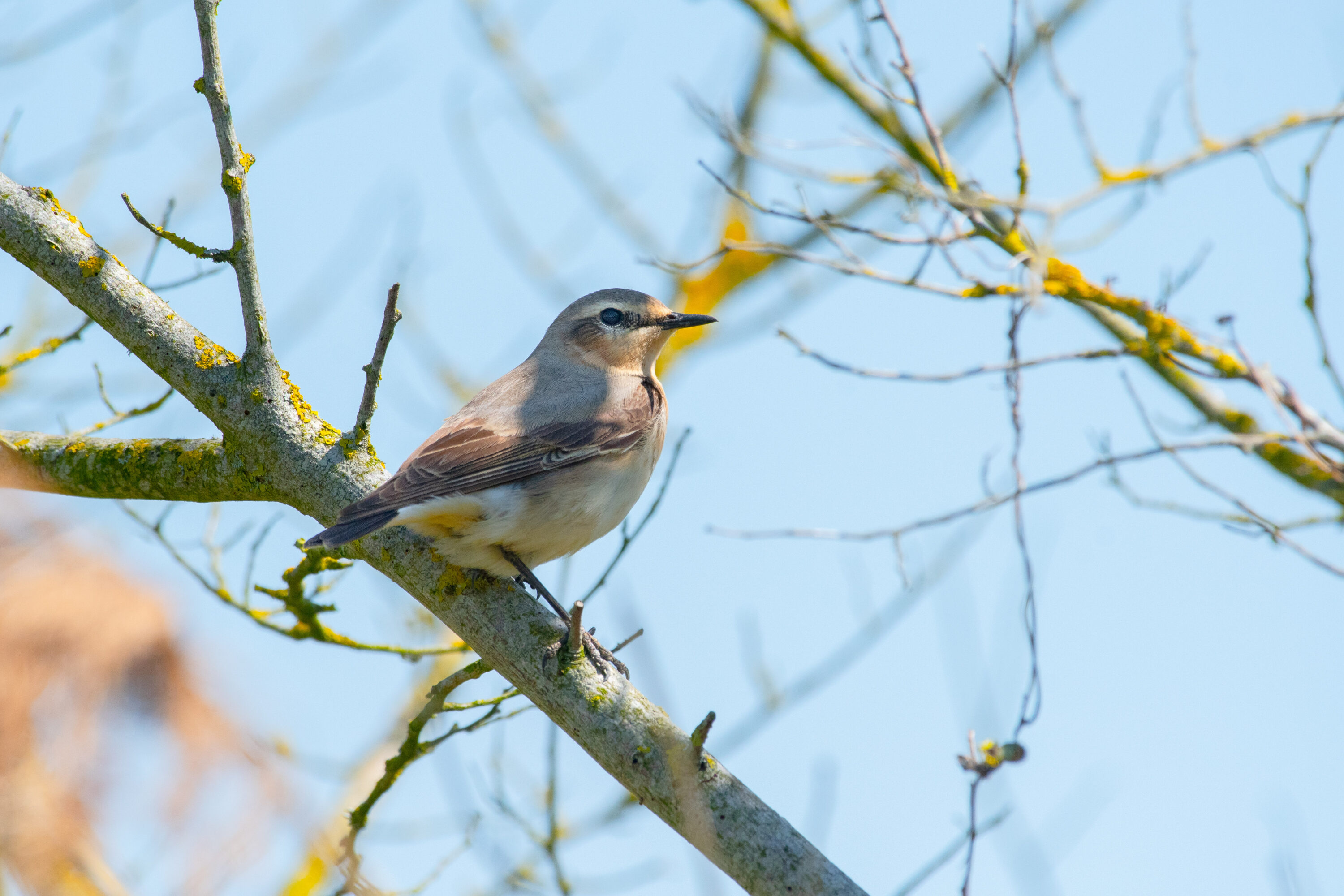
Five of Six Indicator Birds Could Lose Large Areas of Suitable Habitat in Luxembourg
Under the warmer SSP5–8.5 scenario, Red-backed Shrike, Northern Wheatear and Northern Lapwing were projected to lose especially large…
Read story →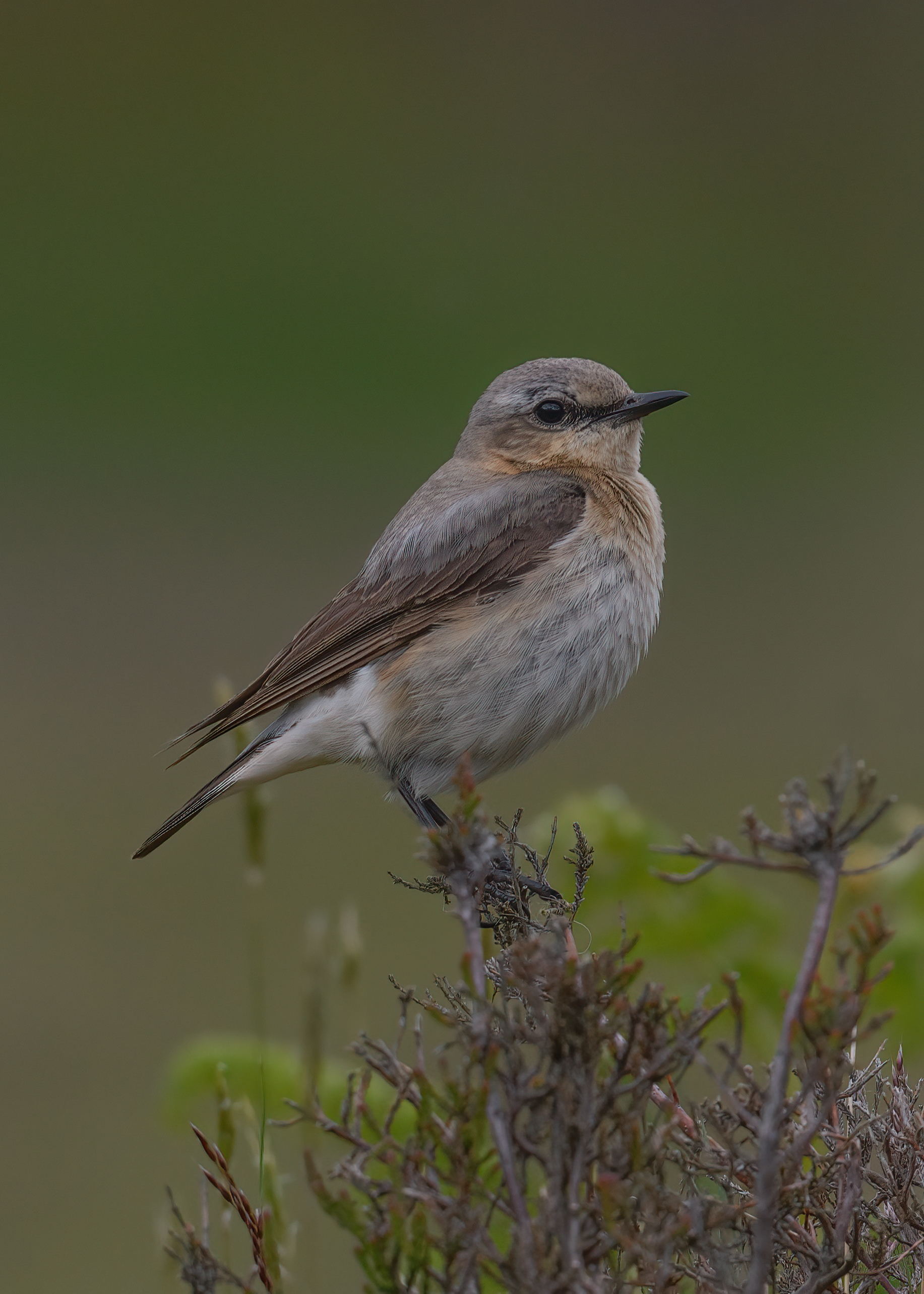
Fat Reserves and Migratory Strategy Interacted in Northern Wheatear Phospholipid Profiles
Plasma lipidomics from spring-migrating Northern Wheatears on Helgoland showed that the relationship between fat reserves and several phospholipids…
Read story →SPECIES IN THIS STORY
Species in this story
Independent research and conservation news archive
Did you find this information useful?
Wildlife Vagabond is independently built and maintained. Voluntary support helps cover source verification, hosting and continued work on research and conservation news.
Support Wildlife VagabondThe news archive will remain freely available.