
One Harbour Seal Had Similar Visual Acuity Underwater and in Air
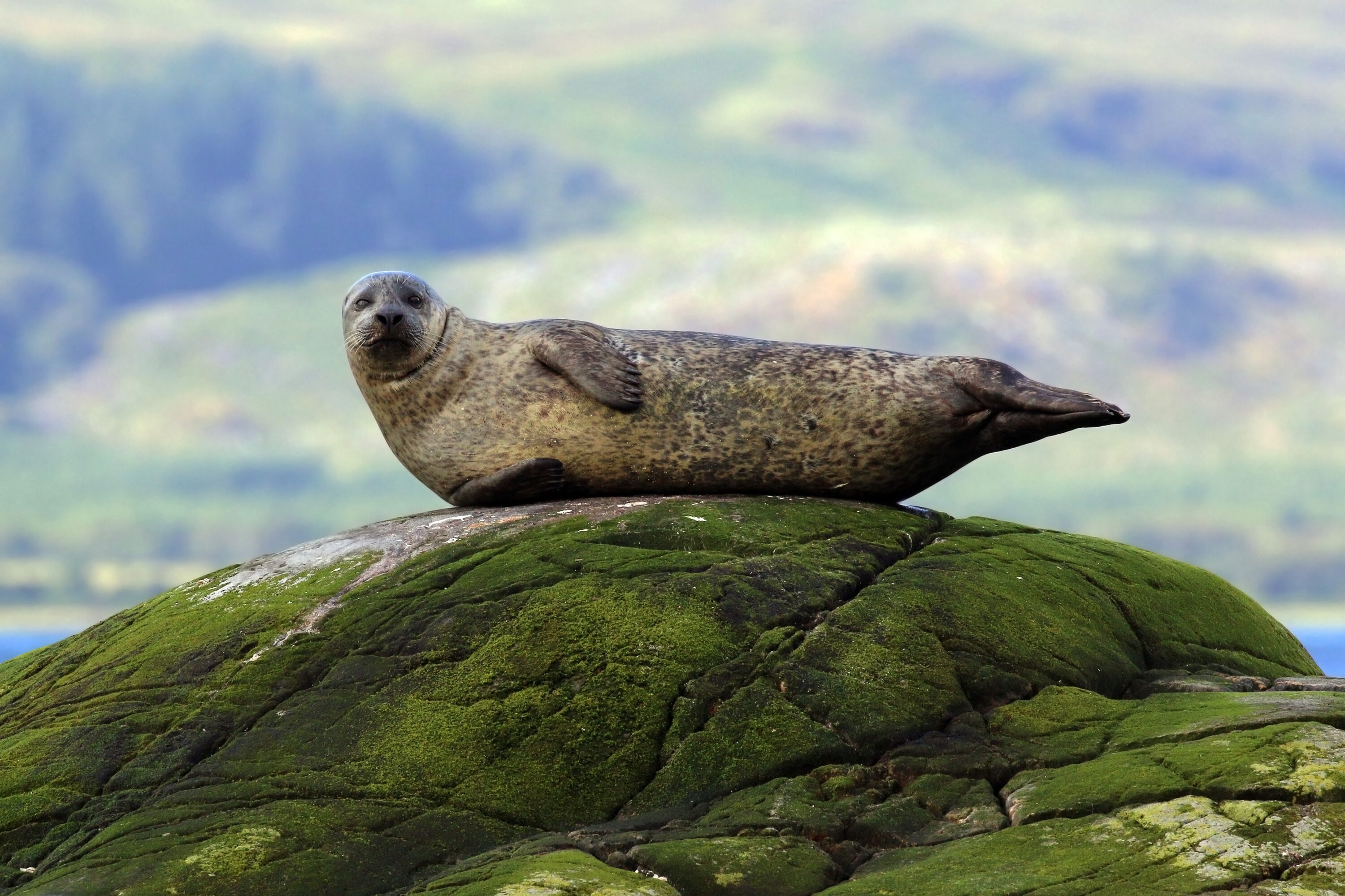
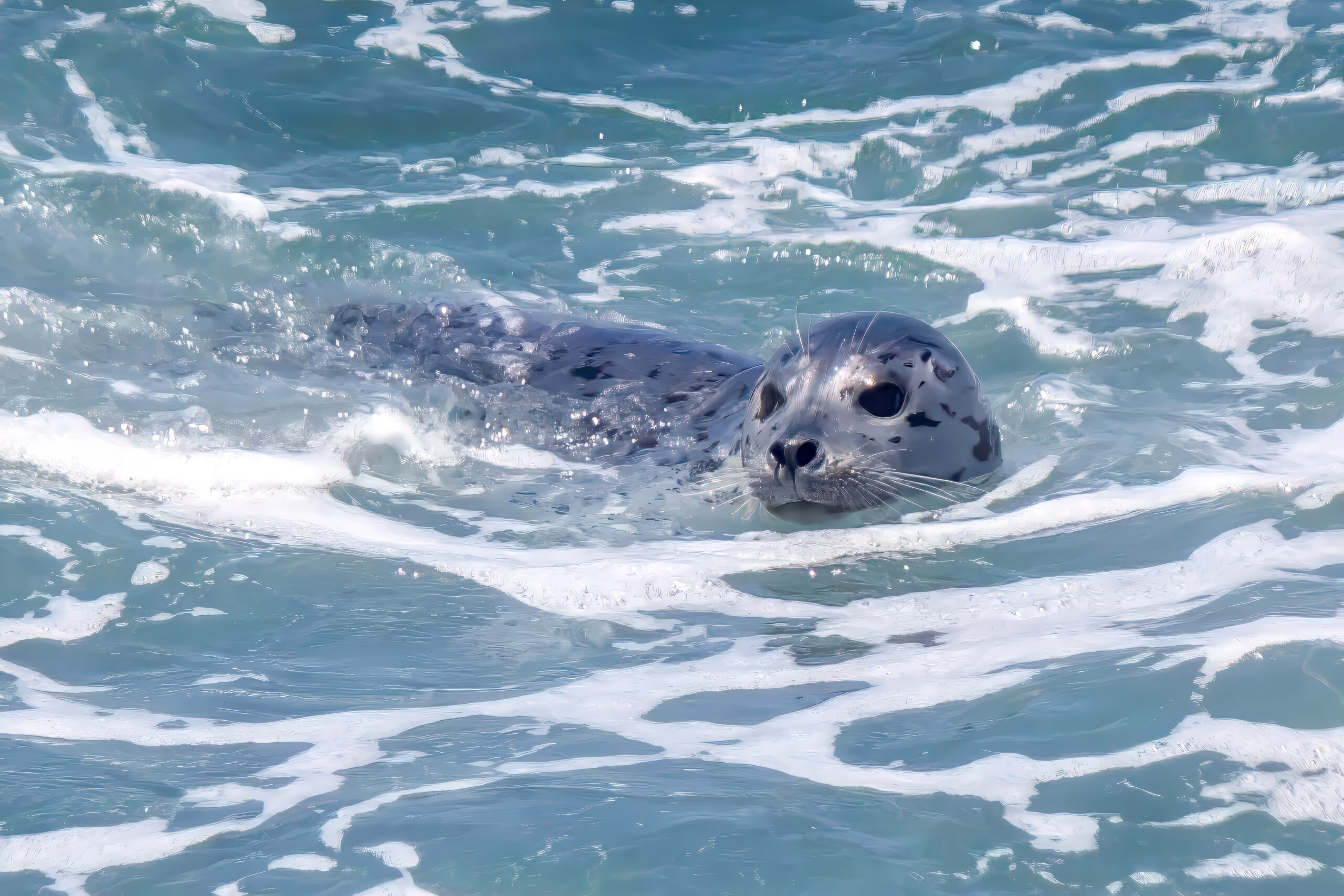
One trained harbour seal (Phoca vitulina) could resolve small circular targets about equally well underwater and in air when the targets had high or intermediate contrast. A second seal completed only the first test condition, so the main cross-medium comparison comes from the individual that completed the full experiment.
The two adult males were tested at the Marine Science Center of the University of Rostock in Germany. In a two-choice task, each seal placed its head in a clear-water basin and indicated whether a circular target appeared on the left or right side of a monitor. The researchers tested stationary and moving targets at three contrast levels under controlled lighting and water clarity.
Contrast Shaped Underwater Acuity
For the seal that completed all conditions, underwater thresholds at high and intermediate contrast ranged from 0.27° to 0.37°, close to earlier measurements of 0.21° to 0.31° in air. Smaller angles mean that a smaller target could still be resolved. Moving targets did not produce a clear improvement over stationary ones.
At the lowest contrast, underwater performance declined more strongly: the thresholds were 0.53–0.63°, compared with 0.31° in the earlier aerial tests. The authors suggest that movements in the test water created flickering patterns of light and shadow that may have made weak target boundaries harder to detect.
The high-contrast result may still be relevant to natural foraging. Objects seen from below against a brightly lit water surface can stand out strongly, so a seal pursuing prey upward may encounter conditions in which its best measured target acuity is useful.
The Main Comparison Came From One Seal
The authors stress that the complete set of results comes from a single individual and should not be generalized to harbour seals as a species without further experiments. The second seal stopped participating after the first high-contrast stationary condition, which the researchers attribute most likely to low motivation during the moulting season.
Physiology
Related news
Blood Samples from 576 Wild Harbour Seals Establish 35 Health Reference Ranges
Blood samples collected from 576 wild harbour seals over 28 years produced reference intervals for 35 health parameters…
Read story →
Northern Iceland Seal Count Recorded 441 Seals, Almost Unchanged From 2025
Volunteers counted 441 seals along just over 100 kilometres of coastline in northern Iceland on 27 July, almost…
Read story →
Three-Week-Old Harbour Seal Pup Euthanised After Projectile Fragments Lodged in Its Brain
A three-week-old Harbour Seal pup found with a gunshot wound near Bellingham, Washington, was euthanised after projectile fragments…
Read story →SPECIES IN THIS STORY
Species in this story
Independent research and conservation news archive
Did you find this information useful?
Wildlife Vagabond is independently built and maintained. Voluntary support helps cover source verification, hosting and continued work on research and conservation news.
Support Wildlife VagabondThe news archive will remain freely available.