
Blood Samples from 576 Wild Harbour Seals Establish 35 Health Reference Ranges
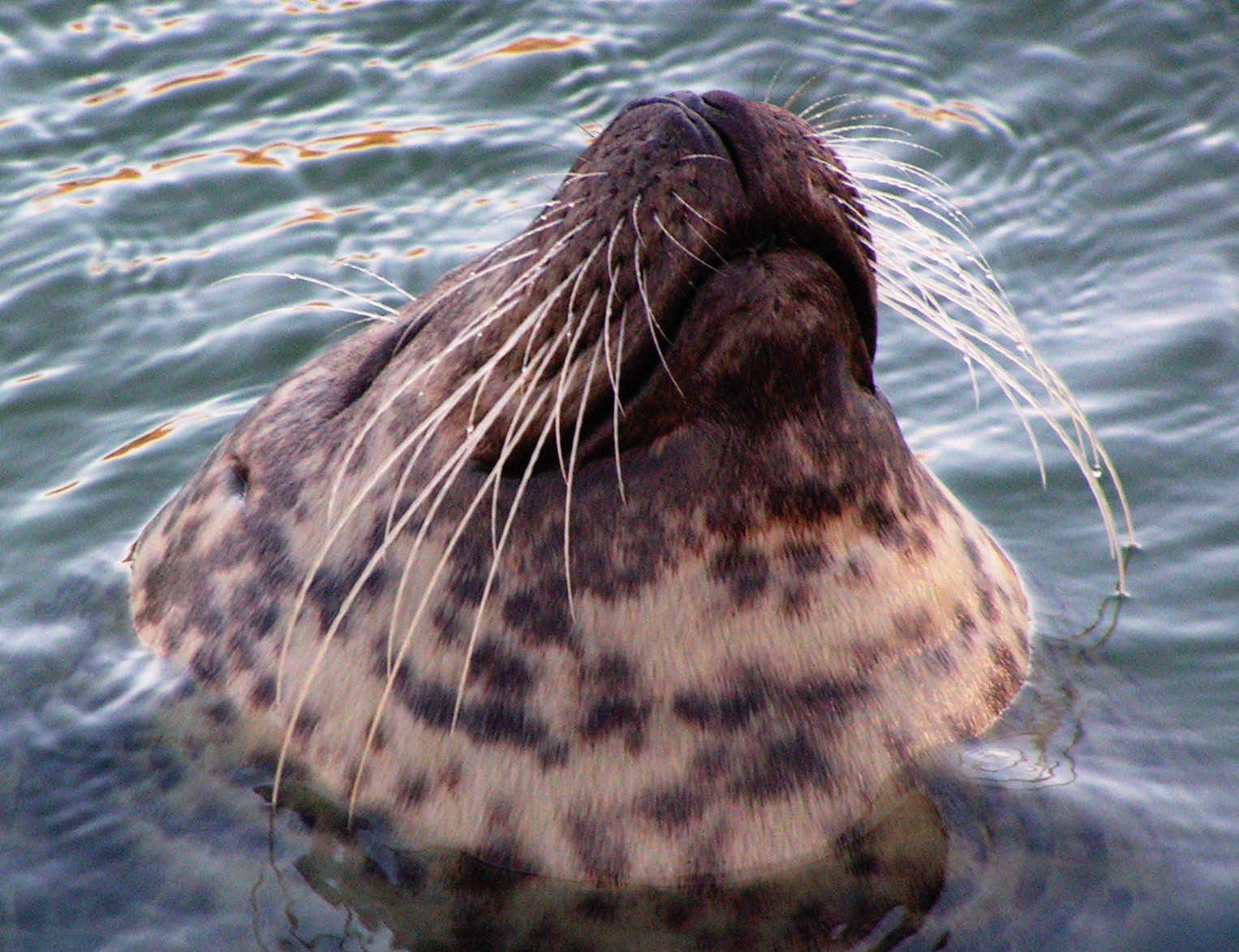
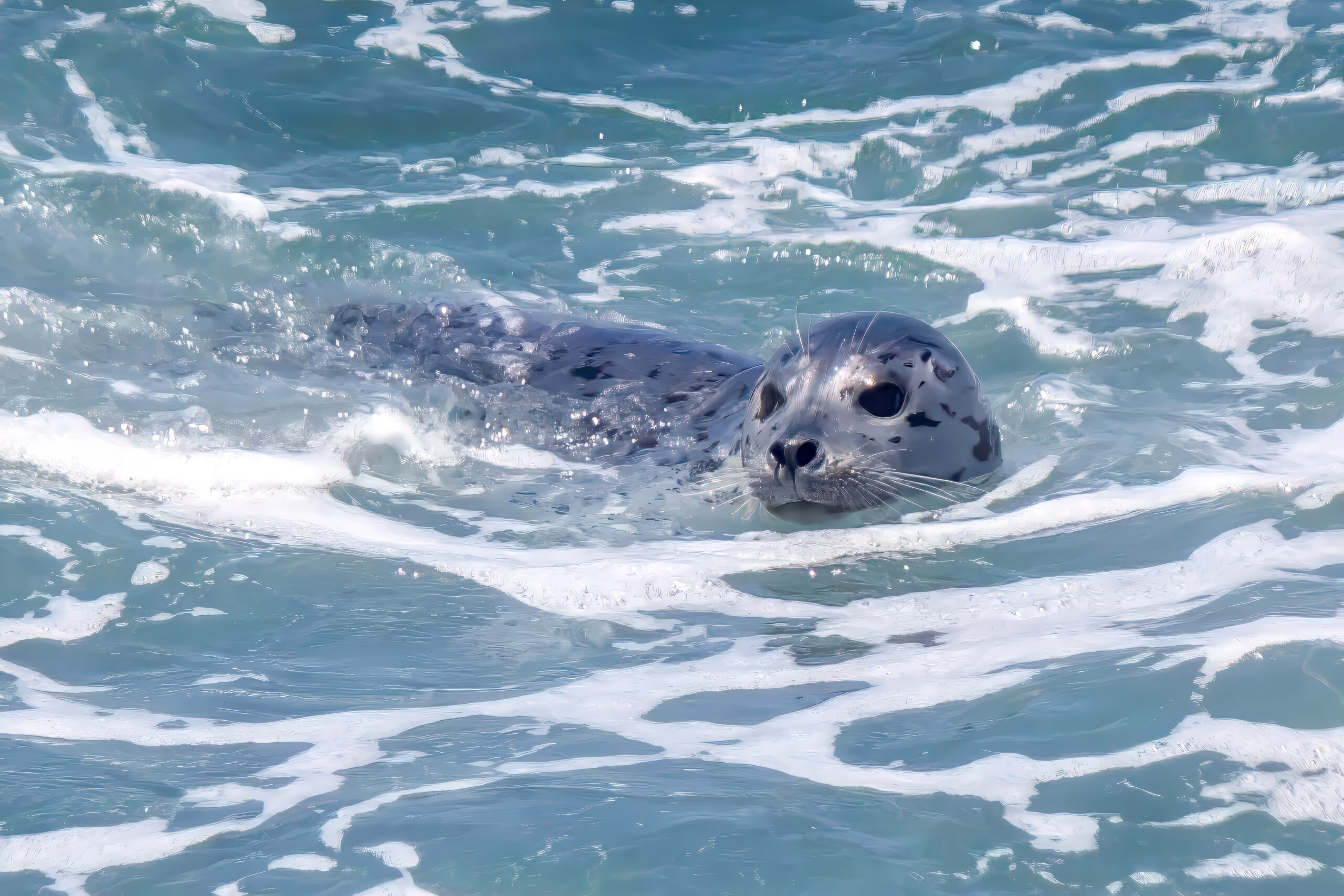
A 28-year dataset from 576 wild-caught harbour seals (Phoca vitulina) has provided reference intervals for 35 blood parameters. A reference interval is the range in which a blood value is expected to fall for most animals in the reference population. These baselines can strengthen health assessments of both individual seals and the Wadden Sea population, where comparable data from apparently healthy, free-ranging adults have been limited.
Researchers analysed samples collected between 1997 and 2024 at two sandbanks and the island of Helgoland in the German North Sea. They measured 14 haematological and 21 serum-biochemical parameters. The dataset was dominated by multi-year animals, with 454 older seals and 115 juveniles; pups were not included.
Age, sex and season
Age and sex had moderate effects on only a few measures. Juveniles had higher lactate dehydrogenase (LDH), while creatinine was higher in older animals; the authors note that creatinine partly reflects muscle mass, which may help explain the age difference. Females had higher triglycerides than males.
Seasonal effects were more widespread, affecting eight measures. Red-blood-cell count, haemoglobin and haematocrit were lower in summer than in spring and autumn, while total protein was highest in spring. Red-cell size variation was higher in autumn than in spring or summer, granulocyte counts were higher in spring than summer, calcium was lower in spring than summer, and the median cholesterol value was lower in spring than autumn. Winter was excluded from these comparisons because only 16 samples were available, so the seasonal analysis mainly reflects spring, summer and autumn.
Little evidence of a long-term shift
Several blood parameters differed between the four seven-year periods used in the time analysis, but only two showed a slight continuous trend across the full 28 years. Mean corpuscular volume (MCV), which describes the average size of red blood cells, increased slightly, while the proportion of lymphocytes — white blood cells involved in immune responses — decreased slightly. The authors found no broader pattern suggesting a progressive deterioration in the blood values.
The reference intervals can therefore serve as baseline data for detecting non-lethal or chronic changes in population health alongside information obtained from dead animals. The authors caution, however, that wild-caught animals cannot all be assumed to be healthy. Physical restraint may alter some blood values through stress, capture may favour animals that are easier to catch, and changes in laboratories or analysers could have influenced parts of the time series. The intervals are therefore most directly applicable to the Wadden Sea population and comparable sampling conditions.
Physiology
Related news
One Harbour Seal Had Similar Visual Acuity Underwater and in Air
A trained harbour seal detected small high- and intermediate-contrast targets about equally well underwater and in air, while…
Read story →
Northern Iceland Seal Count Recorded 441 Seals, Almost Unchanged From 2025
Volunteers counted 441 seals along just over 100 kilometres of coastline in northern Iceland on 27 July, almost…
Read story →
Three-Week-Old Harbour Seal Pup Euthanised After Projectile Fragments Lodged in Its Brain
A three-week-old Harbour Seal pup found with a gunshot wound near Bellingham, Washington, was euthanised after projectile fragments…
Read story →SPECIES IN THIS STORY
Species in this story
Independent research and conservation news archive
Did you find this information useful?
Wildlife Vagabond is independently built and maintained. Voluntary support helps cover source verification, hosting and continued work on research and conservation news.
Support Wildlife VagabondThe news archive will remain freely available.