
Only dominant vervet monkeys tackled the hardest food puzzle
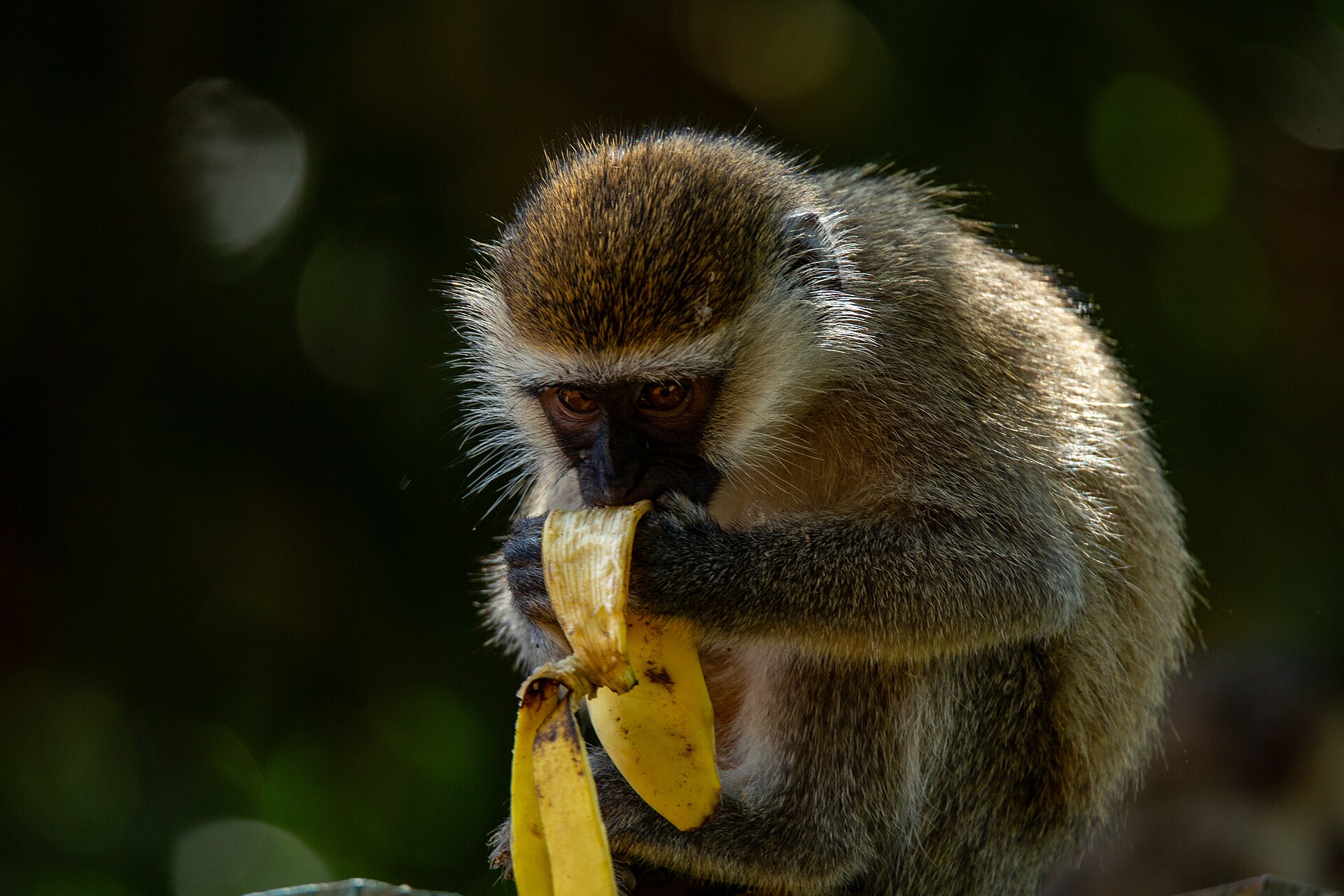
For a vervet monkey (Chlorocebus pygerythrus), getting food can involve more than finding it. If a task takes a long time, another monkey may have the chance to displace the animal doing the work. Here, the time spent working through a food puzzle to get its reward is its handling time. A field experiment with wild vervet monkeys examined how social rank related to foraging choices and how vigilance related to puzzle-solving.
Researchers placed three puzzle boxes in a straight line and offered them at the same time. The boxes became harder to handle and offered greater rewards. Monkeys of different dominance ranks accessed the easier, lower-reward boxes. But only dominant monkeys—those less likely to be displaced—attempted the most difficult box, which also took the longest to handle.
Experience and vigilance
Monkeys became quicker at handling each box as they gained experience with it. The researchers had also predicted a trade-off between vigilance and solving the puzzles: animals that spent more time watching for threats might be expected to work more slowly. Instead, higher vigilance rates were associated with faster puzzle-solving.
The authors suggest that monkeys may be able to scan their surroundings with frequent, brief glances while continuing to work. The finding is an association, but it points to a way vigilance and food handling could occur together rather than requiring a simple choice between the two.
Handling time may affect which food sources monkeys of different ranks attempt to use. A subordinate monkey at greater risk of being displaced may be less likely to start a long task, even when the food is available. The authors suggest that such costs could contribute to rank-related differences in diet.
Behaviour
Related news
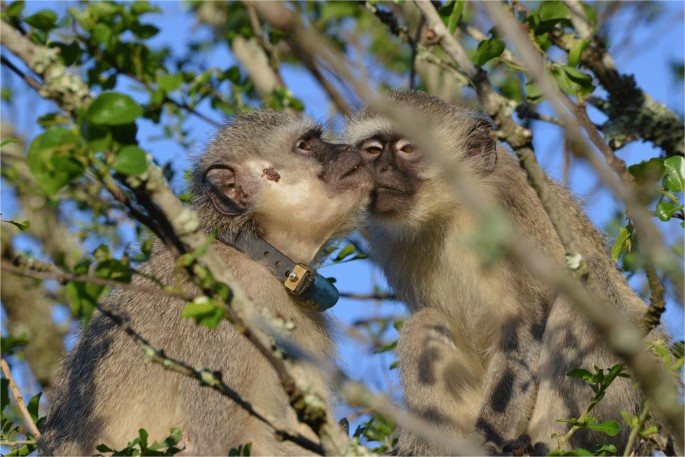
Wild Vervet Monkeys Used Vision in 96.8% of Food Evaluations
In 18,868 food-evaluation observations from 44 wild vervet monkeys in South Africa, vision was used in 96.8% of…
Read story →
More Foraging Around Buildings and Bins Was Not Linked to Greater Flexibility in Vervet Monkeys
A study of 42 semi-urban vervet monkeys found that more experience foraging around buildings and bins did not…
Read story →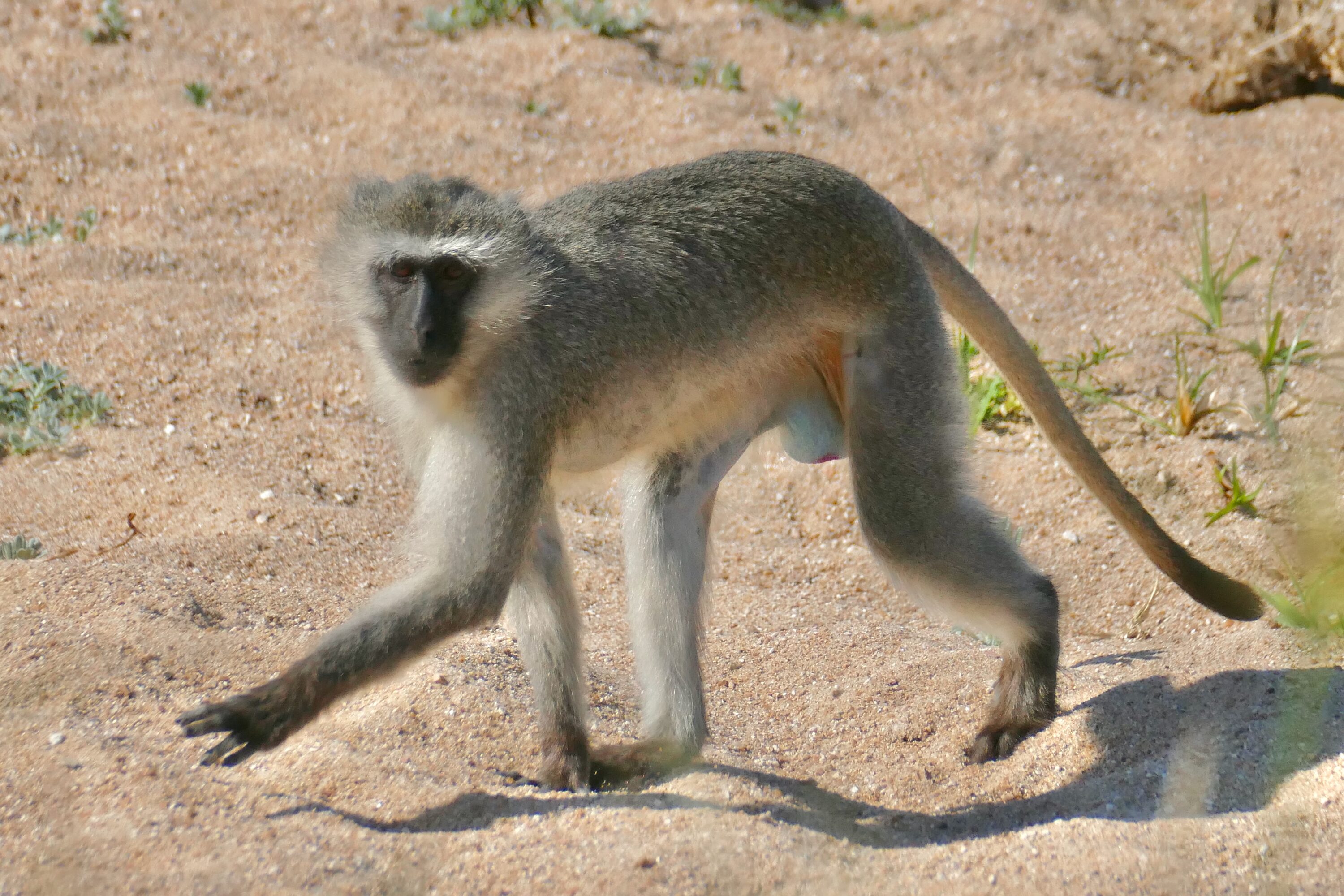
Adult Male Vervet Monkeys Were Disproportionately First at More Exposed River Crossings
Across 391 crossings in five vervet groups, adult males were disproportionately likely to cross first, with the strongest…
Read story →SPECIES IN THIS STORY
Species in this story
Independent research and conservation news archive
Did you find this information useful?
Wildlife Vagabond is independently built and maintained. Voluntary support helps cover source verification, hosting and continued work on research and conservation news.
Support Wildlife VagabondThe news archive will remain freely available.