
Morphology and COI DNA Identified Pharyngomyia picta in a Free-Ranging Sambar From Kerala
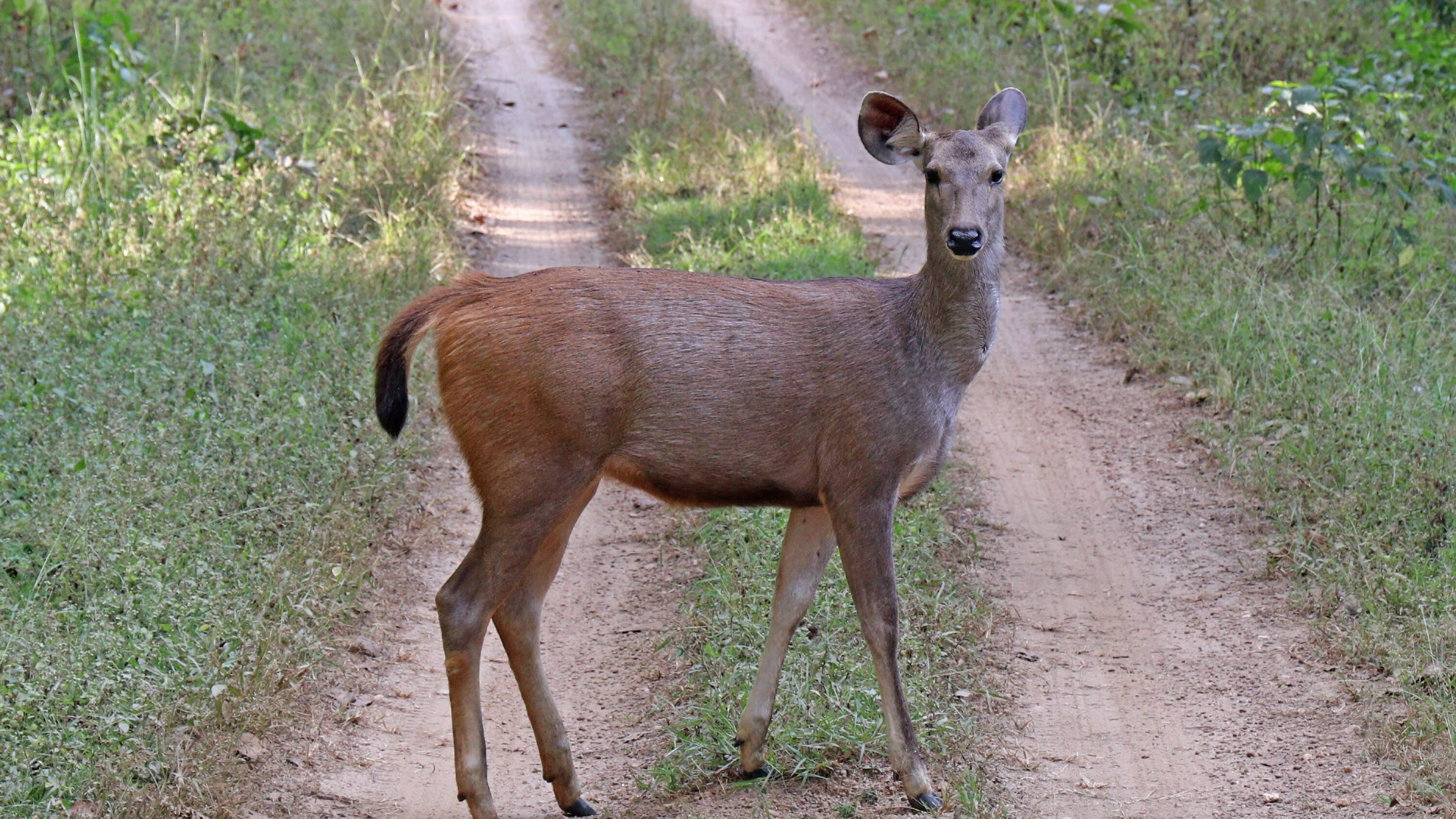
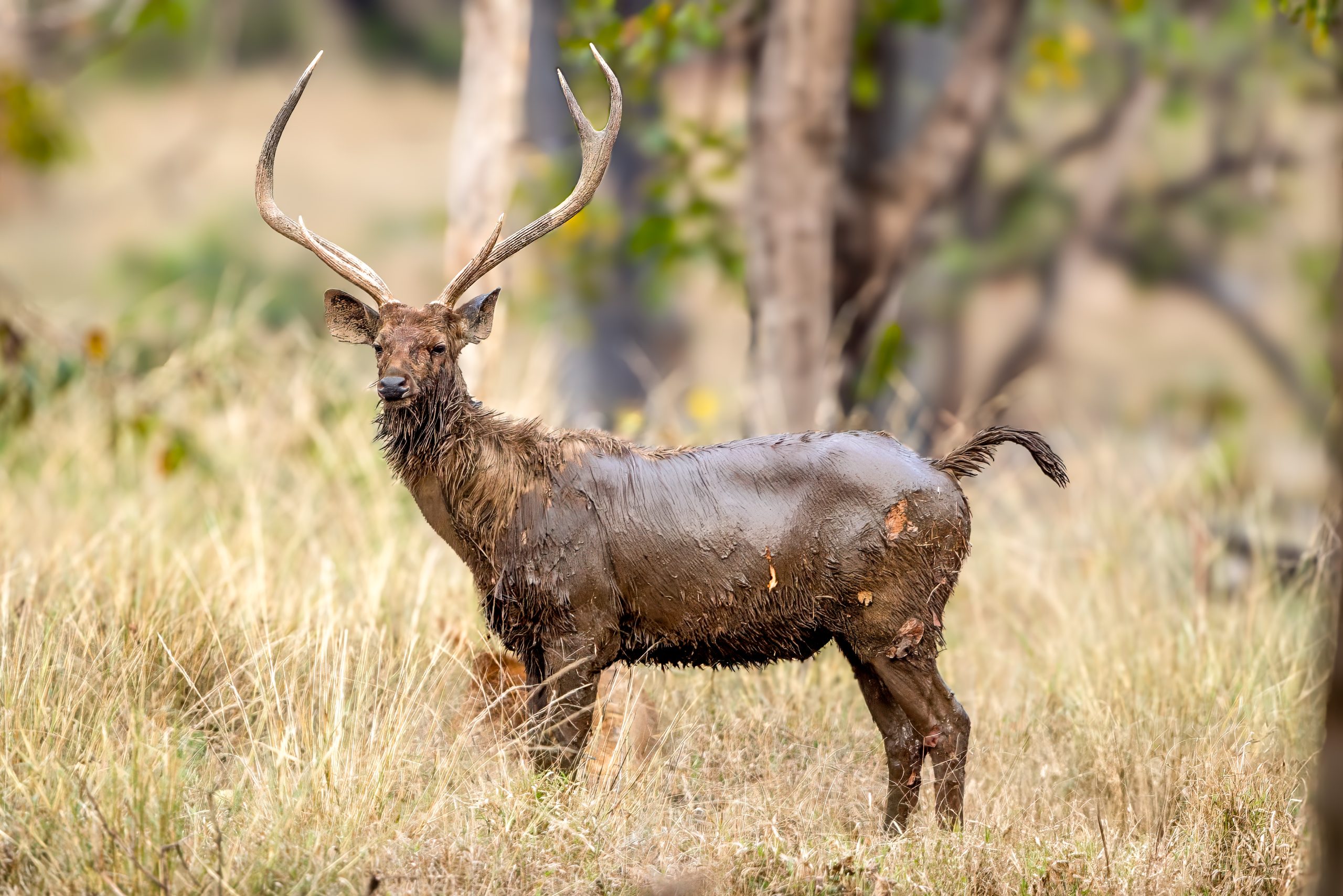
Researchers in Kerala combined larval morphology with DNA sequencing to identify the nasal bot fly Pharyngomyia picta in a free-ranging sambar (Rusa unicolor). P. picta is an obligate parasite of deer and other cervids: adult females release larvae at the host’s nostrils, and the larvae develop in the nasal and pharyngeal passages. Such infestation is called nasopharyngeal myiasis. The adult female sambar was found dead in Konnakuzhy in the Vazhachal Forest Division in January 2026, and four large larvae were recovered from its trachea during necropsy.
Morphology and a mitochondrial DNA barcode agreed
The larvae were 2.5–3 centimetres long and had the body spines and crescent-shaped posterior spiracles expected in third-instar P. picta. Because closely related bot flies can be difficult to distinguish by appearance alone, the researchers also sequenced a 640-base-pair fragment of the mitochondrial cytochrome c oxidase subunit I (COI) gene. COI is widely used as a DNA-barcode region: comparing its sequence with reference material can help distinguish closely related animal species.
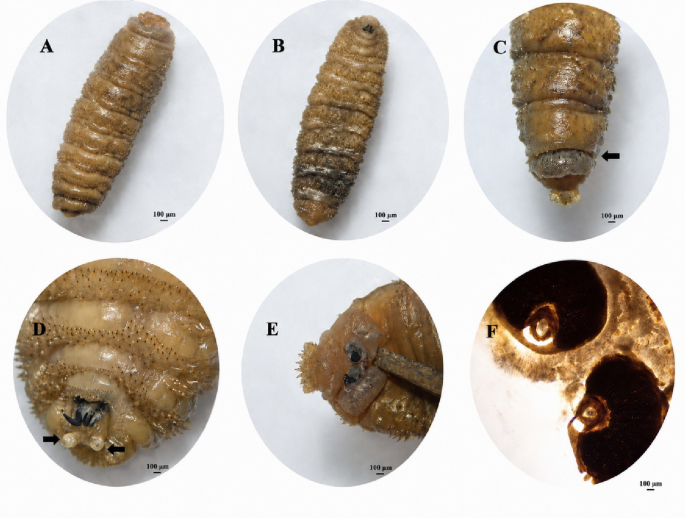
The Kerala sequences were identified as P. picta, and the phylogenetic analysis placed the analysed Kerala sequence within the P. picta lineage and closest to previously published Spanish reference sequences. Earlier reports had already documented P. picta in sambar in South Asia on morphological grounds; the new result is the first combined morphological and molecular characterisation from a sambar in Kerala. It therefore adds a DNA reference from an Indian wildlife host for which molecular information has been scarce.
The infestation may have contributed to breathing problems
The necropsy showed pulmonary congestion and oedema — fluid accumulation in the lungs — together with nasopharyngeal myiasis, and the larvae may have contributed to respiratory compromise. The researchers nevertheless state that the available evidence cannot establish a definitive causal relationship between the infestation and the deer’s death. They call for further epidemiological and molecular work to clarify the parasite’s distribution and health effects in wild cervids.
Disease, parasites & microbiology
Related news
Gut Microbiomes Across Nine Kruger Mammals Clustered More Strongly by Dietary Group Than Species
A study of 89 quality-filtered faecal samples from nine wild mammals in Kruger National Park found that carnivores,…
Read story →
Nearly Three-quarters of Migrating Redwings Carried Ticks During Two Mild Belgian Autumns
Ticks were found on 72.9% of 284 redwings sampled during late-autumn migration in Belgium; 12.9% of 698 screened…
Read story →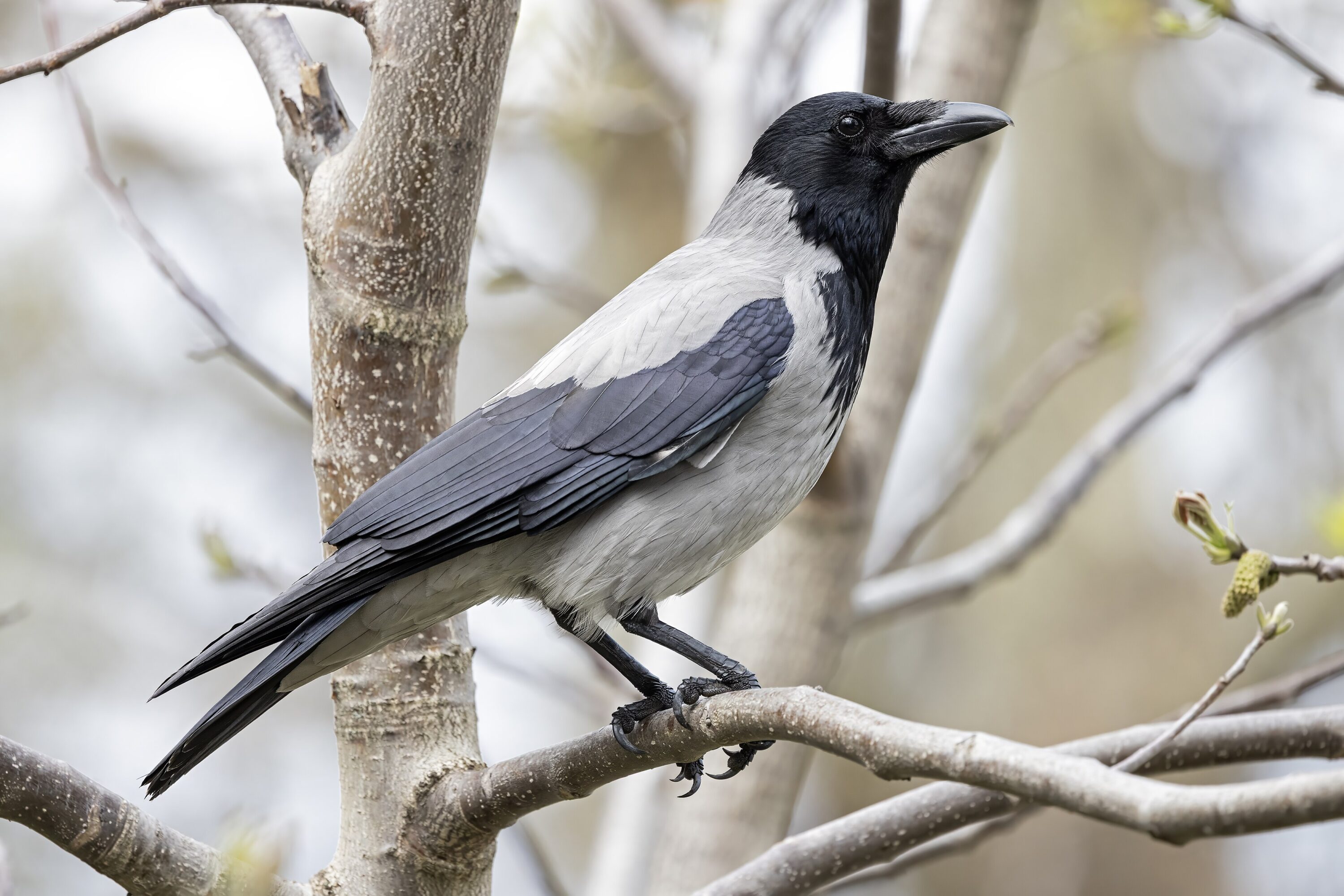
Hooded Crows Were Linked to 87 Reported West Nile Virus Bird Outbreaks in Europe
The September ECDC–EFSA report linked hooded crows to 87 reported West Nile virus bird outbreaks, Eurasian magpies to…
Read story →SPECIES IN THIS STORY
Species in this story
Independent research and conservation news archive
Did you find this information useful?
Wildlife Vagabond is independently built and maintained. Voluntary support helps cover source verification, hosting and continued work on research and conservation news.
Support Wildlife VagabondThe news archive will remain freely available.