
33 Descendants of Phased-Release Cheetahs Reached Independence in South Africa
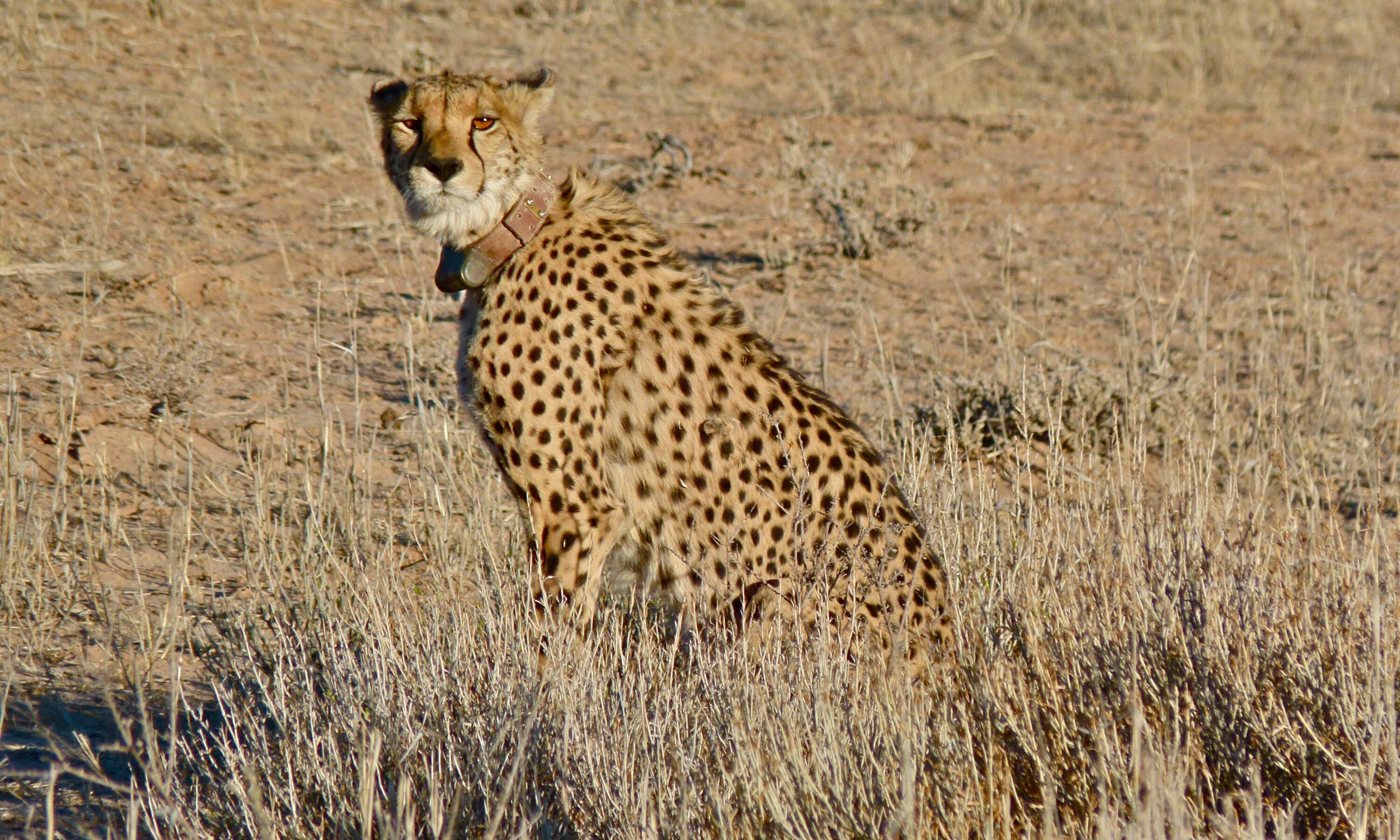
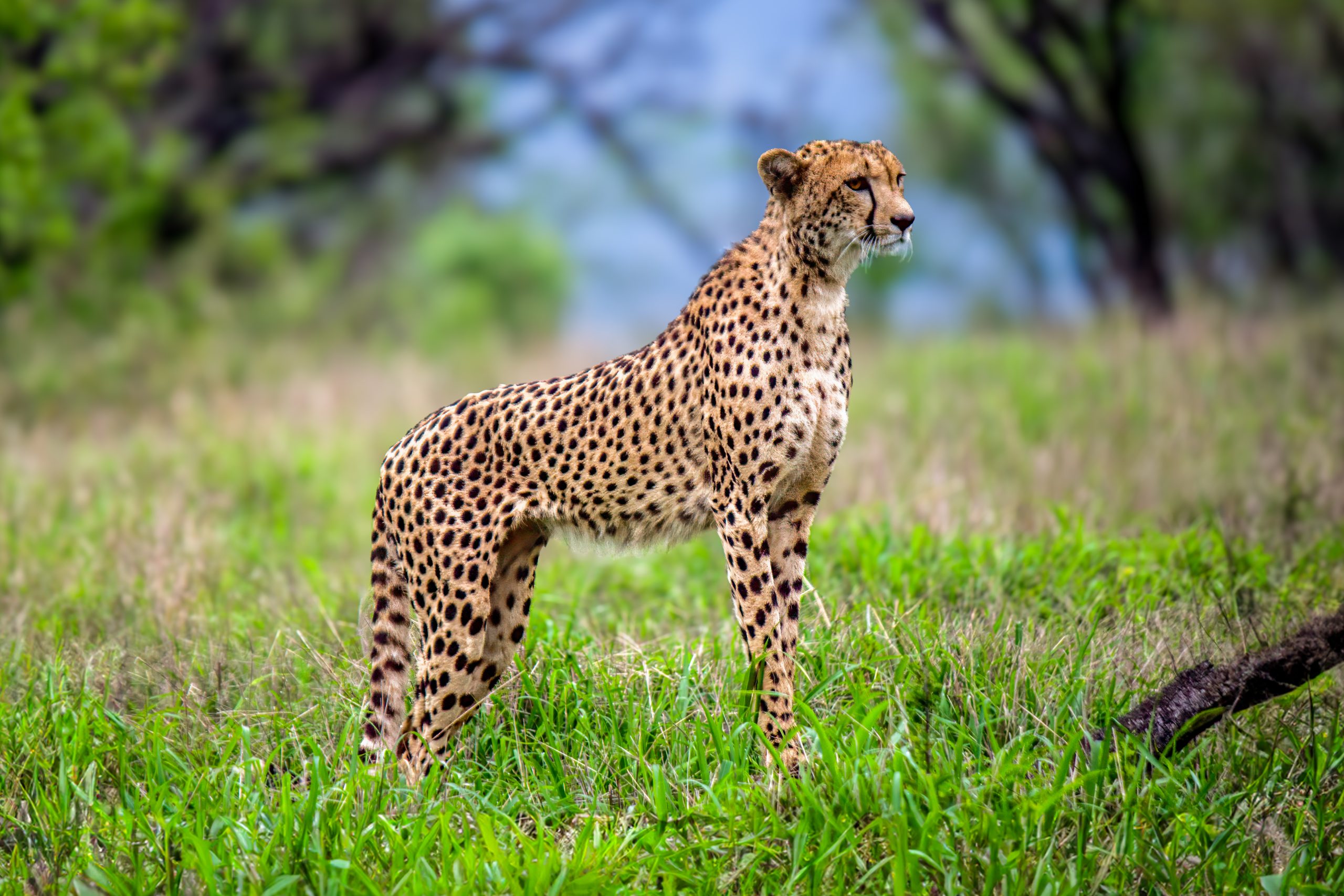
Twelve captive-origin cheetahs (Acinonyx jubatus) were released through phased reintegration into seven fenced reserves in South Africa. Their ranging patterns and habitat use stabilised within six months. Their lineages later included 36 first-generation and 19 second-generation cubs, of which 33 reached independence and entered the managed metapopulation.
The study followed three females and nine males released between October 2019 and May 2021 after phased-release training. The phased process gradually prepared the animals for wild conditions through diet and fitness conditioning, acclimatisation in a fenced holding enclosure (boma) and then a larger predator-free pre-release area where hunting ability and body condition were monitored before full release. All were fitted with tracking collars. Researchers monitored movement and habitat use alongside body condition, prey consumption, survival and reproduction to assess how the animals adapted after release.
Ranging stabilised within six months
Monthly home-range size, overlap and habitat use stabilised within six months for all 12 cheetahs. Body-condition scoring and observations of prey consumption were also used to follow post-release performance. Three animals died of natural causes during the formal monitoring period.
Reproduction began quickly. All three females mated within four months of release. By publication, the released animals’ lineages included 55 first- and second-generation cubs in total, and 33 had reached independence.
A supplement to the managed metapopulation
The authors describe the work as a short-term test of whether captive-origin cheetahs can supplement a managed metapopulation after phased-release reintegration. In this case, the released animals established stable ranging patterns, reproduced and contributed independent descendants to the wild-born metapopulation. The study also emphasises intensive post-release monitoring as a way to measure translocation success and guide subsequent carnivore management. The authors caution that this was a small, short-term case study, and that collar failures and inconsistent monitoring left gaps for some individuals.
Reintroductions & translocations
Related news
India’s Cheetah Project Sparked Debate Over Deaths, Transparency and Whose Expertise Counted
A review of 28 documents about Project Cheetah in India found sharply different accounts of its conservation goals,…
Read story →
DNA Methylation Shifted as Namibian Male Cheetahs Became Territorial
Paired blood samples from ten free-ranging Namibian males revealed widespread, predominantly increased DNA methylation after the same cheetahs…
Read story →
Most of the Modelled Suitable Cheetah Habitat in Southern Africa Lies Outside Protected Areas
Modelling across Botswana, Namibia, South Africa and Zimbabwe found that about 69% of currently suitable free-roaming cheetah habitat…
Read story →SPECIES IN THIS STORY
Species in this story
Independent research and conservation news archive
Did you find this information useful?
Wildlife Vagabond is independently built and maintained. Voluntary support helps cover source verification, hosting and continued work on research and conservation news.
Support Wildlife VagabondThe news archive will remain freely available.