
Pied Crows and Yellow-billed Kites Dominated Urbanized Ghanaian Shorelines in Both Seasons
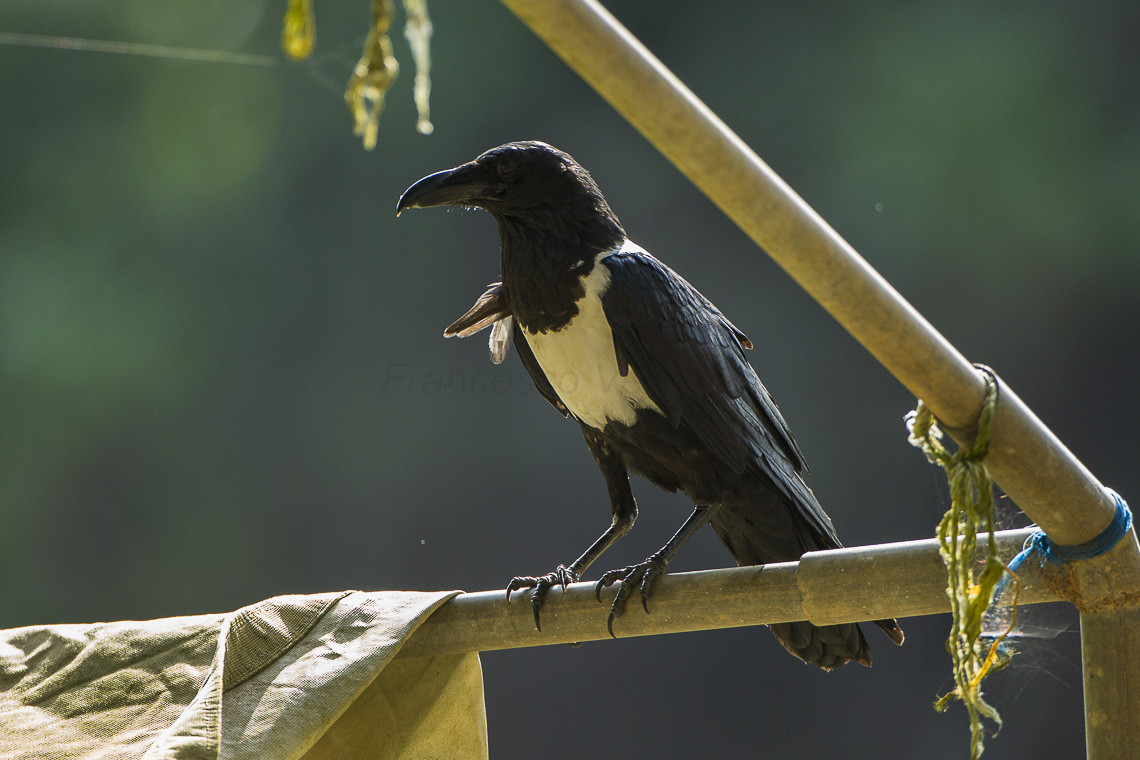
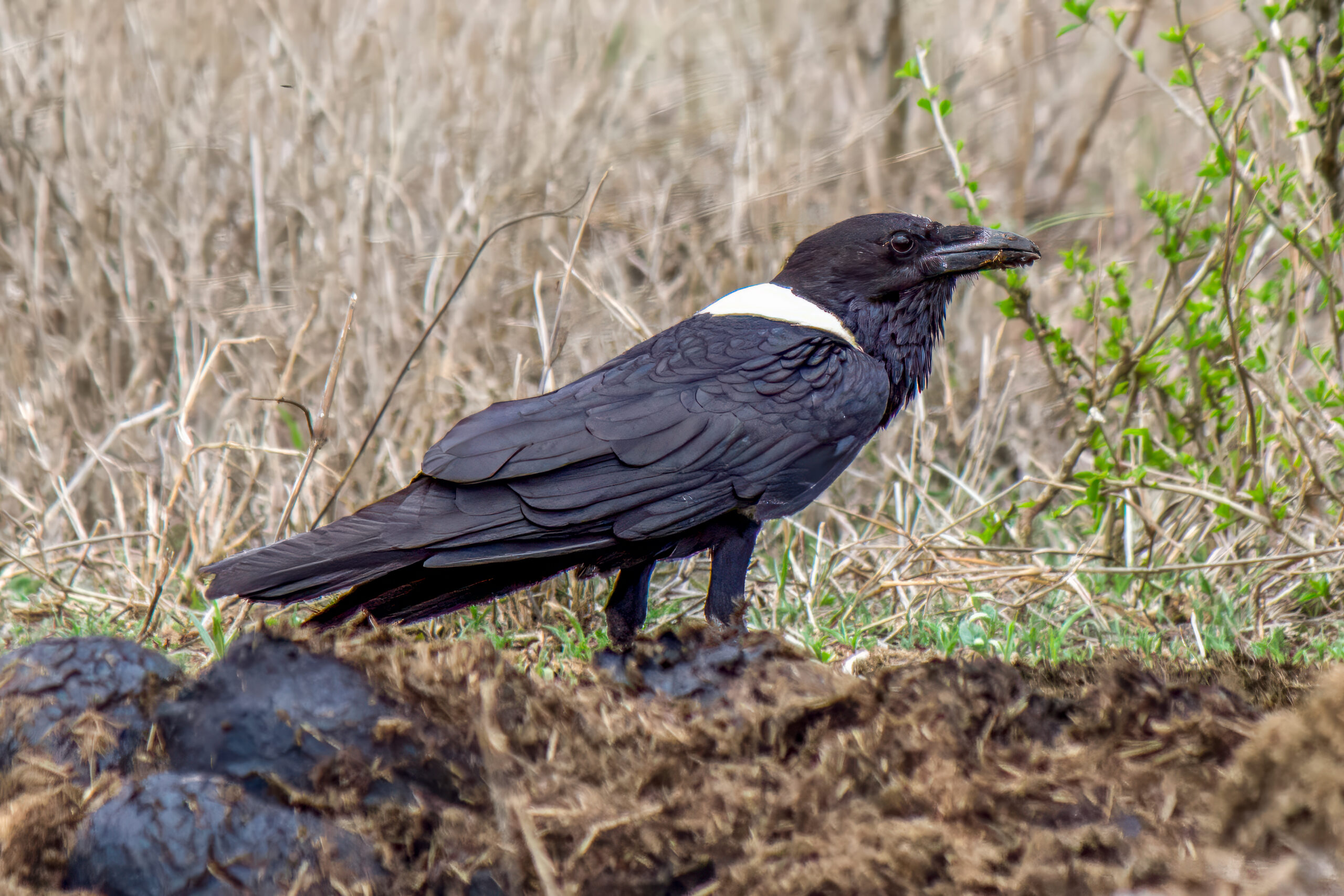
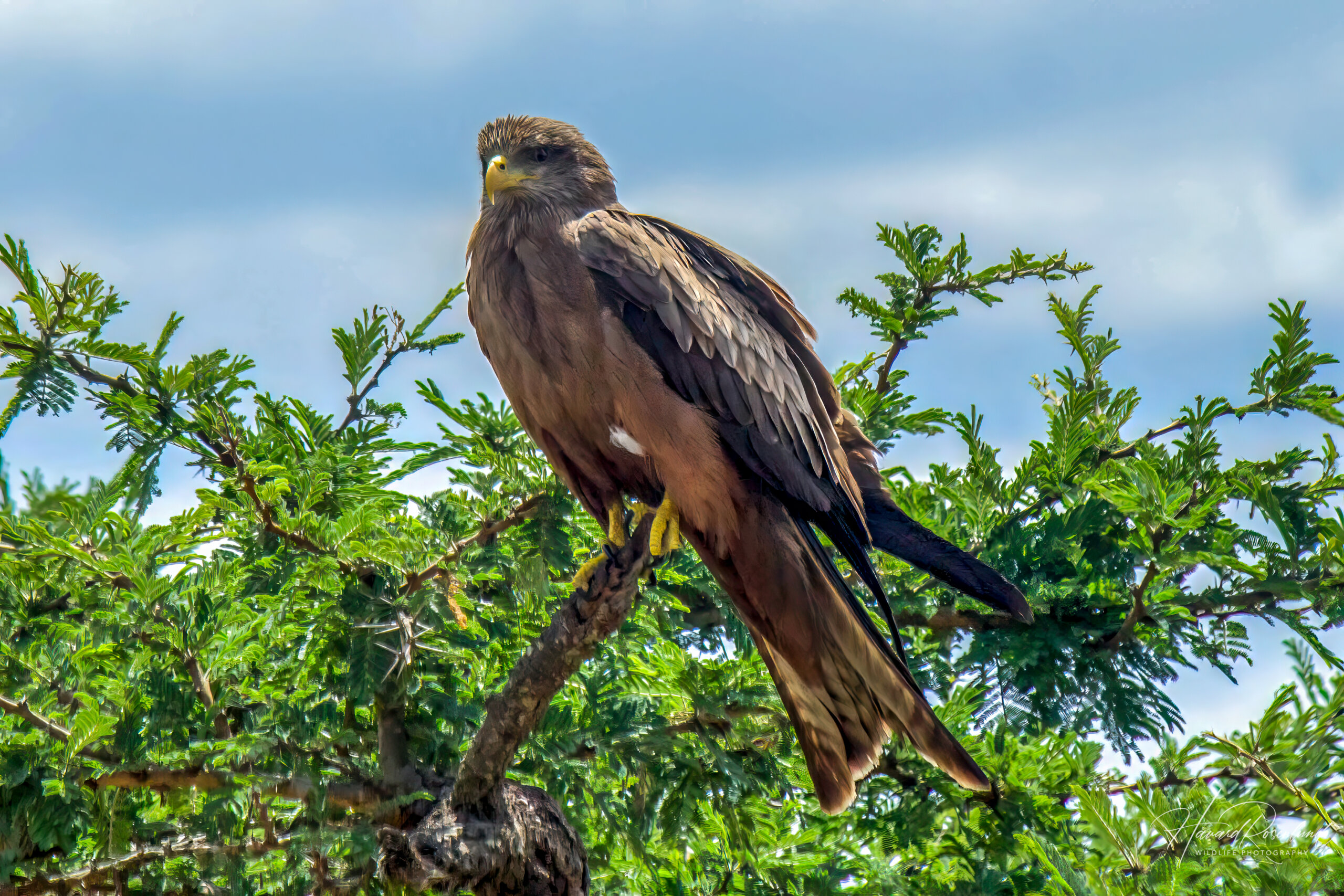
A study along 15 kilometres of coastline in Ghana’s Central Region found sharply different seasonal patterns on natural and urbanized shorelines. Bird communities at natural sites changed strongly between the wet and dry seasons, whereas functional trait composition at urbanized sites changed much less. Pied crows (Corvus albus) and yellow-billed kites (Milvus aegyptius) were among the dominant generalists at the urbanized sites in both seasons.
Researchers surveyed birds at 30 points between June 2023 and February 2024. Rather than looking only at species numbers, they also compared ecological traits such as body size, diet, foraging behaviour, migratory tendency and habitat preference. This showed a clear contrast: natural shorelines changed strongly between seasons, while urbanized sites retained a much more similar functional composition.
Natural shorelines changed more between seasons
On natural shorelines, the spread of ecological traits within the bird community changed markedly between the dry and wet seasons. Other measures of functional diversity also shifted, showing that season affected not only which species were present but also the range and balance of ecological roles represented in the community.
Urbanized shorelines showed much weaker seasonal restructuring. Pied crow was the most abundant species there in both seasons, and yellow-billed kite also remained among the dominant birds. The authors argue that persistent food from refuse and human waste, together with simplified shoreline structure, can favour large-bodied generalists and weaken the seasonal changes seen in more natural habitats.
Short-term weather and tides were also associated with functional diversity
Short-term conditions were also associated with the functional composition of the bird community. Cloud cover showed the clearest relationship, while temperature, tide and time of day were also associated with some of the variation. The authors stress that these are short-term patterns from the survey period and do not by themselves show an effect of climate change.
The study therefore argues that preserving natural shoreline fragments matters for more than species counts. These sites retained much stronger seasonal turnover in ecological functions and supported seasonal migrants that were less prominent in urbanized areas. The authors note that some sites classified as natural during the study had already been modified with riprap by the time of publication, and they recommend protecting remaining natural shoreline sections and limiting further hard shoreline armouring in functionally rich areas.
Ecology
Related news
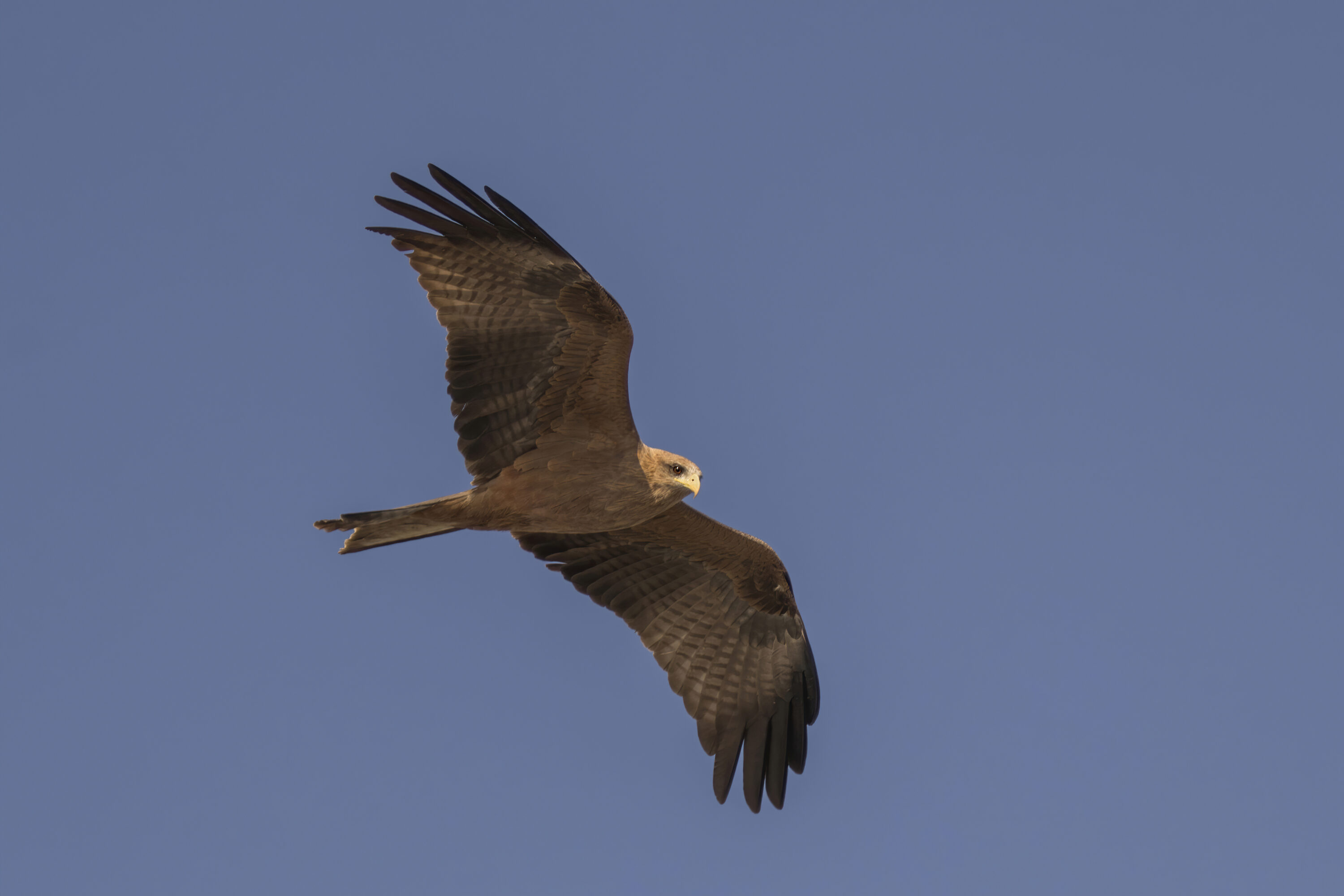
Survey estimated 20,200 Yellow-billed Kites killed during two hunting seasons in southern Benin
Field research reported in July 2026 estimated that hunters killed 20,200 yellow-billed kites during two hunting seasons in…
Read story →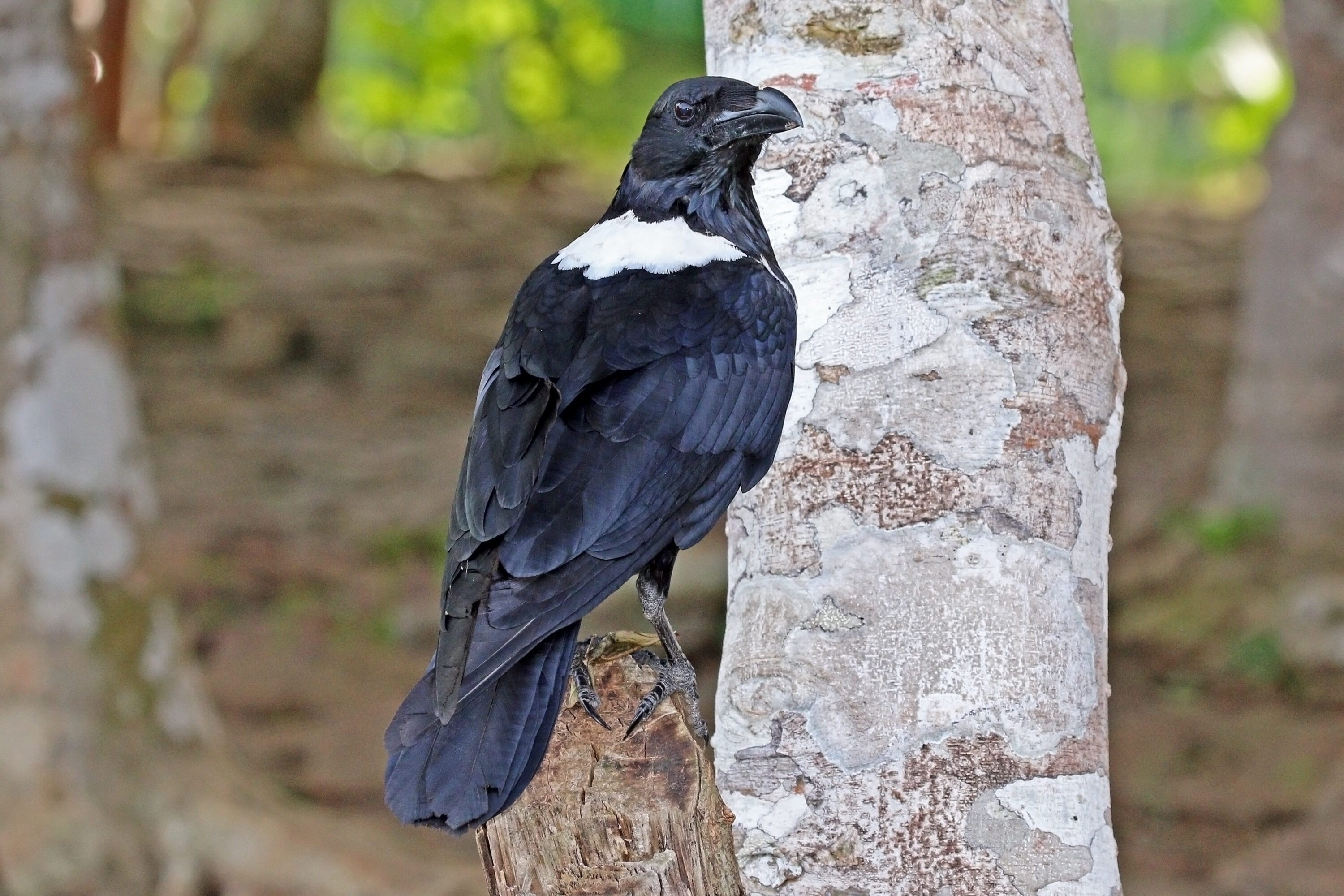
Pied Crow and Common Raven Began a Mixed Breeding Attempt at Jbel Moussa
A pied crow repeatedly seen with a common raven at Jbel Moussa in northern Morocco began a mixed…
Read story →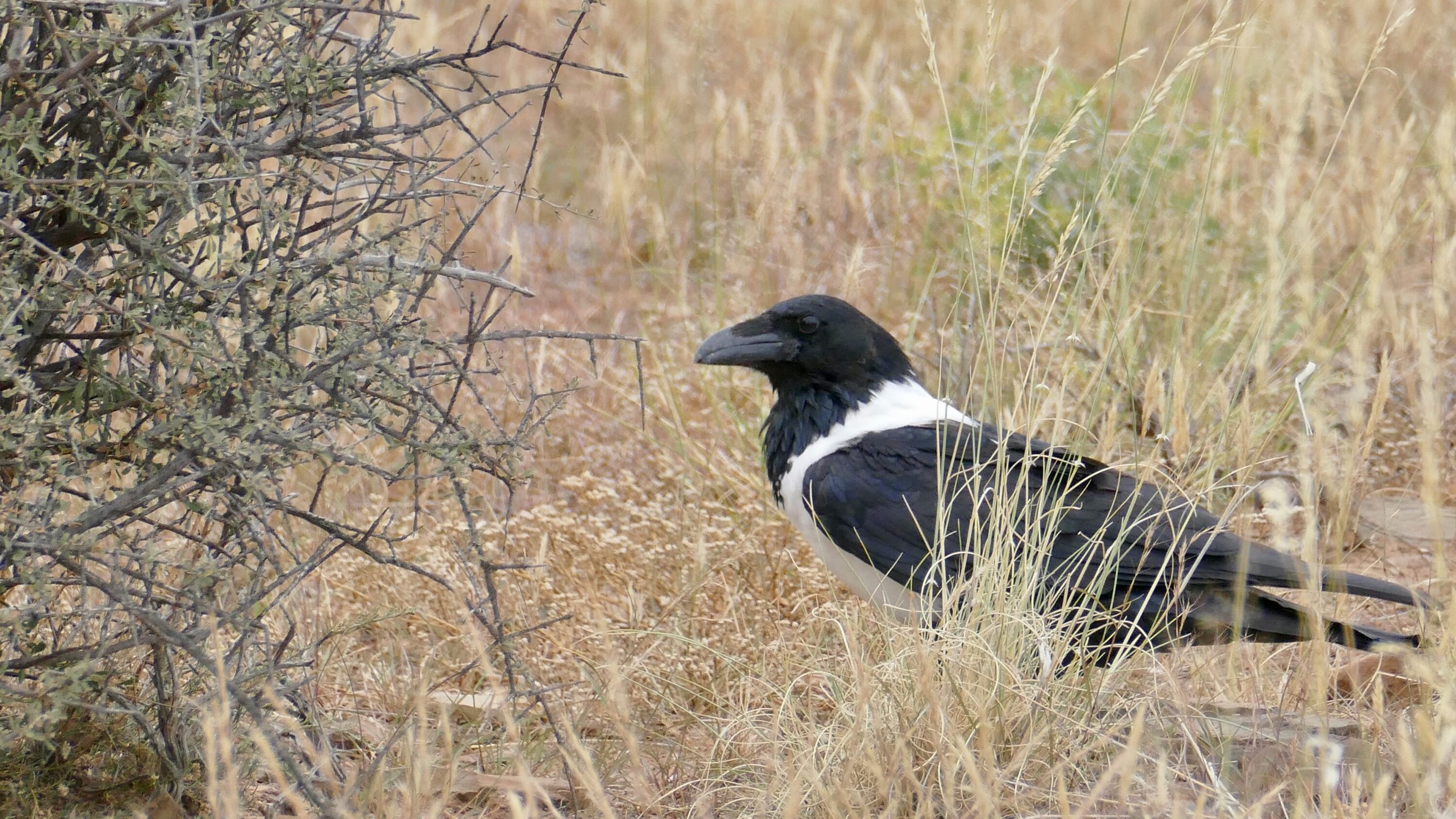
Britain’s Roaming Pied Crow Was Not Accepted as a Wild Vagrant
BOURC ruled in March 2026 that the pied crow roaming Britain in 2018–2019 should not be treated as…
Read story →SPECIES IN THIS STORY
Species in this story
Independent research and conservation news archive
Did you find this information useful?
Wildlife Vagabond is independently built and maintained. Voluntary support helps cover source verification, hosting and continued work on research and conservation news.
Support Wildlife VagabondThe news archive will remain freely available.