
Common Ravens Responded to Visitor Numbers Rather Than a Fixed Weekend Cycle
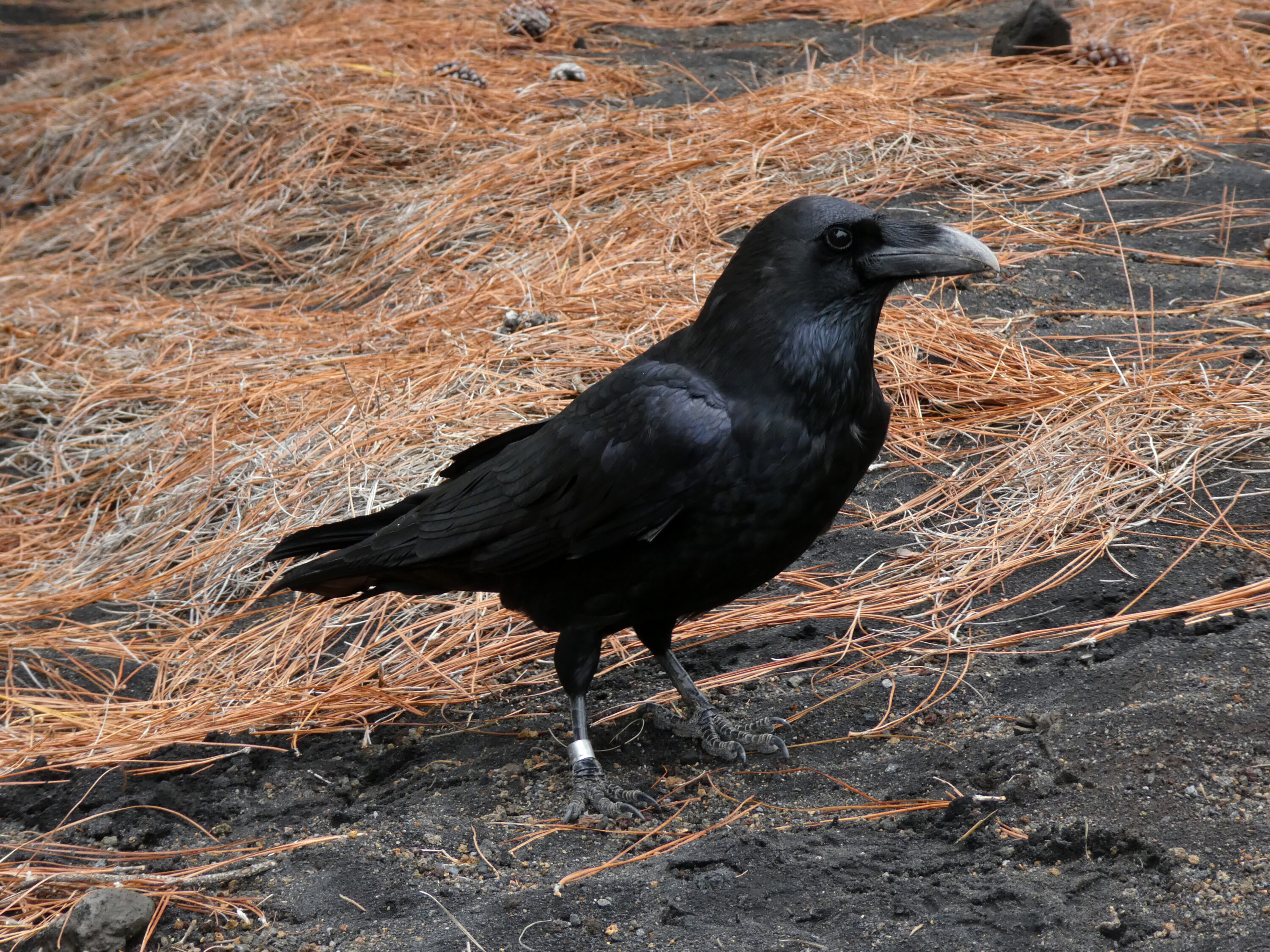
Free-ranging common ravens (Corvus corax) at Cumberland Wildpark in Austria responded more strongly to day-to-day visitor numbers than to a fixed weekday–weekend rhythm. The study, published in Movement Ecology on 3 June 2026, used five years of GPS data to test how the birds balanced a reliable human-provided food source against disturbance from park visitors.
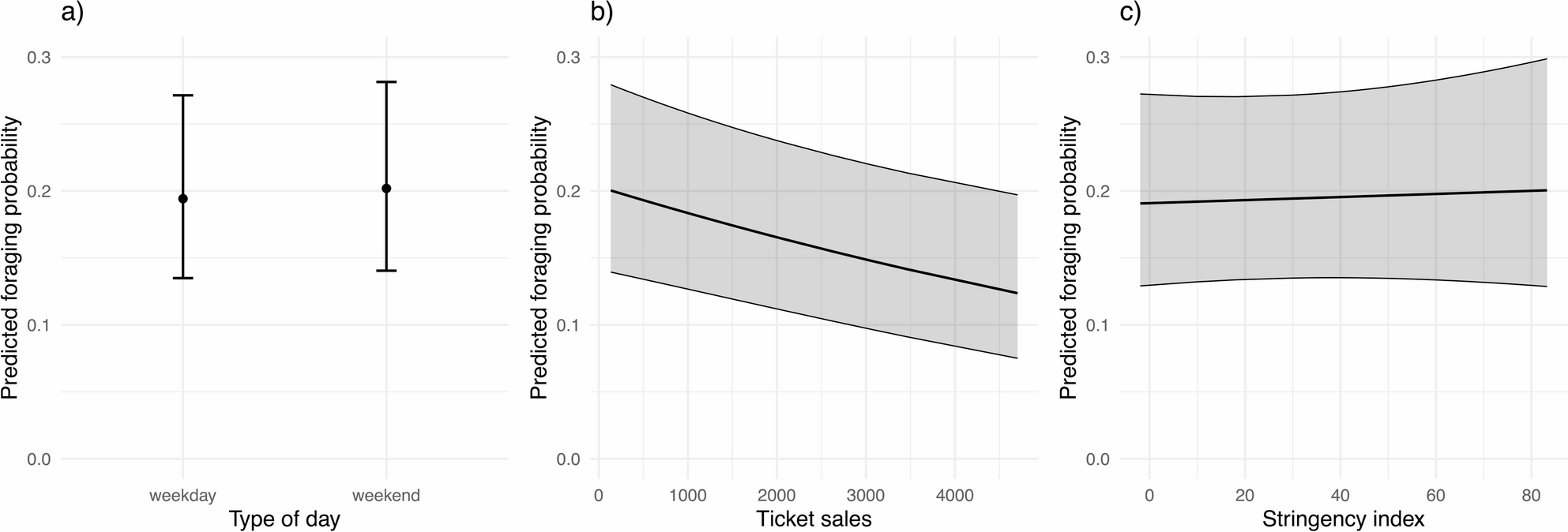
Food was routinely provided to captive animals at the park, especially wild boar, independently of visitor numbers. The researchers analysed daily foraging probability for 130 ravens and daily space use for 123 ravens from 2018 to 2022. Foraging probability declined significantly as ticket sales increased, while the birds used larger daily areas on days with more visitors. The data gave only limited support to a simple “5 + 2” pattern separating weekdays from weekends.
The study also tested a finer time scale. During a six-week period in 2023, two-hour movement and foraging patterns were analysed for 22 ravens against detailed visitor timing. At this scale, the combined models did not show a significant overall response to visitor presence, so the clearest behavioural effect was the day-level pattern seen across the longer dataset rather than an immediate response within each part of the day.
The authors interpret the results as evidence that the ravens adjusted their use of the wildlife park to actual fluctuations in human presence rather than anticipating a rigid weekly cycle. They note that some birds also used alternative human-associated feeding sites many kilometres away, giving them options when disturbance at the park increased.
Behaviour
Related news
Family size shapes social object play in young ravens
A 2026 experiment found that small differences in sibling number changed how juvenile ravens gathered around object playgrounds…
Read story →
Raven Herpesvirus Was Suspected in Six Sudden Deaths in Poland
Six Common Ravens found dead together in central Poland were positive for both circovirus and a herpesvirus not…
Read story →
Oiling Raven Eggs Cut Hatchability 94.5% and Raised Estimated Greater Sage-Grouse Abundance 44% Relative to Controls
A seven-site experiment in Nevada and California found that oiling common raven eggs cut hatchability by 94.5%, more…
Read story →SPECIES IN THIS STORY
Species in this story
Independent research and conservation news archive
Did you find this information useful?
Wildlife Vagabond is independently built and maintained. Voluntary support helps cover source verification, hosting and continued work on research and conservation news.
Support Wildlife VagabondThe news archive will remain freely available.