
Red Foxes Visited Carrion Most in Cool Seasons and Spent Longest Scavenging in the Arid Bioregion
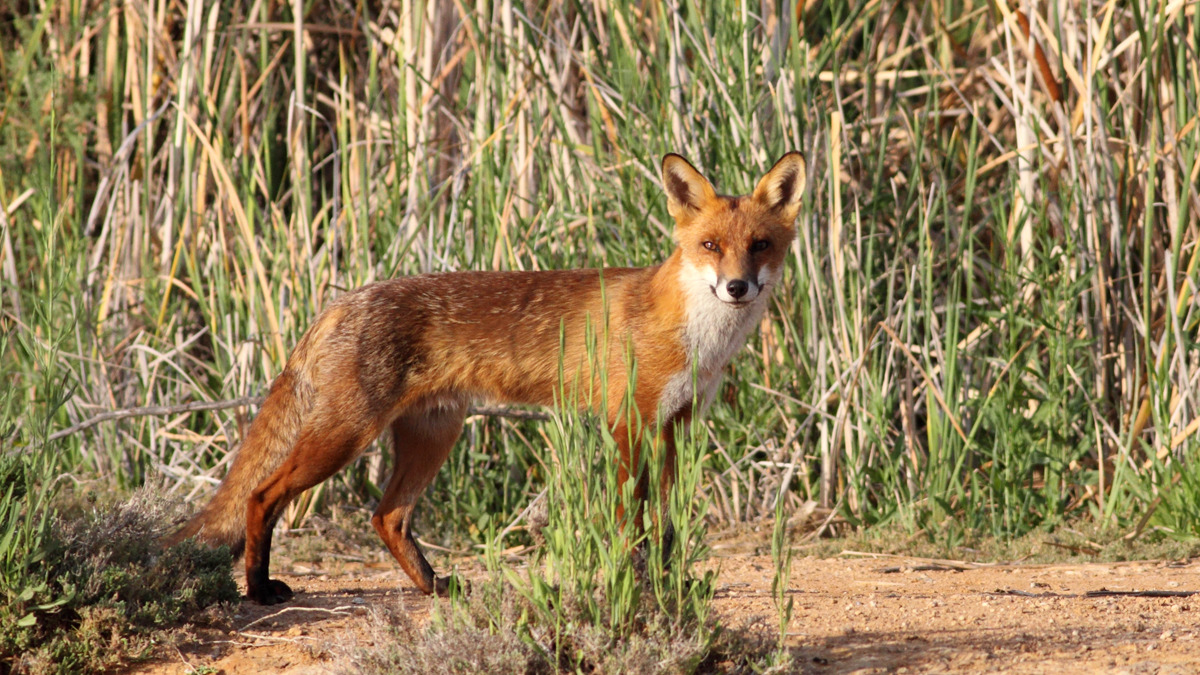
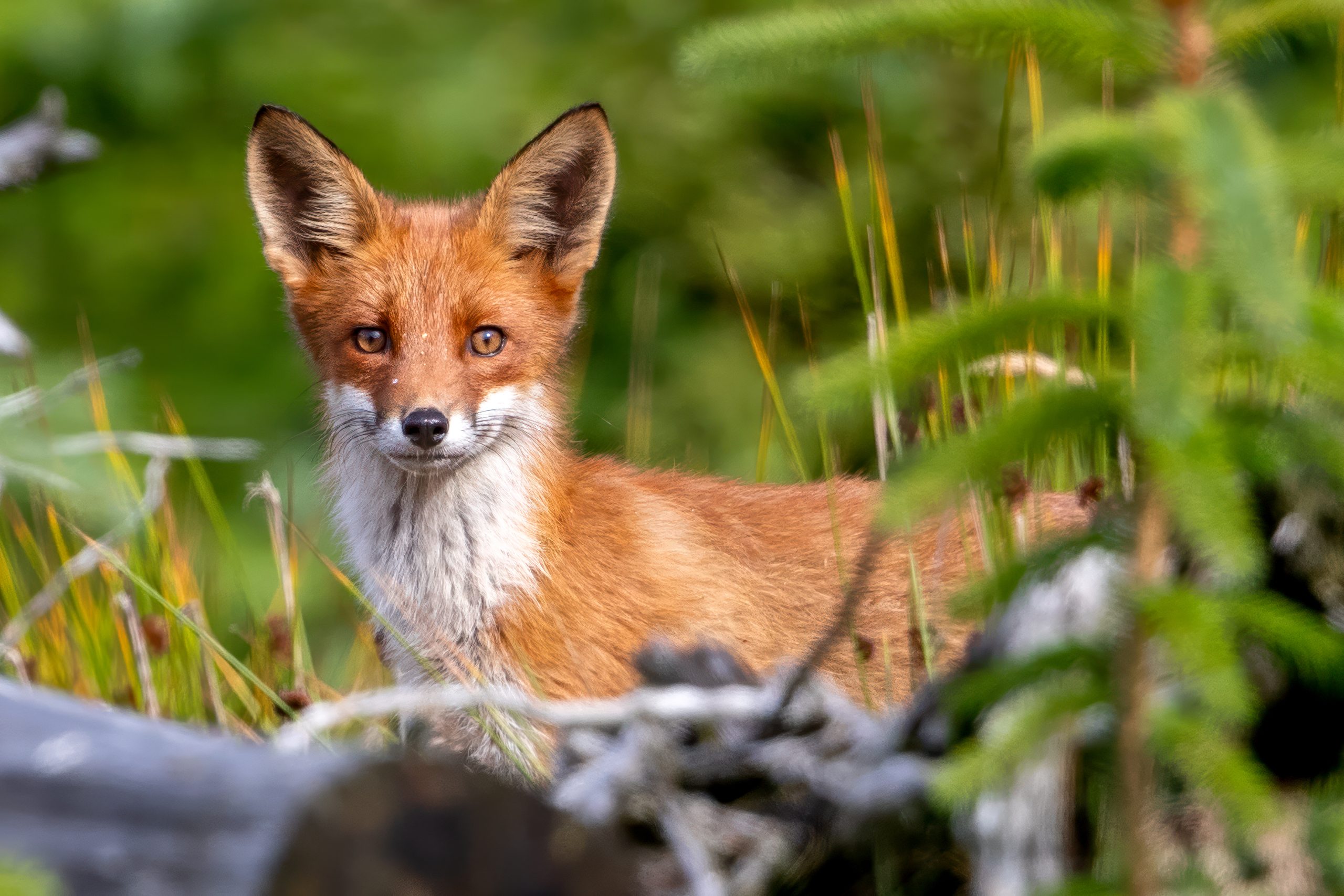
A study published in 2026 found that introduced red foxes (Vulpes vulpes) made extensive use of kangaroo carcasses across three contrasting Australian ecosystems, with scavenging concentrated in cool seasons and particularly strong in the arid bioregion.
Researchers monitored 119 kangaroo carcasses for 30 days each using camera traps in alpine, temperate and arid parts of Australia. The deployments covered warm and cool seasons and both open and closed-canopy habitats. Red foxes visited 65 of the carcasses, or 55%, producing 781 independent visitation events.
Scavenging peaked in the cool season
Most visits occurred in the cool season, which accounted for 81% of the 781 independent events. The arid region alone accounted for 62% of all visits. Foxes also differed strongly in how they used carcasses once they found them: the model estimated that they spent about 1.8 times more time scavenging in the arid region than in the alpine region and detected carcasses about 2.3 times faster there.
Fox activity shifted around dingo activity peaks
Their daily peaks in scavenging activity also tended to occur before and after peak dingo activity in the arid and temperate regions. The authors interpret this temporal separation as consistent with foxes adjusting their use of carcasses in response to the presence of the larger competitor. The camera data show the timing pattern, but do not by themselves demonstrate that dingo activity caused the shift.
The study concludes that carrion can be an important food resource for introduced red foxes in Australia, especially during cool seasons and in less productive arid environments, where carcasses may help support fox populations.
Ecology
Related news
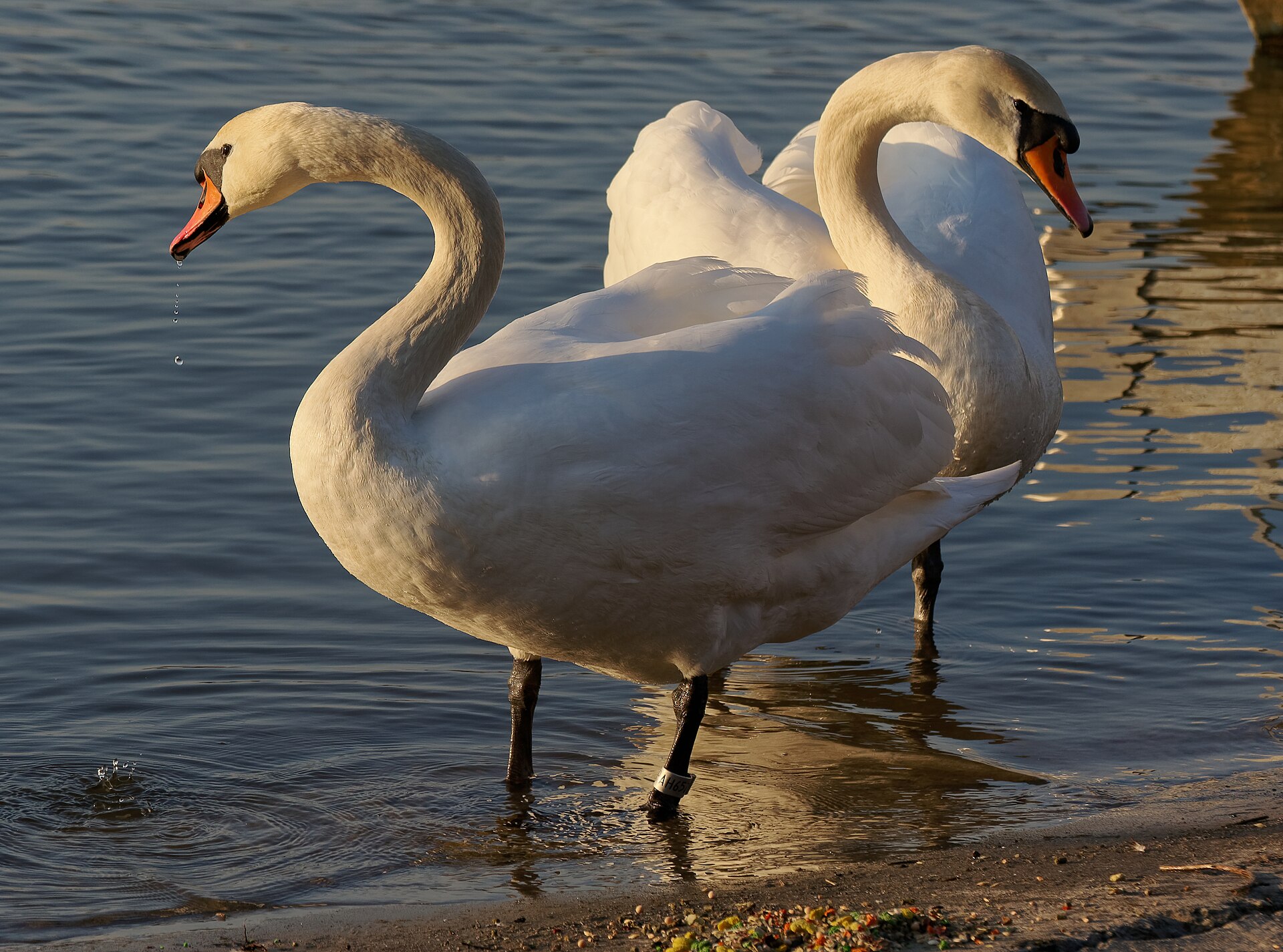
Inland Mute Swans Had Higher Winter Body Condition Despite Harsher Winters and Supplemental Feeding
A study of 853 mute swans from four Polish wintering regions found higher body condition inland than on…
Read story →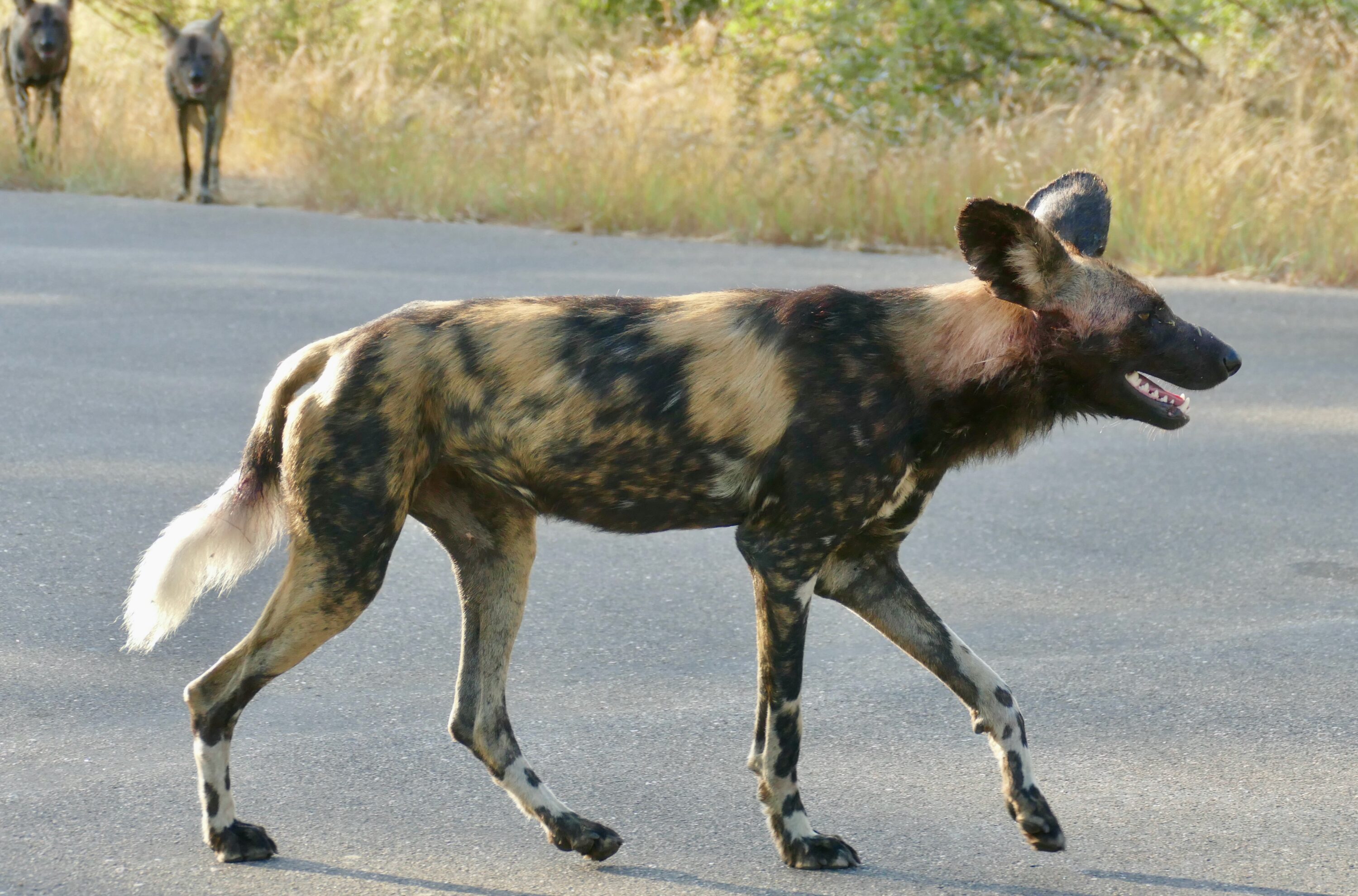
Gut Microbiomes Across Nine Kruger Mammals Clustered More Strongly by Dietary Group Than Species
A study of 89 quality-filtered faecal samples from nine wild mammals in Kruger National Park found that carnivores,…
Read story →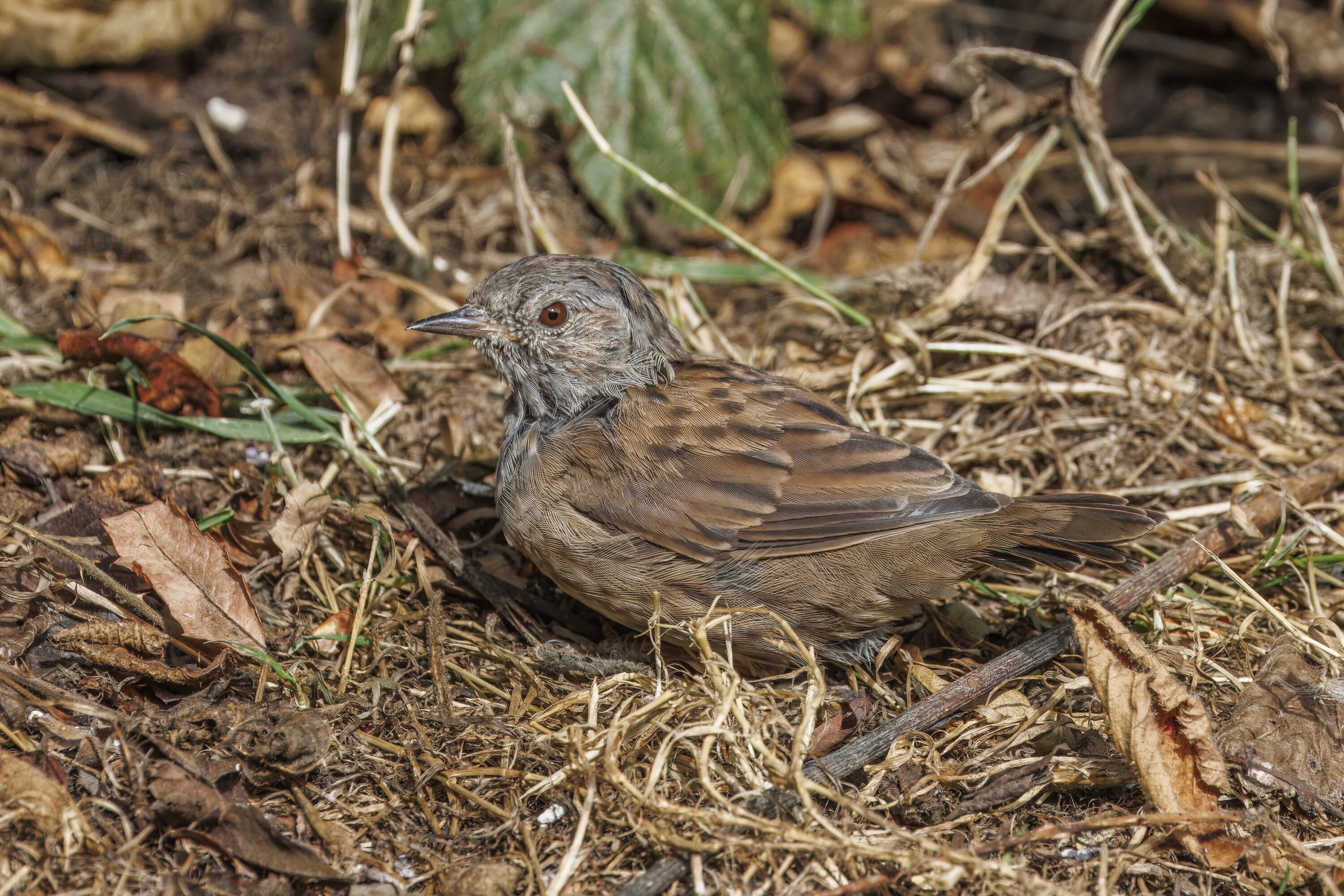
Dunnock Spring Passage Advanced by Up to 8.3 Days Over 61 Years at Hel
Standardised ringing data from northern Poland showed that the first, median and last phases of dunnock spring passage…
Read story →SPECIES IN THIS STORY
Species in this story
Independent research and conservation news archive
Did you find this information useful?
Wildlife Vagabond is independently built and maintained. Voluntary support helps cover source verification, hosting and continued work on research and conservation news.
Support Wildlife VagabondThe news archive will remain freely available.