
Forty Percent of Bacterial Isolates From Red-naped Ibis Were Multidrug-resistant
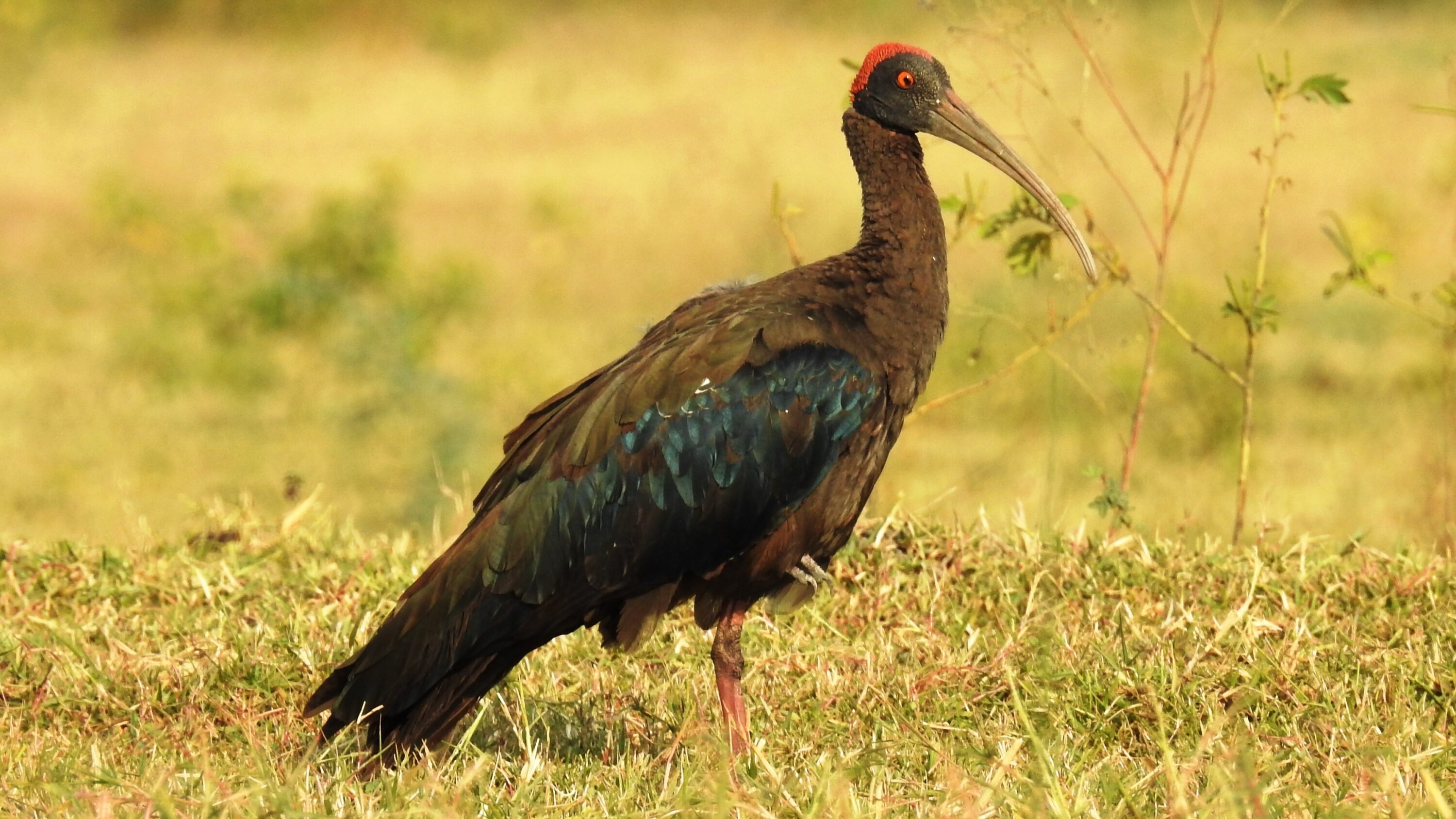
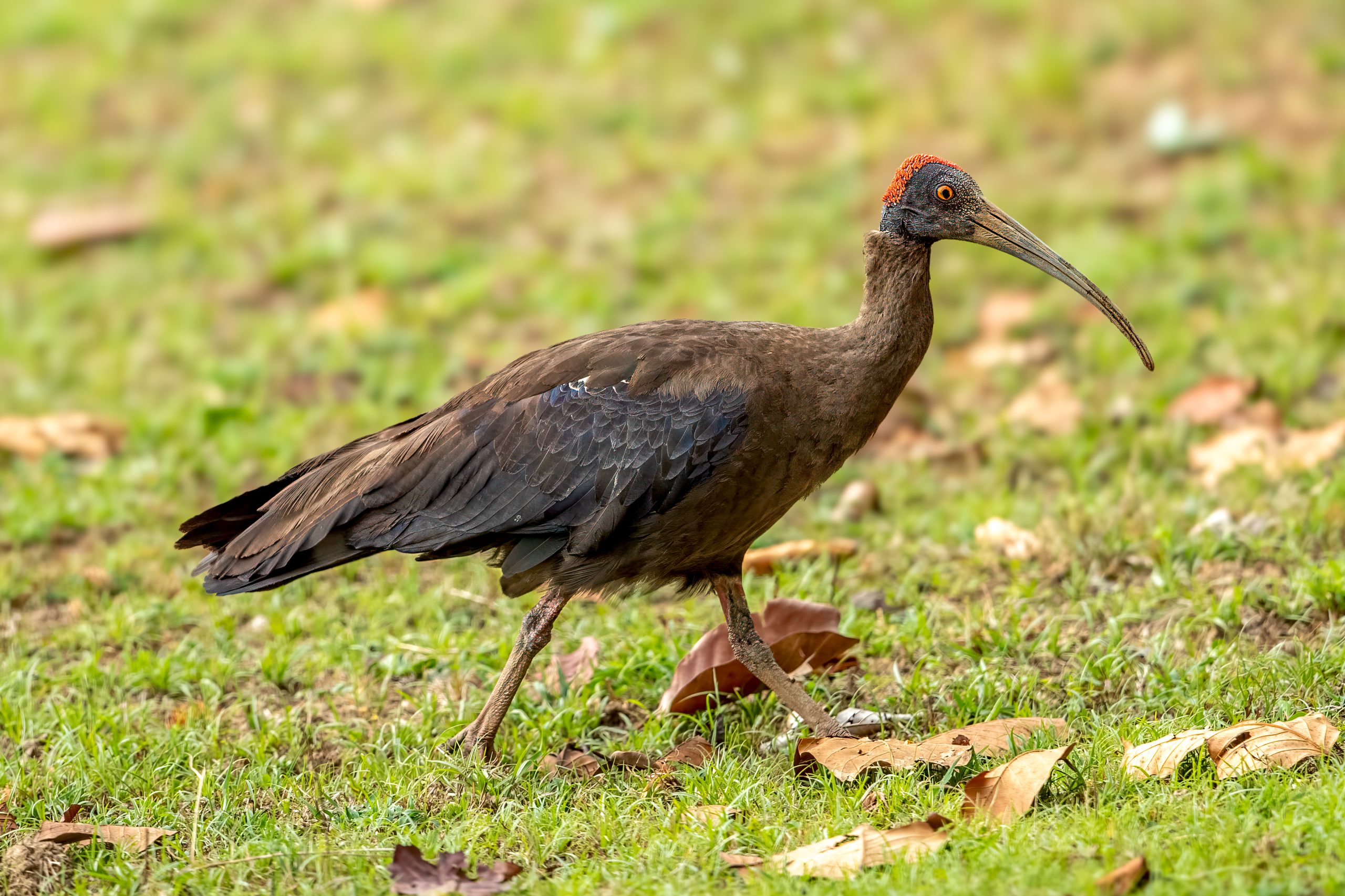
Multidrug-resistant bacteria from the order Enterobacterales were found in fecal samples from wild red-naped ibises (Pseudibis papillosa) in Udaipur, Rajasthan, India, in a study published in July 2026. Researchers collected 45 non-invasive fecal samples and analysed 60 bacterial isolates for diversity and antibiotic susceptibility. Enterobacterales are a broad group of Gram-negative bacteria that includes many intestinal and environmental bacteria, some of which can act as opportunistic pathogens.
The researchers identified four bacterial taxa in the samples: Enterobacter mori, Enterobacter soli, Citrobacter freundii and Leclercia adecarboxylata. The authors reported E. mori and E. soli from red-naped ibis for the first time globally.
Forty percent referred to bacterial isolates, not birds
Forty percent of the 60 isolates — not 40% of the sampled birds — were resistant to at least three antibiotic classes and were therefore classified as multidrug-resistant. The researchers also recorded resistance to the third-generation cephalosporin cefotaxime and reduced susceptibility to the carbapenem imipenem. All isolates were resistant to linezolid and rifampicin, but the authors note that this is consistent with intrinsic resistance in Gram-negative bacteria and should not be interpreted in the same way as newly acquired resistance.
Carriage in feces did not show disease or transmission
The authors noted that wild birds using urban areas, wetlands and agricultural land can deposit resistant bacteria through their feces. They concluded that red-naped ibises may therefore contribute to the environmental spread of antibiotic-resistant bacteria, with potential relevance for both human and wildlife health. The fecal isolates document bacterial carriage and shedding, however; the study did not show that the birds were ill or directly demonstrate transmission from ibises to people or other animals.
Disease, parasites & microbiology
Related news
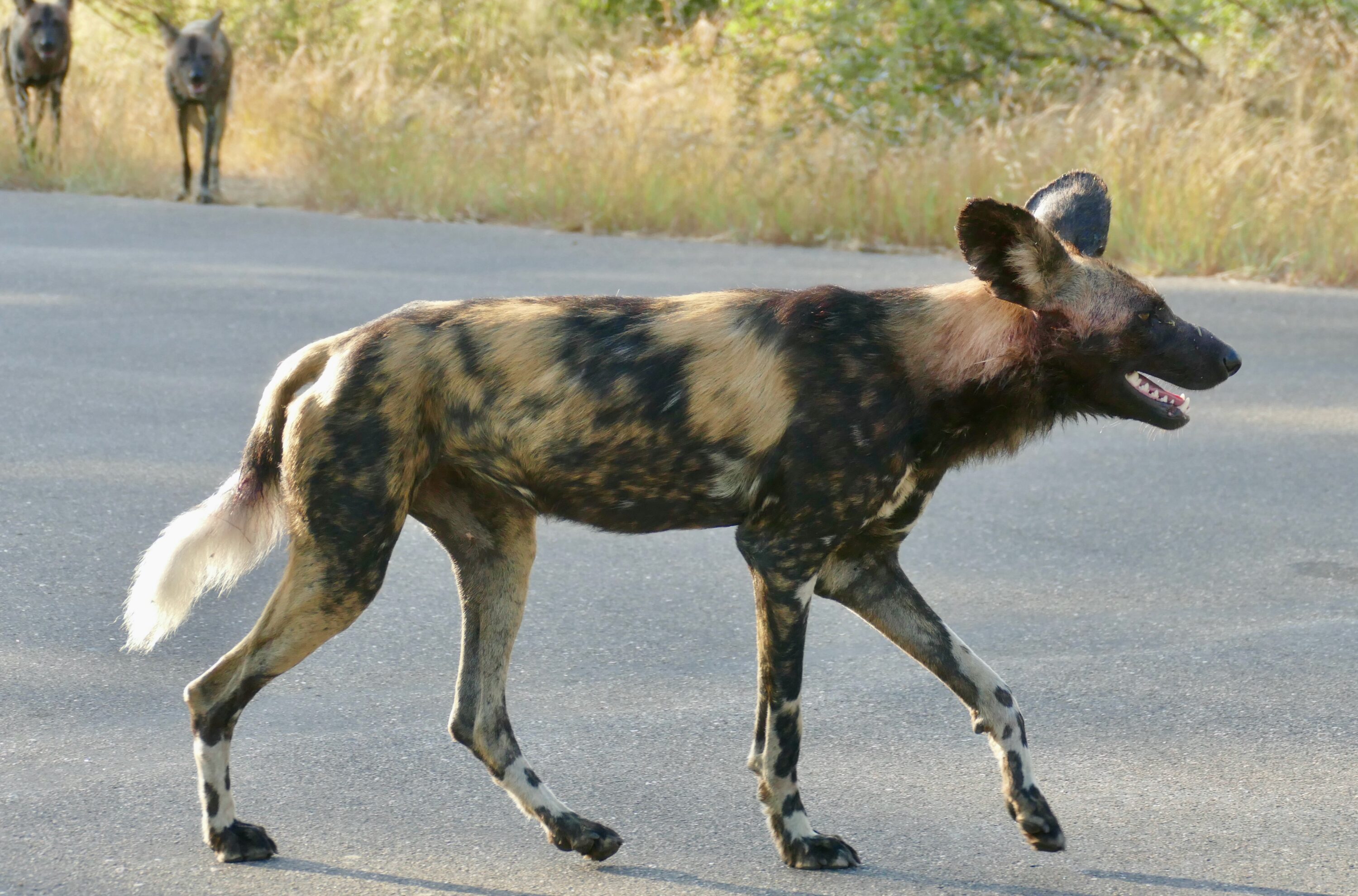
Gut Microbiomes Across Nine Kruger Mammals Clustered More Strongly by Dietary Group Than Species
A study of 89 quality-filtered faecal samples from nine wild mammals in Kruger National Park found that carnivores,…
Read story →
Nearly Three-quarters of Migrating Redwings Carried Ticks During Two Mild Belgian Autumns
Ticks were found on 72.9% of 284 redwings sampled during late-autumn migration in Belgium; 12.9% of 698 screened…
Read story →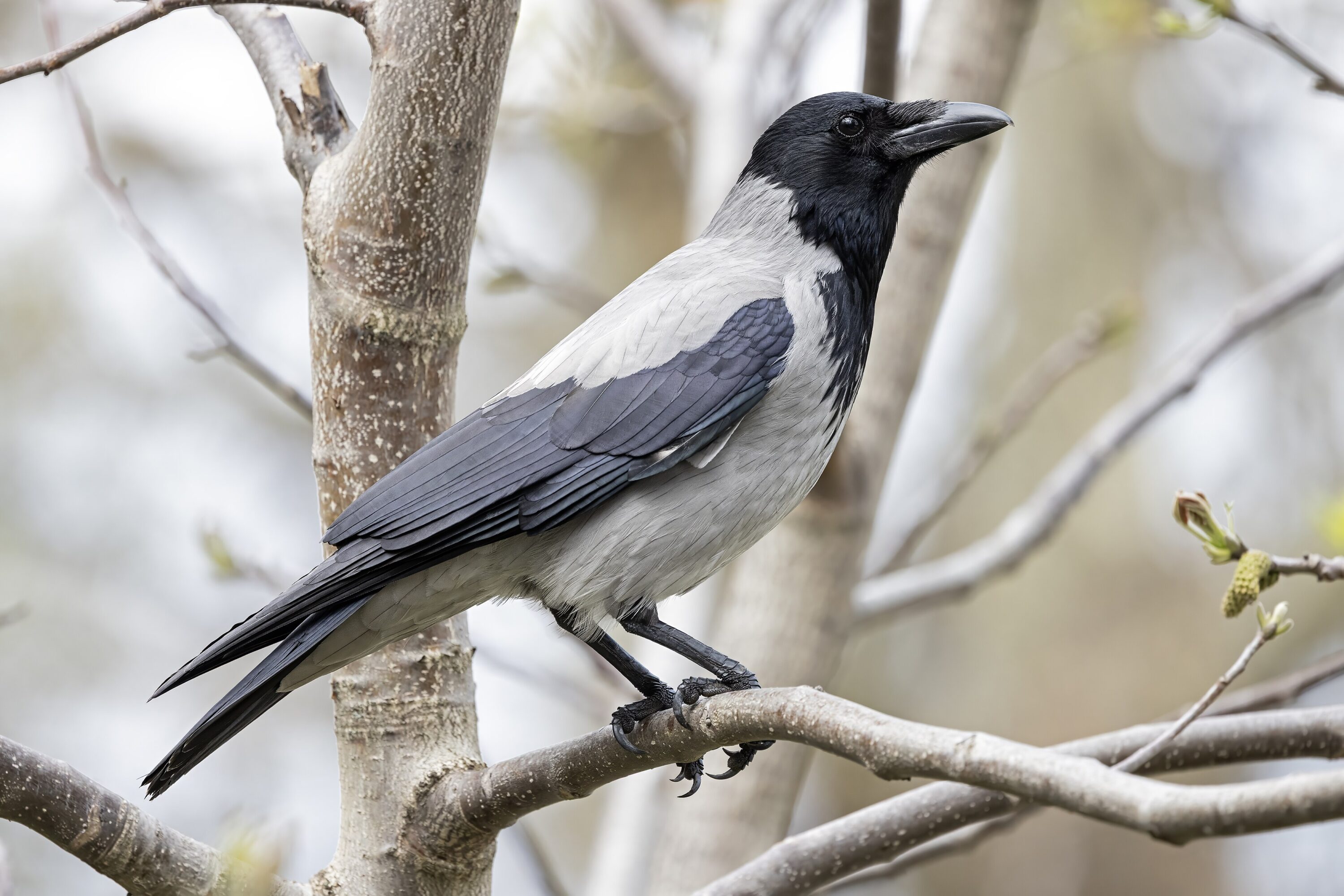
Hooded Crows Were Linked to 87 Reported West Nile Virus Bird Outbreaks in Europe
The September ECDC–EFSA report linked hooded crows to 87 reported West Nile virus bird outbreaks, Eurasian magpies to…
Read story →SPECIES IN THIS STORY
Species in this story
Independent research and conservation news archive
Did you find this information useful?
Wildlife Vagabond is independently built and maintained. Voluntary support helps cover source verification, hosting and continued work on research and conservation news.
Support Wildlife VagabondThe news archive will remain freely available.