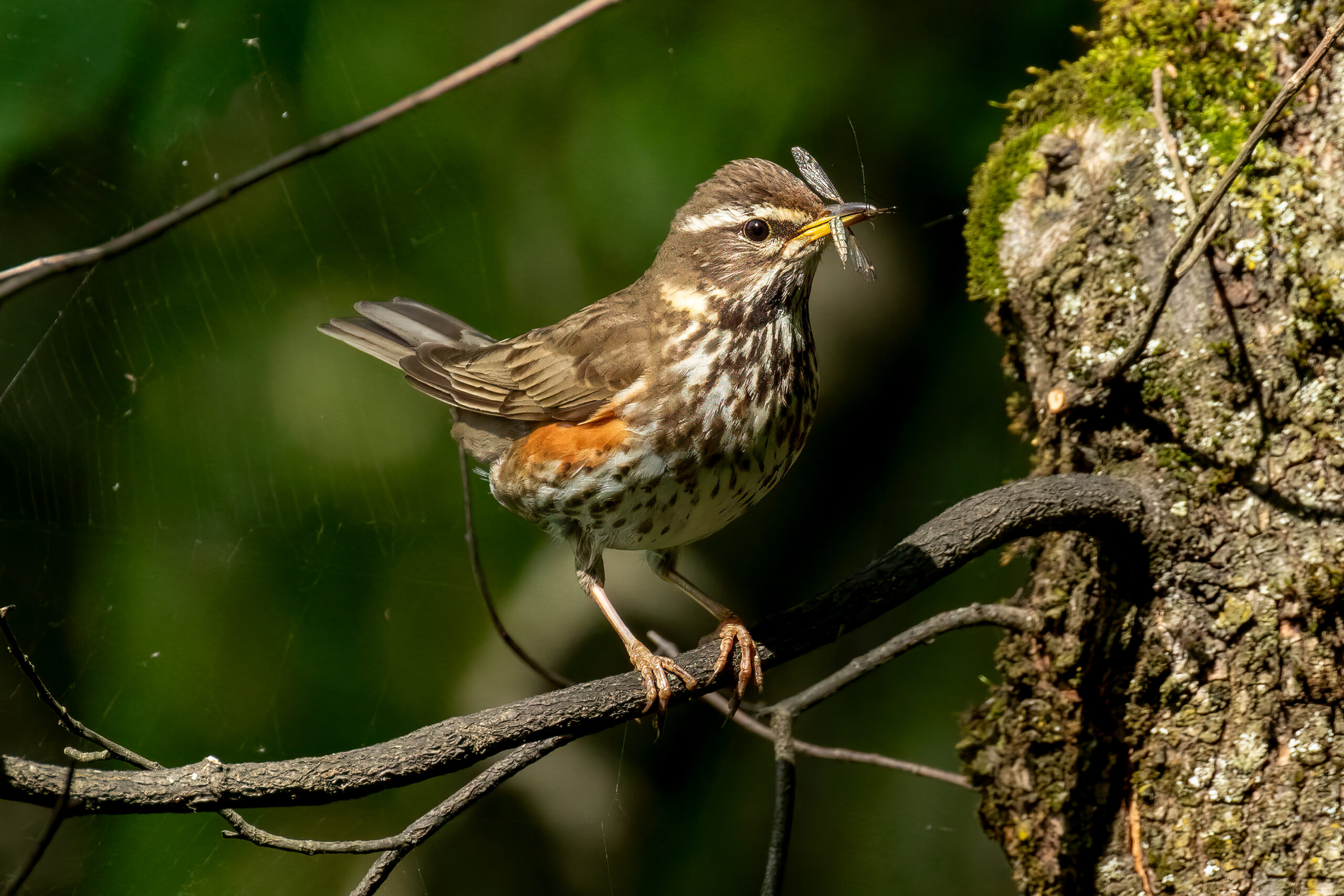
Redwings Appeared on About 34% of BirdTrack Lists During January Cold Spell
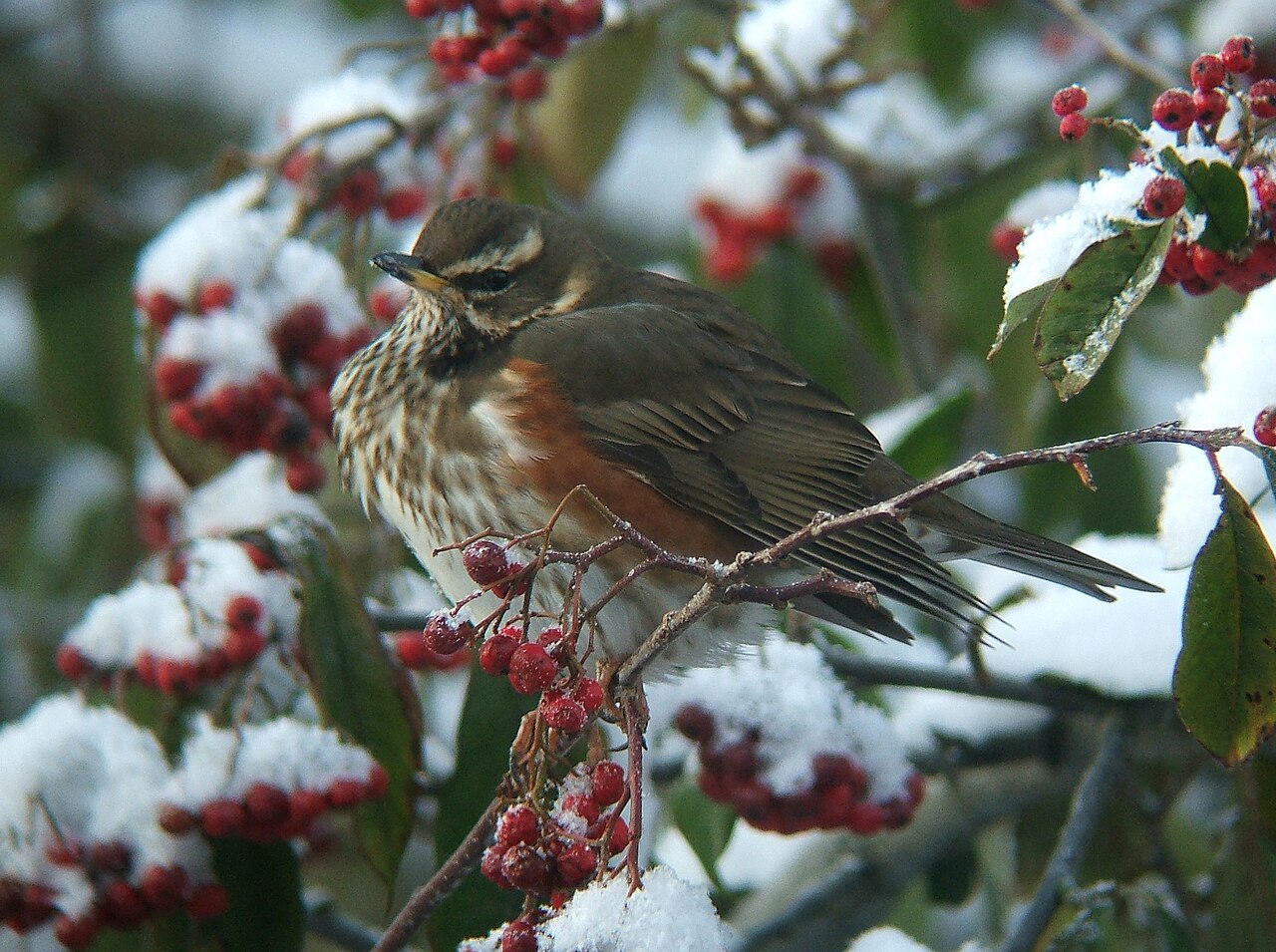
Redwings (Turdus iliacus) were reported much more frequently than usual on BirdTrack during a cold spell in Britain and Ireland in early January 2026. During the first two weeks of the month, the species appeared on about 34% of complete BirdTrack lists, compared with a longer-term average of less than 25% for the same weeks.
This is a reporting rate: it measures the proportion of complete species lists on which Redwing was recorded. It is not an estimate of population size or abundance, so the 34% figure shows how widely the species was being encountered by BirdTrack observers rather than how many birds were present.
The British Trust for Ornithology reported the pattern on 20 January after a below-average start to the winter for both redwings and fieldfares (Turdus pilaris). Reports of both winter thrushes then increased sharply as colder conditions developed.
Cold weather may have changed both movements and visibility
BTO notes that the increase could partly reflect new arrivals into Britain and Ireland during the cold spell. Redwings wintering farther north and east in Europe can move west or south when conditions deteriorate and food becomes harder to reach.
The organisation also points to another possible contribution to the higher reporting rate: cold conditions may have pushed birds out of the wider countryside and into urban and suburban habitats, where they were easier for observers to encounter. The BirdTrack data therefore show a clear change in reporting frequency, while the relative contribution of new arrivals and local redistribution was not determined.
Ecology
Related news
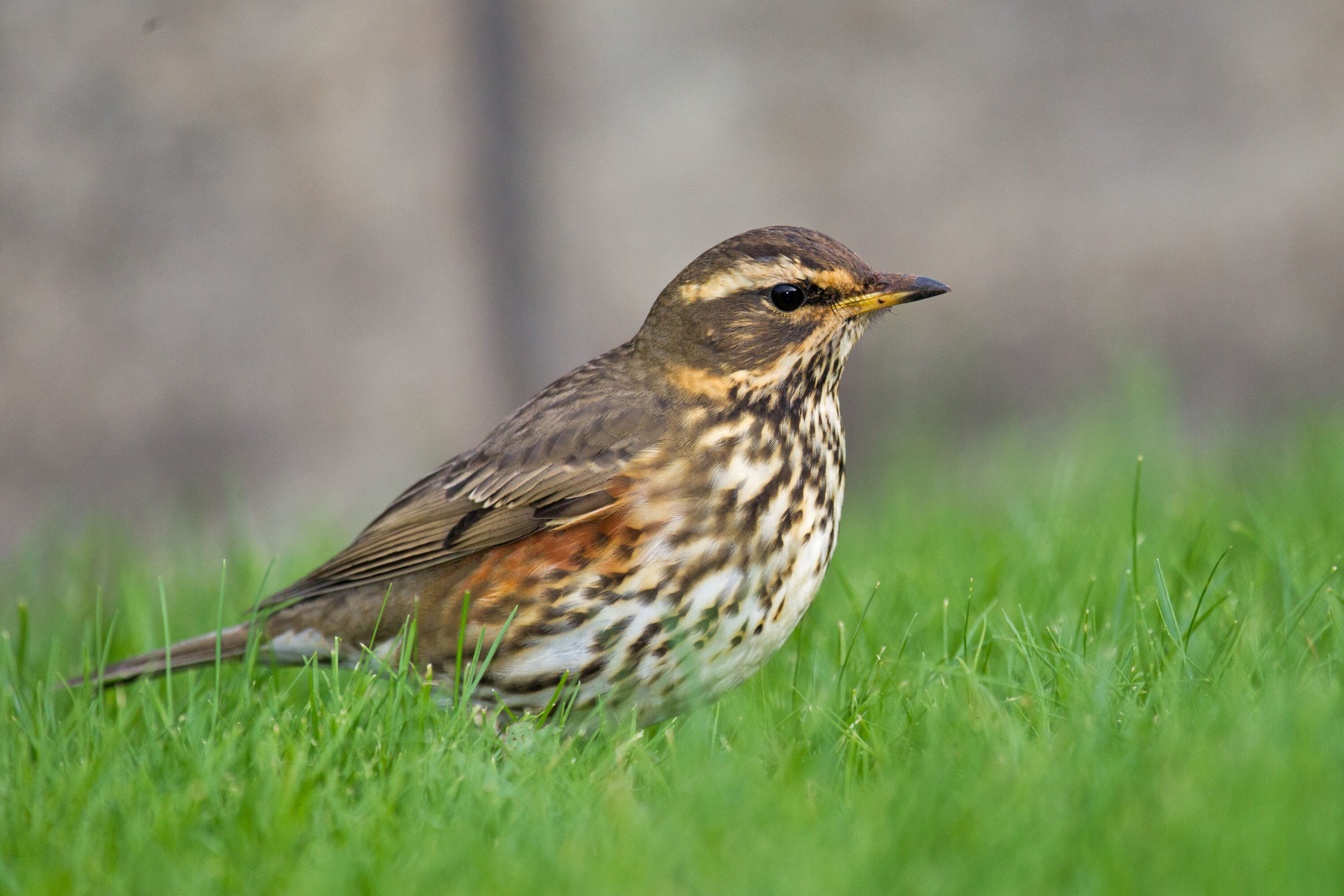
Redwings Carried Ticks South on Their Late-Autumn Migration
Nearly three-quarters of redwings examined in Belgium in November 2024 carried ticks, some containing Borrelia bacteria. Mild autumns…
Read story →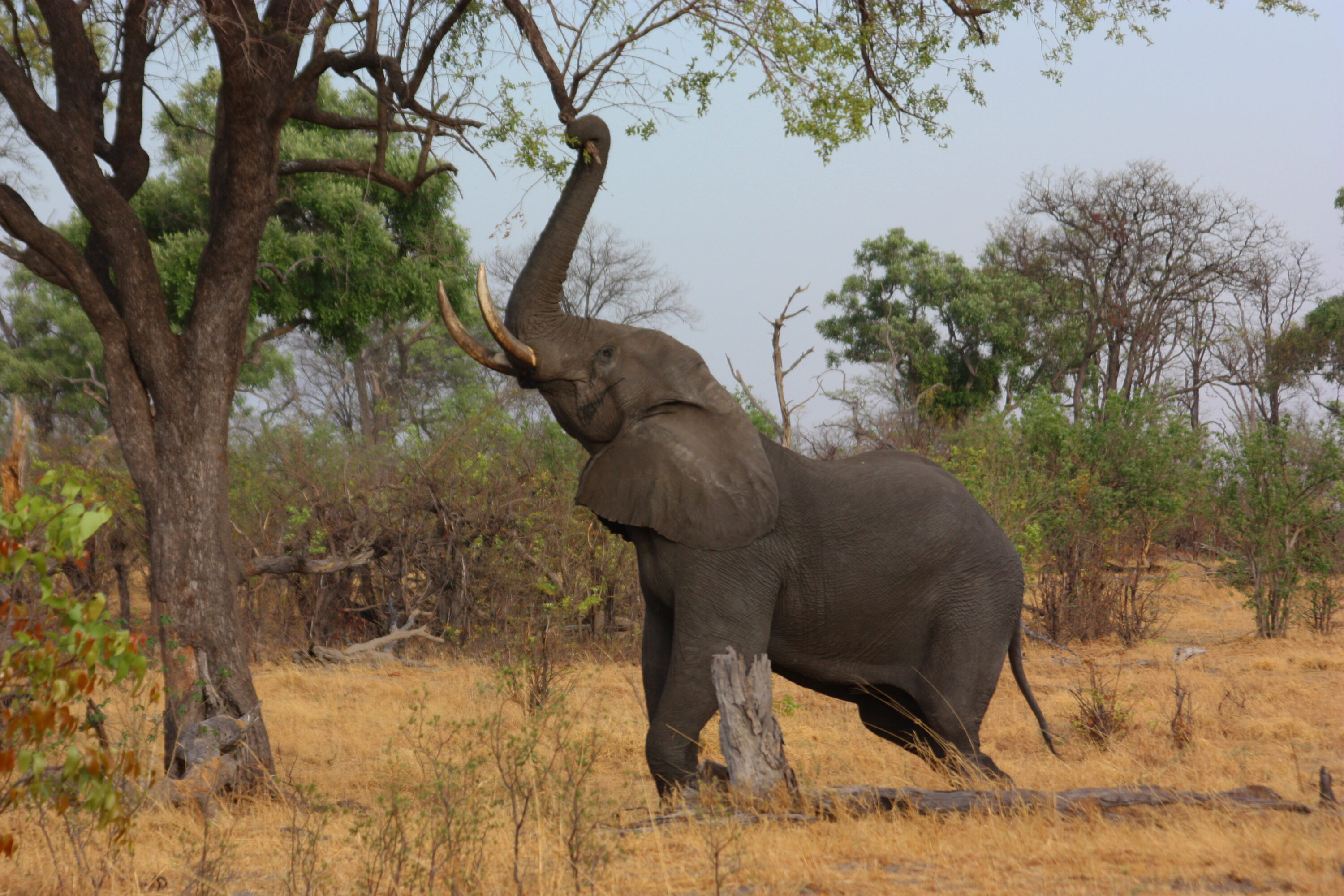
African Bush Elephants Distinguished Artificial Food-Quantity Patterns at Close Range
In experiments in South Africa, four semi-tame elephants chose between visual patterns representing canopy size and leaf density.…
Read story →
Maps Show Where Wild Boar Could Thrive and Spread on Jeju Island
Researchers mapped potentially suitable wild-boar habitat across roughly 36% of Jeju Island and identified eight possible corridors linking…
Read story →SPECIES IN THIS STORY