
Reed Warbler Pairs With Similar MHC Immune Genes Were More Likely to Have Extra-Pair Young
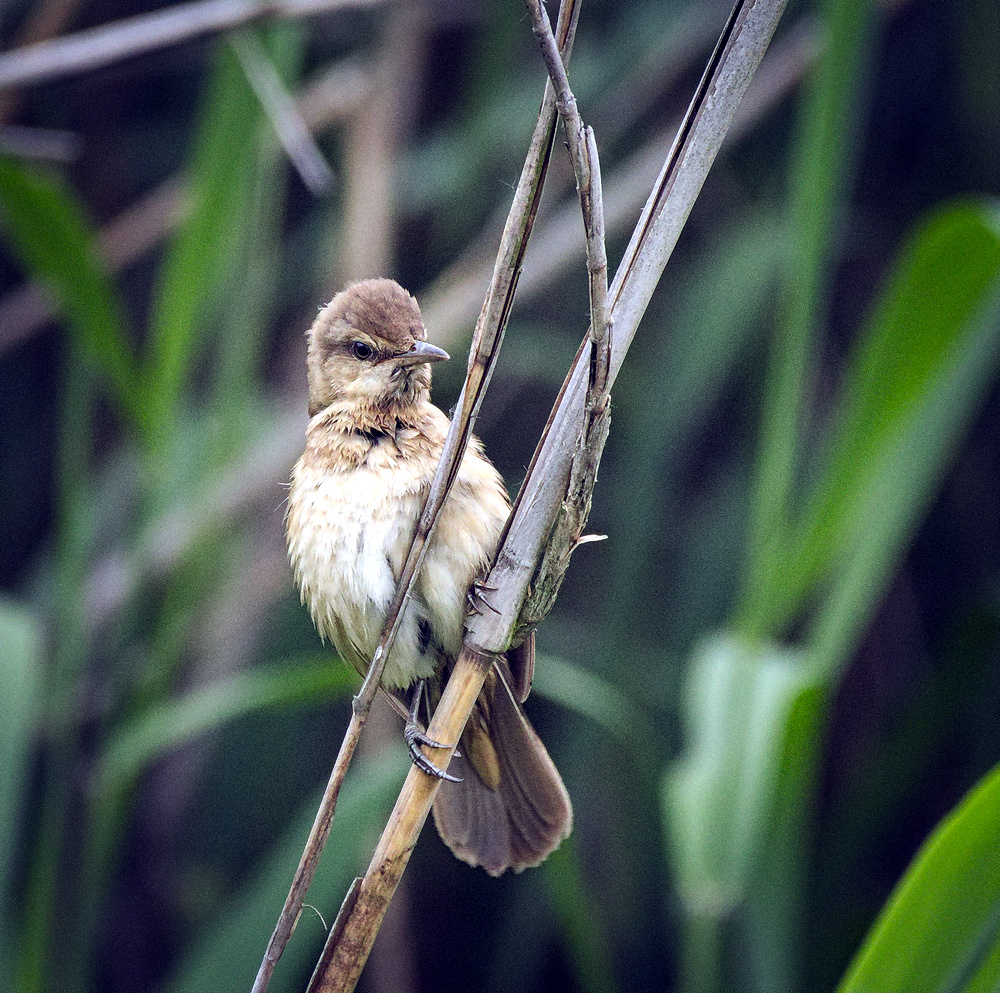
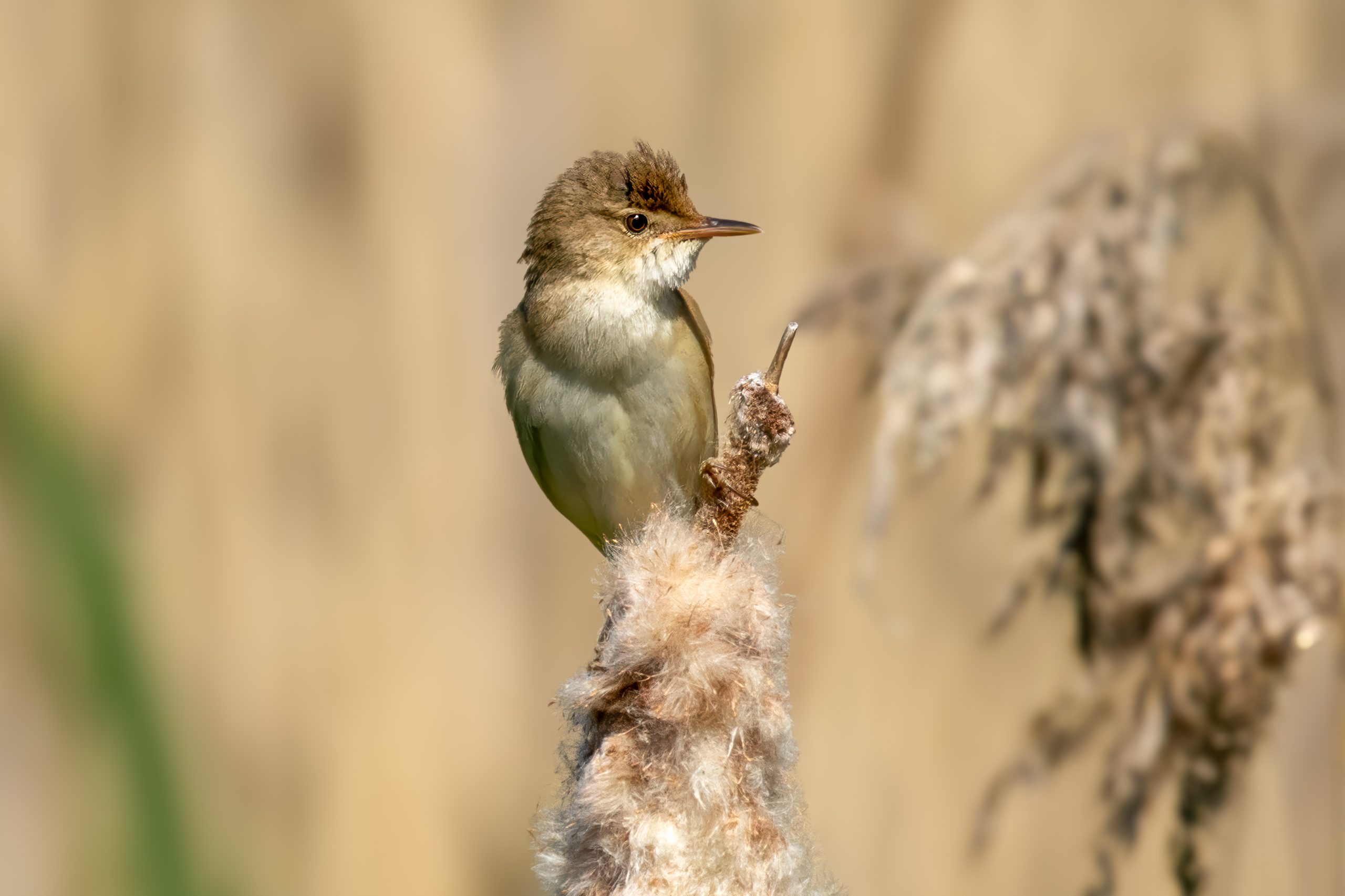
Female common reed warblers (Acrocephalus scirpaceus) paired with males that were unusually similar to them at MHC class I immune genes were more likely to have extra-pair young — offspring sired by a male other than the female’s social partner. The extra-pair fathers were often more MHC-dissimilar from the female than her social partner, but there was little evidence that females actively chose the most dissimilar available male.
The six-year study in southwestern Poland combined MHC-I genotypes from 128 females and 127 males with parentage data from 501 nestlings. Thirty-five social pairs produced at least one extra-pair young.
MHC dissimilarity describes functional differences in immune genes
MHC-I genes help the adaptive immune system recognise infected cells by presenting peptide fragments from inside cells to T cells. Different MHC variants can recognise different sets of pathogen-derived peptides.
Here, MHC-I dissimilarity measured the functional distance between the peptide-binding regions carried by the female and male. It was not a measure of their overall genetic relatedness. A more MHC-dissimilar partner can potentially give offspring a broader combination of immune-gene variants.
Pairs with extra-pair young were unusually MHC-similar
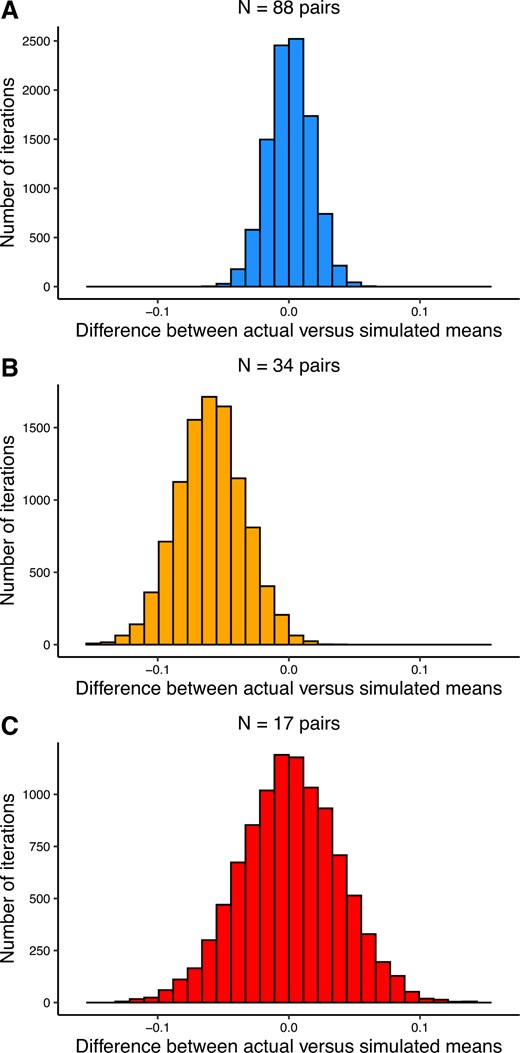
Social pairs that produced extra-pair young had lower MHC-I dissimilarity than expected from random pairing. They were also more MHC-similar than many of the alternative pairings females could potentially have formed with nearby males.
The males that actually sired extra-pair young tended to be more MHC-dissimilar from the female than her social partner. Extra-pair mating could therefore increase the MHC difference between the parents contributing genes to some offspring.
The females showed little sign of choosing the most MHC-dissimilar male
The striking part was that the extra-pair fathers did not look strongly selected for their MHC genotype. Among 21 cases where a genotyped extra-pair sire could be compared with other males available within 60 metres of the nest, only three sires were more MHC-dissimilar from the female than expected under random choice.
The authors therefore propose a simpler explanation. If a female’s social partner is already exceptionally MHC-similar to her, almost any other local male may offer greater MHC dissimilarity. Opportunistic extra-pair mating can then produce the same genetic pattern that deliberate MHC-based mate choice might create.
The pattern was specific to MHC rather than overall relatedness
Pairs with and without extra-pair young did not differ in the proportion of shared microsatellite alleles, and their eggs had similar hatching success. These results make a broad inbreeding-avoidance explanation less likely, although the authors note that only a limited number of microsatellite markers were available.
The study therefore suggests that extra-pair mating can compensate for an unusually MHC-similar social pairing without requiring females to identify and deliberately select the most MHC-dissimilar male.
Behaviour
Related news
Birds Breeding in Tall Vegetation Increased as Cattail Paludiculture Developed Over Six Years
At a 10-hectare rewetted peat site in north-eastern Germany, breeding pairs that favour tall vegetation increased as cattails…
Read story →
Three Warblers in Catalonia Differed in Prey Choice, Prey Size and Use of Aquatic Prey
DNA metabarcoding of 189 diet samples from three warblers in Catalan reedbeds found several forms of dietary separation:…
Read story →
Reed Warblers Long Separated From Cuckoos Showed Weaker Host Defences
Field experiments in Finland and Sicily found weak anti-cuckoo defences in common reed warblers living outside regular cuckoo…
Read story →SPECIES IN THIS STORY
Species in this story
Independent research and conservation news archive
Did you find this information useful?
Wildlife Vagabond is independently built and maintained. Voluntary support helps cover source verification, hosting and continued work on research and conservation news.
Support Wildlife VagabondThe news archive will remain freely available.