
Measured Direct Woodland Effects of Released Pheasants Did Not Extend Beyond 500 Metres
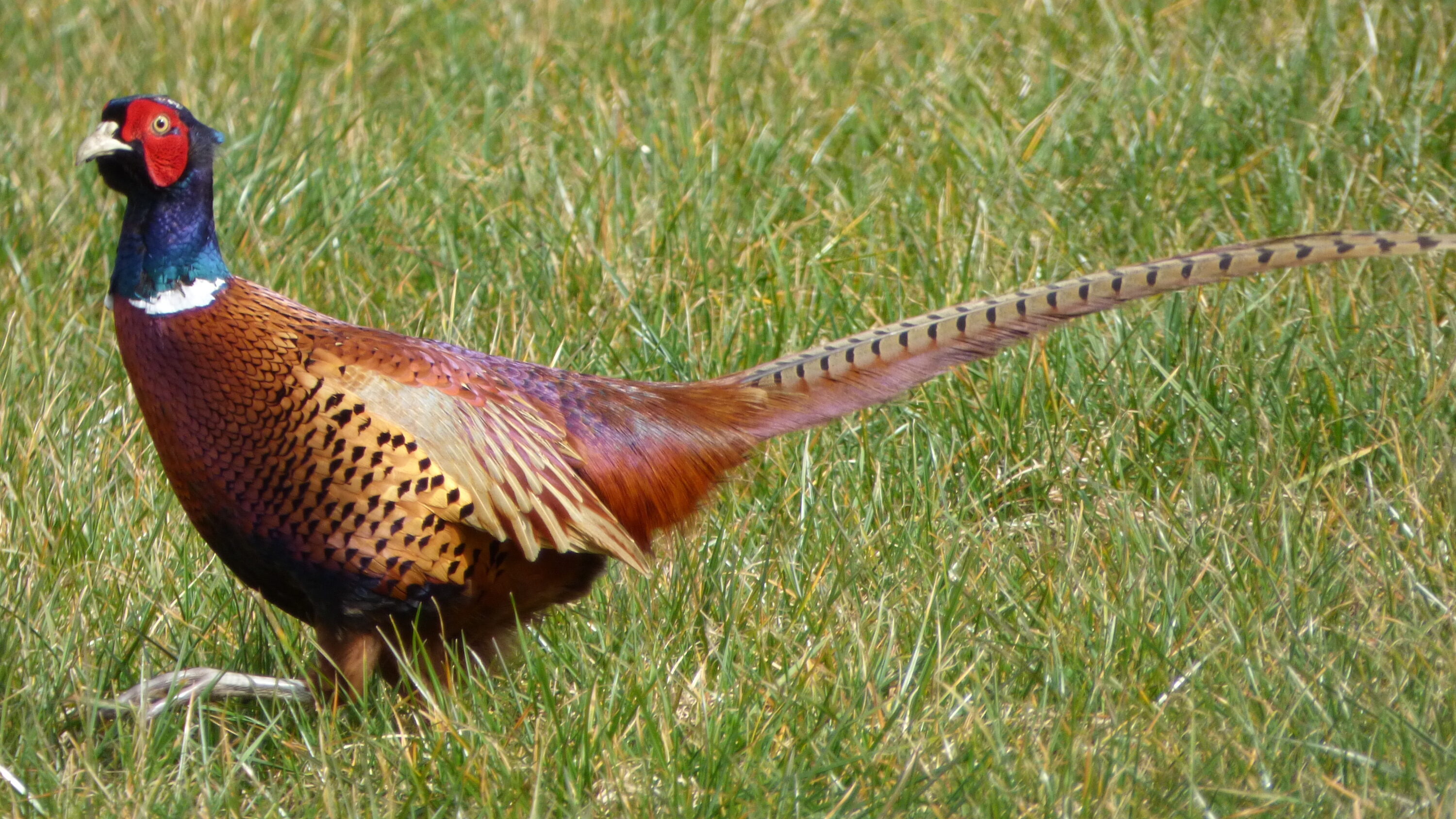
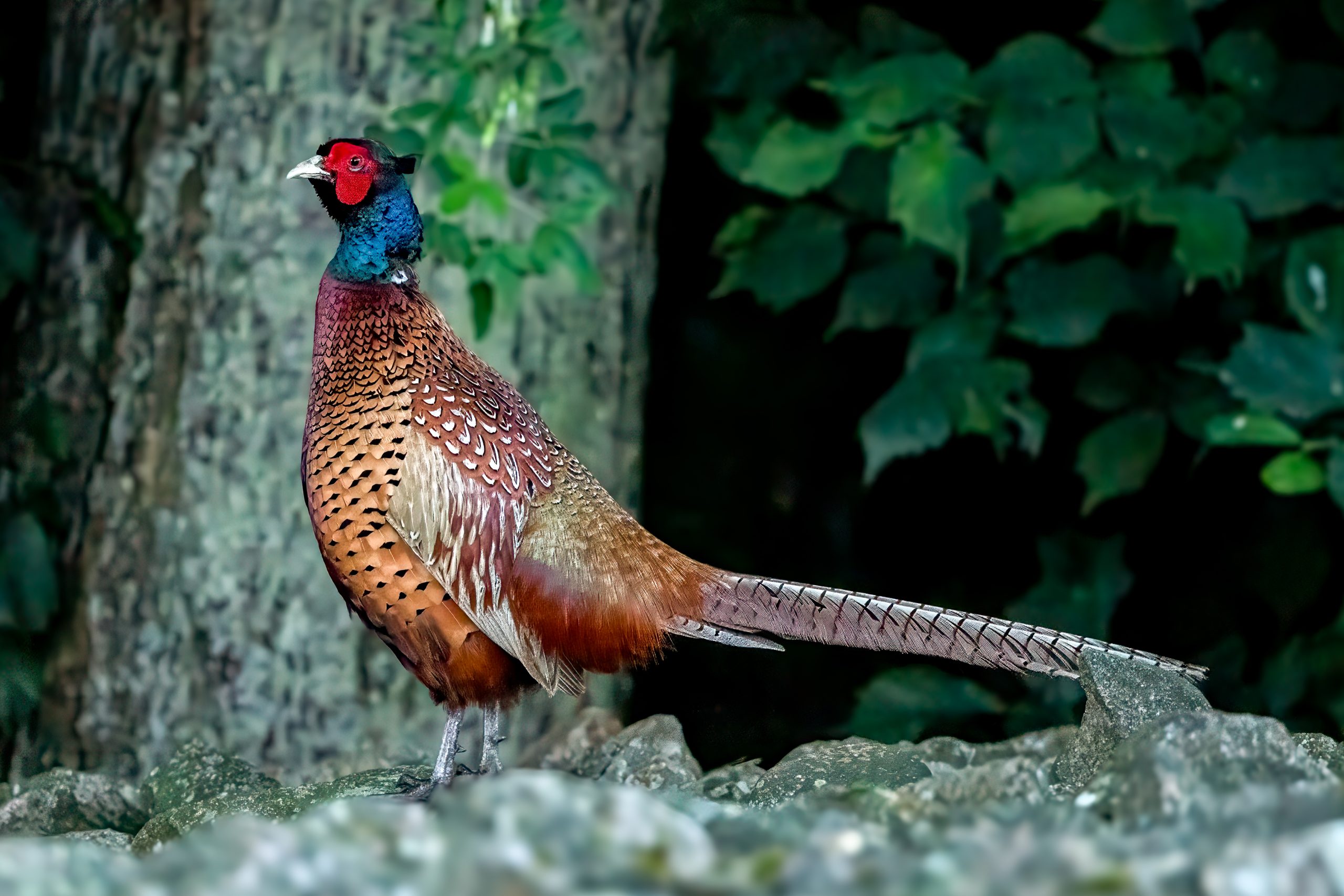
A field study at 20 shooting sites in England and Wales found that several measured woodland effects associated with released common pheasants (Phasianus colchicus) were concentrated within 500 metres of release pens. The work focused on ancient semi-natural woodland and examined how pheasant numbers and a set of vegetation, dead-wood and soil measures changed with distance from release sites.
Researchers surveyed points 10, 100, 250 and 500 metres from release pens, together with control plots at least 1 kilometre away. Pheasant numbers declined with distance from the pens. Sites closer to release points had fewer seedlings and saplings, lower vascular-plant richness and less decayed wood, although the authors note that the dead-wood pattern may partly reflect the study design.
Measured effects disappeared beyond 500 metres
These differences were not detected beyond 500 metres. This did not mean the pheasants themselves stayed within that distance: late in the shooting season, about one fifth of the surviving birds encountered in the surveys were more than 500 metres from the release pen. Soil nutrients, bare ground and the cover of ancient-woodland indicator species did not show consistent changes with distance, while nitrogen-tolerant plants and weeds were more common farther from pens rather than nearer them.
The authors conclude that, in ancient semi-natural woodland outside release pens where birds were not deliberately concentrated, the direct effects they measured did not extend beyond 500 metres. They say this supports the scale of the 500-metre buffer used in English licensing around designated sites. The study did not survey places such as feeders or game cover where keepers deliberately concentrate pheasants, so the authors restrict their conclusion to unmanaged dispersal away from release pens.
Ecology
Related news
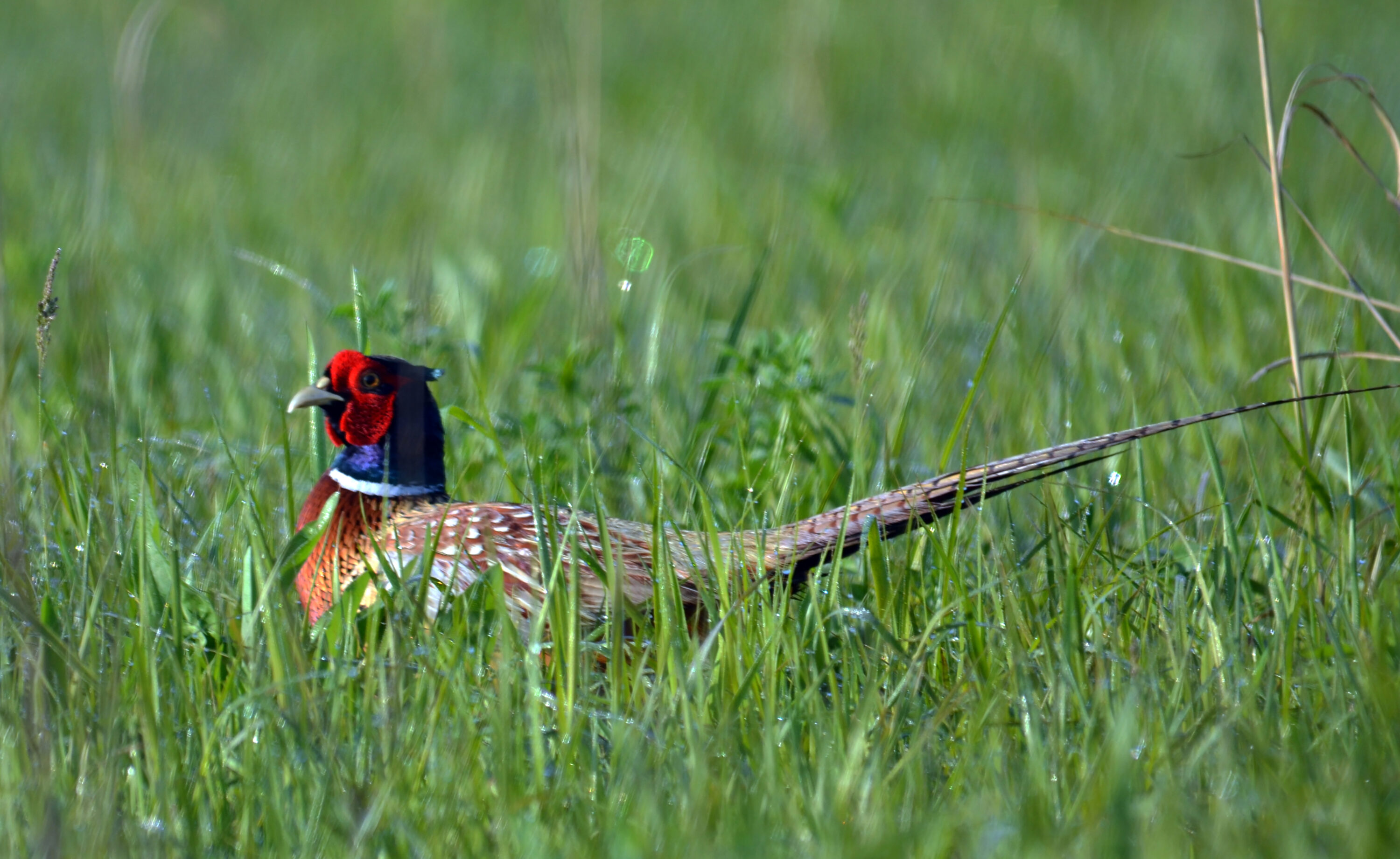
Iowa’s Pheasant Roadside Index Fell 17% From 2025 but Stayed Above the 10-Year Trend
Iowa’s 2026 August roadside survey averaged 22.6 pheasants per comparable 30-mile route, down 17% from 2025 but still…
Read story →
Common Pheasants Were Not More Abundant in English Survey Squares With More Protected Land
BTO atlas data from 3,793 survey squares in four English counties found no evidence that common pheasants were…
Read story →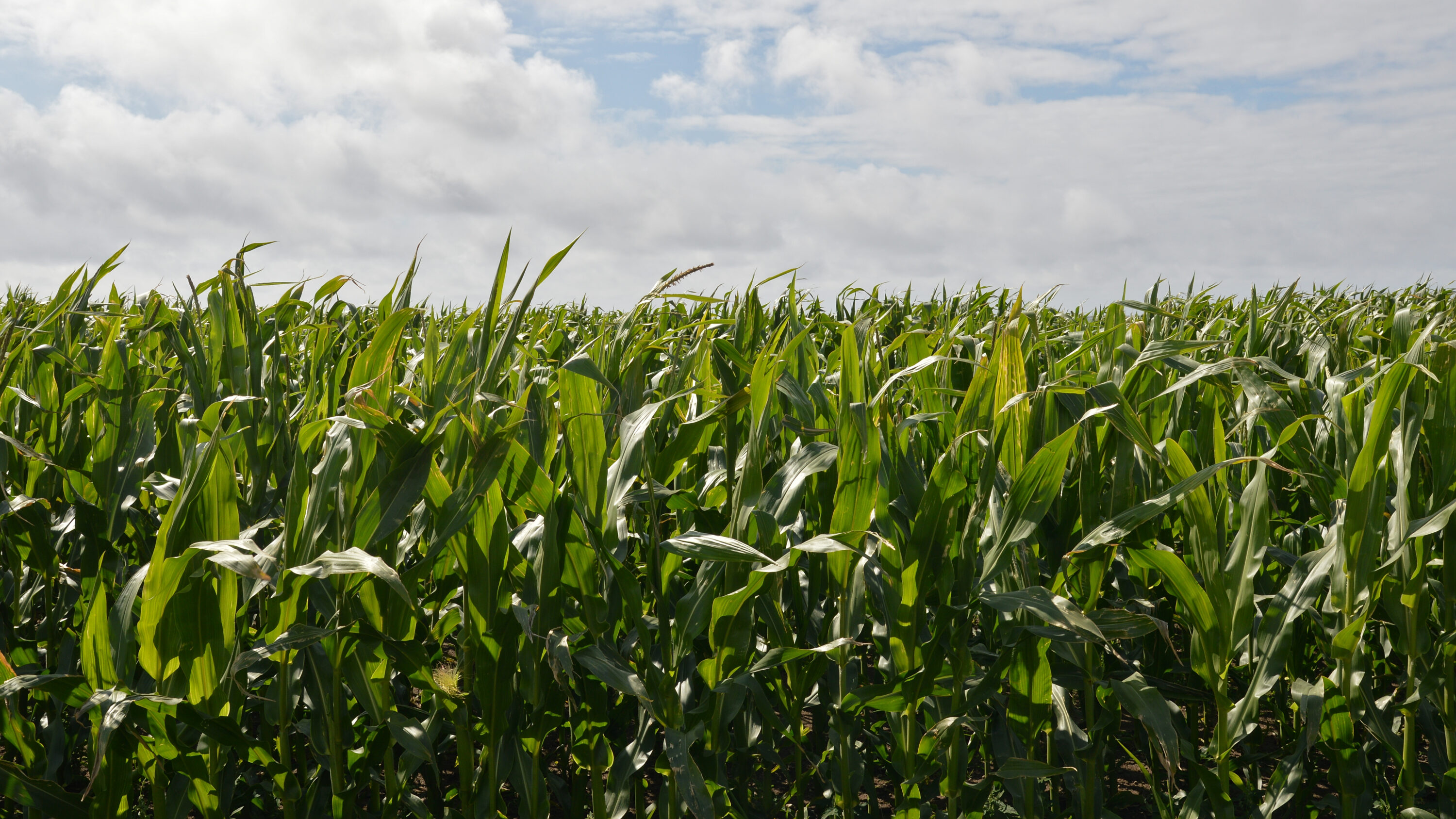
Polish Maize Fields Had Fewer Breeding Bird Species and Lower Bird Density
Across 122 plots in Poland, maize fields had fewer breeding bird species and lower bird density than mosaics…
Read story →SPECIES IN THIS STORY
Species in this story
Independent research and conservation news archive
Did you find this information useful?
Wildlife Vagabond is independently built and maintained. Voluntary support helps cover source verification, hosting and continued work on research and conservation news.
Support Wildlife VagabondThe news archive will remain freely available.