
Released White-rumped Vultures Raised a Chick in India for the First Time
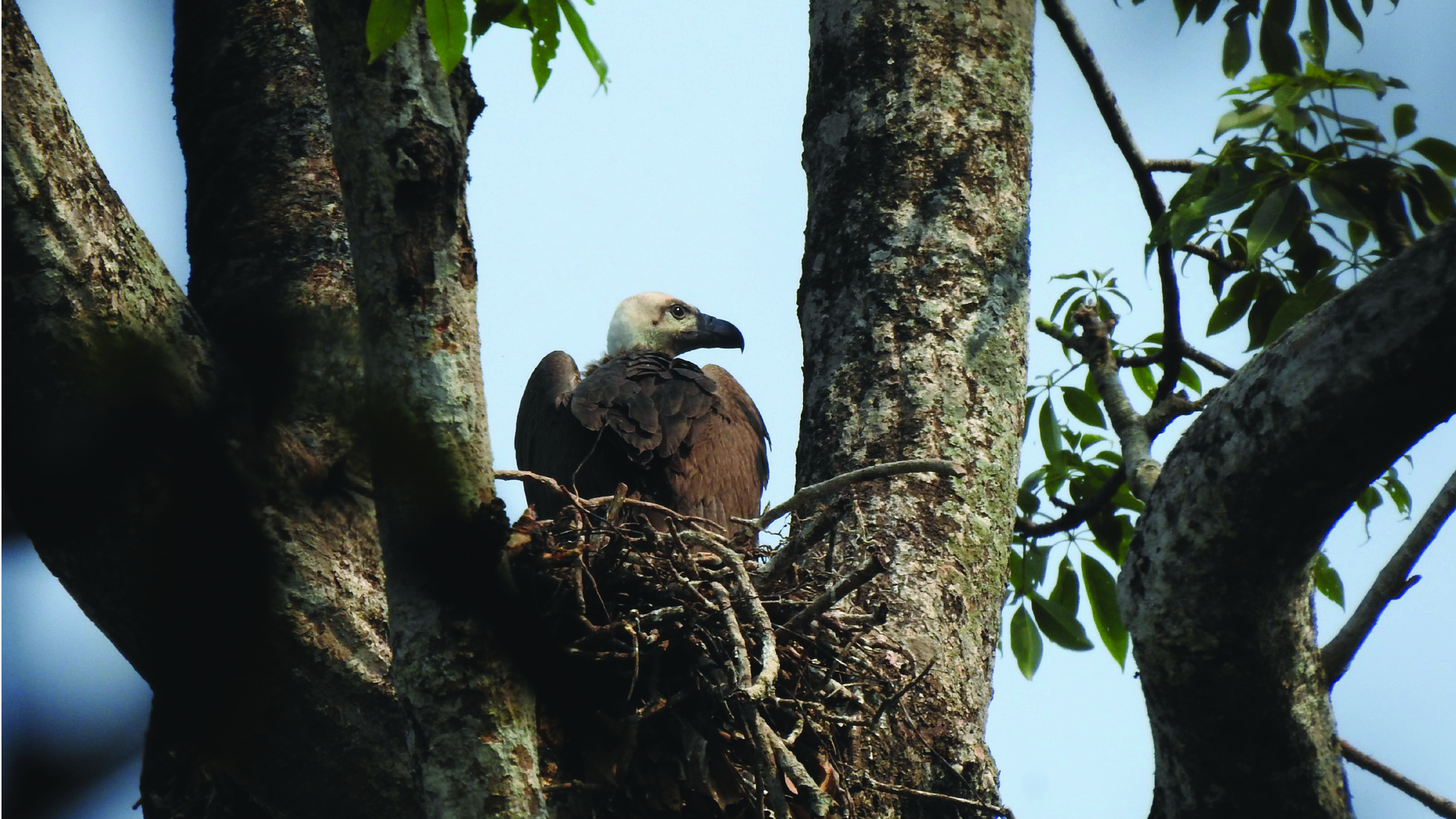
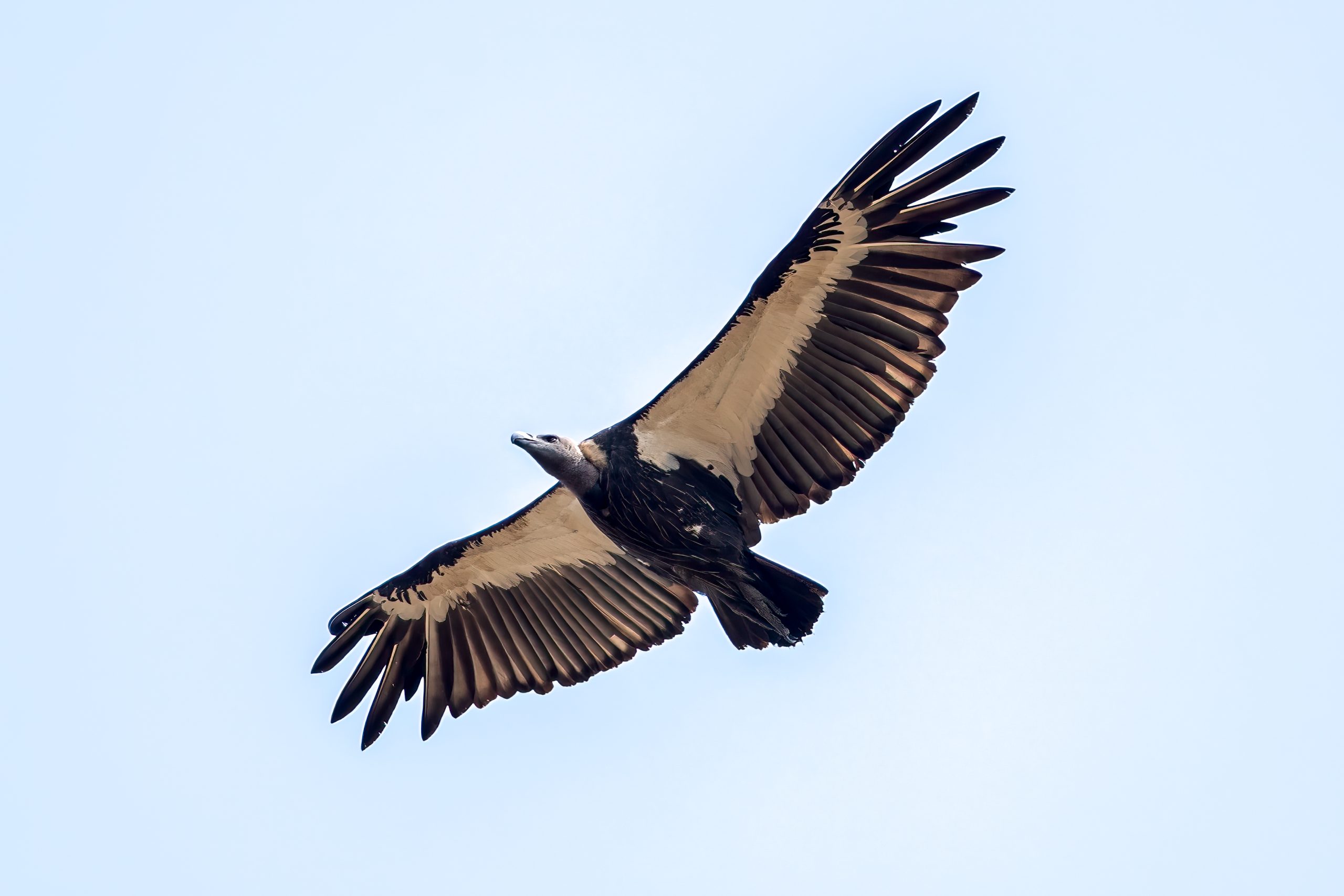
Captive-bred White-rumped Vultures (Gyps bengalensis) released in Buxa Tiger Reserve have raised a chick in the wild for the first time in India. The successful breeding in 2024 was the first confirmed post-release reproduction of captive-bred birds of the species in the country, and only the second documented site globally after Nepal.
The result comes from a reintroduction programme that released 31 captive-bred White-rumped Vultures in Buxa between 2021 and 2023. By the 2023 breeding season, six released birds had formed three pairs and built nests, all in silk-cotton trees (Bombax ceiba) around 30 metres above the ground.
One of three nesting attempts produced a fledgling
One pair, the wing-tagged male N3 and female P6, successfully hatched a chick around 20 January 2024. The young vulture left the nest on 11 May after an observed nestling period of about 112 days. The other two nesting attempts failed during incubation. No nest disturbance, structural damage or predator activity was recorded, and the authors consider inexperience among first-time breeders a plausible explanation, although the causes could not be determined directly.
Successful release also depends on a landscape safe from toxic NSAIDs
White-rumped Vultures suffered a catastrophic population collapse across South Asia after veterinary diclofenac and some other non-steroidal anti-inflammatory drugs (NSAIDs) entered livestock carcasses eaten by vultures. Reintroduction therefore depends not only on breeding birds for release, but also on reducing exposure to vulture-toxic veterinary drugs in the surrounding landscape.
Satellite tracking and ground observations showed that released birds mixed with wild vultures, moved through the wider region and selected species-typical nesting habitat. The authors describe the result as early evidence that captive-bred White-rumped Vultures can survive, reach breeding age and reproduce after release in an NSAID-safe landscape.
One chick is a milestone, not a self-sustaining population
The evidence is still preliminary: only three nests were monitored and one produced a fledgling. Even so, the chick provides direct proof that the Buxa programme has progressed from releasing captive-bred birds to producing a new generation in the wild.
Reintroductions & translocations
Related news
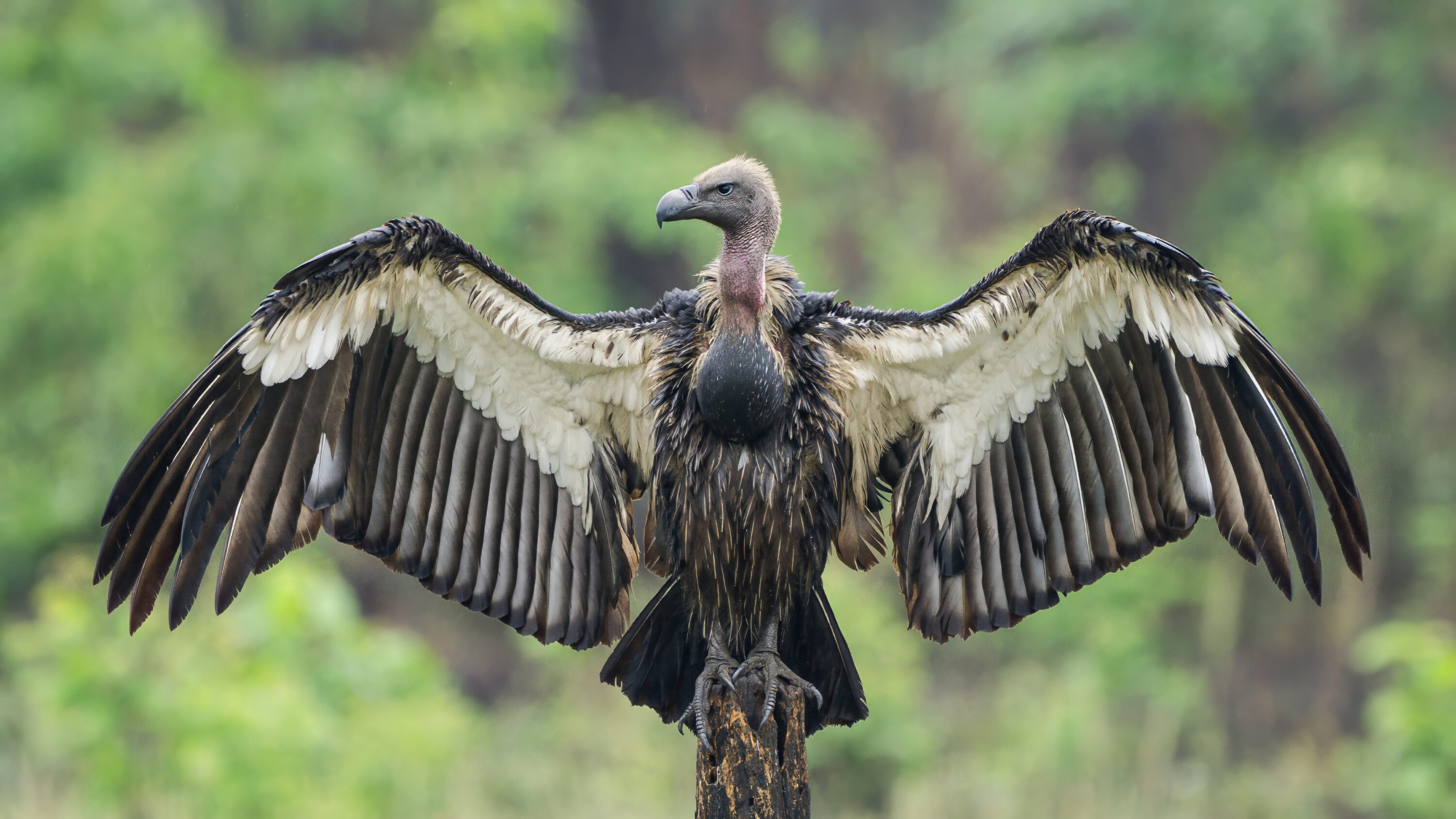
Cambodia Counted at Least 163 Vultures in 2025, Up 22% From 2024
Cambodia’s official 2025 minimum estimate counted 163 white-rumped, slender-billed and red-headed vultures combined—22% more than in 2024 and…
Read story →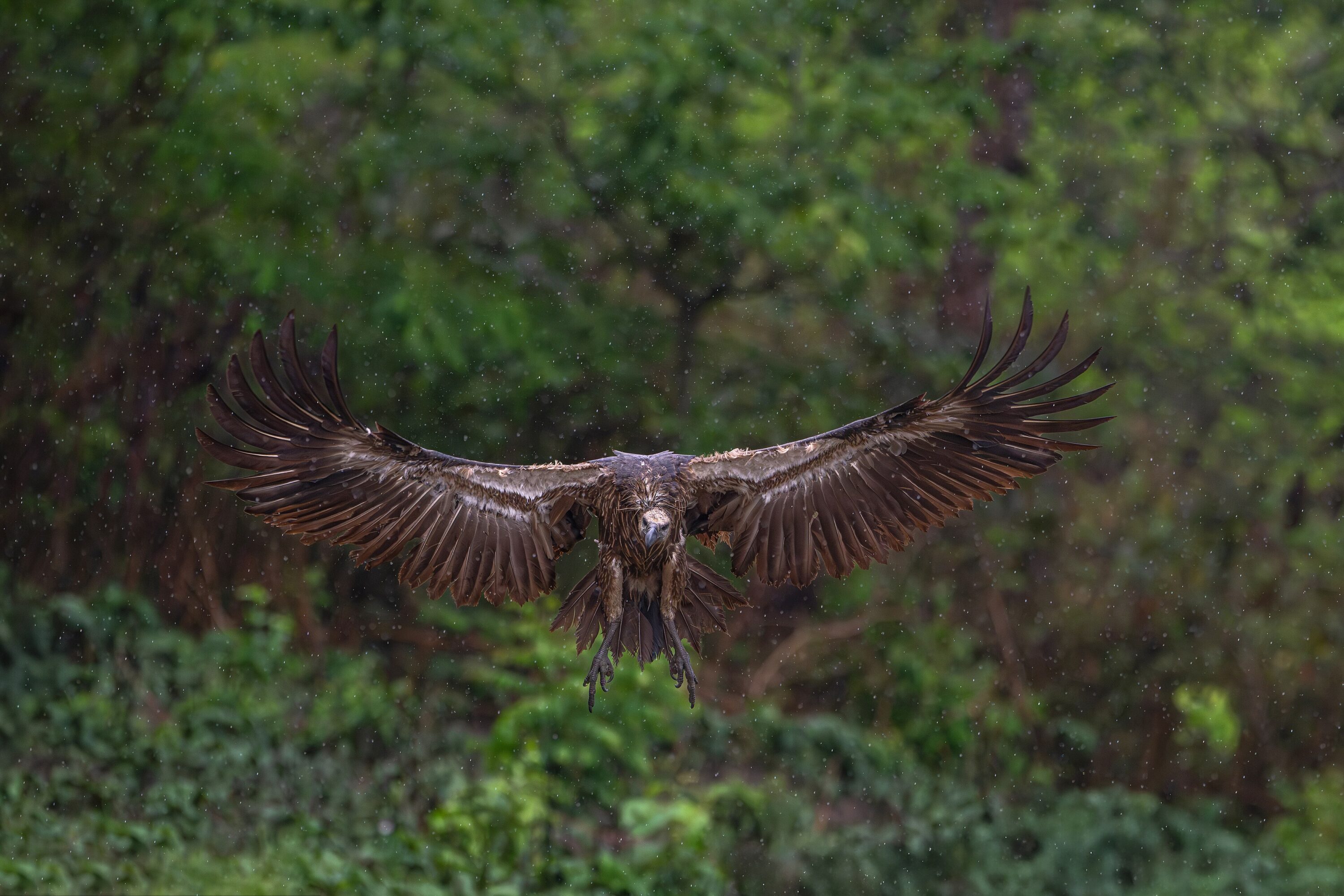
Nepal’s White-rumped Vulture Population Grew 12.7% a Year; Adult Survival Was Estimated at 94.7%
Nepal’s White-rumped Vulture population grew by an estimated 12.7% a year from 2013 to 2025. Estimated annual survival…
Read story →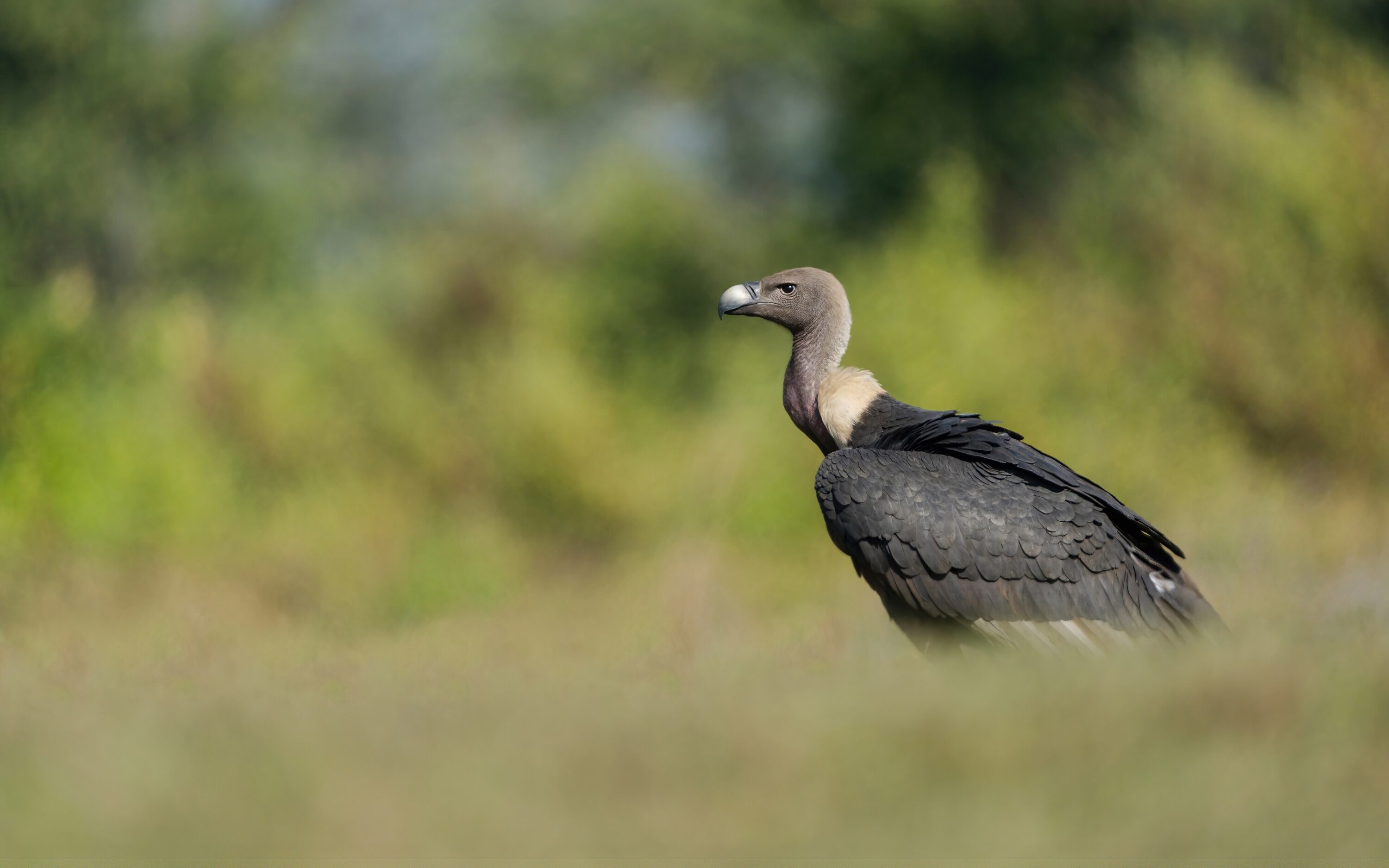
Model Projected Up to 60% Loss of Highly Suitable White-rumped Vulture Habitat by 2100
A 2026 range-wide model for South and Southeast Asia projected that highly suitable White-rumped Vulture habitat could decline…
Read story →SPECIES IN THIS STORY
Species in this story
Independent research and conservation news archive
Did you find this information useful?
Wildlife Vagabond is independently built and maintained. Voluntary support helps cover source verification, hosting and continued work on research and conservation news.
Support Wildlife VagabondThe news archive will remain freely available.