
Resident Eurasian Blackcaps Had Less Seasonal Change in Hypothalamic Chromatin Accessibility
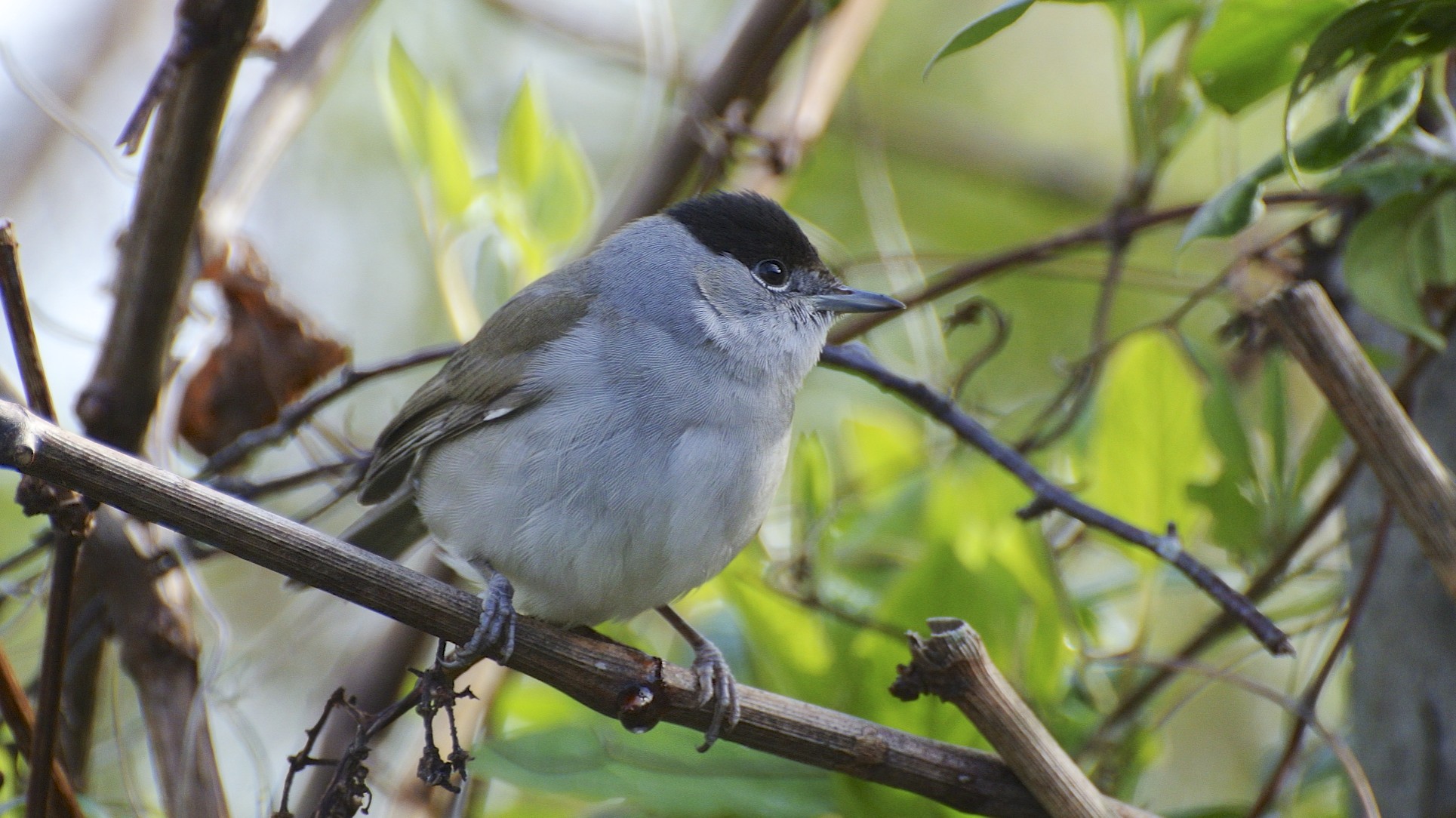
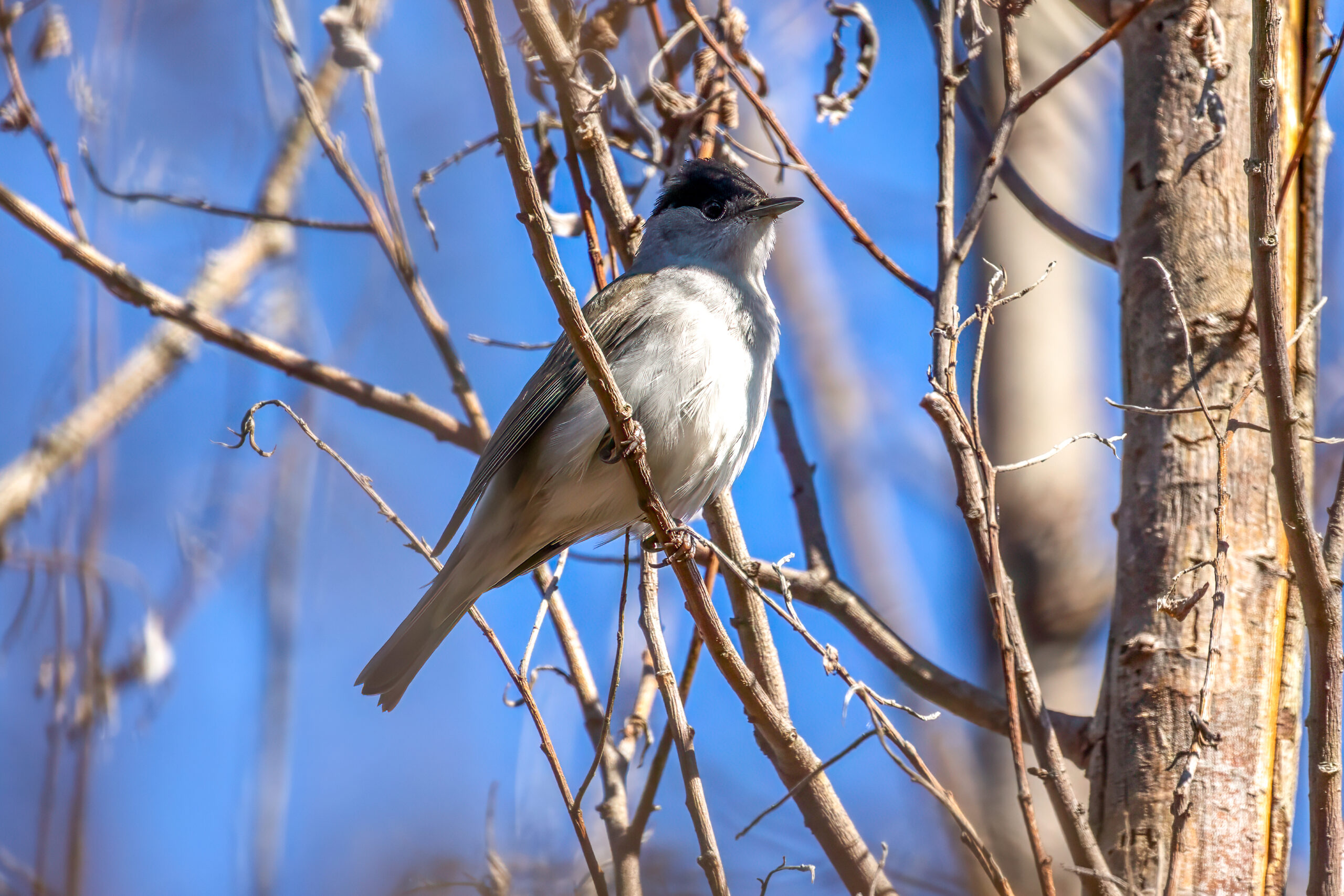
Resident Eurasian blackcaps (Sylvia atricapilla) from Tarifa showed smaller seasonal changes in chromatin accessibility in the hypothalamus than short-distance migrants from San Mamés. The hypothalamus helps coordinate seasonal physiology and behaviour, and the result points to a flatter seasonal epigenetic response in birds that no longer migrate. The study was published on 23 July 2026 in Philosophical Transactions of the Royal Society B.
A common environment separated population differences from immediate local conditions
The researchers caught eight juvenile males from each Spanish population in August 2017, before the birds had made their first autumn migration, and moved them to the Max Planck Institute for Evolutionary Biology in Plön, Germany. The birds were then kept under the same controlled conditions. Migrants later showed much stronger nocturnal migratory restlessness in the spring migratory period than residents, allowing the researchers to compare populations and seasons without the birds experiencing different immediate environments.
Resident birds showed a flatter seasonal change in open chromatin
For the molecular analysis, the team used single-cell ATAC sequencing on hypothalamic cell nuclei. This method maps regions of chromatin that are physically open and therefore more accessible to the cellular machinery that regulates genes; it does not measure gene expression itself. Sixteen birds were selected across the population and seasonal groups, but six libraries were too low in quality, leaving 10 usable samples. Across major neuronal and glial cell types, residents showed less seasonal change in chromatin accessibility than migrants. The main difference was therefore in the amplitude of seasonal change, rather than a general shift to higher or lower accessibility throughout the year.
The result is a regulatory hypothesis, not a single migration switch
The authors interpret this pattern through the idea of migratory liability: an underlying propensity to migrate that produces migratory behaviour when it passes a threshold. They propose that the smaller seasonal epigenetic shift in residents may reflect a flatter seasonal change in this underlying propensity. The study does not identify a single “migration switch” or establish that chromatin accessibility causes residency. Instead, it provides a cellular-level hypothesis for how seasonal regulation may become flatter when a migratory population evolves residency.
The authors stress that the final sample of ten usable libraries was small, and the analysis grouped cells into relatively broad types. Because chromatin accessibility is not the same as gene expression, they argue that larger studies combining epigenetic and transcriptional data will be needed to test how these regulatory changes connect to migratory behaviour.
Genetics & genomics
Related news
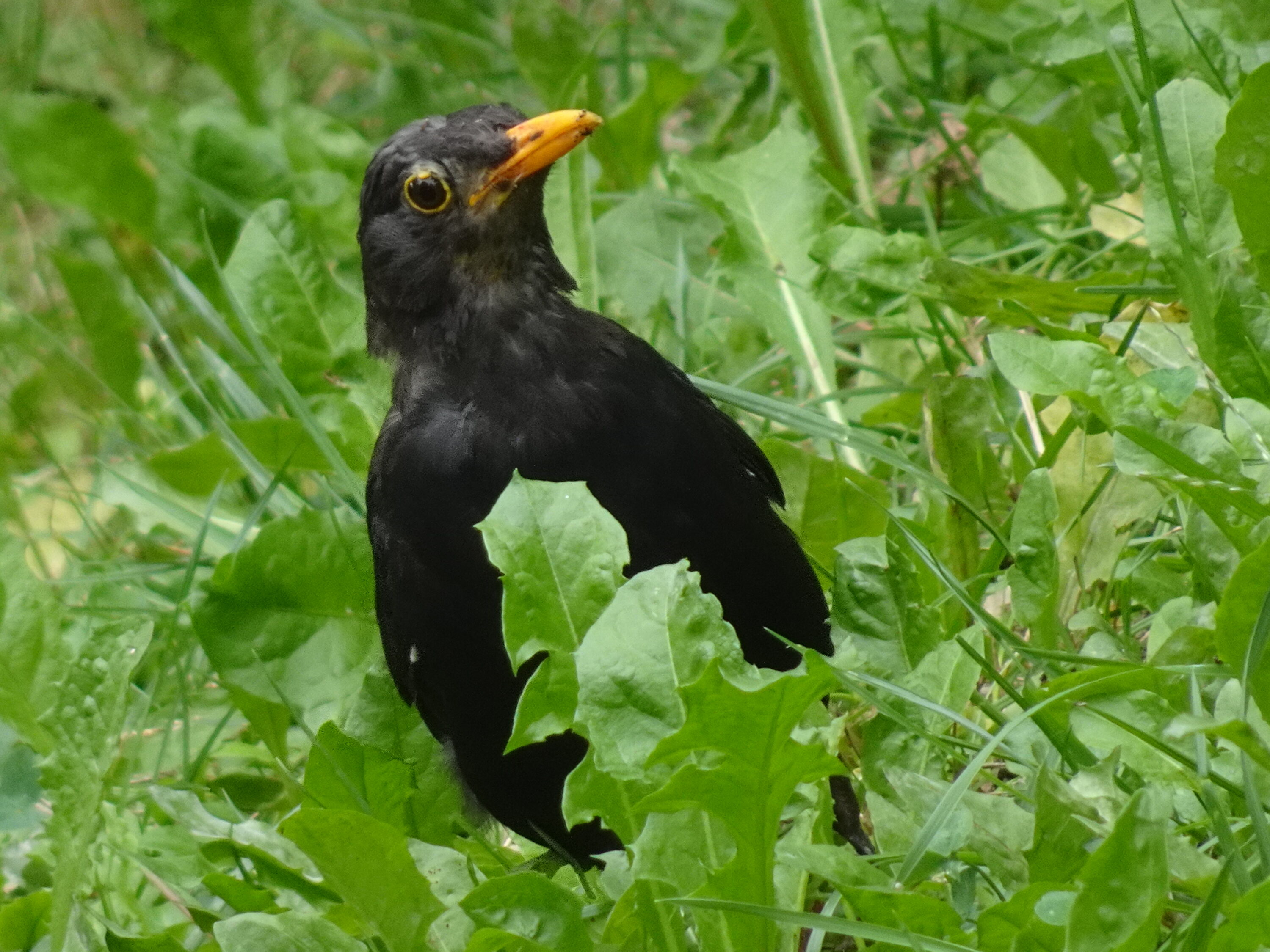
Urban Bird Diversity Was More Strongly Linked to Forest Structure Than the Surrounding City
Across 12 urban forests in three Italian cities, researchers recorded 2,035 birds from 52 species. Local forest structure…
Read story →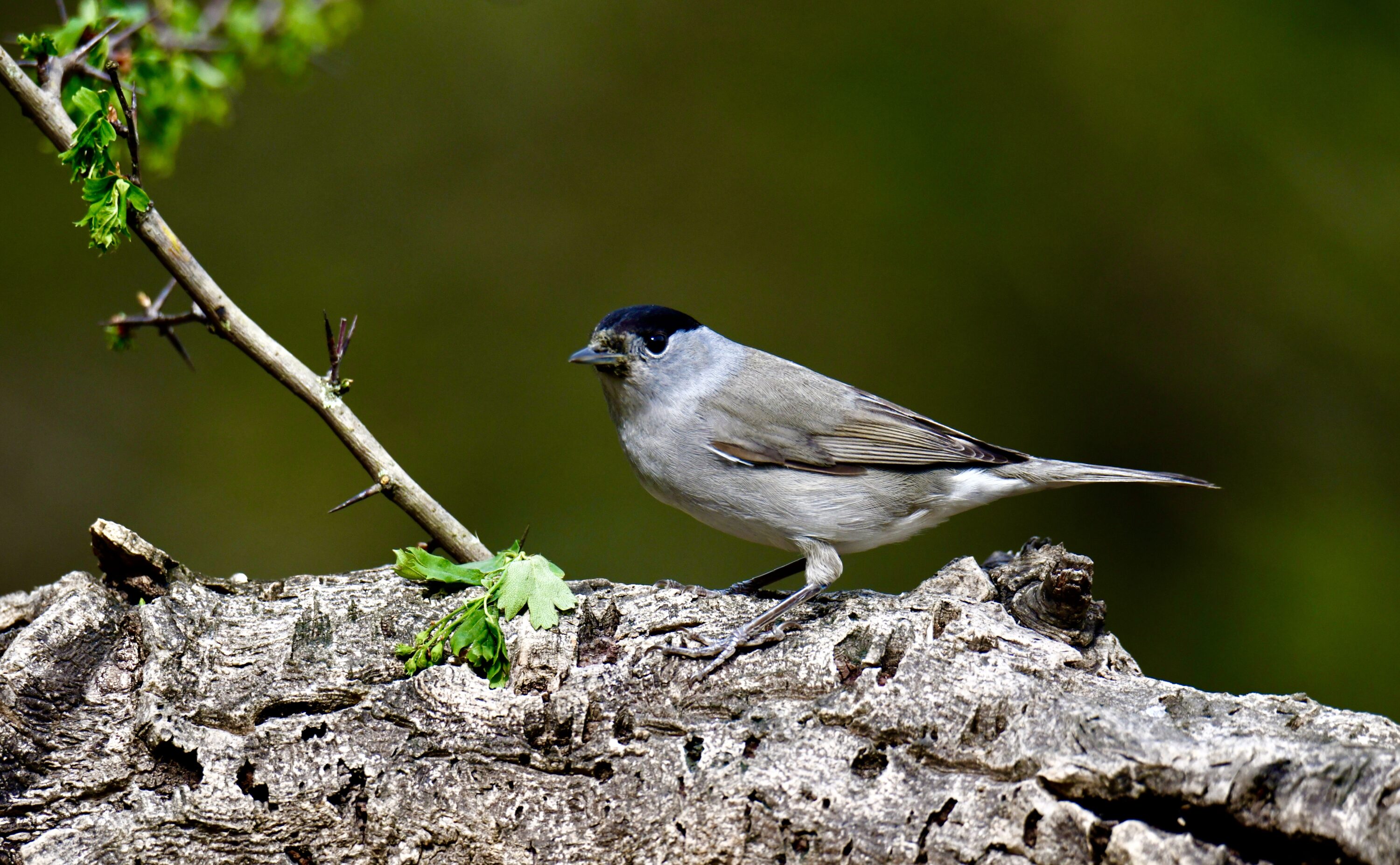
Blackcaps Advanced the Start of Spring Passage by Nine Days at Poland’s Baltic Coast Without Widening the Sex Gap
Forty-four years of Polish ringing data show that both male and female Eurasian blackcaps advanced the start of…
Read story →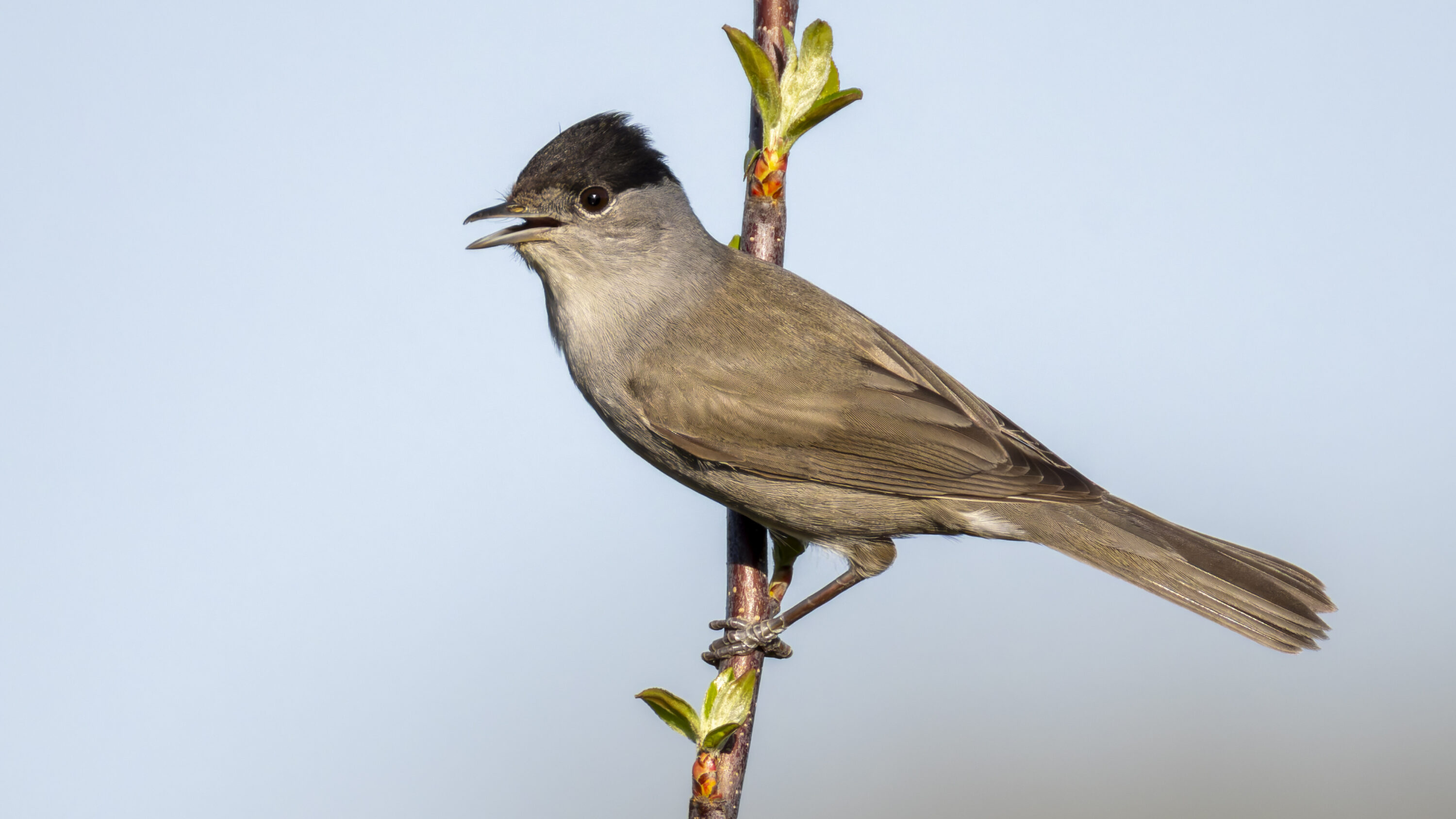
Negative Frequency-Dependent Selection May Maintain an 8 Mb Inversion in Eurasian Blackcaps
Whole-genome data from 179 Eurasian Blackcaps support negative frequency-dependent selection on an 8 Mb chromosome inversion, with an…
Read story →SPECIES IN THIS STORY
Species in this story
Independent research and conservation news archive
Did you find this information useful?
Wildlife Vagabond is independently built and maintained. Voluntary support helps cover source verification, hosting and continued work on research and conservation news.
Support Wildlife VagabondThe news archive will remain freely available.