
Rock Ptarmigan Kept a Narrower Diet as Willow Ptarmigan Expanded Its Spring Niche in Central Norway
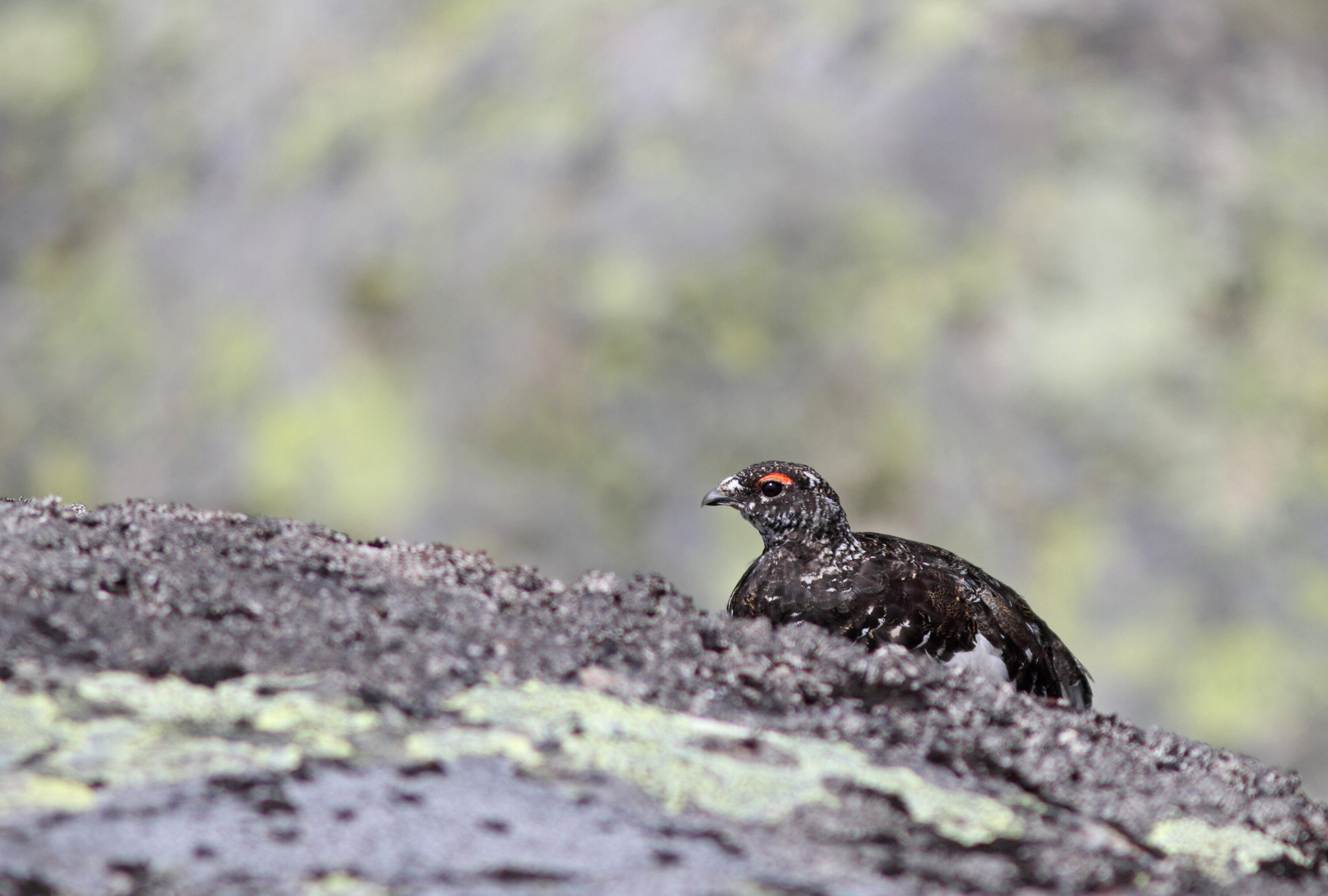
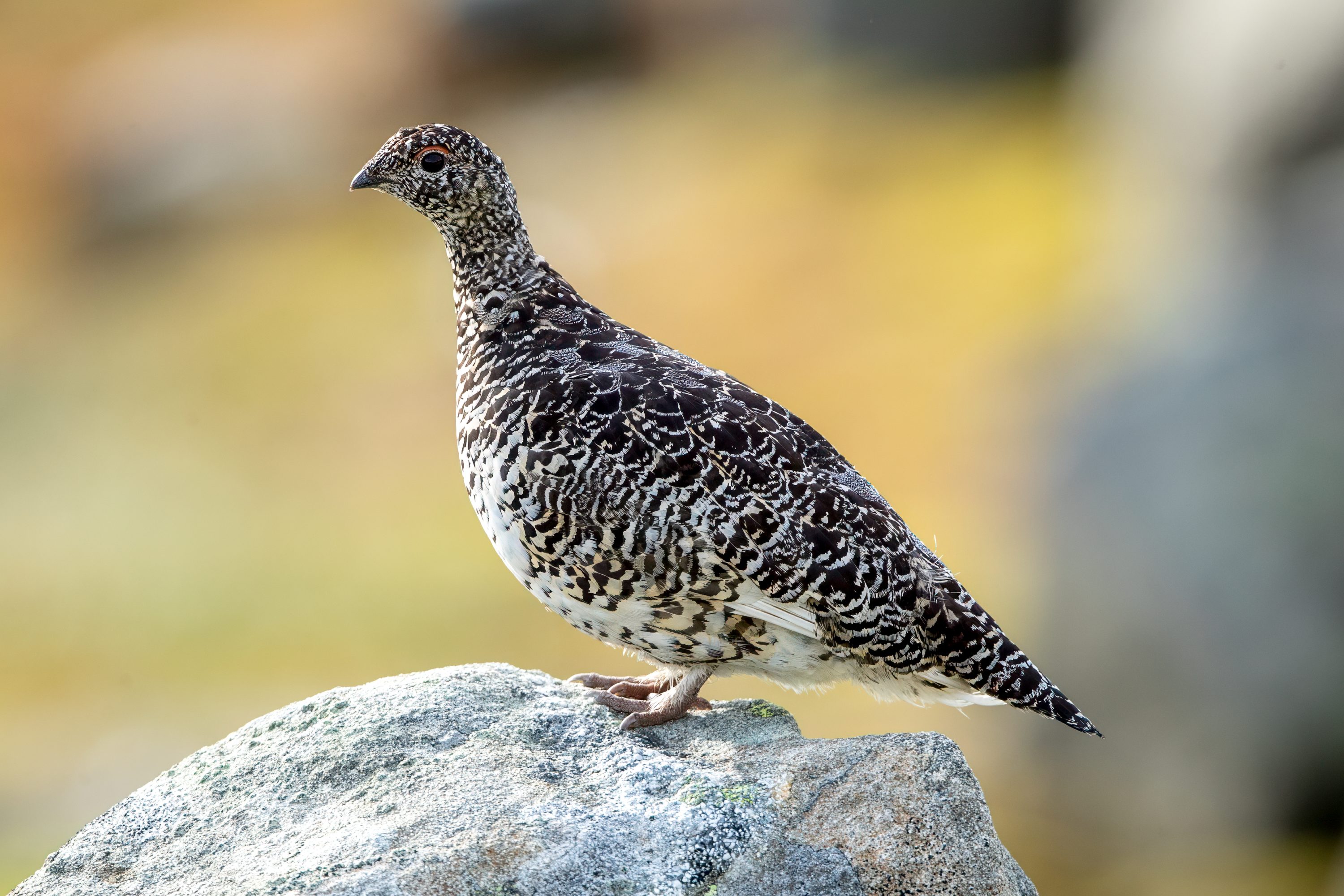
Willow ptarmigan (Lagopus lagopus) and rock ptarmigan (Lagopus muta) at Lifjellet in central Norway ate many of the same plants but used them in different proportions. Across six years, this fine-scale dietary separation persisted through winter and became stronger in spring, mainly because willow ptarmigan broadened their diet while rock ptarmigan retained a comparatively stable niche.
Researchers collected fecal pellets along an alpine–subalpine transect from 2019 to 2024. Genetic markers identified which ptarmigan species produced each sample, and plant DNA was analysed with ITS metabarcoding. After filtering, 400 samples remained: 314 from willow ptarmigan and 86 from rock ptarmigan.
Winter diets shared the same main plants but in different proportions
Birch (Betula spp.) occurred in more than 90% of samples from both species in winter. The separation was therefore mainly quantitative rather than a division into completely different foods.
Crowberry (Empetrum nigrum) was much more prominent in rock-ptarmigan samples, whereas bilberry (Vaccinium myrtillus) was more important to willow ptarmigan. The authors interpret this as fine-scale resource partitioning within a restricted winter food base.
Willow ptarmigan broadened its spring niche
Dietary richness increased in spring for both species, especially willow ptarmigan. Bilberry occurrence rose to 95.7% of willow-ptarmigan spring samples, compared with 57.1% in rock ptarmigan.
Rock ptarmigan maintained a statistically stable niche breadth while making greater use of alpine plants such as alpine bearberry, alpine azalea and cloudberry. This pattern is consistent with the species shifting towards higher elevations as spring develops.
Bray–Curtis dissimilarity between the species rose from 0.50 in winter to 0.72 in spring, while a presence–absence measure changed little. The increasing spring separation therefore came mainly from changes in how much the birds used many shared plants, not from a complete turnover in which plant species they ate.
Only seven rock-ptarmigan spring samples were available
The spring comparison has an important limitation. Before the final sequencing-depth filter, the selected dataset contained 71 willow-ptarmigan spring samples but only seven rock-ptarmigan spring samples.
The authors therefore caution that spring dietary richness in rock ptarmigan may be underestimated because rarely eaten plants are easy to miss in such a small sample. Wider sampling at higher elevations could alter the estimated degree of overlap and niche breadth.
Diet differences do not prove present-day competition
The study cannot separate the effects of habitat, plant availability and competition completely. The authors discuss historical interspecific competition as one possible contributor to long-standing differences in foraging and habitat use, but their data do not test that evolutionary mechanism directly.
Rock ptarmigan are well suited to using low-growing crowberry in exposed alpine terrain, while willow ptarmigan showed greater seasonal flexibility. These different strategies may help the species coexist where their ranges overlap, but the observed diets alone cannot show why the differences evolved.
DNA metabarcoding describes plant use imperfectly
Metabarcoding can identify highly digested plants that are difficult to recognise visually, but sequence-read abundance is not a direct measure of the mass of food eaten. The primers used can also underrepresent graminoids and some conifers, and the method does not show which plant parts were eaten or their nutritional value.
Even with these limitations, the study detected 71 plant species and consistently showed that the two ptarmigan species partitioned shared resources differently. The authors note that climate-driven changes in crowberry, bilberry, birch and shrub cover could alter these niche boundaries in the future, but the six-year study did not directly test a climate effect.
Ecology
Related news
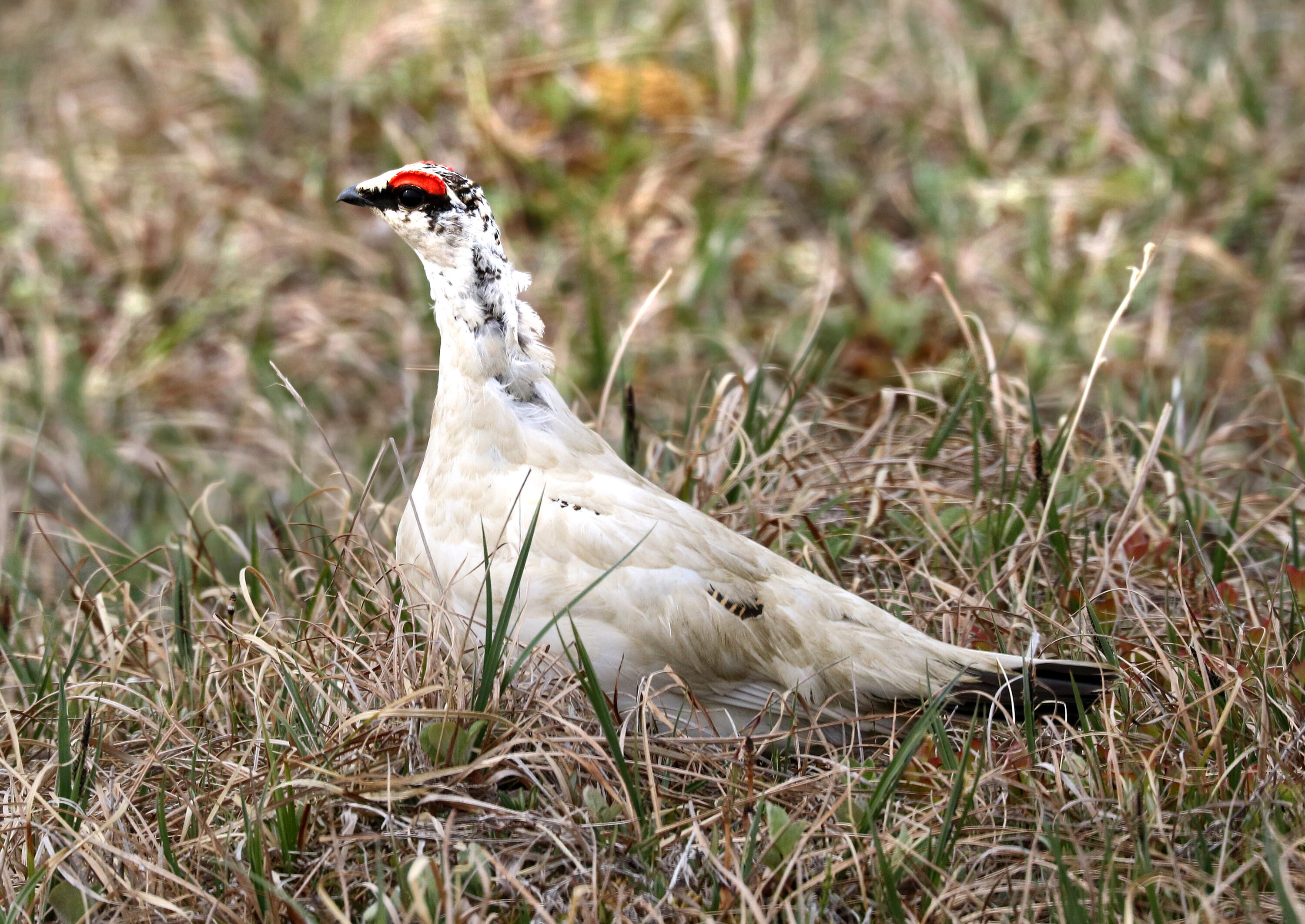
Record Ptarmigan Numbers and a Good Breeding Year for Alaska’s Gyrfalcons
Surveys on Alaska’s Seward Peninsula recorded the highest ptarmigan numbers in eleven years of monitoring. Gyrfalcons also had…
Read story →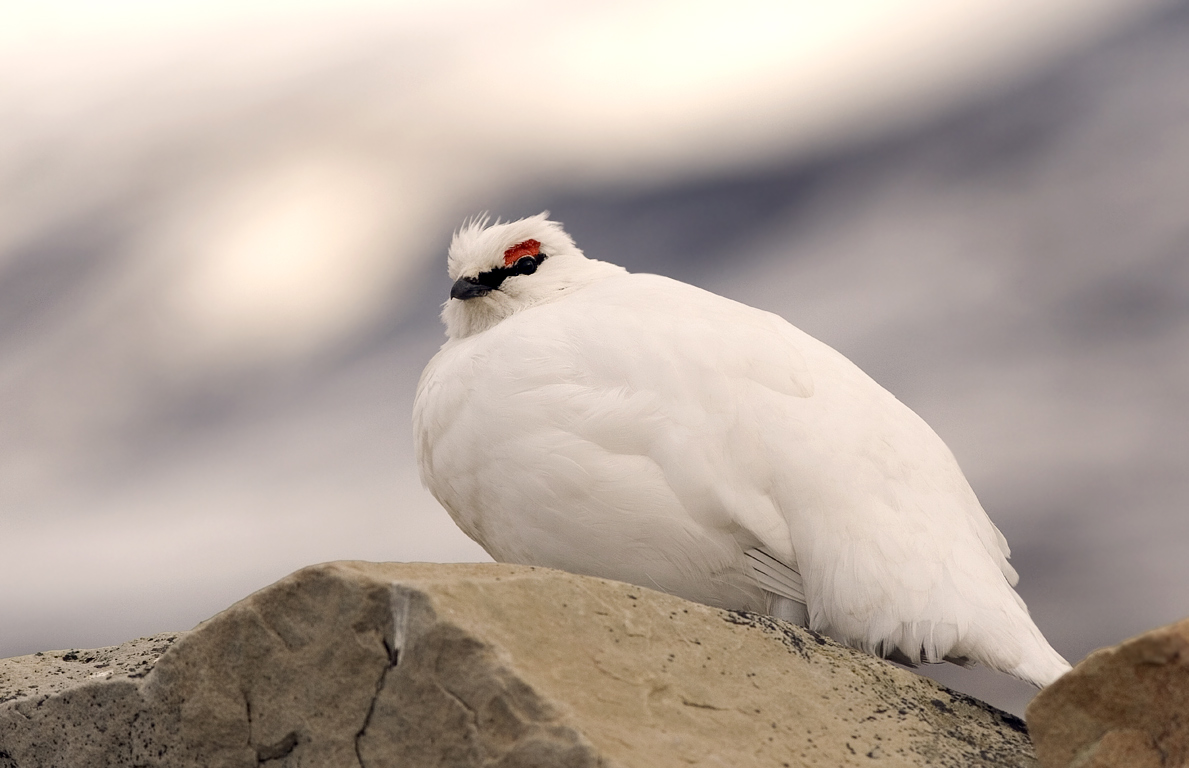
Svalbard Ptarmigan and Golden Hamsters Shared a TSH Pathway for Seasonal Timing
A comparison of neuroendocrine tissue in summer- and winter-like states found the same core TSH seasonal-timing pathway in…
Read story →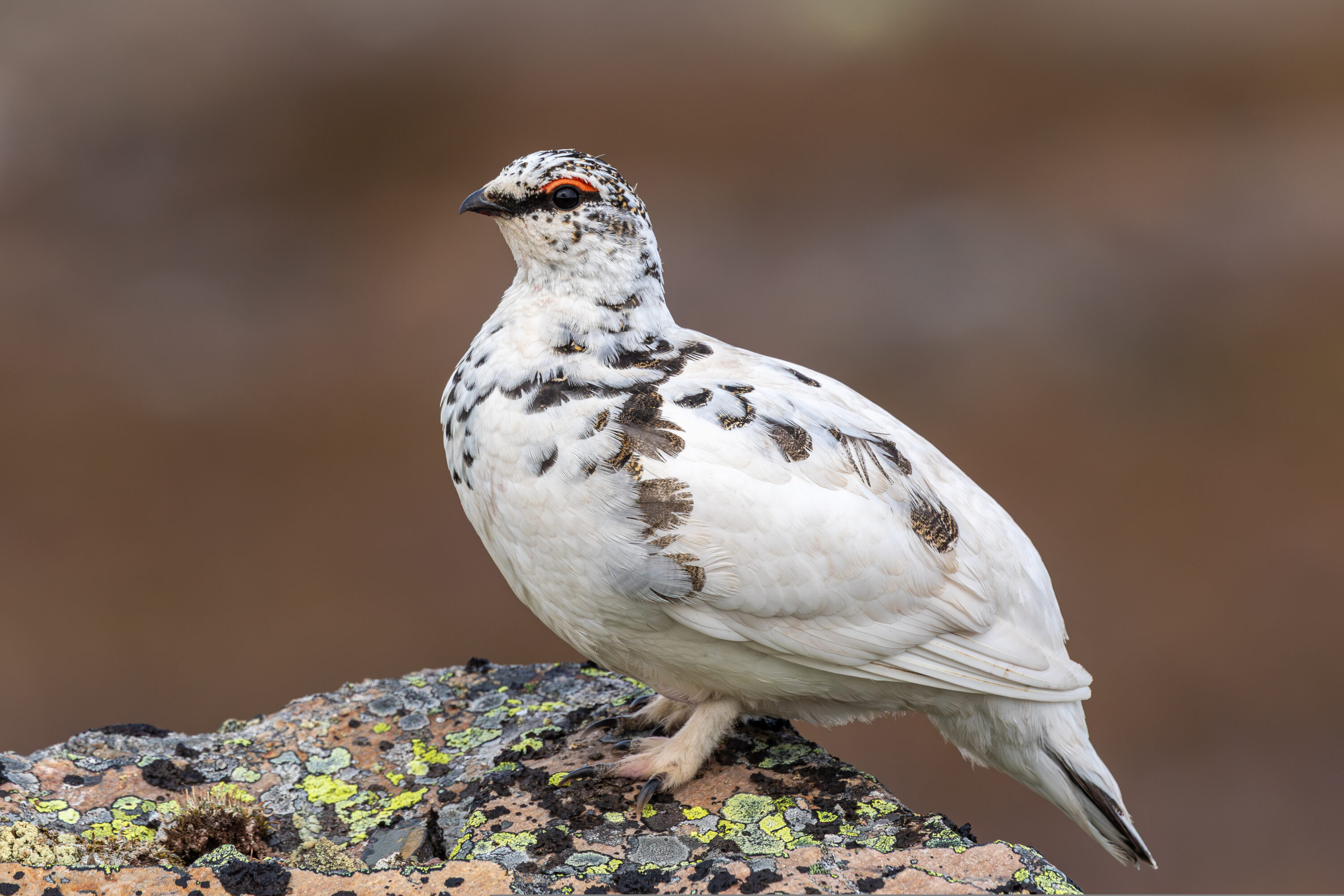
Dry Weather and Snow-Covered Ground Improved Genetic Monitoring From Rock Ptarmigan Droppings
Only 103 of 338 spring fecal samples yielded usable genotypes, but a 2026 study identified field and laboratory…
Read story →SPECIES IN THIS STORY
Species in this story
Independent research and conservation news archive
Did you find this information useful?
Wildlife Vagabond is independently built and maintained. Voluntary support helps cover source verification, hosting and continued work on research and conservation news.
Support Wildlife VagabondThe news archive will remain freely available.