
Roe Deer, Fallow Deer and Wild Boar Used Woody Biocorridors for More Than Movement
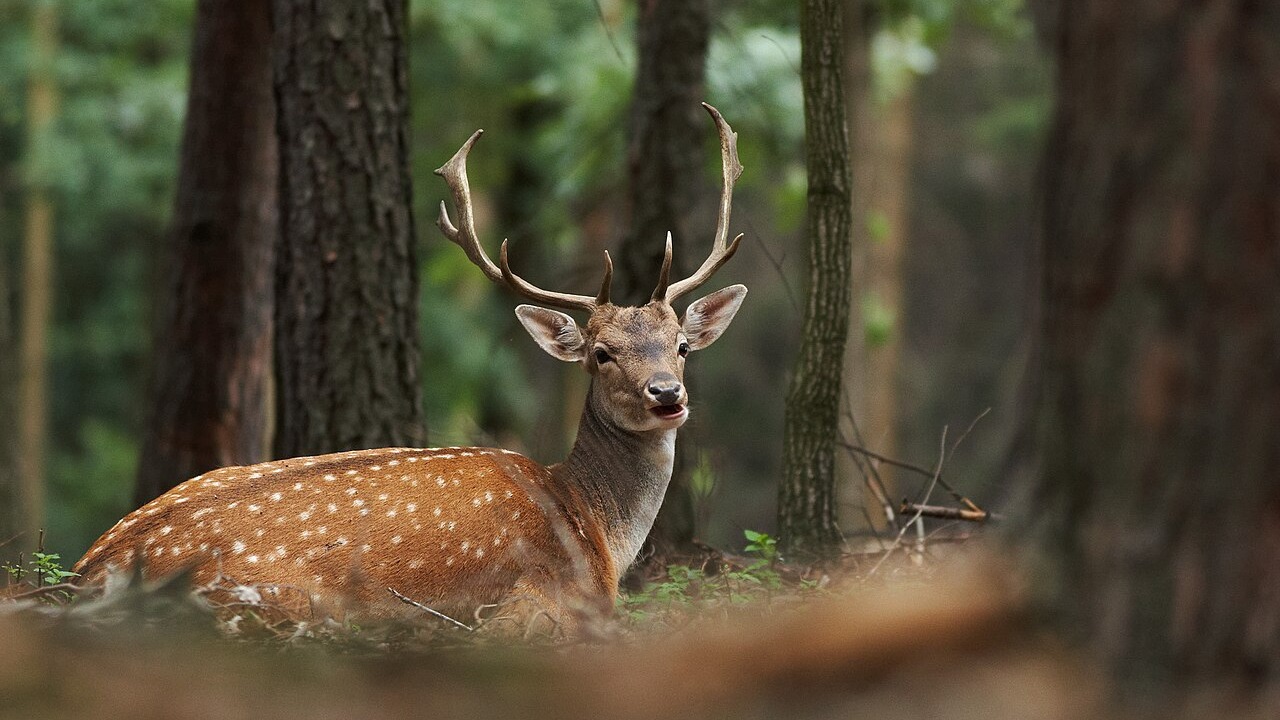
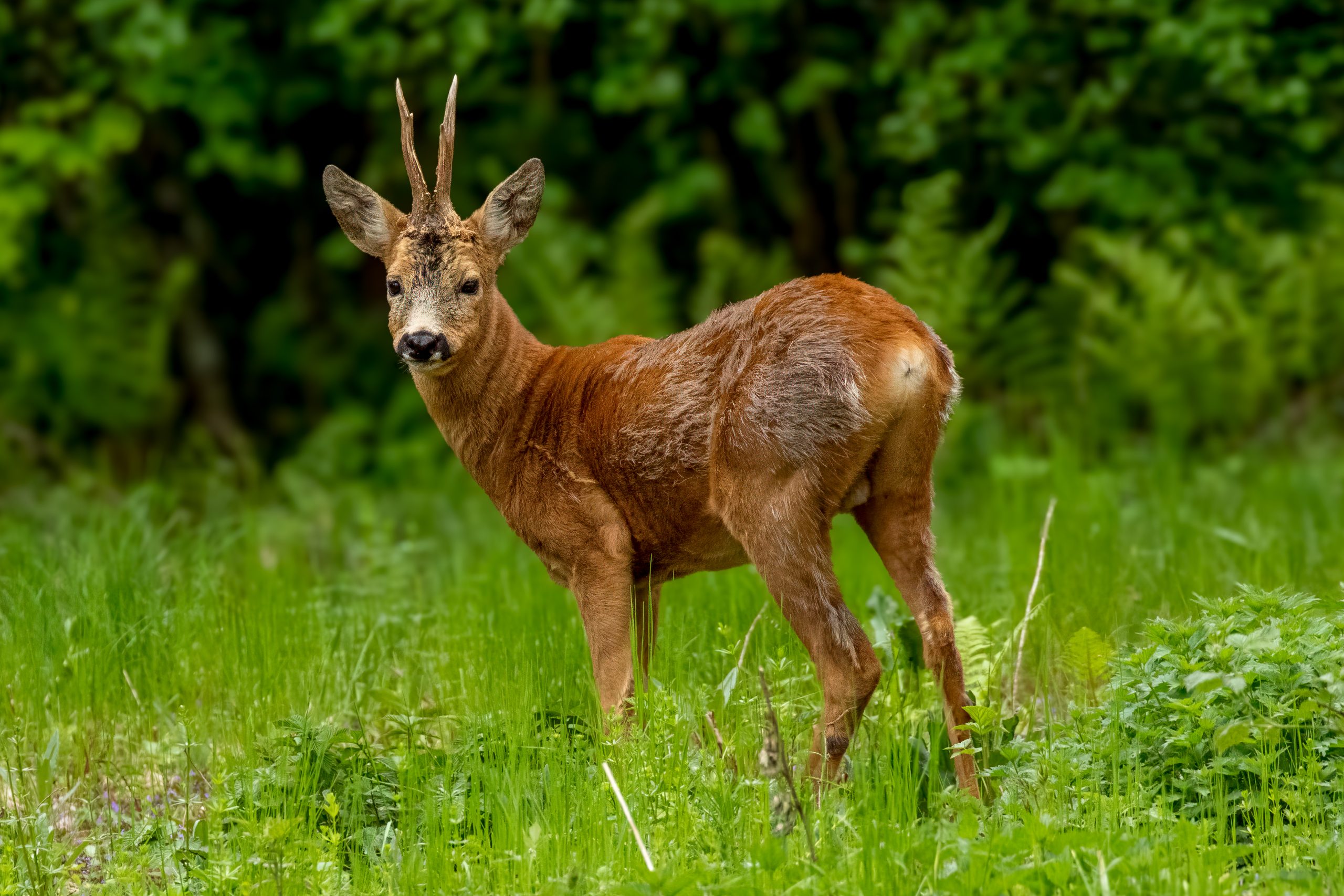
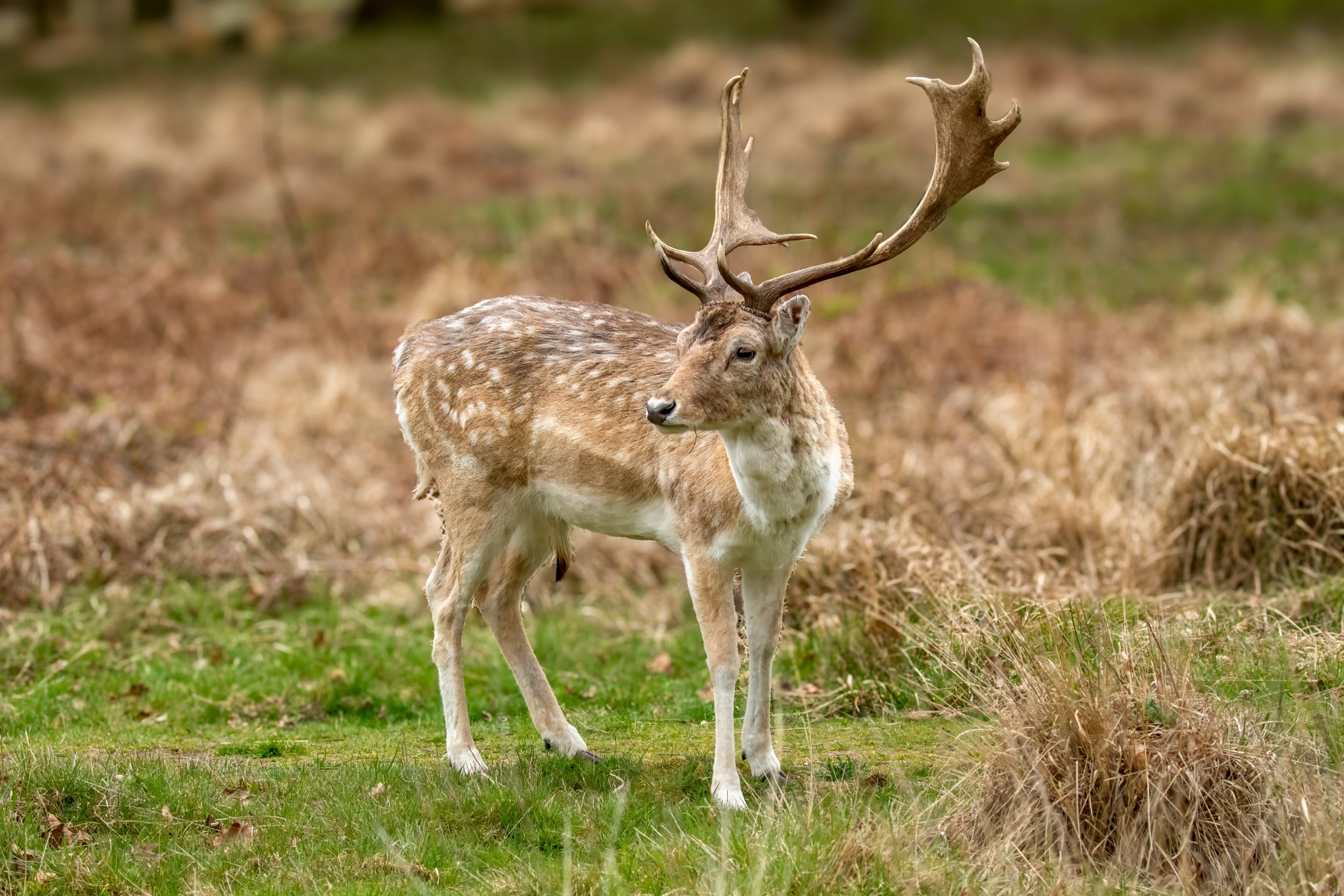
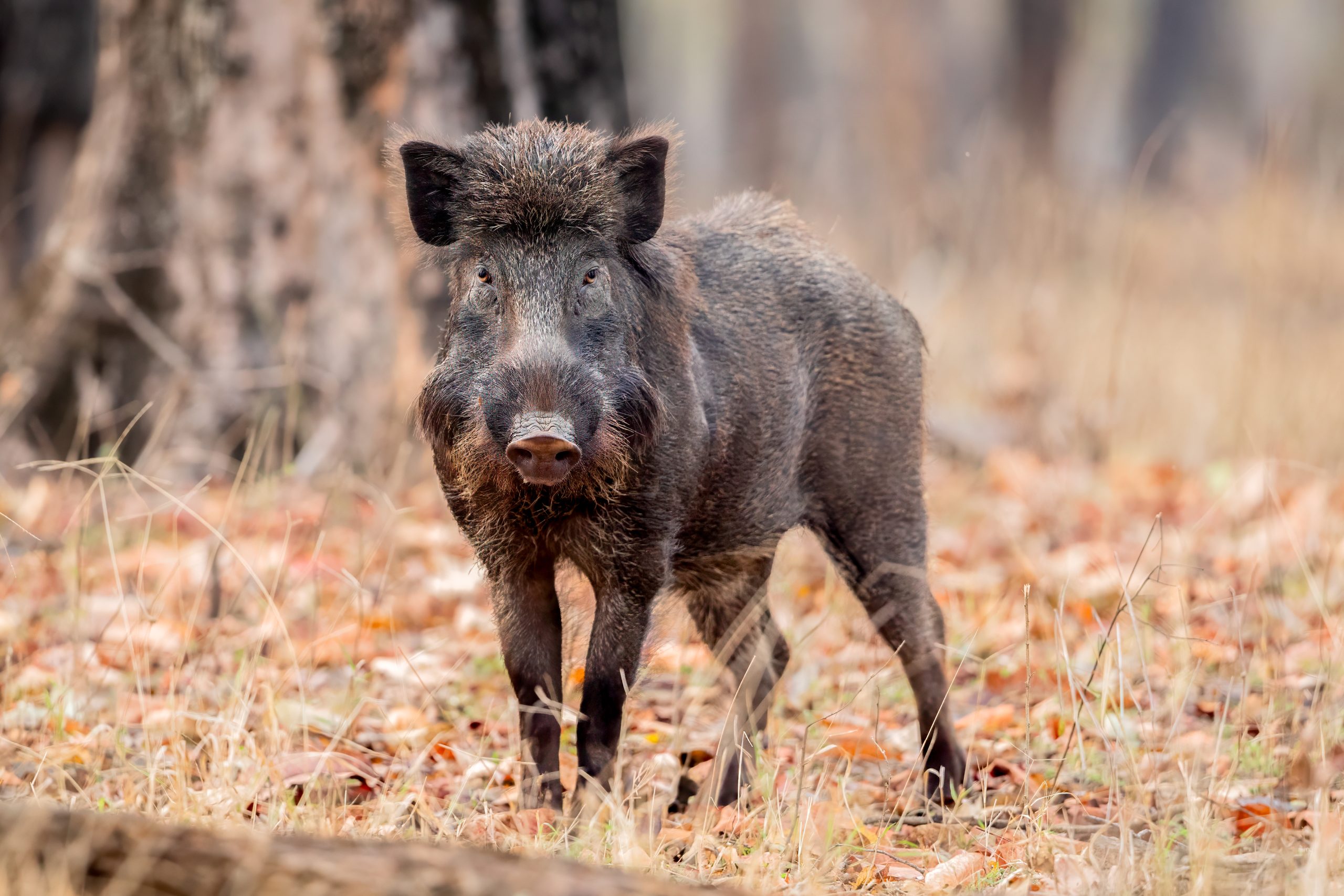
European roe deer (Capreolus capreolus), European fallow deer (Dama dama) and wild boar (Sus scrofa) used woody biocorridors in the agricultural landscape of South Moravia, Czech Republic for more than simply moving between habitat patches. These narrow strips of woody vegetation connect habitat through intensively farmed landscapes. Forty camera traps monitored 14 corridors from October 2020 to May 2022 and recorded 19,412 independent roe deer events, 3,828 fallow deer events and 804 wild boar events.
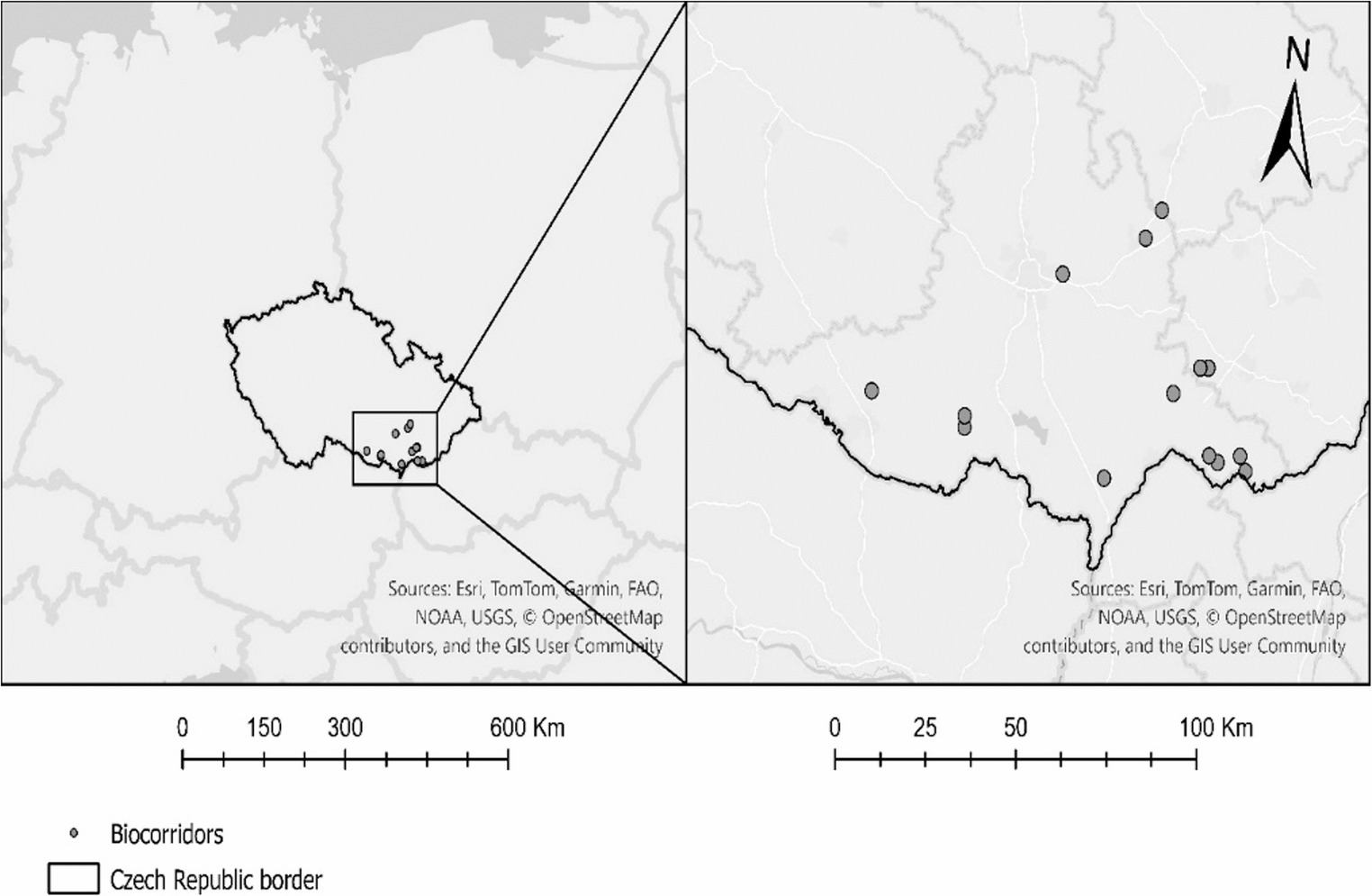
Canopy shade was the only measured corridor feature linked to activity
The camera records showed the corridors being used for movement, feeding and shelter. Of the structural features measured, canopy shading was the only corridor characteristic clearly associated with ungulate activity: more heavily shaded corridors had higher activity, while width, length, area and the measured vegetation-composition variables showed no clear relationship.
The three species used the corridors at different times of day
The species also differed in when they used the corridors. Roe deer and fallow deer had mainly bimodal, crepuscular activity patterns, while wild boar were predominantly nocturnal. These differences were strongest in summer and became less distinct in winter. For fallow deer, the timing of corridor use also differed between corridors beside pastures and those beside arable fields.
Roe deer shifted activity where fallow deer were present
Roe deer activity changed at sites where fallow deer were present. Without fallow deer, roe deer activity was more concentrated at night, whereas at sites with fallow deer it was distributed more broadly across the 24-hour cycle. The authors interpret this temporal shift as consistent with competitive interactions between the two deer species and conclude that woody corridors function not only as links through fragmented farmland but also as feeding grounds, shelter and sites of interspecific interaction.
Ecology
Related news
Roe Deer and Wild Boar Remained Key Wolf Prey as Diet Shifted Across North-western Italy
From 2021 to 2025, wolves in north-western Italy continued to feed mainly on wild prey. In the Po…
Read story →
Maps Show Where Wild Boar Could Thrive and Spread on Jeju Island
Researchers mapped potentially suitable wild-boar habitat across roughly 36% of Jeju Island and identified eight possible corridors linking…
Read story →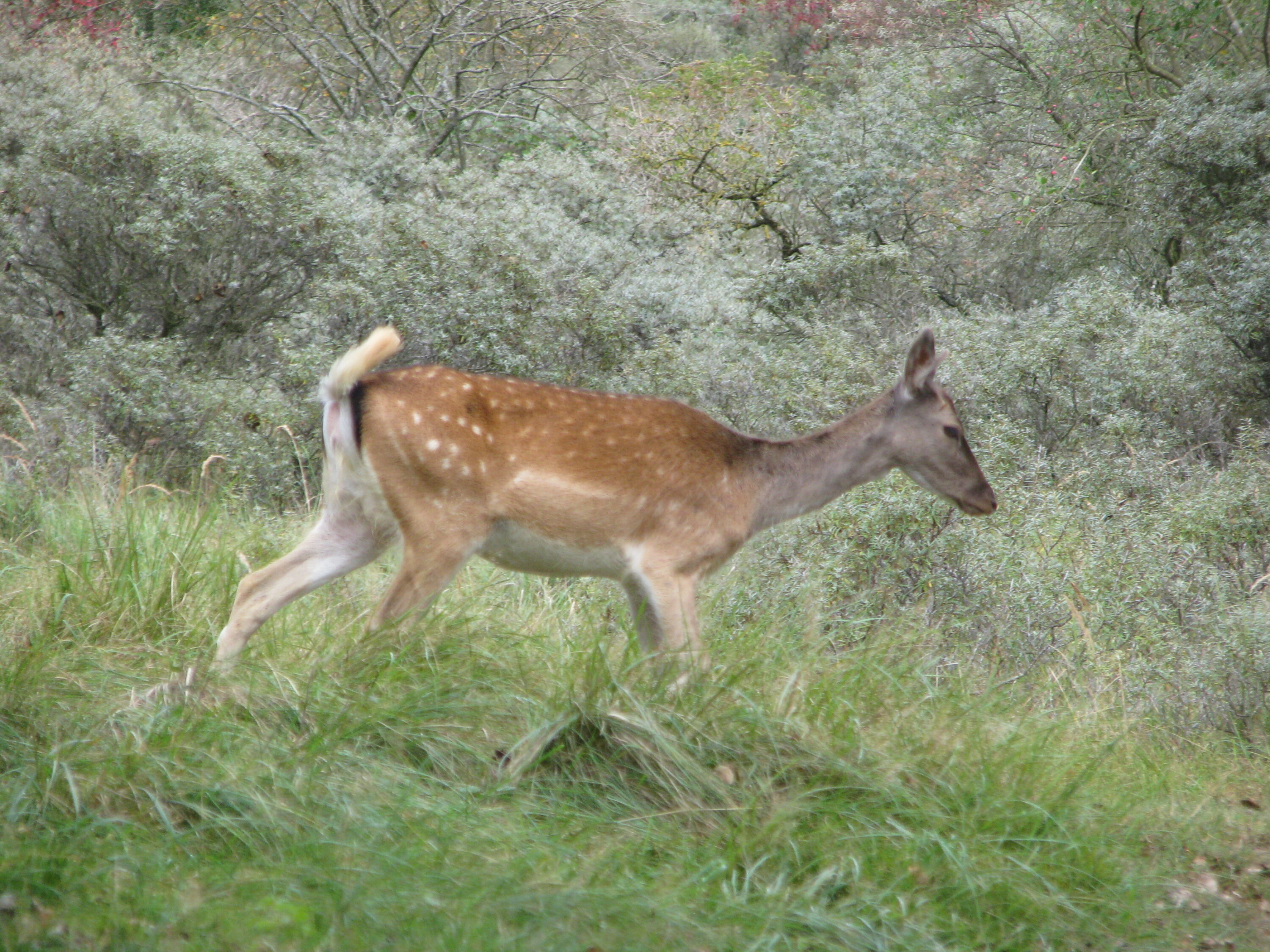
Male and Female Fallow Deer Followed Different Daily Schedules Outside the Rut
In 4,114 sexed camera-trap detections from a Dutch dune reserve, fallow deer favoured twilight and night. Outside the…
Read story →SPECIES IN THIS STORY
Species in this story
Independent research and conservation news archive
Did you find this information useful?
Wildlife Vagabond is independently built and maintained. Voluntary support helps cover source verification, hosting and continued work on research and conservation news.
Support Wildlife VagabondThe news archive will remain freely available.