
Four African Storks Now Have Public Whole-genome Assemblies
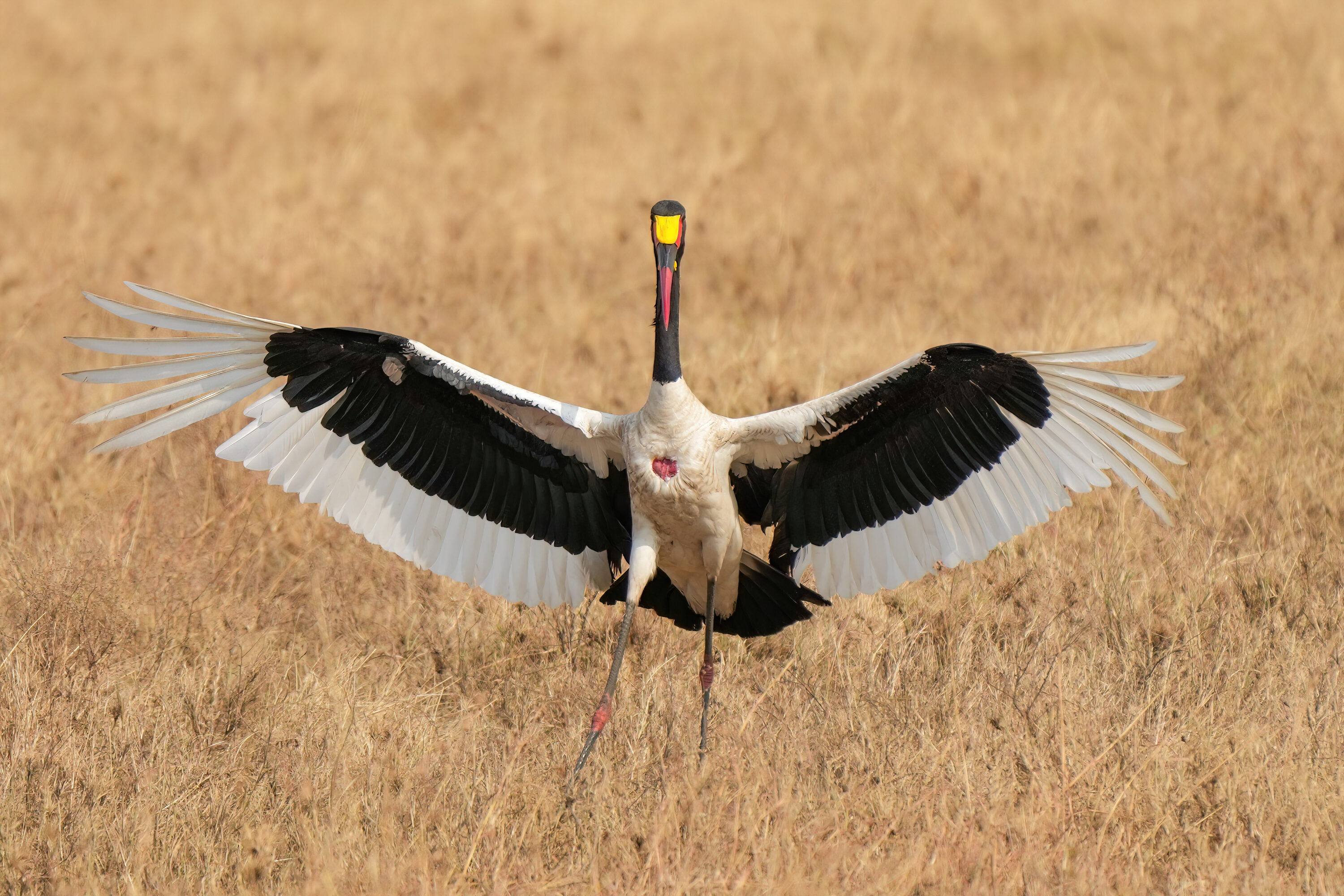
A 2026 genome-resource paper released whole-genome assemblies for four African storks: Saddle-billed Stork (Ephippiorhynchus senegalensis), African Openbill (Anastomus lamelligerus), Marabou Stork (Leptoptilos crumenifer) and Yellow-billed Stork (Mycteria ibis). Each assembly came from one wild-collected museum specimen and is available as a public genomic reference.
The assemblies are genome resources, not population-genetic assessments
The paper describes the resources as “complete genome sequences”, but the deposited data are whole-genome shotgun assemblies produced from paired-end Illumina short reads rather than chromosome-level references. NCBI, for example, classifies the Saddle-billed Stork assembly at scaffold level. The important result is therefore the availability of broad whole-genome sequence assemblies for all four species, not a claim that every chromosome has been reconstructed end to end.
The specimens came from several parts of Africa. The Saddle-billed Stork was a Field Museum specimen collected in Eswatini, listed as Swaziland in the paper. The African Openbill and Yellow-billed Stork specimens came from Somalia, and the Marabou Stork specimen came from Cameroon. The assemblies and their species-specific accessions were deposited in public sequence archives.
Because only one individual from each species was sequenced, the study does not measure genetic diversity, inbreeding, population structure or gene flow within these storks. The four assemblies should therefore be read as genome references, not as population-genetic assessments.
Genetics & genomics
Related news
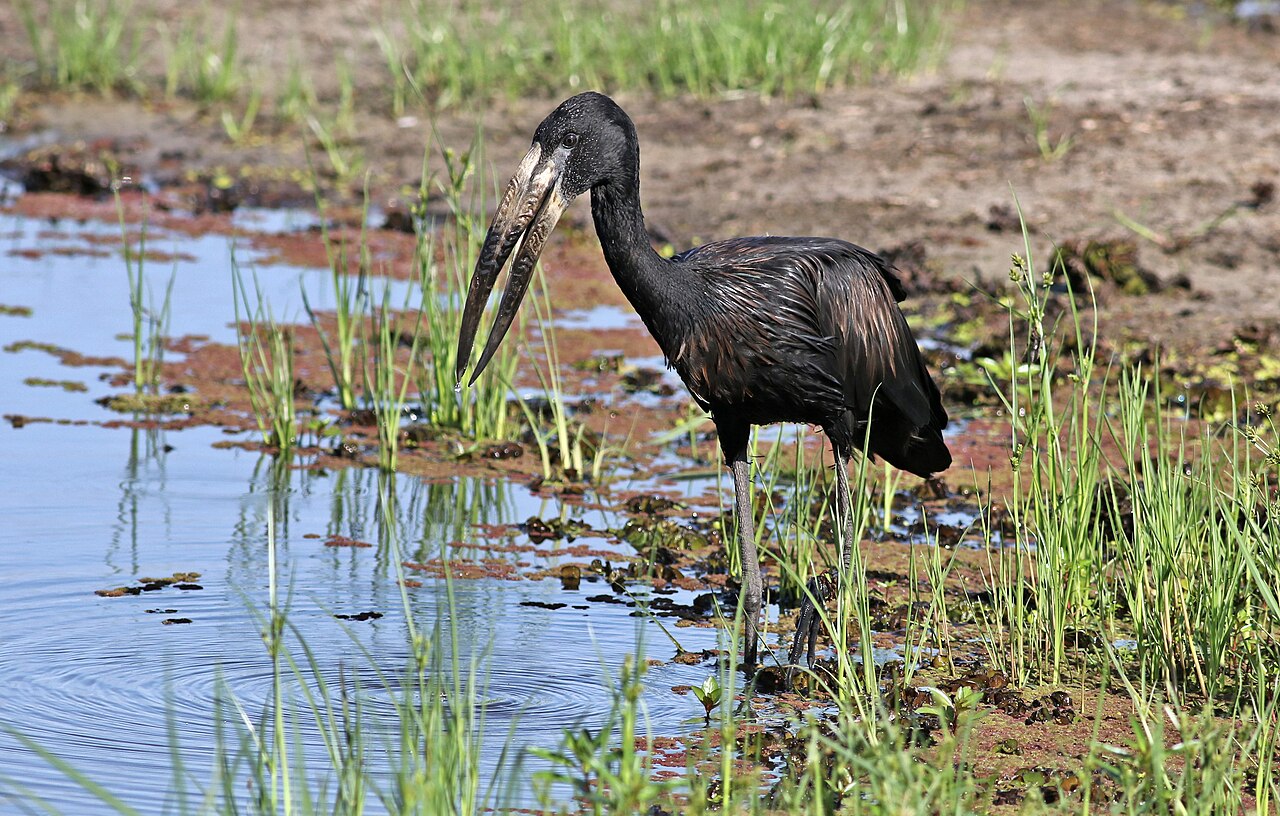
African Openbill Was the Most Abundant Bird in a Central Ugandan Forest Reserve Survey
A 2026 study in central Uganda found African openbill to be the most abundant bird recorded in Kitubulu…
Read story →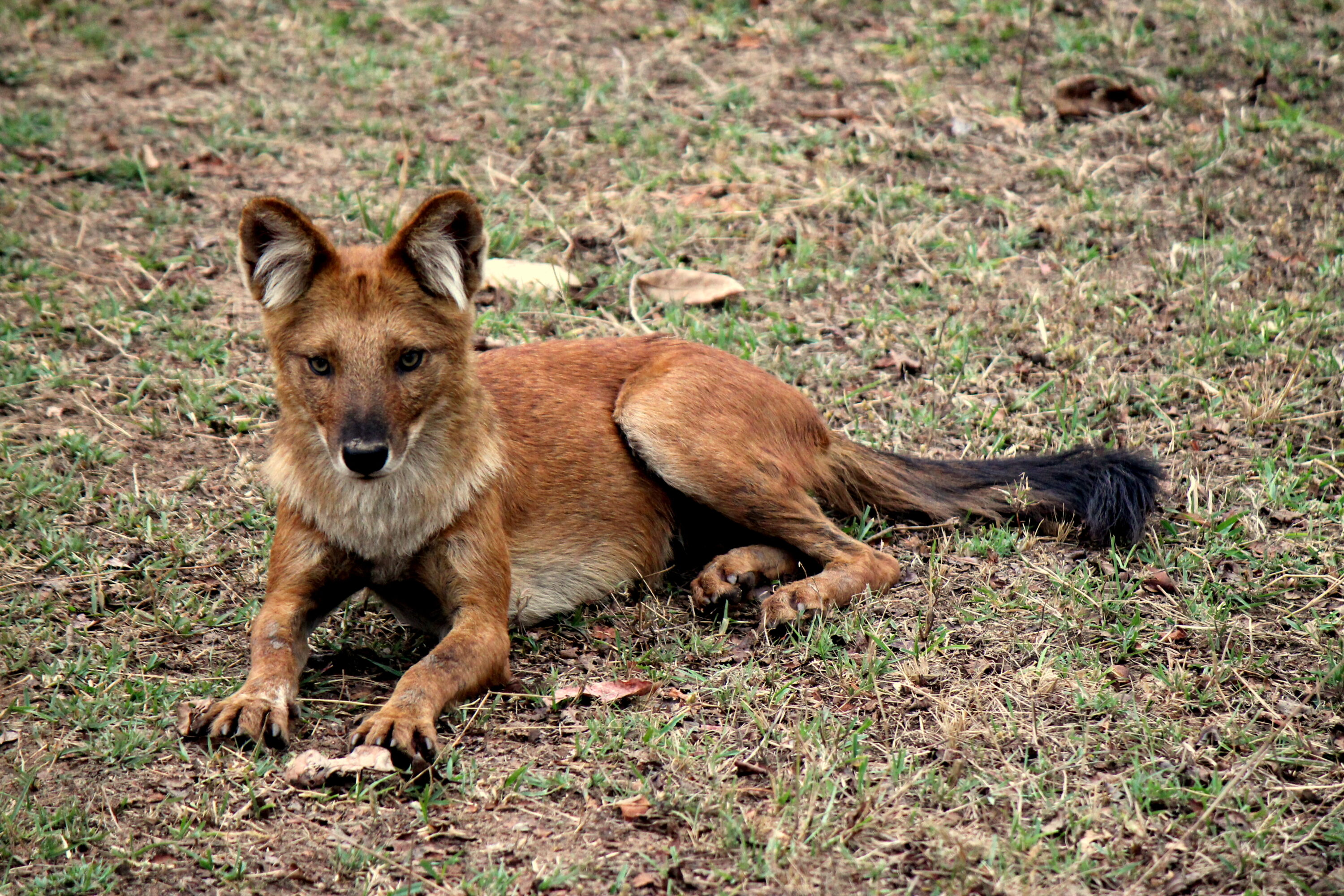
Dhole Gets Its First Chromosome-Level Genome Assembly
Researchers assembled a 2.42-billion-base genome for the dhole, anchoring 97.0% of its sequence to 39 chromosomes. The resource…
Read story →
An ancient viral gene may have been repurposed in elephant placenta
An ancient viral gene that appears to have been inherited for at least 79 million years is strongly…
Read story →SPECIES IN THIS STORY
Species in this story

Independent research and conservation news archive
Did you find this information useful?
Wildlife Vagabond is independently built and maintained. Voluntary support helps cover source verification, hosting and continued work on research and conservation news.
Support Wildlife VagabondThe news archive will remain freely available.