
Sambar Showed Less Daily Activity Overlap With Cattle Than Wild Boar in Western Sichuan
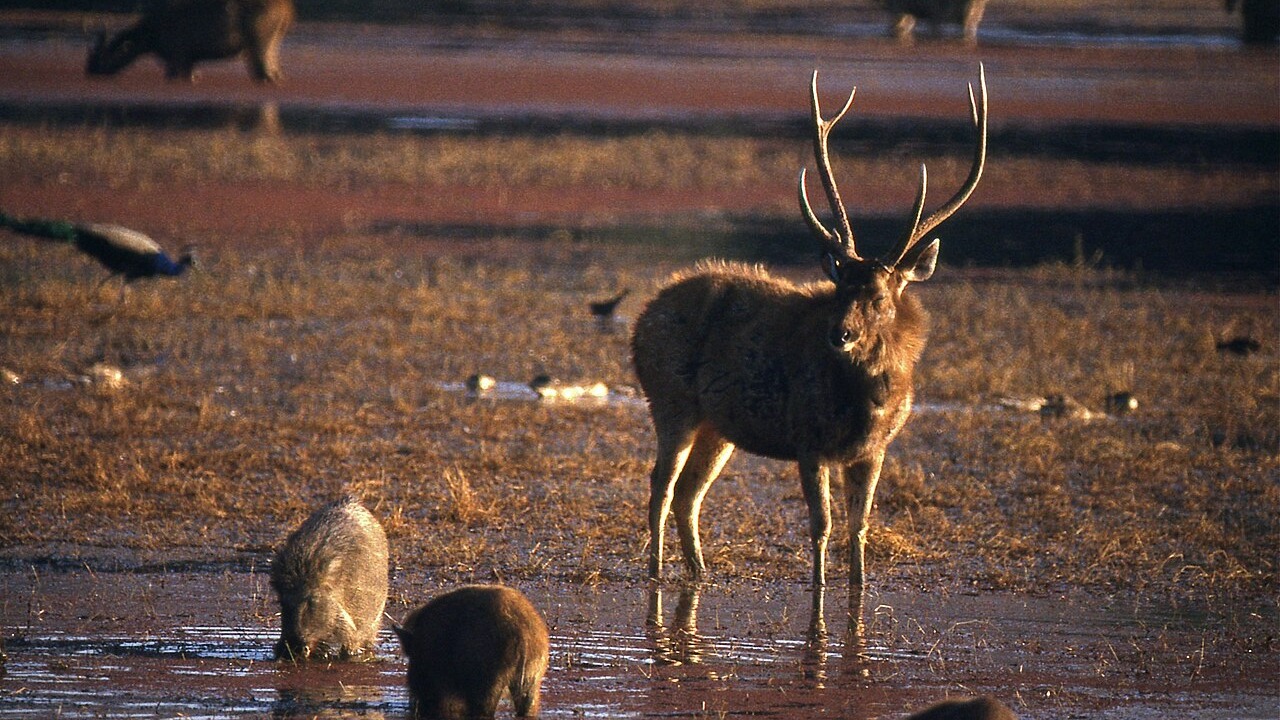
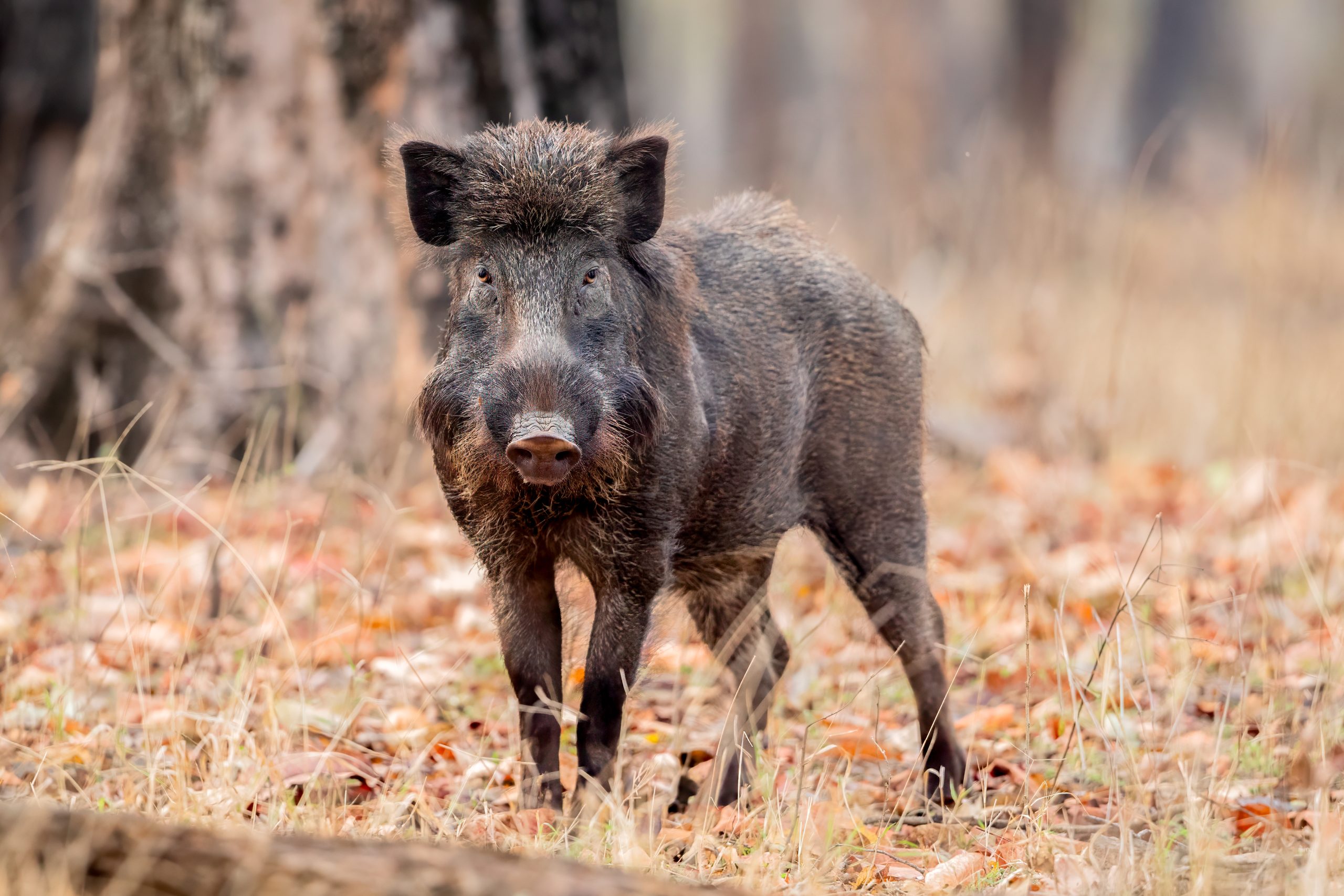
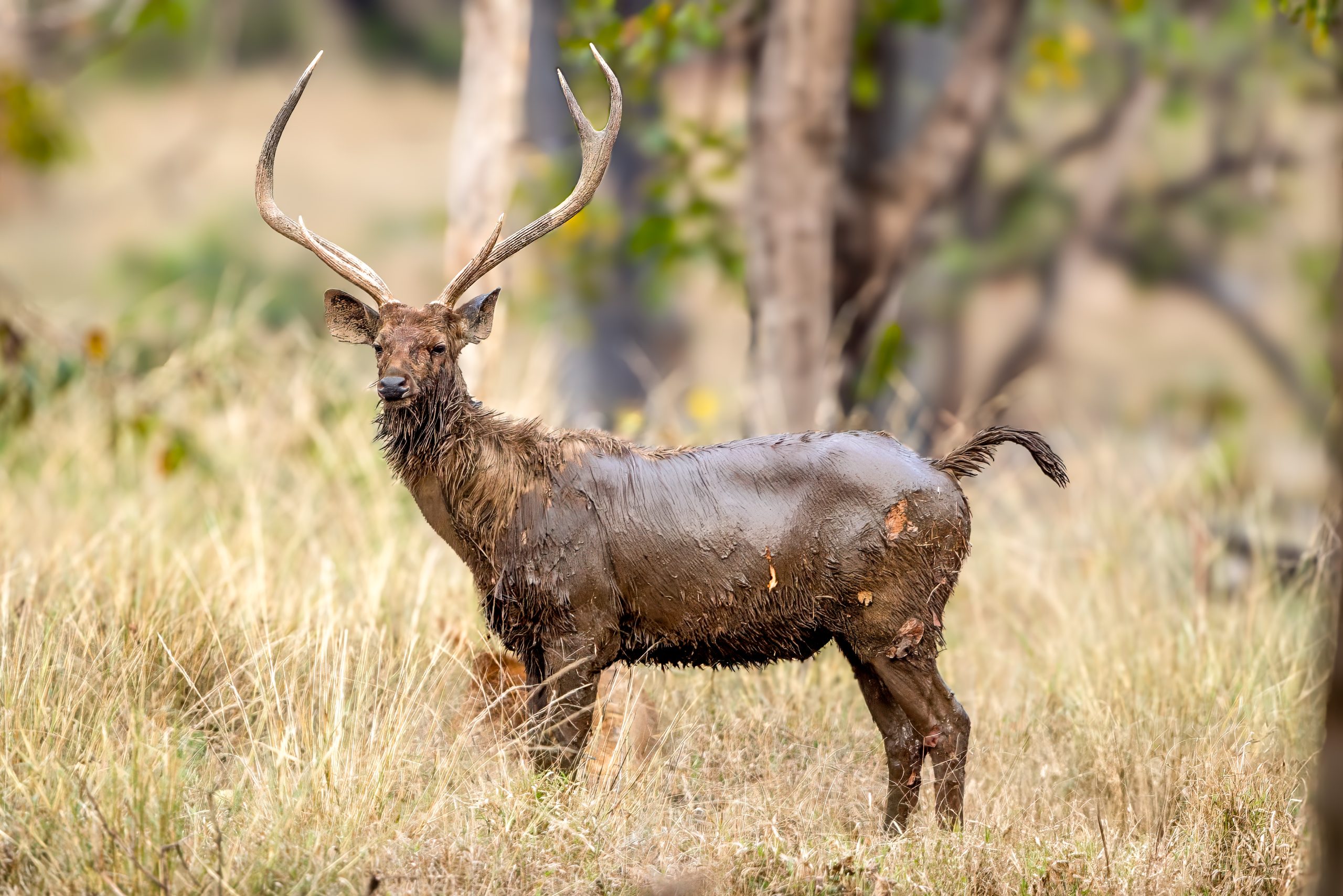
A two-year camera-trap study in Xinlong County in western Sichuan, China found that sympatric wild ungulates differed markedly in how their daily activity overlapped with livestock. Sambar (Rusa unicolor) showed low overlap with cattle, with an overlap coefficient of 0.44, while wild boar (Sus scrofa) showed moderate overlap at 0.69.
The researchers accumulated 73,942 camera-days in 2022–2023 and recorded 11 wild ungulate species. Eight with sufficient data were included in the main analyses. Sambar produced 1,357 independent camera records and wild boar 985. Cattle were much more frequently recorded than horses and were active mainly during the warm season from May to October.
Sambar and wild boar also differed around horses
The two species also differed in their overlap with horses. Sambar had moderate daily overlap with horses at 0.53, whereas wild boar had high overlap at 0.77. Their spatial relationships did not mirror those temporal differences. In the occupancy models, a species interaction factor (SIF) below 1 indicates less co-occurrence than expected, a value of 1 indicates spatial independence, and values above 1 indicate more co-occurrence than expected. Sambar was spatially independent of both cattle and horses, whereas wild boar showed a slight preference for co-occurrence with cattle (SIF 1.08) and was spatially independent of horses. Across the habitat models, elevation, distance to temples, precipitation in the coldest quarter and distance to settlements were the main variables shaping potentially suitable habitat. Responses varied strongly among species: blue sheep and Chinese serow showed spatial preference for co-occurrence with horses, whereas forest musk deer avoided horses. Blue sheep nevertheless showed the strongest overall response to livestock because its habitat suitability declined as livestock activity increased.
Livestock effects differed among wild ungulates
The authors interpret the results as evidence that grazing may affect wild ungulates in Xinlong, but not in a uniform way. They note that occupancy patterns provide indirect evidence of interspecific interactions and can also reflect other ecological factors. In a landscape with a long history of pastoralism, the study indicates that different ungulates use different combinations of space and time in relation to cattle and horses.
Ecology
Related news
Gut Microbiomes Across Nine Kruger Mammals Clustered More Strongly by Dietary Group Than Species
A study of 89 quality-filtered faecal samples from nine wild mammals in Kruger National Park found that carnivores,…
Read story →
Dunnock Spring Passage Advanced by Up to 8.3 Days Over 61 Years at Hel
Standardised ringing data from northern Poland showed that the first, median and last phases of dunnock spring passage…
Read story →
Inland Mute Swans Had Higher Winter Body Condition Despite Harsher Winters and Supplemental Feeding
A study of 853 mute swans from four Polish wintering regions found higher body condition inland than on…
Read story →SPECIES IN THIS STORY
Species in this story
Independent research and conservation news archive
Did you find this information useful?
Wildlife Vagabond is independently built and maintained. Voluntary support helps cover source verification, hosting and continued work on research and conservation news.
Support Wildlife VagabondThe news archive will remain freely available.