
San Diego Project Will Establish 56 Cactus Patches for Coastal Cactus Wrens
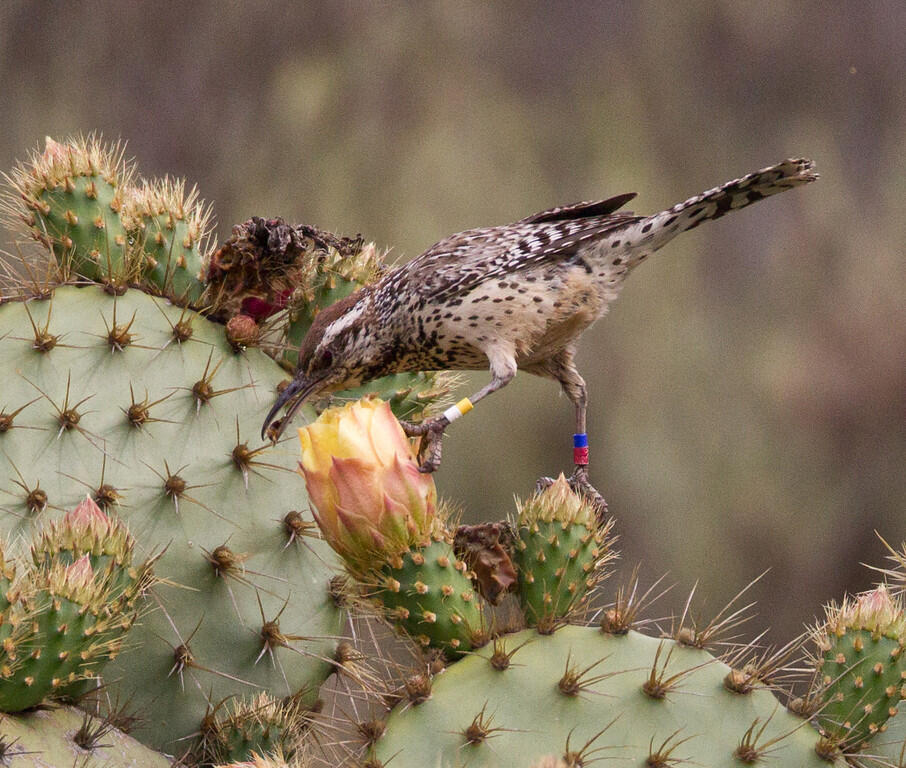
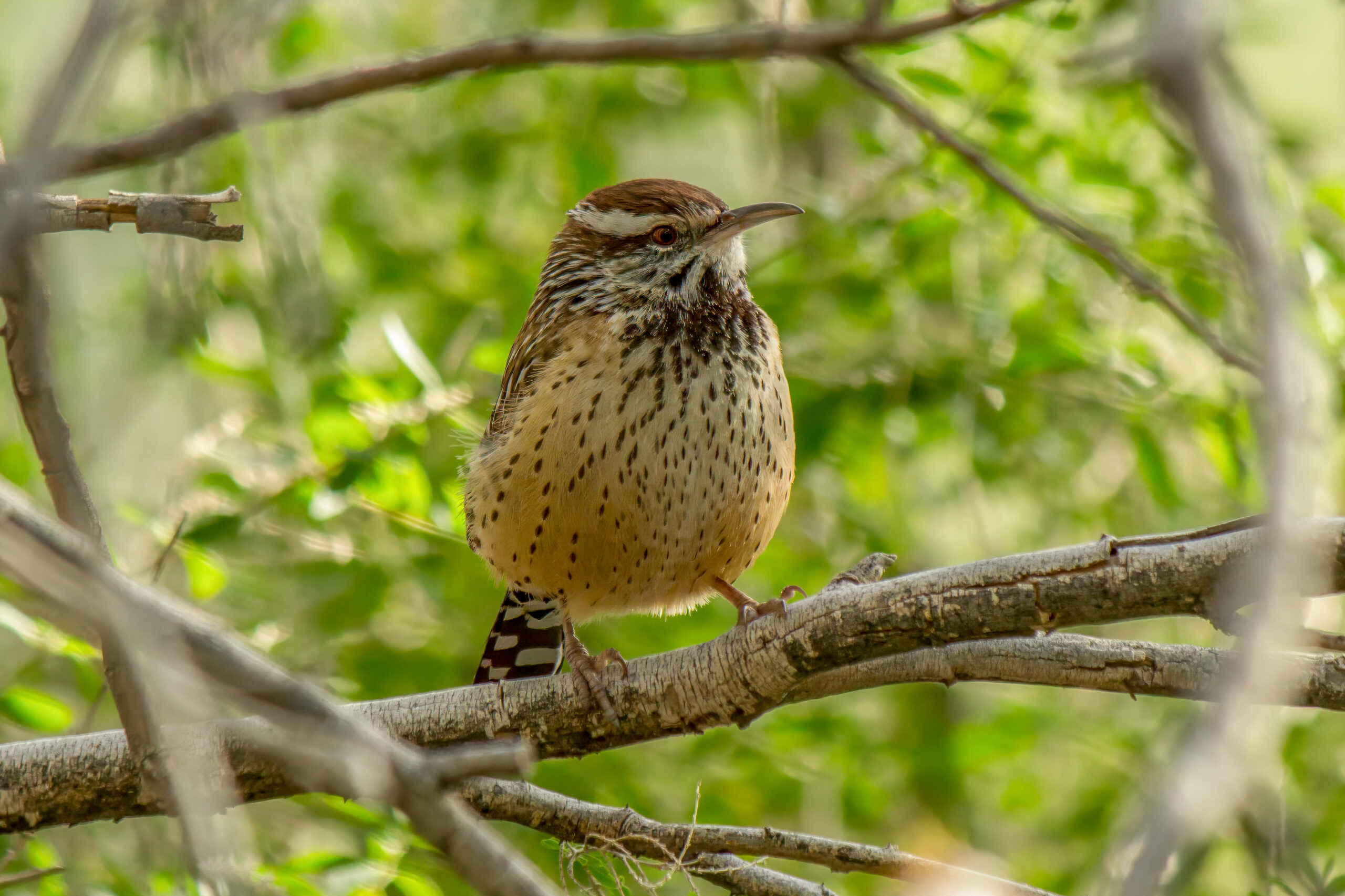
A new habitat-restoration project at San Diego National Wildlife Refuge will create 56 cactus patches across 139 acres to support the coastal cactus wren (Campylorhynchus brunneicapillus sandiegensis). Earth Discovery Institute announced on 27 February 2026 that it had secured funding from California, USA’s Wildlife Conservation Board for the three-year project in partnership with the U.S. Fish and Wildlife Service.
The restoration area lies about four miles southeast of Lemon Grove in San Diego County. The Wildlife Conservation Board identifies the site as a high-priority management area because it has the potential to support a large coastal cactus wren population, but existing cactus scrub is fragmented and much of the site is dominated by invasive grasses.
The 56 new cactus patches will be positioned to reduce distances between existing habitat patches and create the dense cactus thickets that the birds use for nesting, shelter and dispersal. The work is also intended to reduce wildfire risk in the restoration area.
Invasive Grasses Will Be Treated Before and During Cactus Establishment
Before and alongside cactus establishment, crews will treat invasive grasses and broadleaf weeds. The project plan includes hand pulling, line trimming and targeted herbicide treatment to remove accumulated plant material and suppress regrowth. Monitoring will follow protocols developed by the San Diego Management and Monitoring Program and the U.S. Geological Survey.
The Wildlife Conservation Board allocated $737,856 to Earth Discovery Institute for the work. The project is being carried out cooperatively with the U.S. Fish and Wildlife Service, Coastkeepers and the California Climate Action Corps, with the refuge as the landowner.
Coastal cactus wrens depend on mature cactus scrub in southern California, where populations have become increasingly fragmented as habitat has been lost or degraded. The project targets that fragmentation by expanding cactus scrub and narrowing gaps between existing patches.
Restoration
Related news
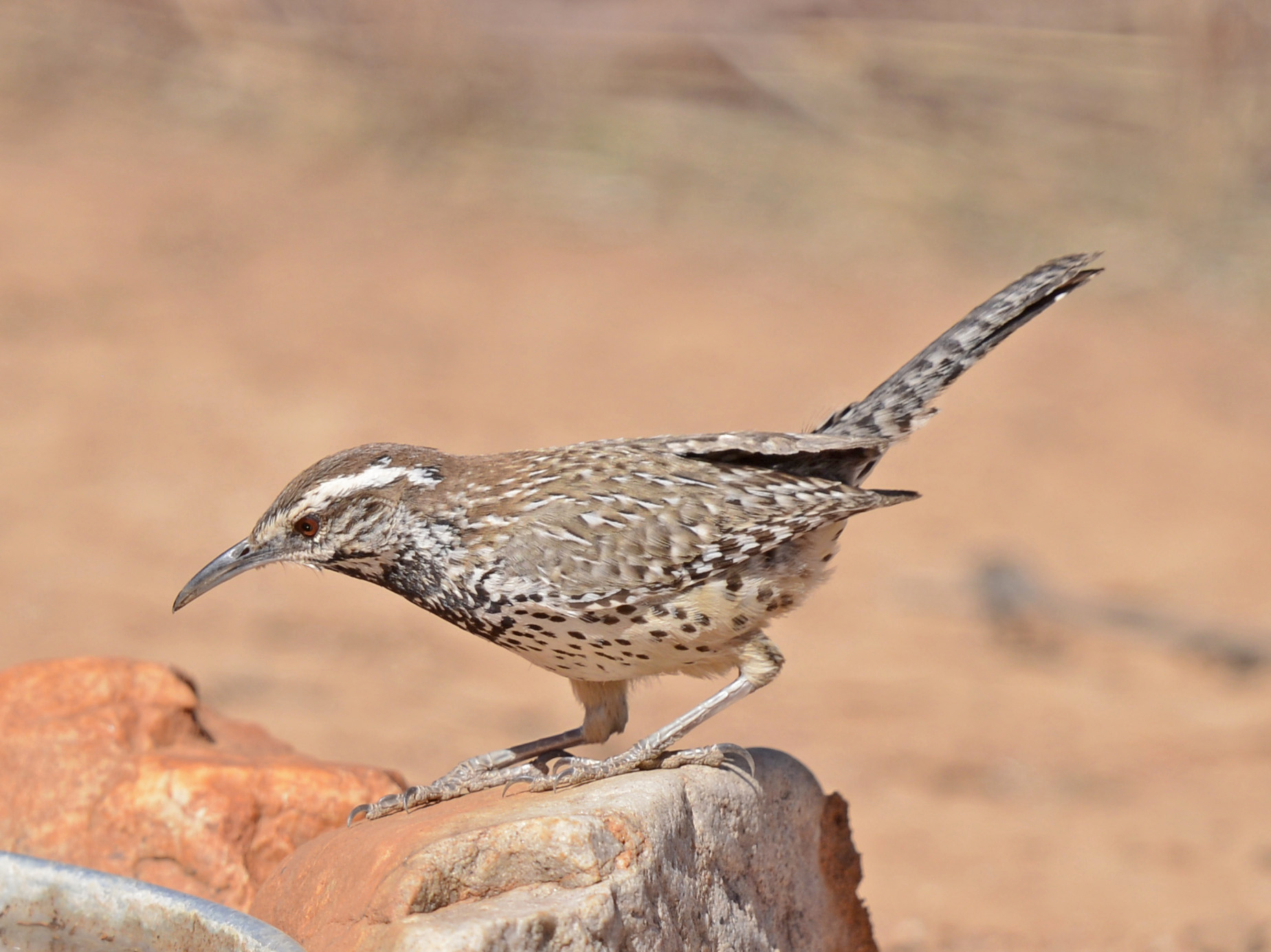
Genomic Data Revealed Distinct Continental and Baja California Cactus Wren Groups
A 2026 bioRxiv preprint found strong genomic separation between continental and Baja California cactus wrens, argued that the…
Read story →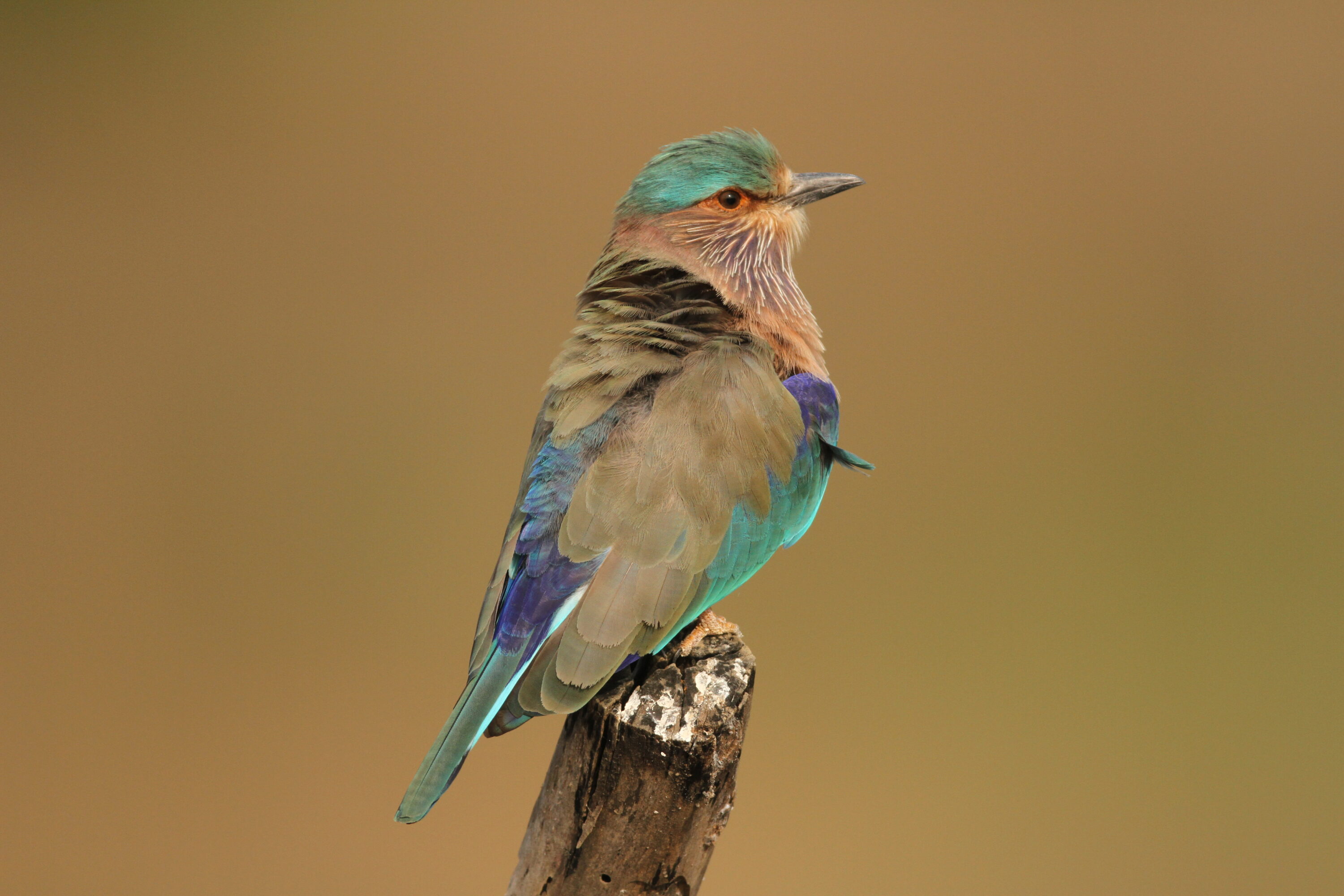
Six Cavity-Nesting Bird Species Bred Successfully in Artificial Nests in Punjab
Punjab Agricultural University reported successful breeding in artificial nests by six cavity-nesting species, including Indian roller, spotted owlet…
Read story →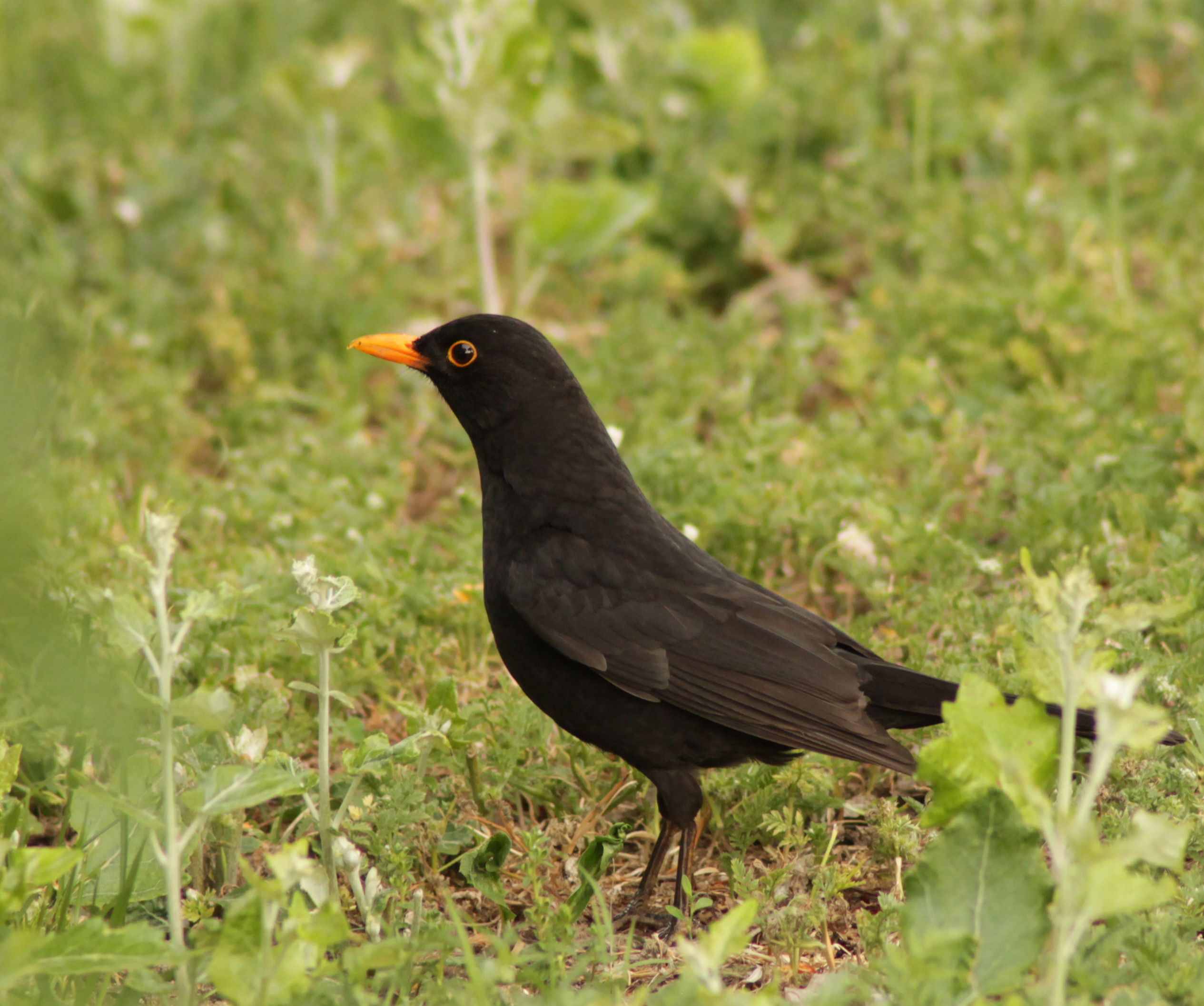
Targeted Restoration Raised the Modelled Share of Functionally Connected Blackbird Breeding Habitat to 90.8% in Gijón
VHF telemetry from 13 adult Eurasian blackbirds in Gijón was used to model breeding habitat and connectivity. Under…
Read story →SPECIES IN THIS STORY
Species in this story
Independent research and conservation news archive
Did you find this information useful?
Wildlife Vagabond is independently built and maintained. Voluntary support helps cover source verification, hosting and continued work on research and conservation news.
Support Wildlife VagabondThe news archive will remain freely available.