
September Hunting Left Orphaned Canada Geese at Greater Risk
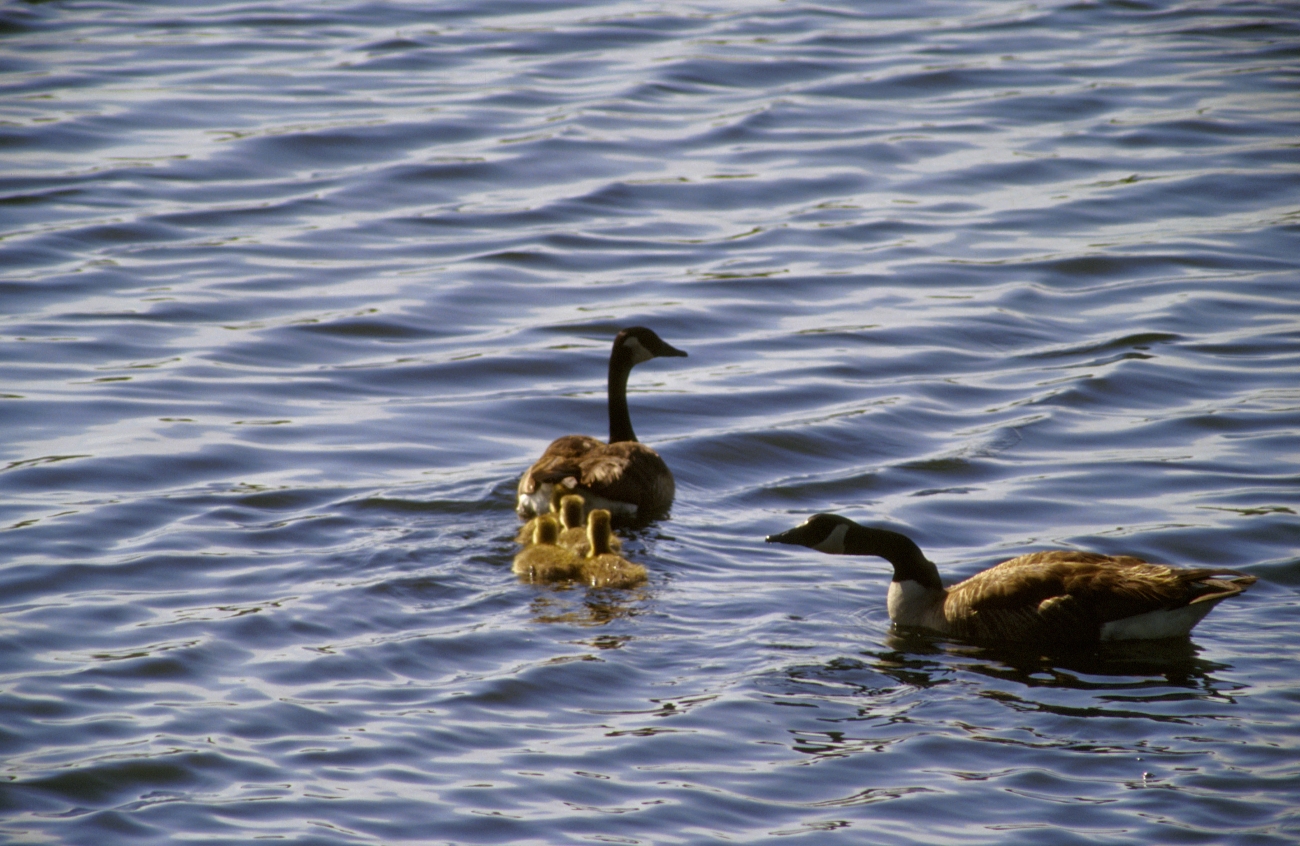
Young Canada geese that lost a parent to hunters in September fared much worse than those orphaned in January or February, according to a 25-year study published on 10 April 2026. The result suggests that the timing of hunting can create indirect effects beyond the birds that are shot.
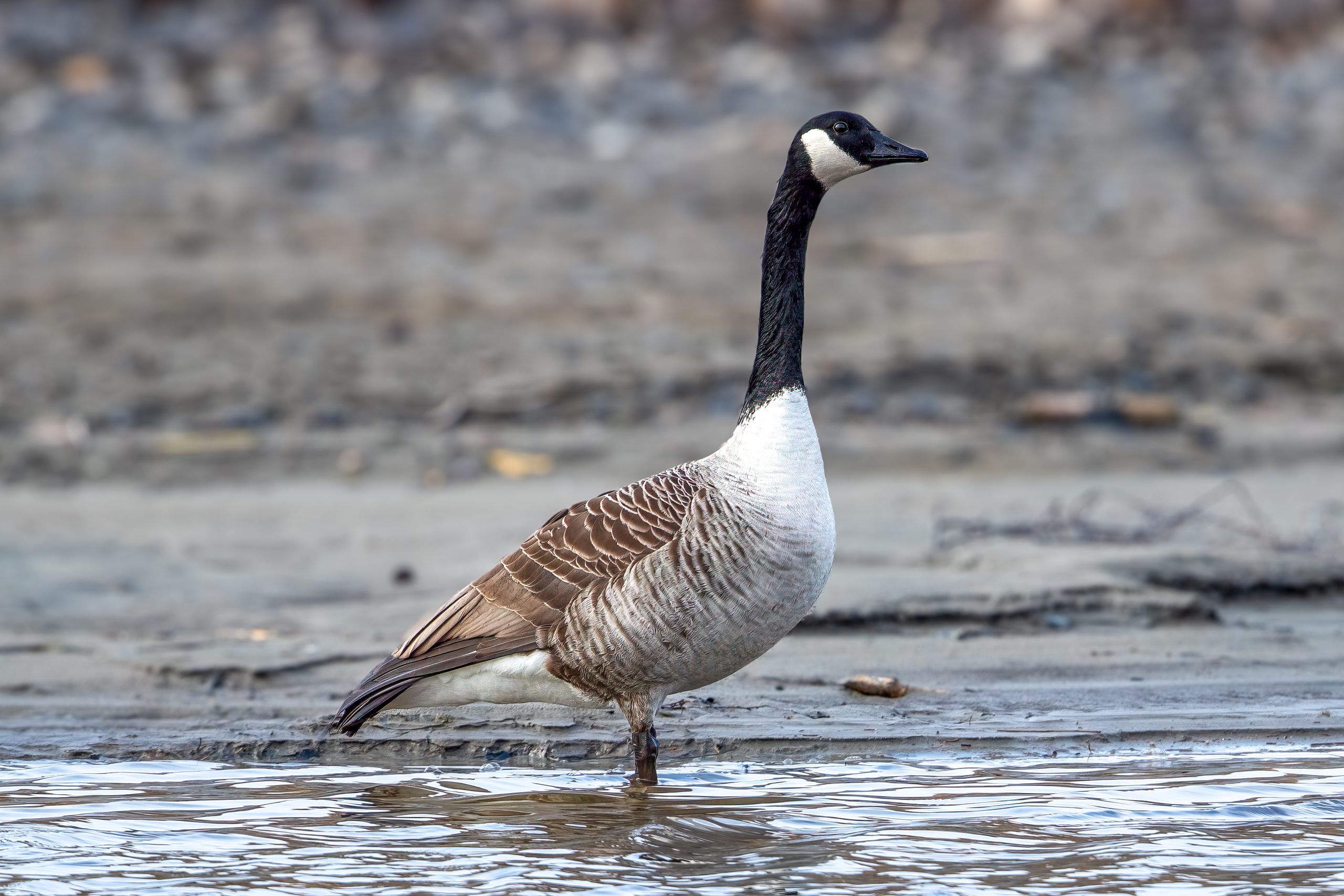
Canada goose (Branta canadensis) families often remain together through the young birds’ first autumn and winter. Parents help juveniles reach safer feeding and roosting sites and defend them against dominant adults. Researchers therefore asked whether losing one or both parents during this dependent period affected survival and later reproduction.
Complete life histories from Connecticut, USA
Between 1984 and 2008, researchers banded 731 fledglings in New Haven County, Connecticut; adults in the study families were also marked and followed with leg bands and neck collars. They repeatedly observed family members and used recovery reports to follow the birds until death. The local population was largely non-migratory and highly faithful to its breeding area, which made long-term individual histories possible.
The study identified 68 juveniles that lost at least one parent to hunters: 30 lost their father, 21 lost their mother and 17 lost both parents. Each orphan was matched with a non-orphan of the same sex that fledged in the same year. Twenty-two were orphaned during the September early season, ten in October or November and 36 during the January–February late season.
Timing revealed the strongest difference
When all orphans were combined, 37 percent died during their first year, almost identical to the 38 percent among matched non-orphans. Recruitment into the breeding population was also similar, at 22 and 24 percent, and there were no clear overall differences in age at death, years spent nesting or lifetime fledgling production.
That overall comparison concealed a large seasonal contrast. Fifty-nine percent of juveniles orphaned in September died during their first year, compared with 19 percent of those orphaned in January or February. Only five percent of the September group later entered the breeding population, versus 33 percent of the late-season group. Early orphans averaged only 0.1 nesting years across their lives, compared with 0.9 for late orphans. They produced no fledglings in the dataset, while late orphans averaged 2.6.
A survival model supported the same pattern: late-season orphans had about half the mortality risk of early-season orphans. Losing both parents also produced the strongest estimate of harm, with nearly twice the estimated mortality risk of non-orphans. The uncertainty around that estimate was still wide enough to include the possibility of no difference.
Which parent was lost also affected later exposure to hunters. Only 9% of juveniles that lost their mother were harvested during their lifetime, compared with 43% of those that lost their father. In addition, 60% of maternal orphans had a sibling harvested during their lives, compared with 87% of paternal orphans. The authors did not find corresponding differences in first-year survival, recruitment or lifetime fledgling production. They suggest, cautiously, that adult males may be especially important for detecting hunters and steering family groups away from risky sites because males are generally more vigilant.
A management signal, not a universal rule
The authors interpret September as a period when young geese still depend strongly on their parents. Their overall results indicated that birds orphaned in October–November or January–February had broadly similar fates to non-orphans, whereas September stood out as the clearly adverse period. By late winter, juveniles may have learned where to feed, rest and avoid hunters, making parental loss less damaging. This mechanism is plausible but was not tested experimentally.
The study concerns one resident population in one Connecticut county, and only 22 birds formed the early-orphan group. Hunting pressure, migration and family behaviour may differ elsewhere. The data also cannot fully separate the effect of parental loss from the circumstances that exposed entire families to hunters.
Even with those limits, the long follow-up provides rare evidence about an indirect cost of harvest. Early Canada goose seasons are widespread in North America and are often intended to reduce abundant resident populations. The findings suggest that managers evaluating such seasons should consider not only the number of adults taken, but also whether dependent young face additional mortality when parents are removed in September.
Management
Related news
Seven overlaps linked wild-bird H5 clusters with poultry outbreaks in the US
Across seven periods between 2022 and 2025, clusters of H5 detections in wild waterfowl overlapped in time and…
Read story →
Adult Canada Geese Became Less Likely to Be Harvested Despite More Liberal Hunting Rules in Arkansas
From 2005 to 2020, estimated adult harvest probability declined while adult survival increased among Canada geese breeding in…
Read story →
Quebec Restored the Combined Daily Limit for Canada and Cackling Geese From Three to Five
Federal rules published on 1 July 2026 removed a temporary restriction in Quebec hunting districts A, C, D…
Read story →SPECIES IN THIS STORY
Species in this story
Independent research and conservation news archive
Did you find this information useful?
Wildlife Vagabond is independently built and maintained. Voluntary support helps cover source verification, hosting and continued work on research and conservation news.
Support Wildlife VagabondThe news archive will remain freely available.