
Five of Similipal’s 84 Counted Mugger Crocodiles Were at a Breeding Centre
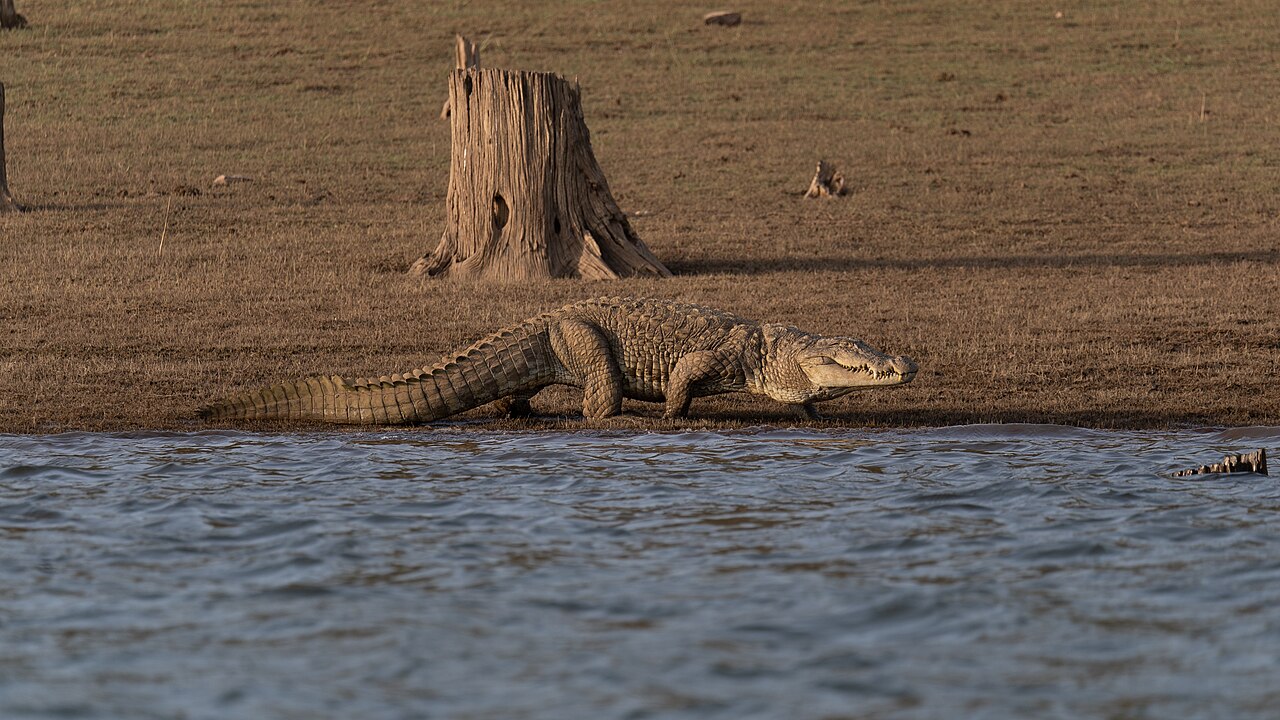
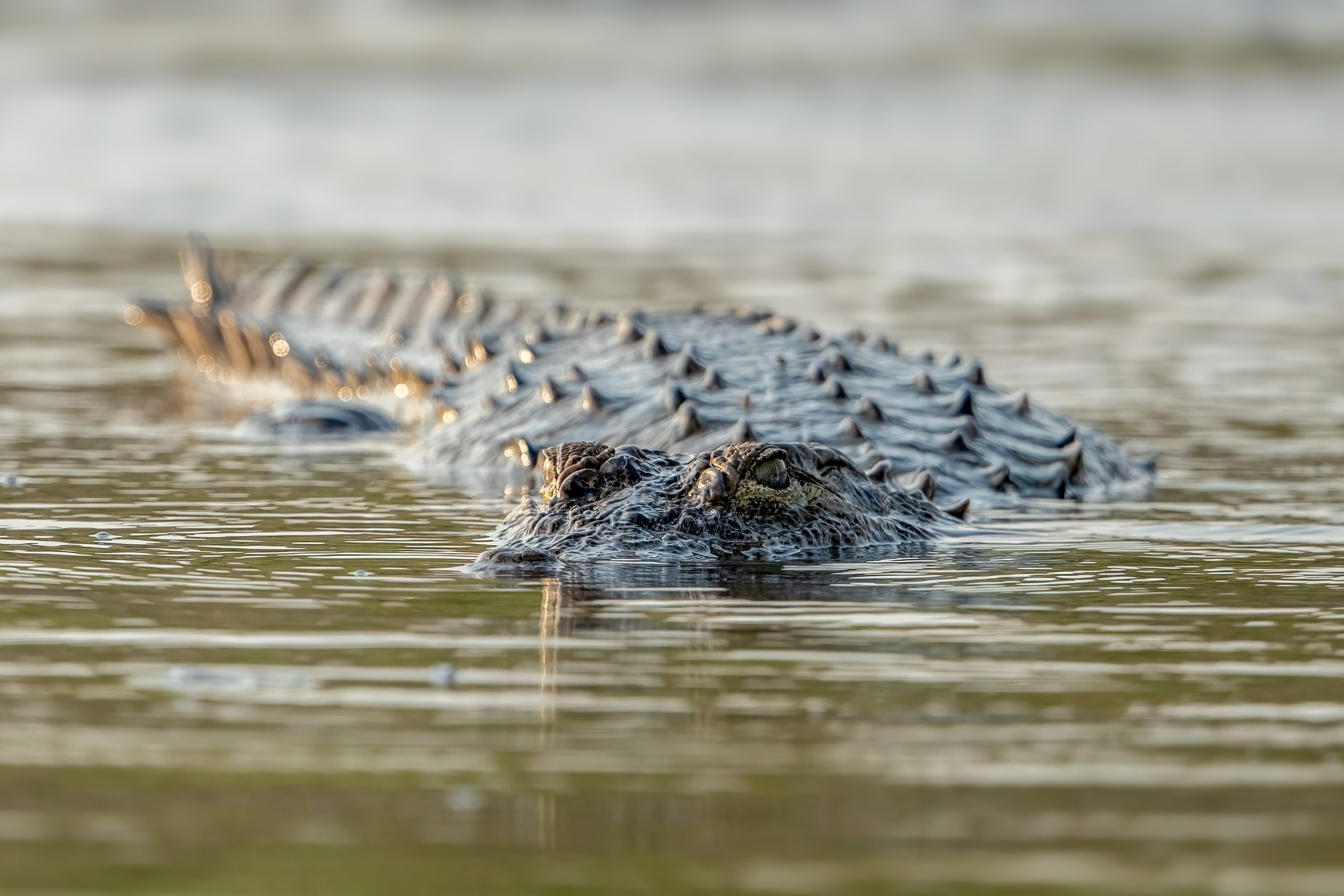
A January 2026 crocodile census report for Similipal in Odisha, India, listed 84 mugger crocodiles (Crocodylus palustris). The total, however, combined animals recorded in the Similipal forest divisions with crocodiles kept at the Ramatirtha Crocodile Breeding Centre: 78 were reported from South Similipal, one from North Similipal and five from Ramatirtha.
The census was conducted from 5 to 8 January and covered 20 locations across eight major water bodies. The Deo River had the highest reported count, with 60 crocodiles. Forest officials linked the result to long-running conservation work, including releases of hatchlings from Ramatirtha into Similipal water bodies.
The reported total of 84 includes five crocodiles at the breeding centre
This distinction matters when the census is described as a population count. Of the 84 animals in the 2026 total, 79 were reported from the South and North Similipal forest divisions and five were at Ramatirtha. The figure of 84 is therefore not simply a count of free-ranging crocodiles in rivers and streams.
The public report citing official data stated that the total had risen from 81 in 2025 to 84 in 2026. That comparison may be useful as an administrative census total, but the publicly available sources do not explain in detail how the 2025 figure of 81 was assembled.
The published 2025 forestry report gives 75 direct river sightings
Odisha Forest Department’s published Highlights of Odisha Forestry Sector – 2025 provides a more specific count of free-ranging muggers for the previous year. Its January 2025 census used direct daytime sightings and recorded 75 mugger crocodiles across six Similipal river systems.
The 2026 reporting covered eight major water bodies and also included the breeding centre. The 2025 primary table covered six river systems and did not include Ramatirtha in that wild-river total. Because the published coverage and accounting are not identical, neither 81 to 84 nor 75 to 79 should automatically be treated as a precise year-to-year change in the same wild population.
The longer record shows a managed and monitored population
Similipal has a long history of mugger restoration. Earlier Forest Department reports used direct daytime sightings to follow the river population, and the Ramatirtha programme has bred and released young crocodiles into the reserve for decades. The 2026 count therefore sits within a continuing programme of monitoring, captive breeding and releases rather than representing an isolated census.
For population-status reporting, the safest conclusion is that the January 2026 exercise recorded 79 muggers in the two Similipal forest divisions and five more at Ramatirtha, with 60 reported from the Deo River. Forest officials regarded the result as encouraging, but the available published sources do not support a precise claim that the free-ranging population itself increased by exactly three animals from 2025 to 2026.
Population & status
Related news
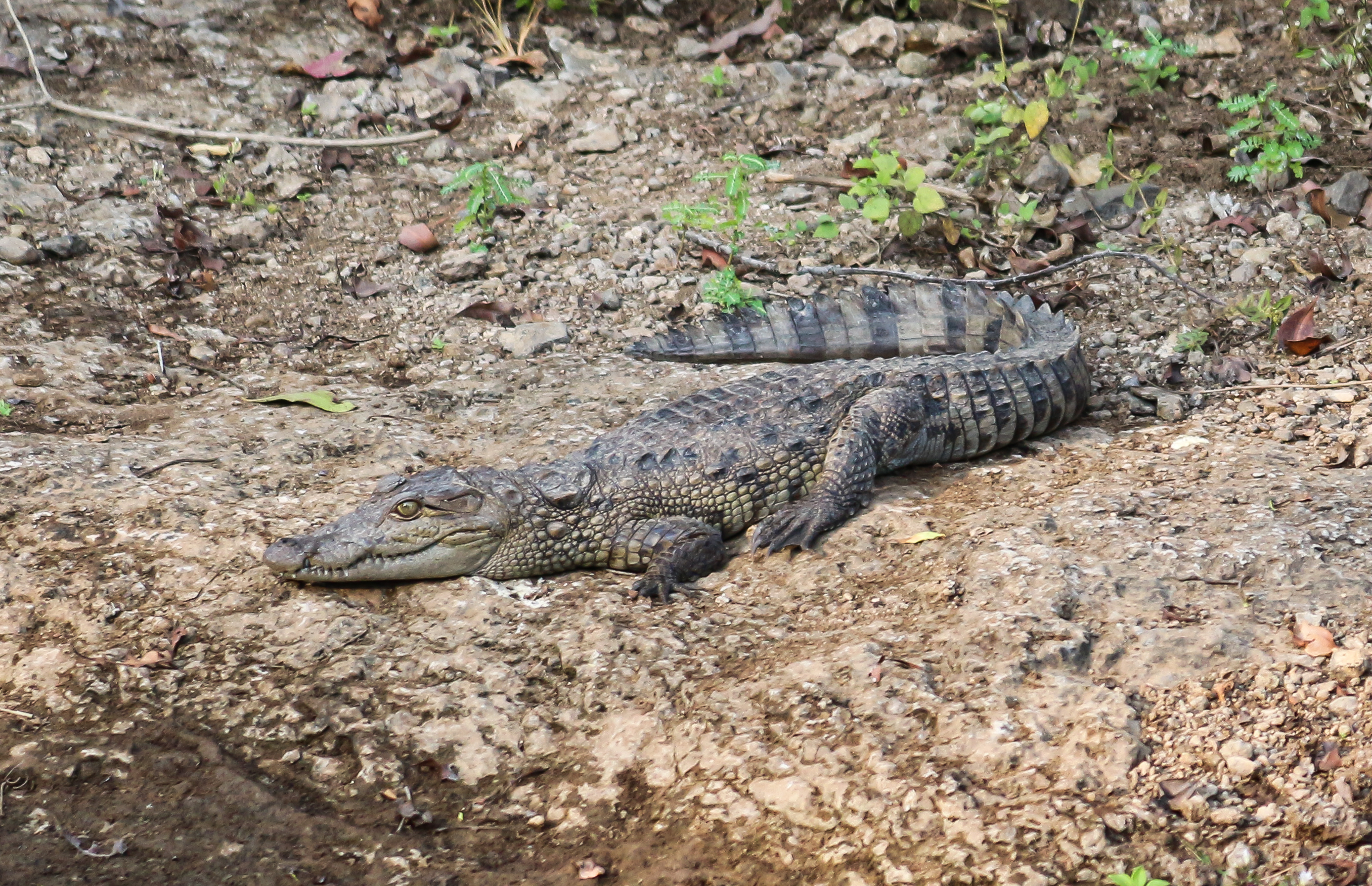
Falling Tungabhadra Water Levels Brought Mugger Crocodiles Onto Riverbanks in Kurnool
Receding water in the Tungabhadra brought mugger crocodiles onto exposed banks in Kurnool, where one was attacked by…
Read story →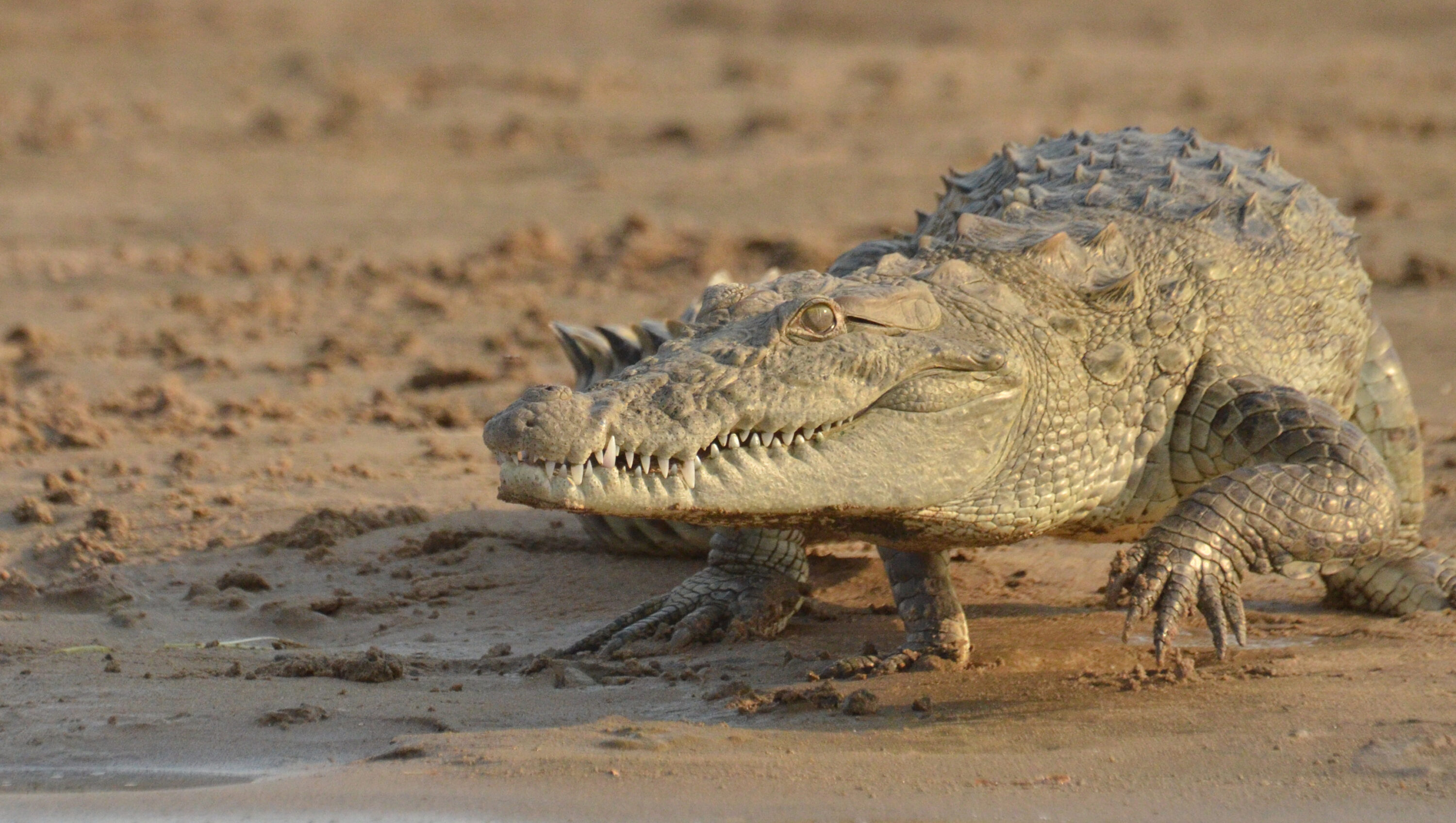
Mugger Crocodile Habitat Use in the Moyar River Was Most Closely Linked to Fish Biomass
A 2026 Wildlife Institute of India dissertation found that mugger crocodile habitat use in the Moyar River was…
Read story →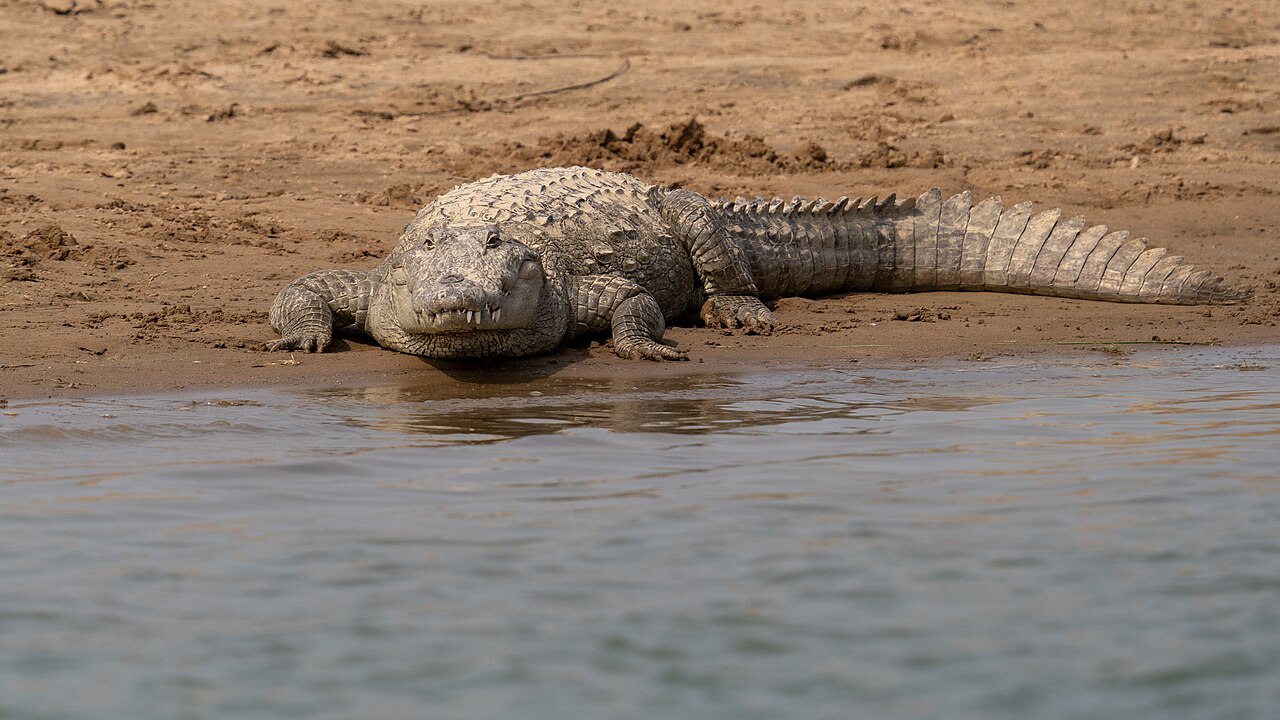
Wild Adult Mugger Crocodile Recorded Galloping for the First Time
A 2026 natural-history note reports the first known record of a free-ranging adult mugger crocodile galloping, after a…
Read story →SPECIES IN THIS STORY
Species in this story
Independent research and conservation news archive
Did you find this information useful?
Wildlife Vagabond is independently built and maintained. Voluntary support helps cover source verification, hosting and continued work on research and conservation news.
Support Wildlife VagabondThe news archive will remain freely available.