
Singapore House Crows Kept Preferred Tree Species but Shifted Other Nest-site Choices
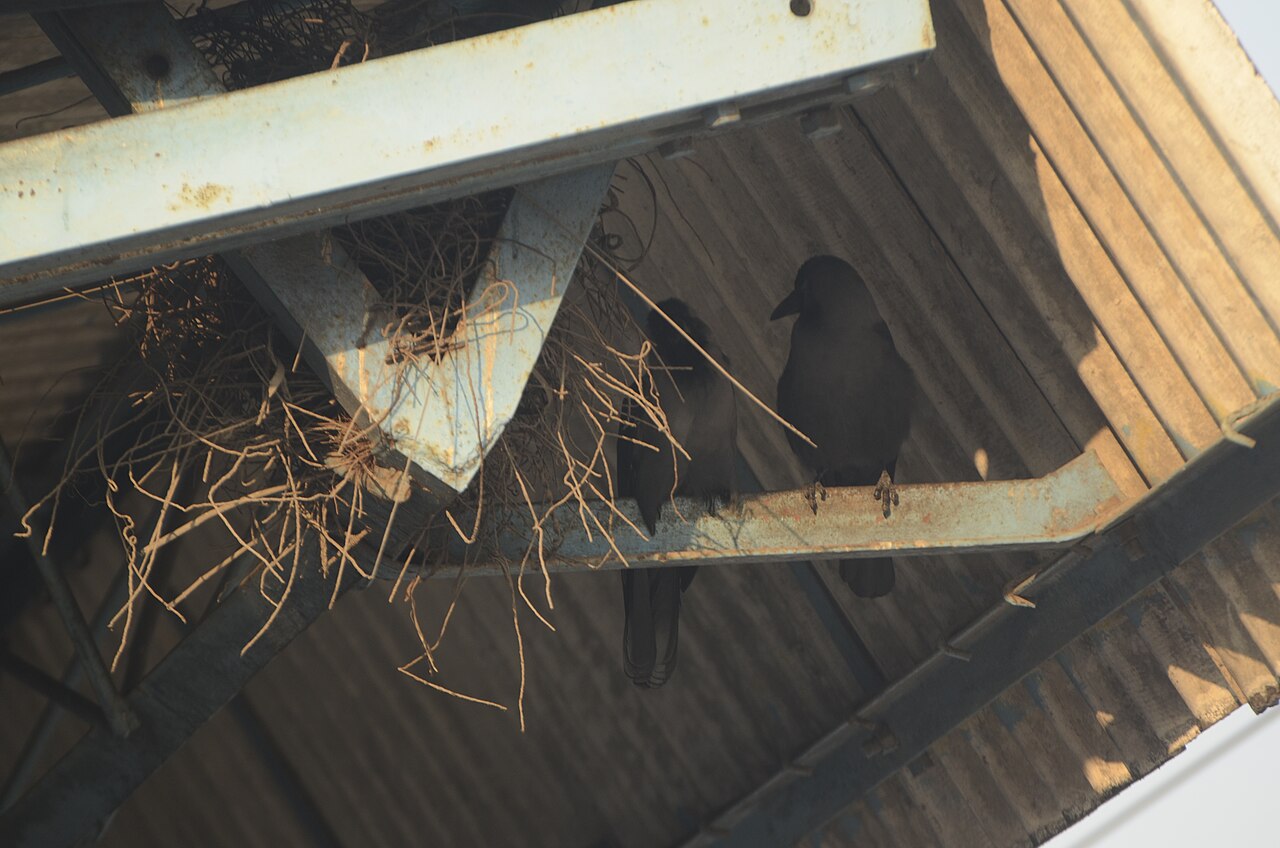
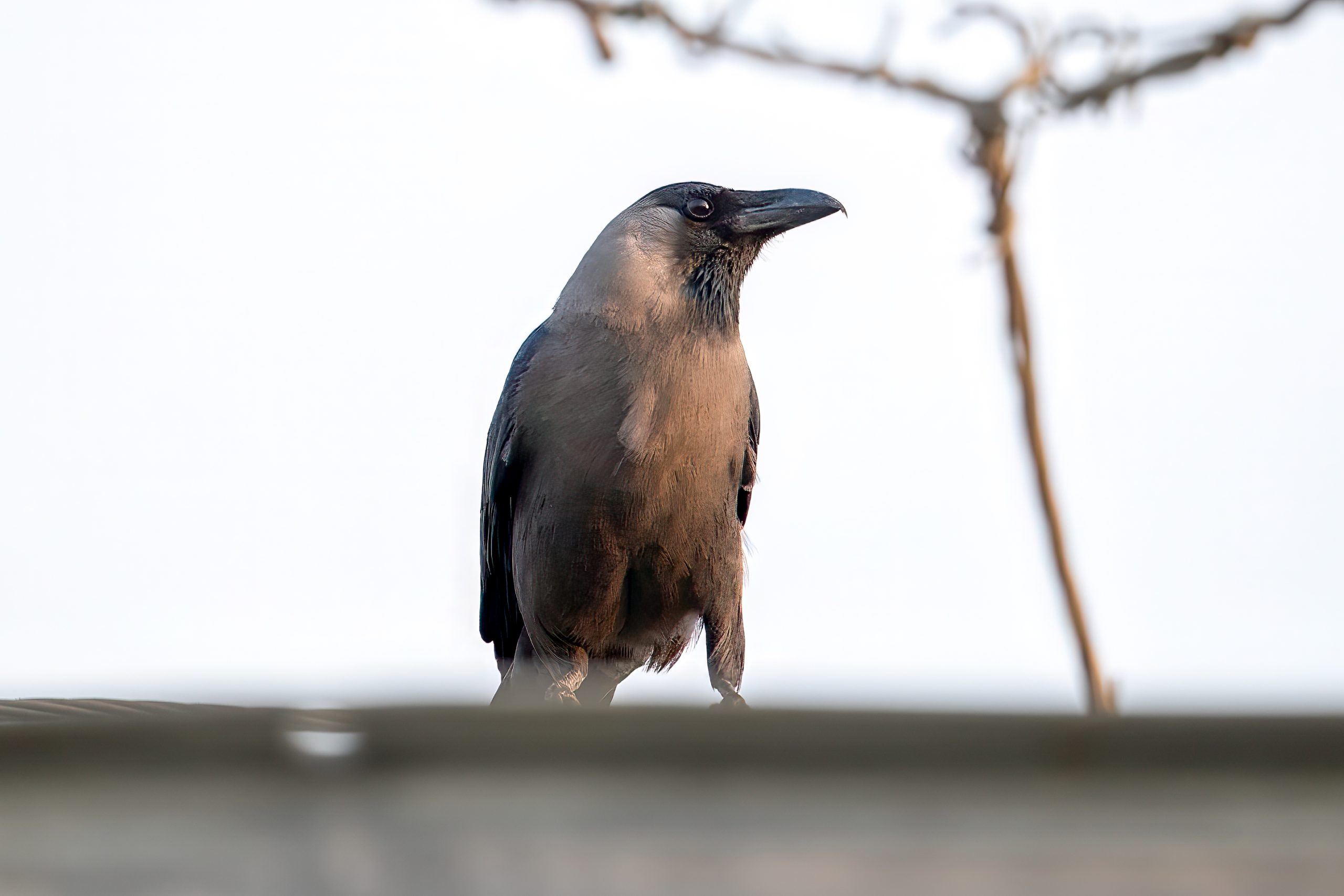
A 2026 study found that invasive house crows (Corvus splendens) in Singapore have changed some of their nest-site preferences over the past two decades as the city’s urban landscape and food management have changed.
Researchers surveyed 30 nest trees and 30 non-nest trees in 2022 and compared the results with a similar Singapore study from 2001. The overall proportions of the main nesting tree species had not changed significantly across the two decades. House crows continued to favour particular species, especially yellow flame (Peltophorum pterocarpum) and broad-leafed mahogany (Swietenia macrophylla), while raintrees and other species were used less often than expected.
Distance from buildings had a clear negative relationship with nest-site use in the newer models: nesting probability decreased as trees were farther from buildings. Greater distance from roads and a taller branch-free section of trunk were also positively associated with nesting, while wider branch angles showed a weaker positive relationship. The authors note that wider branch forks may give nests more structural support and stability.
Several factors that had been important in 2001, including crown size and density and distance to bin and food centres, no longer appeared among the strongest predictors. The authors suggest that improved containment of food waste and changes in Singapore’s urban bird community may have altered how crows choose nesting sites. They recommend continued food-waste management together with targeted nest removal, pruning and more varied urban tree planting.
Ecology
Related news
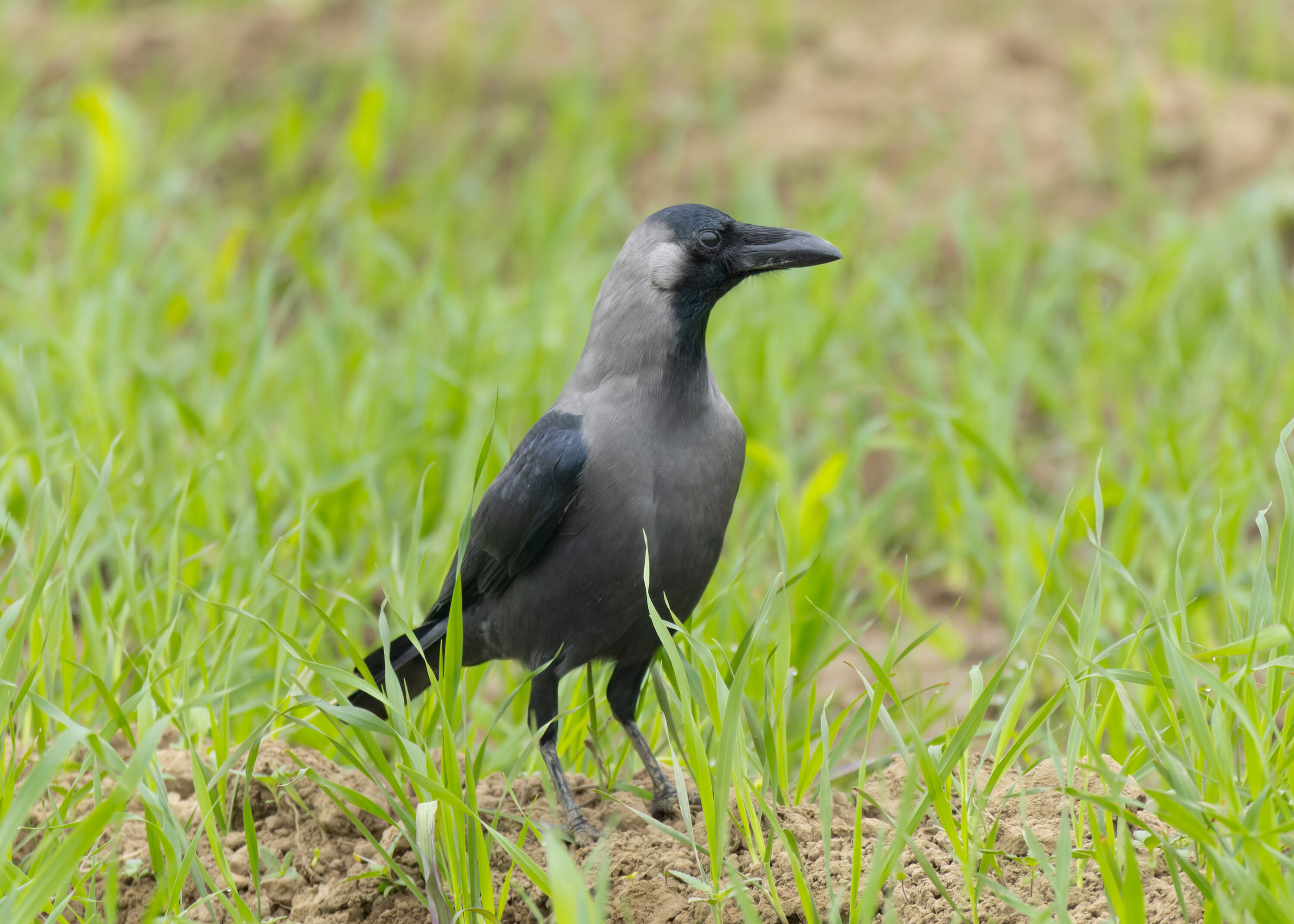
More House Crows Were Counted on Hotter Days in Jaipur
At five urban sites in Jaipur, daily totals ranged from 17 to 81 house crows, and about 22%…
Read story →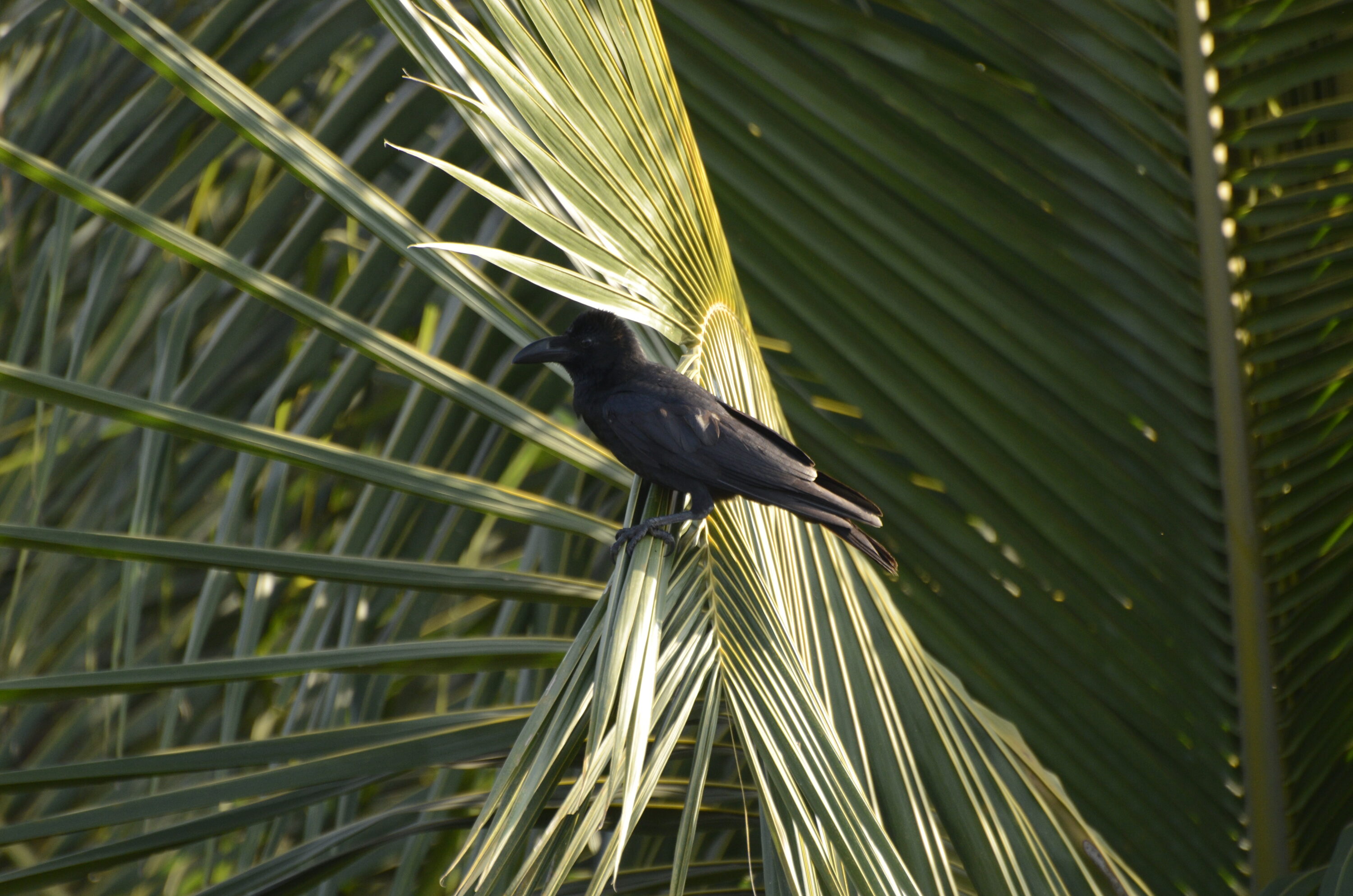
Two House Crows Began Anting After Watching a Large-billed Crow in Coonoor
In Coonoor, India, a Large-billed Crow rubbed yellow crazy ants through its plumage. Three House Crows arrived; one…
Read story →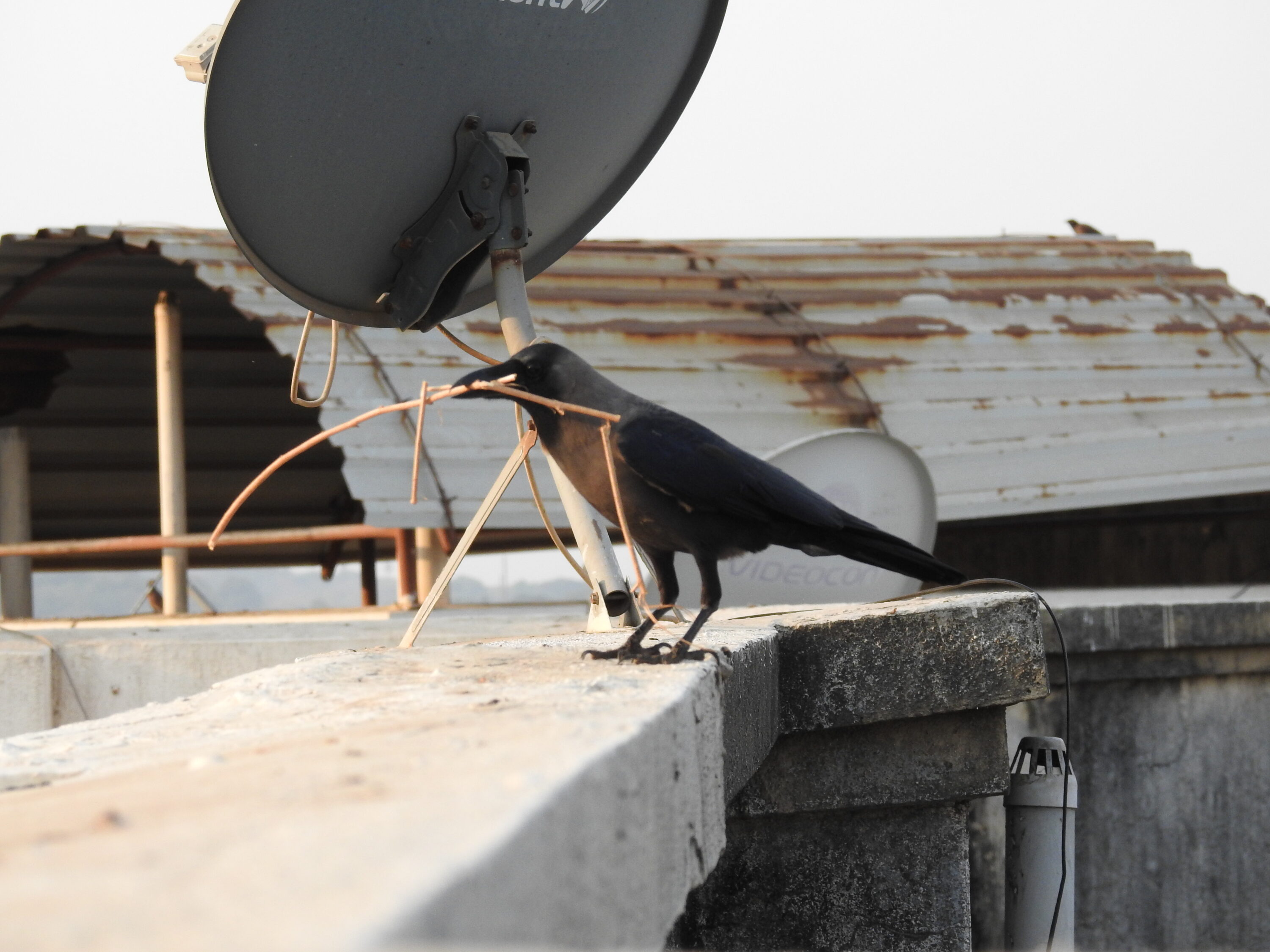
House Crow Breeding Varies Across Regions, Review of 34 Studies Finds
A 2026 review of 34 studies found clear regional differences in house crow breeding, including breeding-season timing, nesting…
Read story →SPECIES IN THIS STORY
Species in this story
Independent research and conservation news archive
Did you find this information useful?
Wildlife Vagabond is independently built and maintained. Voluntary support helps cover source verification, hosting and continued work on research and conservation news.
Support Wildlife VagabondThe news archive will remain freely available.