
Genetic Data From 1,813 South Korean Wild Boar Suggested Reduced Gene Flow Across the Geum River
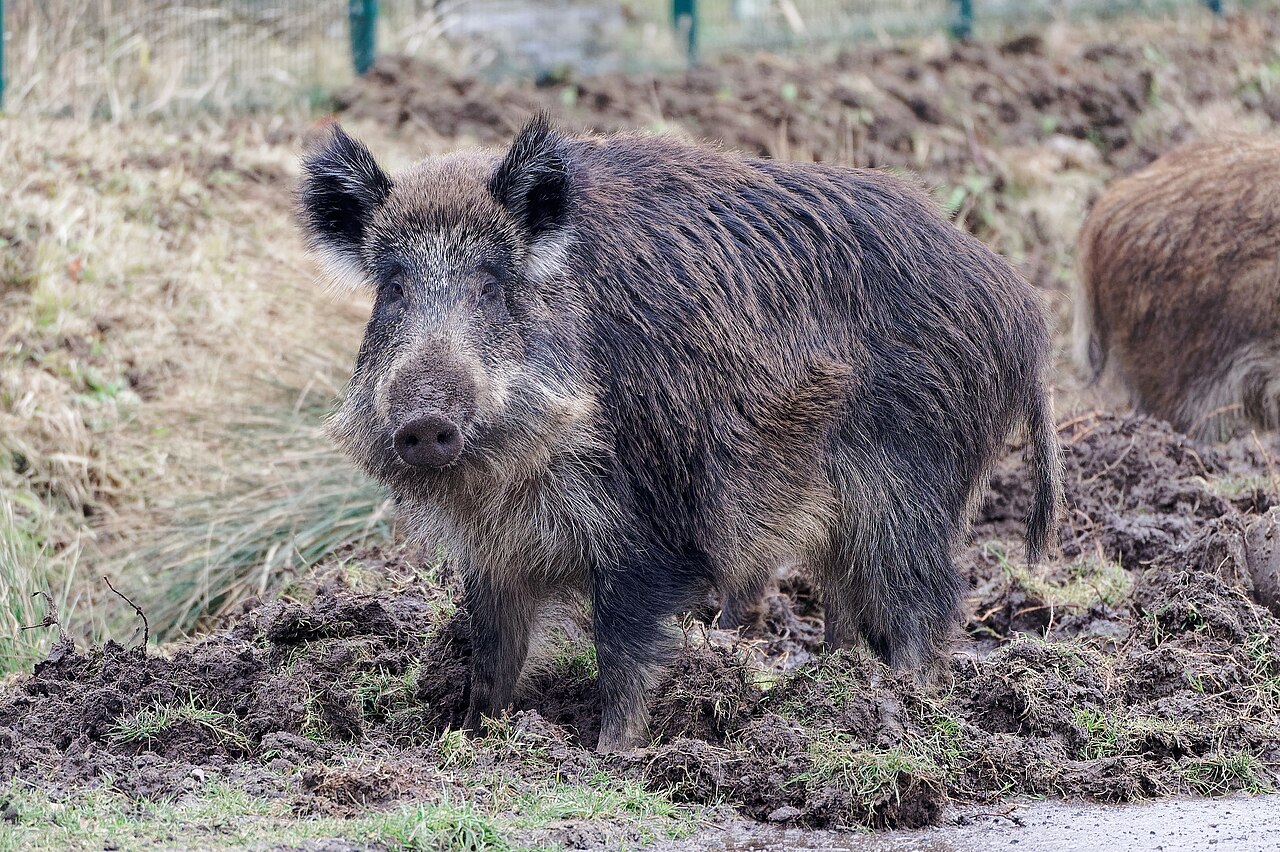
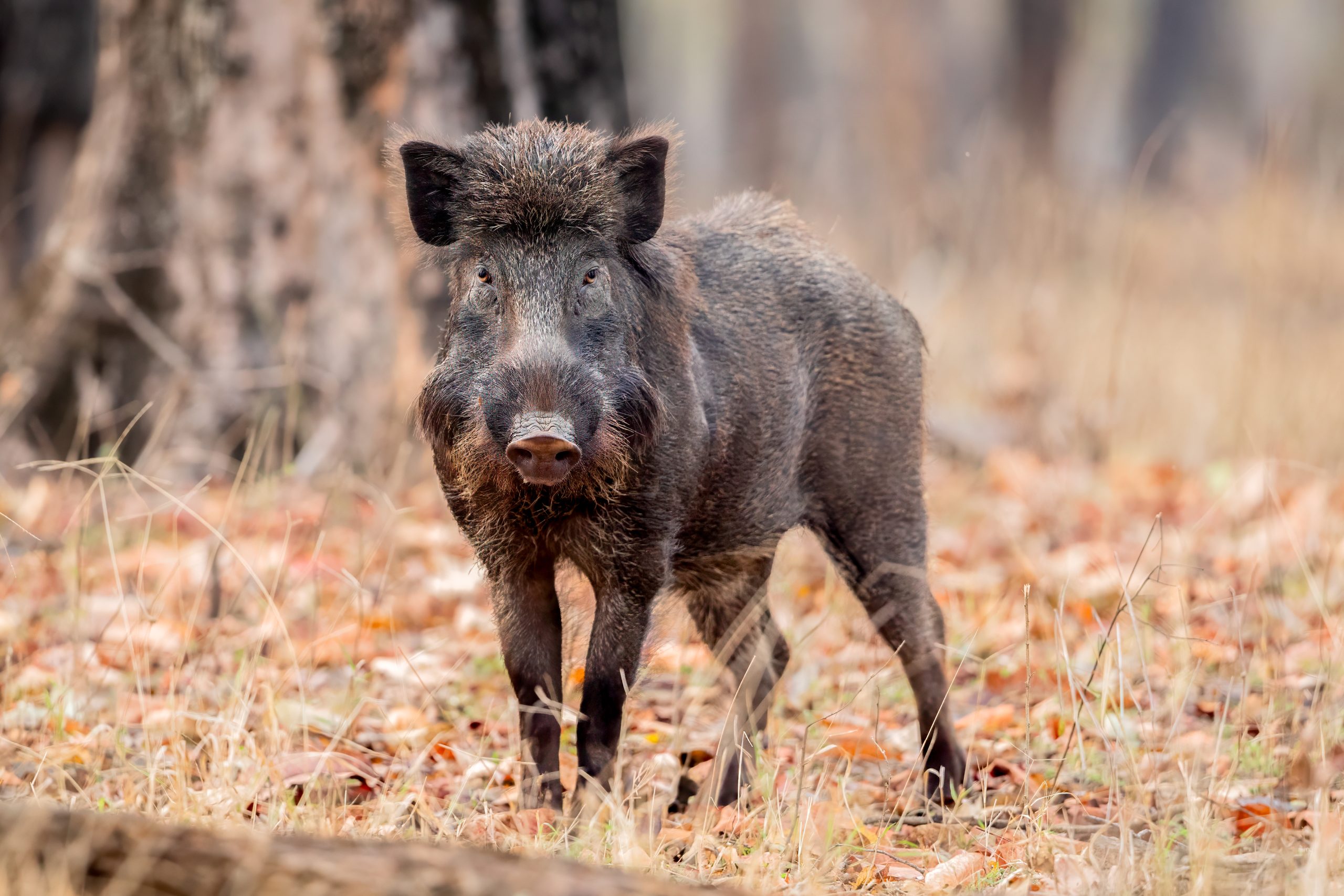
Genetic data from 1,813 wild boar (Sus scrofa) collected across South Korea showed high overall diversity but a detectable regional structure. The strongest departure from the general distance-related pattern occurred between Chungcheong and Jeolla: despite their geographic proximity, the two regions were more genetically different than expected, suggesting reduced gene flow across the Geum River and the surrounding landscape. The study was published in Scientific Reports on 28 August 2026.
The animals were collected nationwide between 2019 and 2023. Researchers compared 13 microsatellite markers — short, repeated stretches of DNA that vary among individuals and can reveal how strongly populations are genetically connected.
Genetic diversity remained high across South Korea
Genetic diversity remained high across all regions, but there were moderate differences. Gangwon had the highest mean number of alleles and an observed heterozygosity of 0.70, while Jeolla had the lowest values, including heterozygosity of 0.61. Heterozygosity describes how often individuals carry two different genetic variants at the same marker, so higher values generally indicate more variation within the sampled population.
Regional genetic differences were small overall, but a consistent regional pattern could still be detected. Gyeonggi and Gangwon were largely continuous genetically, whereas Jeolla was the most differentiated region. Across South Korea as a whole, genetic differences increased with geographic distance, showing that animals from more distant regions tended to be less genetically similar.
The Geum River stood out as a partial barrier
The Chungcheong–Jeolla comparison stood out from this general pattern. Their genetic difference was comparatively large despite the regions being close together. The authors interpret this as evidence that the Geum River and associated landscape features may reduce movement and gene flow beyond what distance alone would predict. The study does not show that the river is an absolute barrier.
Clustering analyses identified two broad genetic groups, with additional subdivision at finer scales, but neighbouring regions still overlapped extensively. The regional groups therefore still shared most of their genetic variation, with only a smaller part separating one region from another. Together, the results describe a connected wild-boar population with substantial genetic diversity, overlaid by weaker regional structure and at least one landscape boundary that appears to reduce connectivity.
Genetics & genomics
Related news
Maps Show Where Wild Boar Could Thrive and Spread on Jeju Island
Researchers mapped potentially suitable wild-boar habitat across roughly 36% of Jeju Island and identified eight possible corridors linking…
Read story →
Roe Deer and Wild Boar Remained Key Wolf Prey as Diet Shifted Across North-western Italy
From 2021 to 2025, wolves in north-western Italy continued to feed mainly on wild prey. In the Po…
Read story →
Copper levels in wild boar differed across Slovak districts
An analysis of kidney, liver and muscle from 147 wild boar in four districts found that iron and…
Read story →SPECIES IN THIS STORY
Species in this story
Independent research and conservation news archive
Did you find this information useful?
Wildlife Vagabond is independently built and maintained. Voluntary support helps cover source verification, hosting and continued work on research and conservation news.
Support Wildlife VagabondThe news archive will remain freely available.