
Four Sri Lankan Indian Palm Squirrel Samples Showed Preliminary Maternal-line Genetic Differences
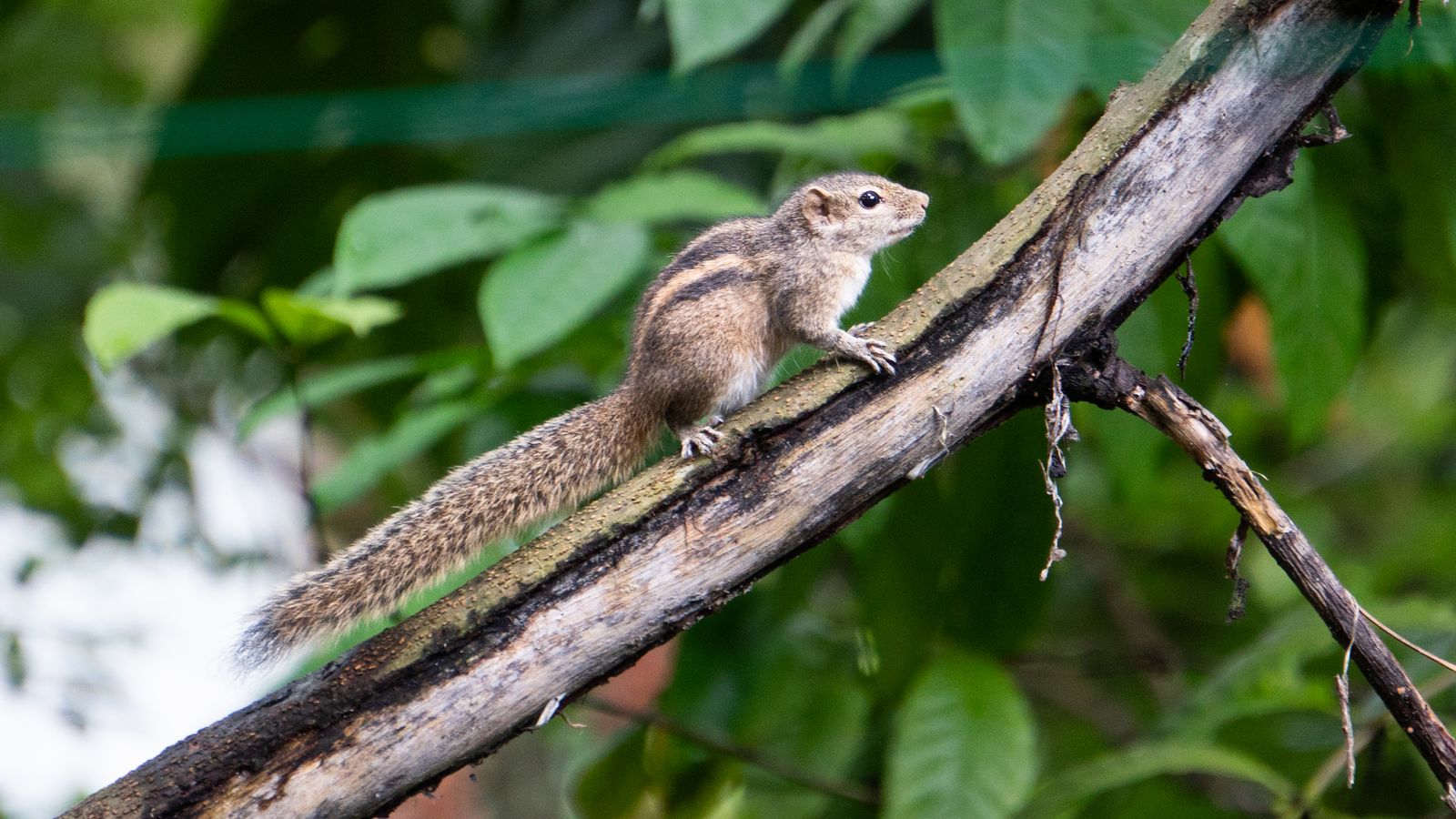
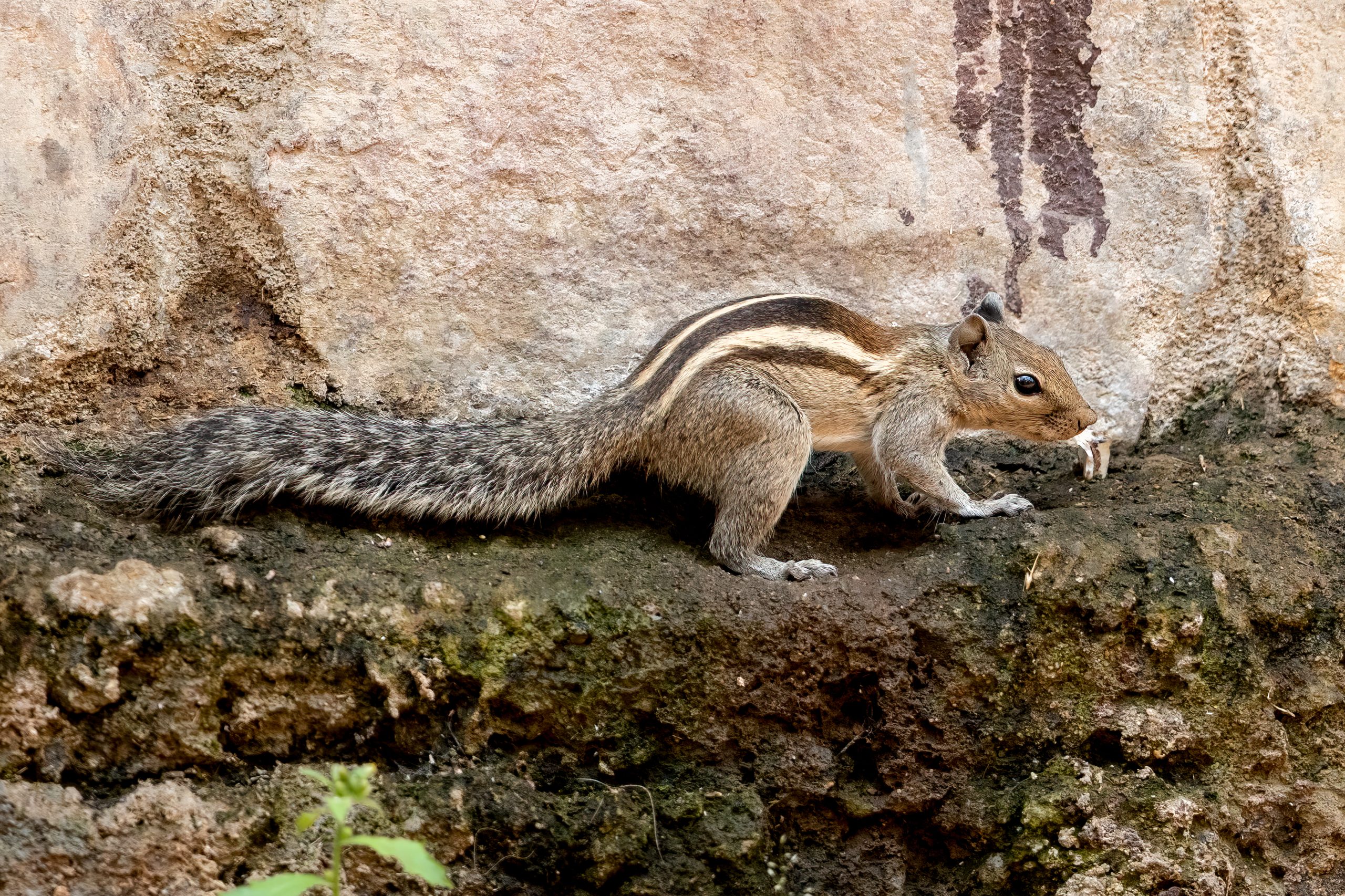
A 2026 conference study found preliminary differences in maternal-line genetic relationships among four Indian palm squirrel (Funambulus palmarum) samples from Sri Lanka. The researchers analysed a 600-base-pair fragment of the mitochondrial COI gene from one high-quality field sample collected in each of Matara, Batticaloa, Vavuniya and Nuwara Eliya, corresponding to the historical ranges of four named subspecies, and compared them with an Indian reference sequence from GenBank.
The Matara sample, representing F. p. favonicus in the wet zone, separated first from the remaining sequences in the reconstructed relationship tree. The Batticaloa and Vavuniya samples, corresponding to F. p. kelaarti and F. p. brodiei, formed a strongly supported subclade. The authors suggest the grouping could reflect historical connectivity between the regions or similarities in their environments. The Nuwara Eliya sample of F. p. olympius grouped most closely with the Indian reference sequence, although support for that sister relationship was weaker than for the Batticaloa–Vavuniya grouping.
The four Sri Lankan forms had historically been described from morphology. The authors present the COI tree as the first molecular evidence relevant to reassessing those subspecies concepts, not as a final taxonomic resolution. Because mitochondrial DNA follows the maternal lineage, the COI tree describes maternal-line relationships rather than the full genetic history of the animals. With only one Sri Lankan sequence from each historical subspecies range, the dataset also does not measure genetic variation within those ranges. The result is therefore a starting point for a broader genetic reassessment.
Evolution & taxonomy
Related news
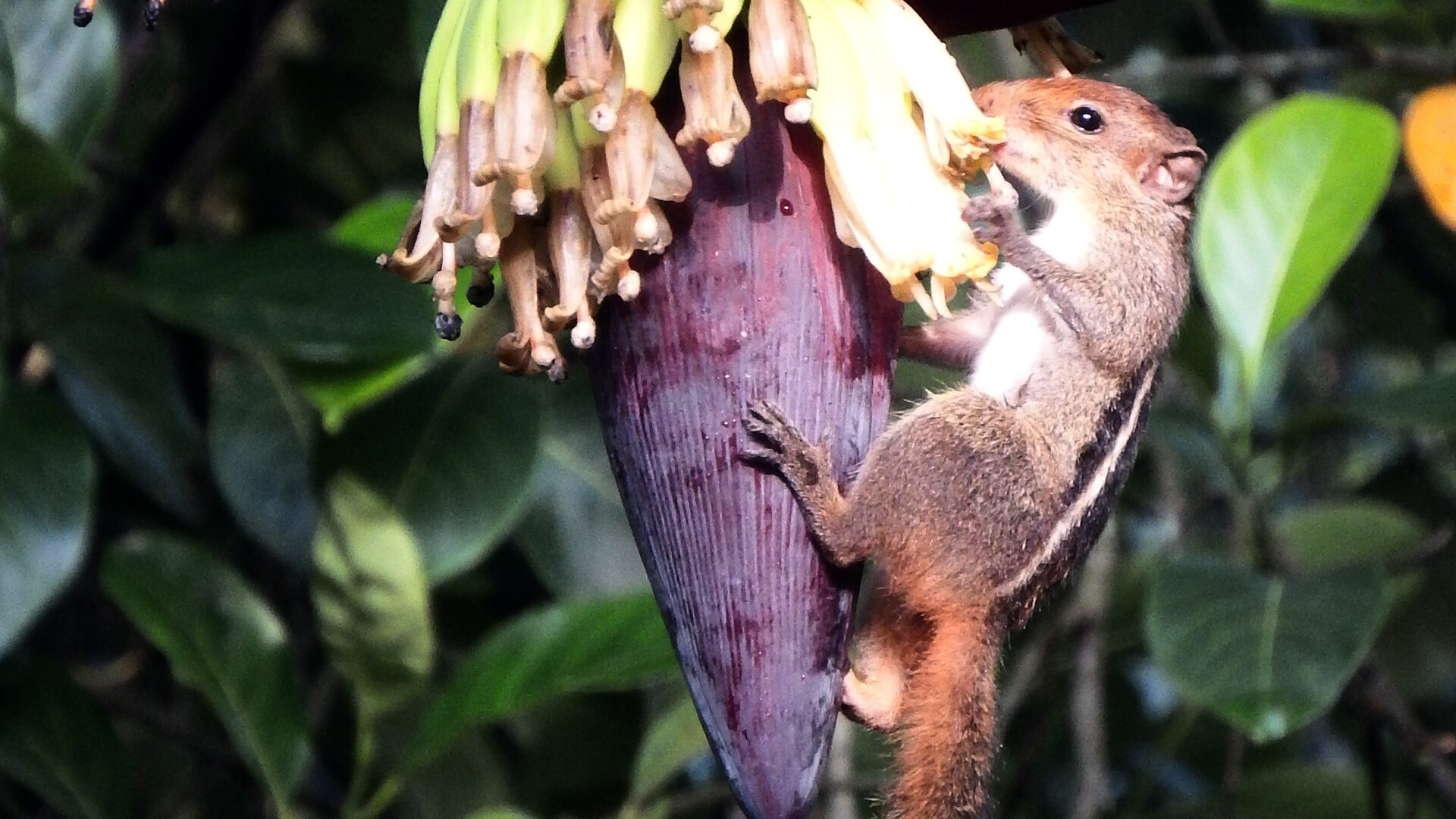
Four Indian Palm Squirrel Species Visited Flowers of 20 Plant Species
Forty opportunistic flower-visitation events across five Indian states linked four palm squirrel species with 20 plant species; pollen…
Read story →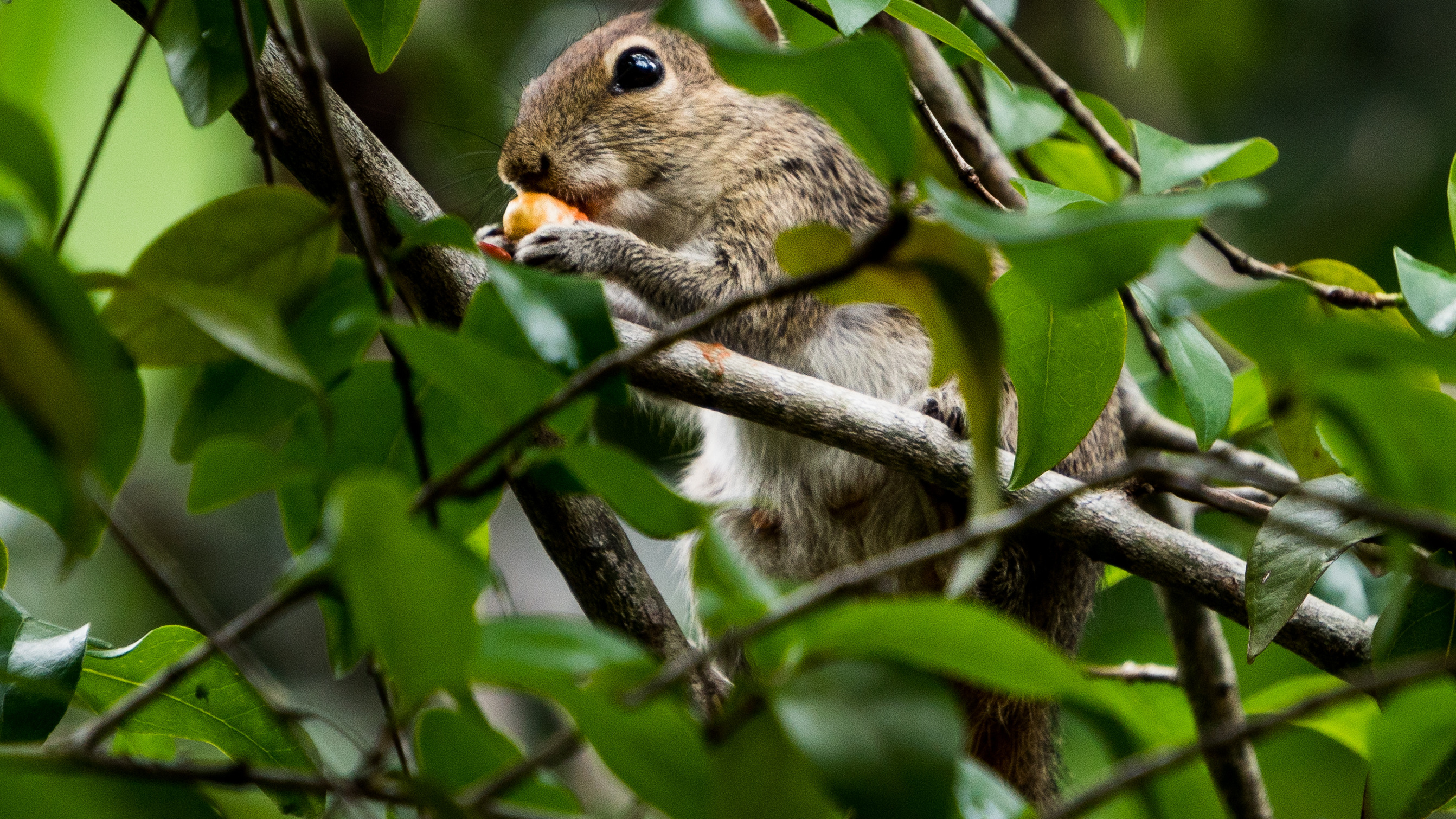
Birds and Indian Palm Squirrels Shared Seed-Dispersal Roles on a Lucknow Campus
A 2026 campus study in Lucknow recorded complementary seed-dispersal roles among birds and Indian palm squirrels, with squirrels…
Read story →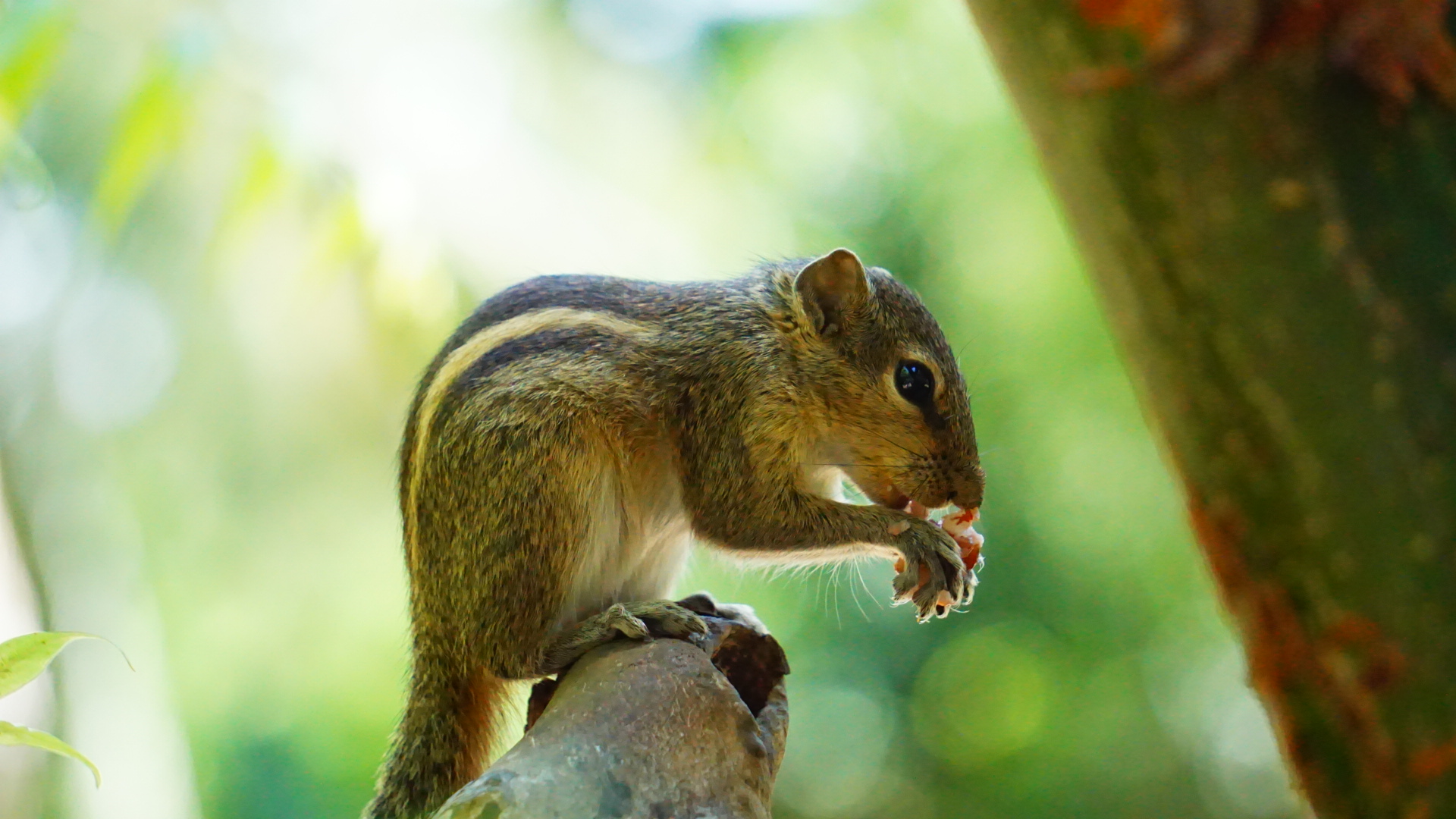
Albino Indian Palm Squirrel Documented in Chennai for the First Time
A 2026 scientific note documented the first record of albinism in an Indian palm squirrel from Chennai, based…
Read story →SPECIES IN THIS STORY
Species in this story
Independent research and conservation news archive
Did you find this information useful?
Wildlife Vagabond is independently built and maintained. Voluntary support helps cover source verification, hosting and continued work on research and conservation news.
Support Wildlife VagabondThe news archive will remain freely available.